Griffin (after a fresco from the Throne Room in the Palace of Knossos, Crete) — History & Facts
Could beauty survive in a century of chaos? The interplay of vibrant colors in this fresco adaptation invites the question, urging us to immerse ourselves in a world where the past and present converge. Focus first on the majestic griffin that dominates the composition, its powerful form rendered with striking hues of gold and deep azure. Notice how the artist captures the intricate patterns of its feathers, each brushstroke vibrating with life and movement. The background pulses with a kaleidoscope of color, suggesting a lush environment that both supports and contrasts the creature’s regal presence.
Every detail, from the griffin’s piercing gaze to the delicate swirls of foliage, becomes a testament to the harmony of nature and myth. Upon closer inspection, the duality of strength and vulnerability emerges within the griffin's posture, embodying the tension between ferocity and grace. The surrounding motifs hint at a civilization steeped in ritual and reverence, yet the colors speak of ephemeral beauty, suggesting a fleeting moment in time. This rich palette may represent the chaotic history of Crete itself, where splendor once flourished amidst the shadow of destruction, reflecting the struggle of cultures to preserve their identity. This work originates from the late 19th to early 20th century, a time when revivalist movements sought to resurrect ancient aesthetics.
The artist, though unnamed, was part of the broader archaeological enthusiasm for Minoan culture, inspired by the discovery of the Palace of Knossos. As Europe faced its tumultuous upheavals, the fusion of artistry and history in this fresco adaptation stands as a poignant reminder of resilience in the face of chaos.
More Artworks by Unidentified artist
Browse all →
Self-portrait with a Bandaged Ear and Pipe
Unidentified artist

Feast in the House of Levi
Unidentified artist
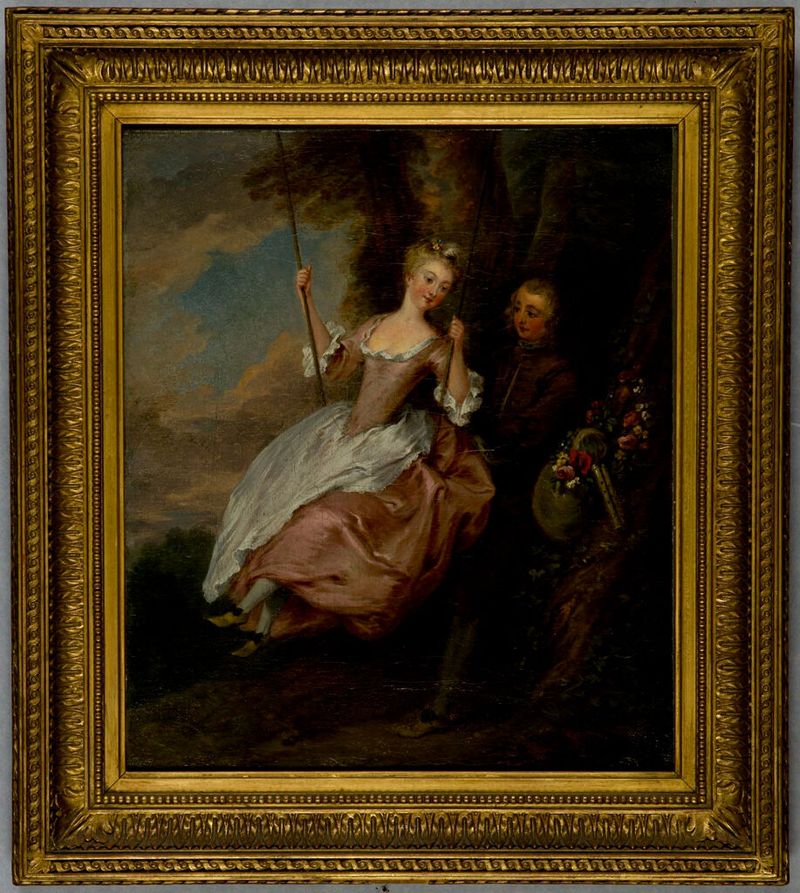
The Swing
Unidentified artist

Geoffrey Chaucer (1340?-1400)
Unidentified artist

Portrait of Michelangelo after the "Strozzi" original in the Uffizi Gallery
Unidentified artist
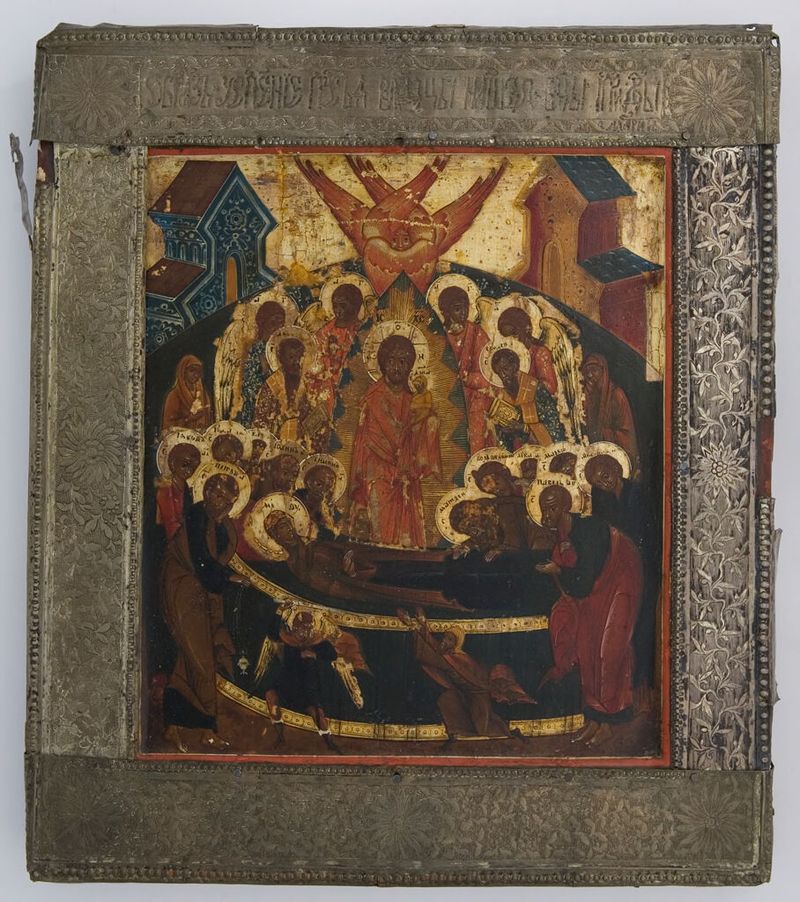
Dormition of the Virgin
Unidentified artist

Charles I (after a van Dyck painting in the Staatliche Museen, Gemaldegalerie, Dresden)
Unidentified artist

Madonna and Child
Unidentified artist

John Winthrop, the Younger (1606-1676)
Unidentified artist

Crucifix with the Virgin and Saint John the Evangelist, Christ the Redeemer, and a Praying Woman
Unidentified artist