
Gripsholm — History & Facts
Where does light end, and longing begin? In Gripsholm, the delicate interplay of illumination and shadow beckons us into a world suspended between reality and desire. Look to the right at the striking interplay of soft blues and warm yellows that define the evening sky, where clouds linger like whispers of unspoken thoughts. The silhouette of the castle rises elegantly against this ethereal backdrop, its turrets casting gentle reflections upon the tranquil waters below. Each brushstroke reveals Boberg's mastery with color and light, seamlessly blending the architectural grandeur with the serene landscape, creating a harmonious balance that captivates the eye. Within this serene tableau lies a depth that invites contemplation.
The juxtaposition of the sturdy castle and the fleeting nature of the evening sky hints at themes of permanence versus transience. As the light fades, a quiet tension emerges—an echo of nostalgia that speaks to the fragility of time and the yearning for connection. The stillness of the scene captures a moment of introspection, inviting viewers to explore their own feelings of longing and belonging. Ferdinand Boberg painted Gripsholm between 1915 and 1924, during a period when he was deeply engaged in architectural and landscape studies.
Living in Sweden, he was influenced by the emerging ideas of modernism while still drawing from traditional forms. This period in his life marked a significant evolution in his work, as he sought to merge the built environment with the natural world, crafting spaces that resonated with emotional depth and beauty.
More Artworks by Ferdinand Boberg
Browse all →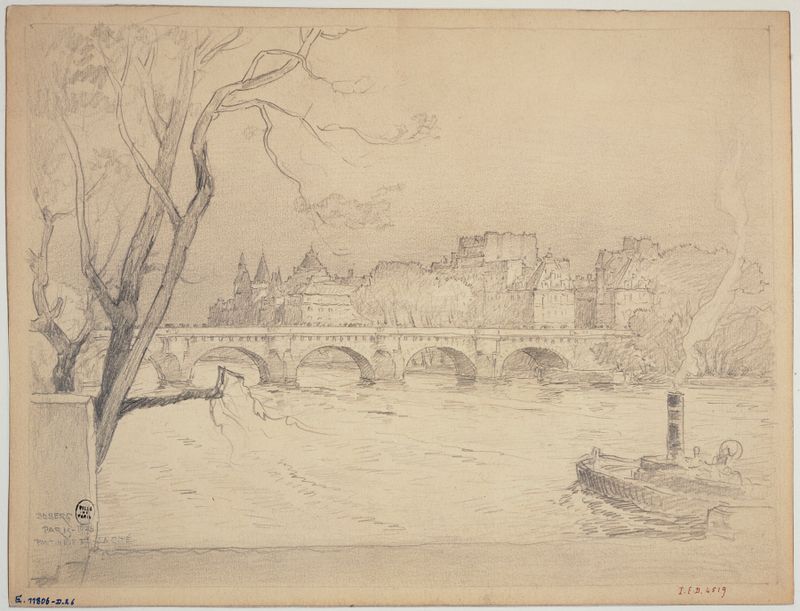
Le Pont-Neuf et la Cité
Ferdinand Boberg
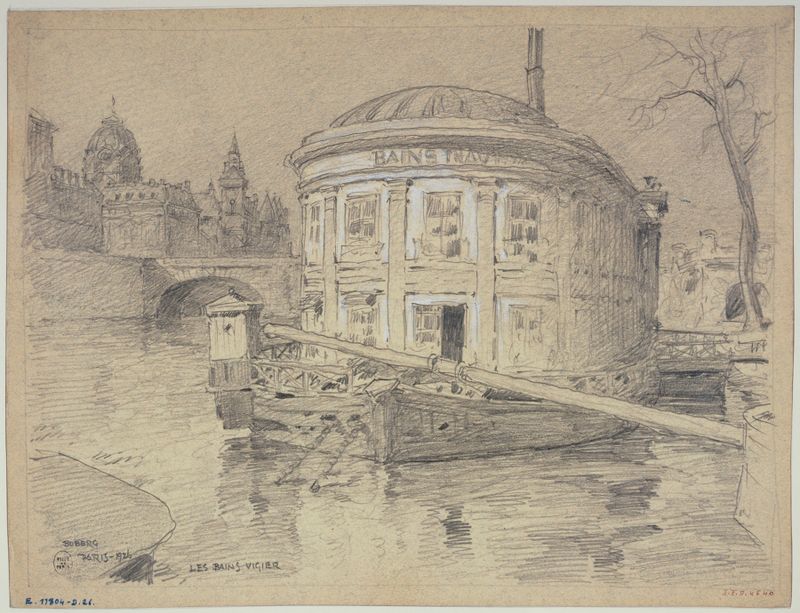
Les bains Vigier au Pont-Neuf
Ferdinand Boberg
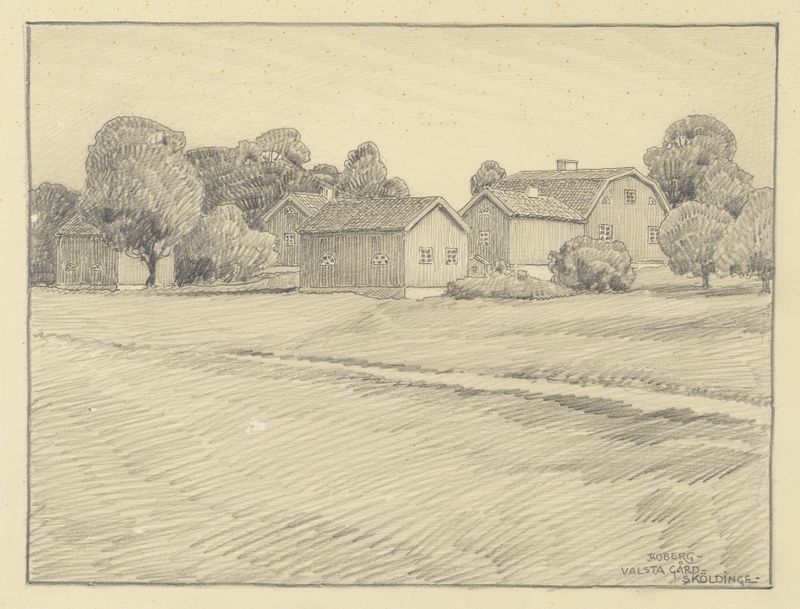
Valsta Gård
Ferdinand Boberg
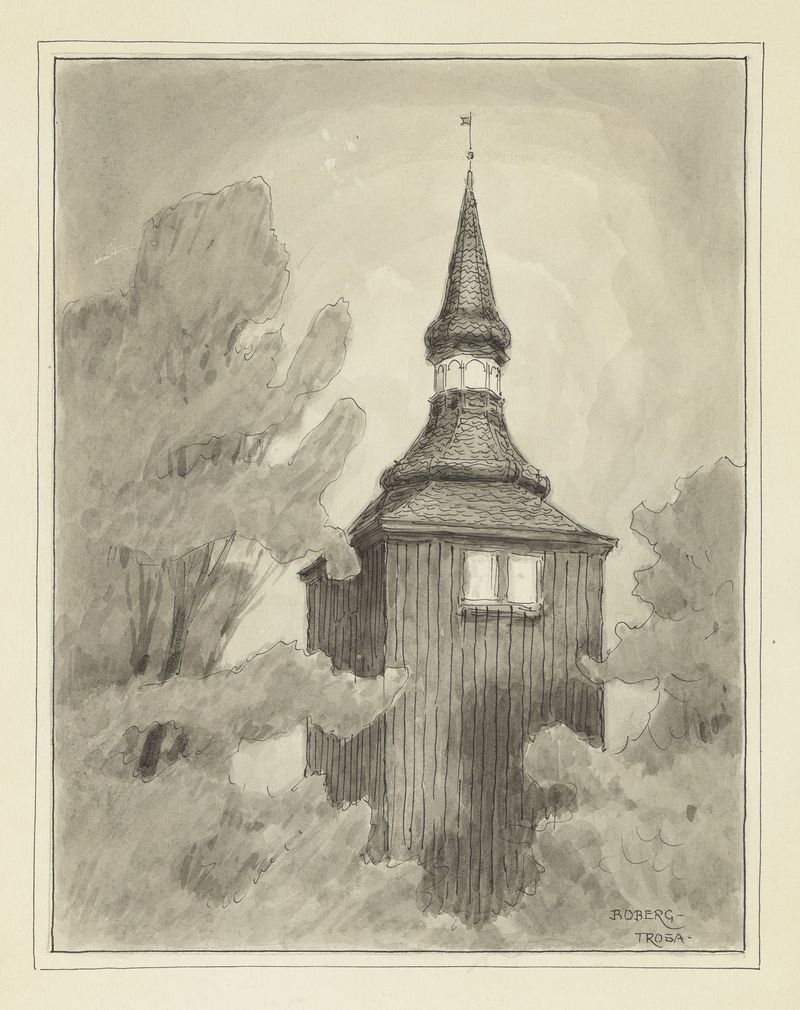
Trosa
Ferdinand Boberg
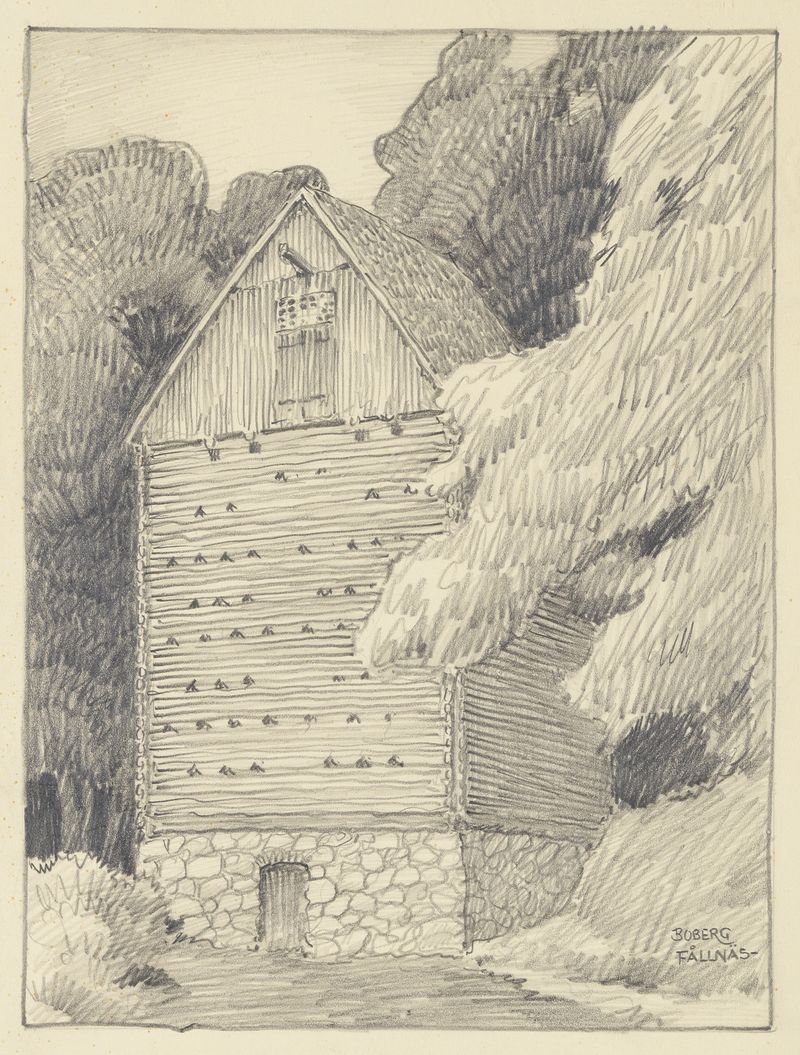
Fållnäs
Ferdinand Boberg
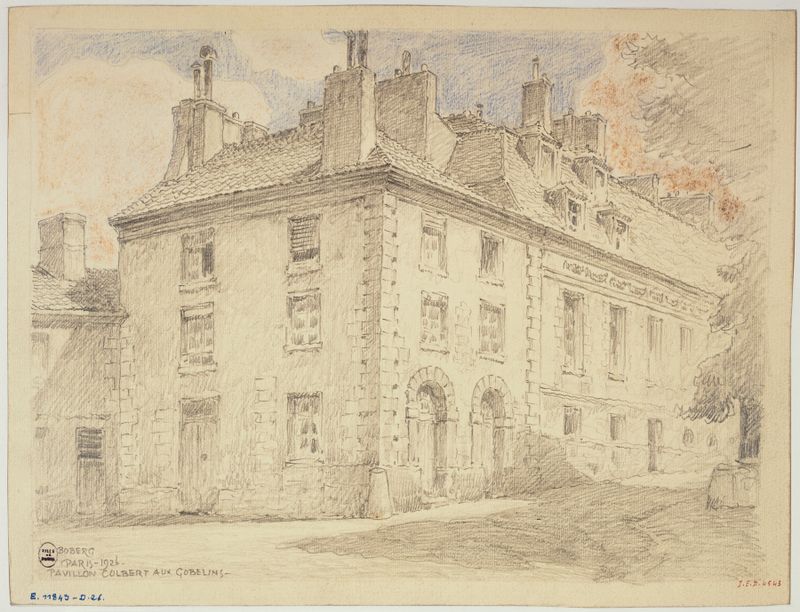
Le pavillon Colbert aux Gobelins
Ferdinand Boberg
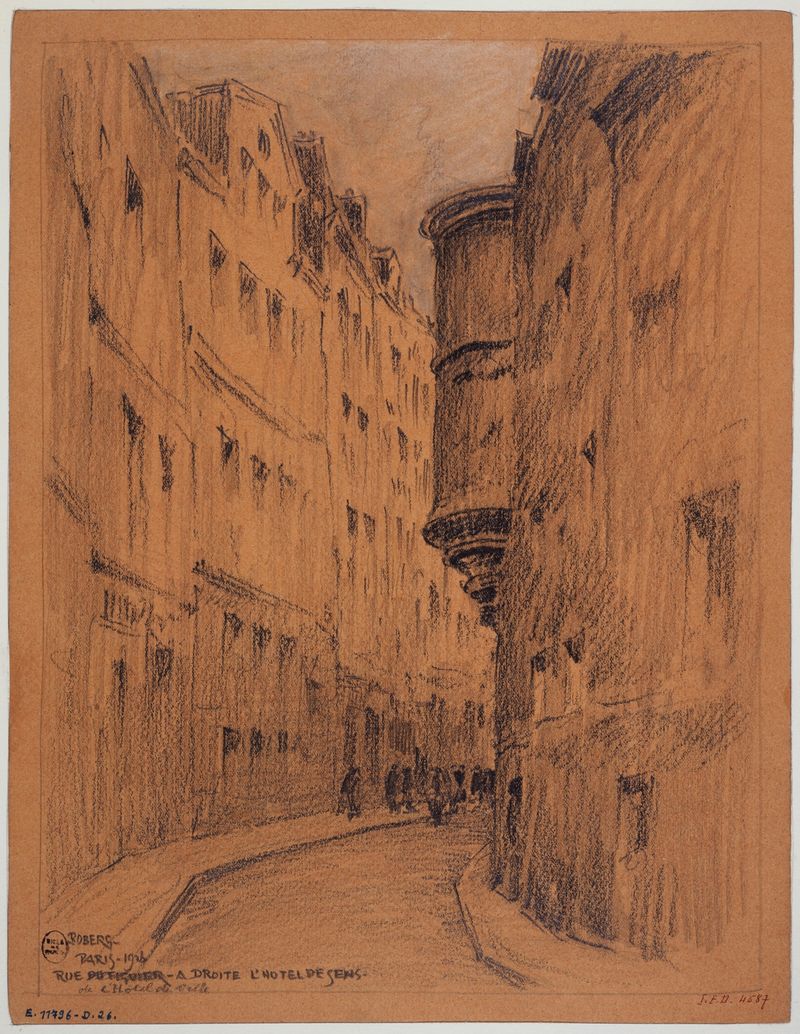
Rue de l’Hôtel de Ville; l’hôtel de Sens
Ferdinand Boberg
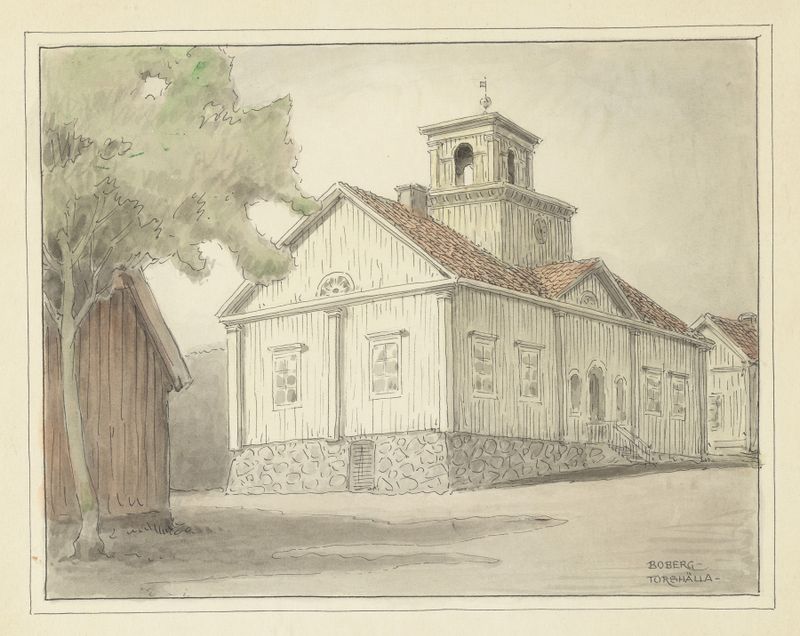
Torshälla
Ferdinand Boberg
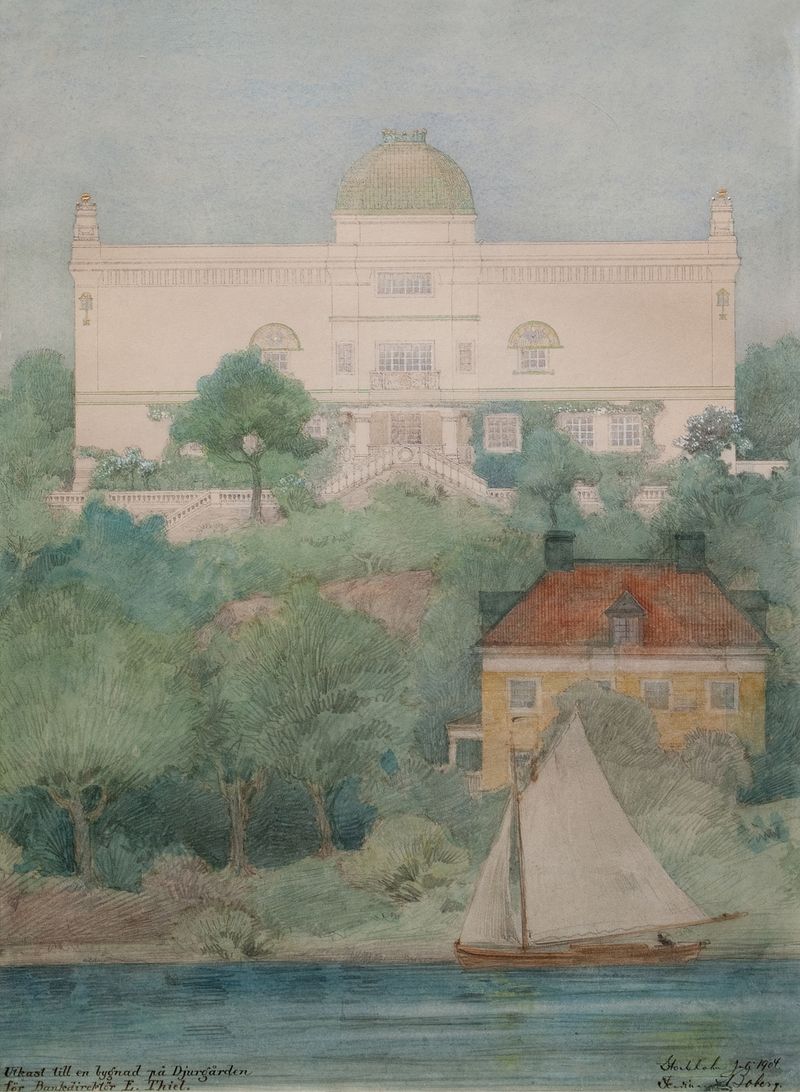
Sketch for a building for Thiel’s Gallery
Ferdinand Boberg
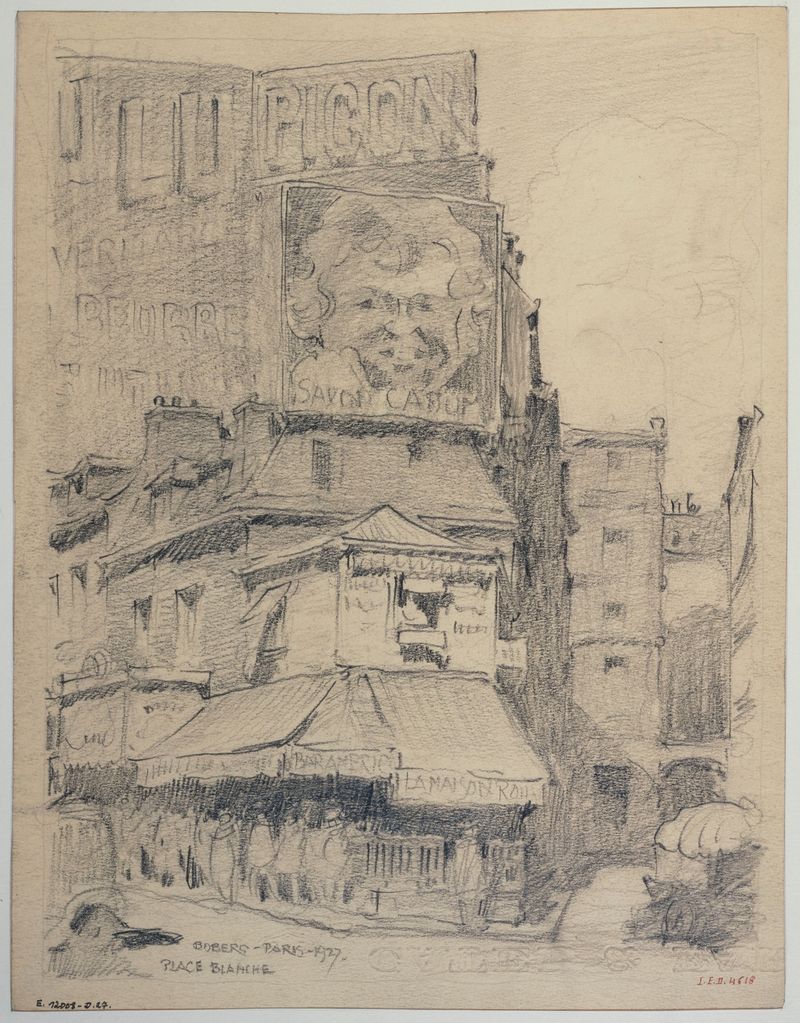
La place Blanche
Ferdinand Boberg





