
Gräser am Bachrand — History & Facts
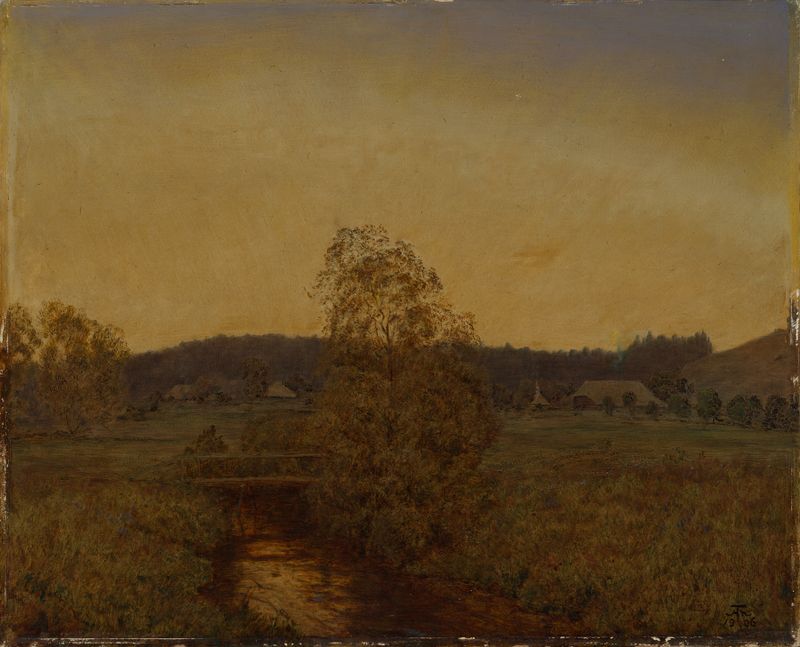
When did color learn to lie? In a world where nature often deceives our senses, Gräser am Bachrand captures the essence of illusion, blurring the line between reality and representation. Look to the left at the delicate blades of grass, their vibrant greens glowing under dappled sunlight. Notice how the artist uses a range of hues—from deep emerald to soft lime—to create a tapestry of texture that feels alive. The gentle ripples of the stream mirror this play of color, inviting your gaze to travel across the canvas, while the brushstrokes convey both meticulous detail and a sense of spontaneity, enhancing the scene's natural beauty. Yet beyond its surface, the painting whispers of deeper truths.
The juxtaposition of the lush grass against the reflective water suggests a duality; one that embodies both life and transience. The shimmering surface of the stream hints at the fleeting nature of existence, while the verdant grass stands as a testament to resilience. In the subtle interplay of light and shadow, Thoma seems to explore the tension between permanence and impermanence, evoking a quiet contemplation of nature's cycles. In 1862, Thoma painted Gräser am Bachrand during a period of personal growth and exploration in the art world.
Living in Germany, he was influenced by the burgeoning Romantic movement, which emphasized emotion and the sublime beauty of nature. This work represents his mastery in depicting landscapes, as well as an evolving dialogue between realism and idealism that marked the era.
More Artworks by Hans Thoma
Browse all →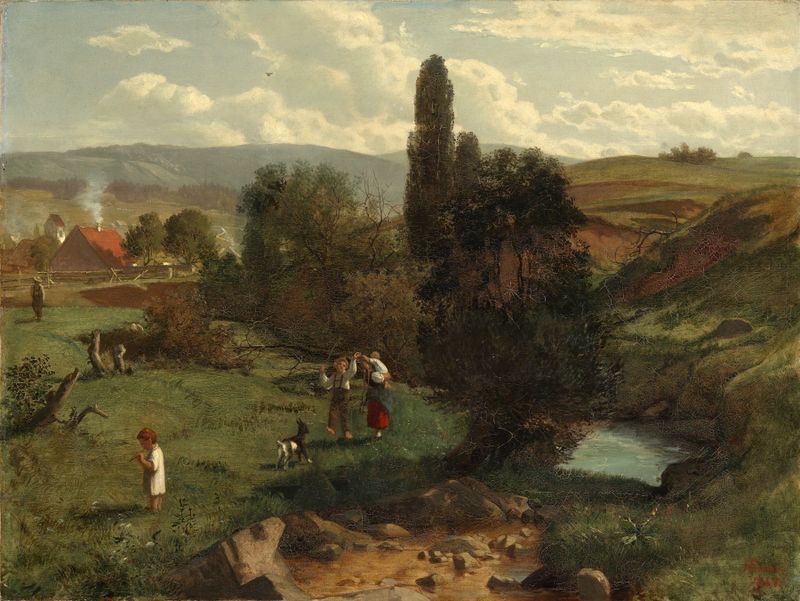
Schwarzwaldlandschaft
Hans Thoma
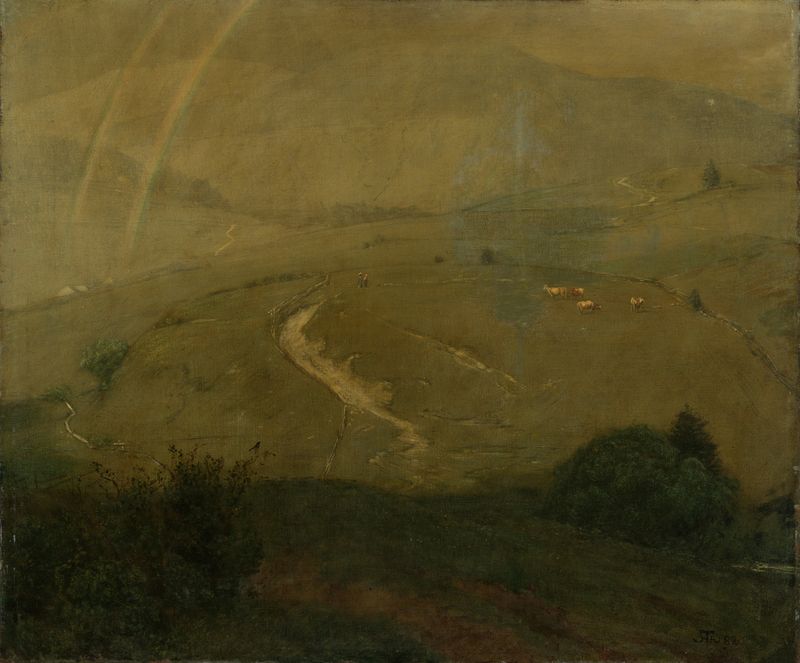
Regen im Schwarzwald
Hans Thoma
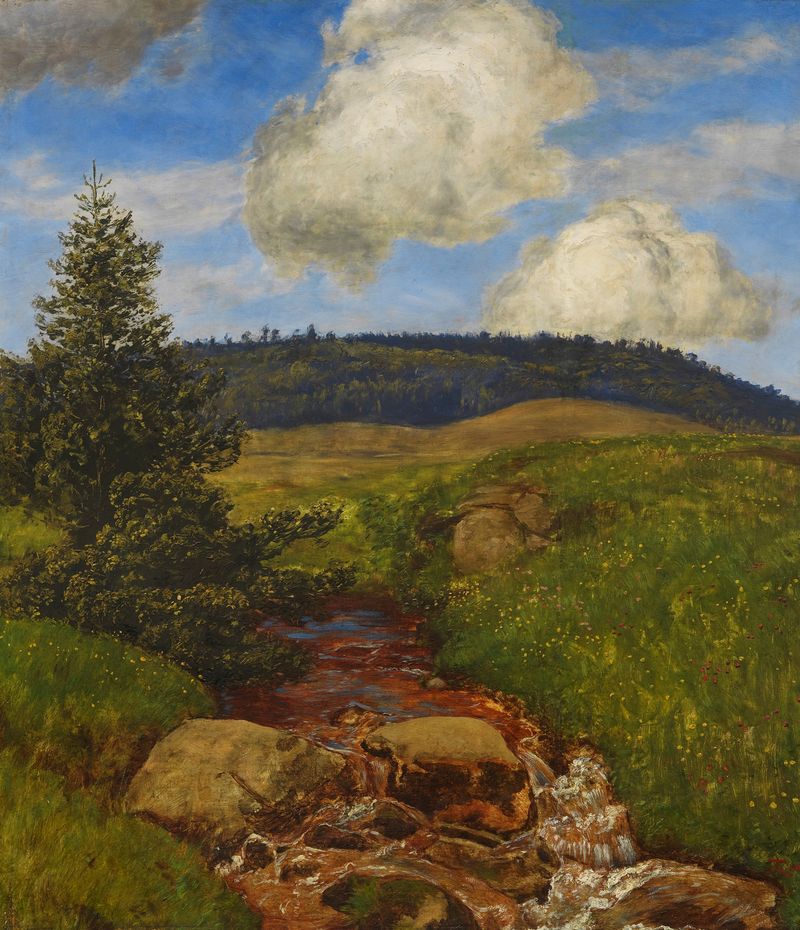
Schwarzwaldbach
Hans Thoma
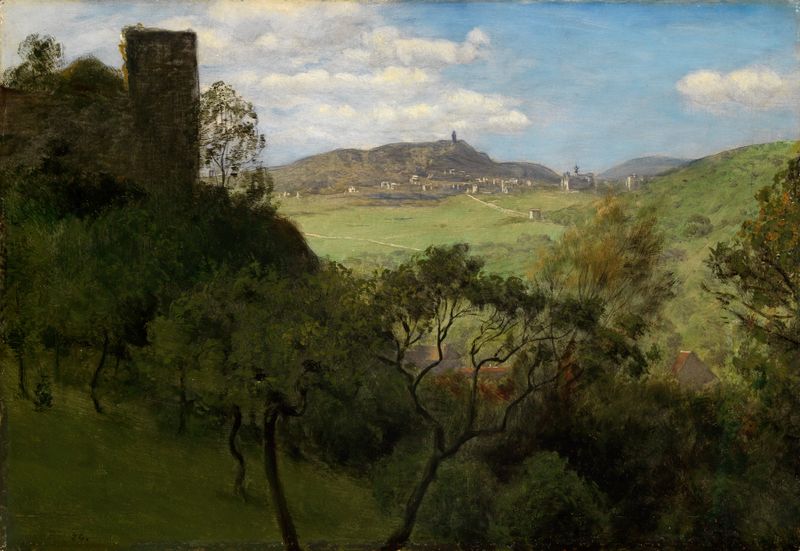
Blick auf Falkenstein im Taunus
Hans Thoma
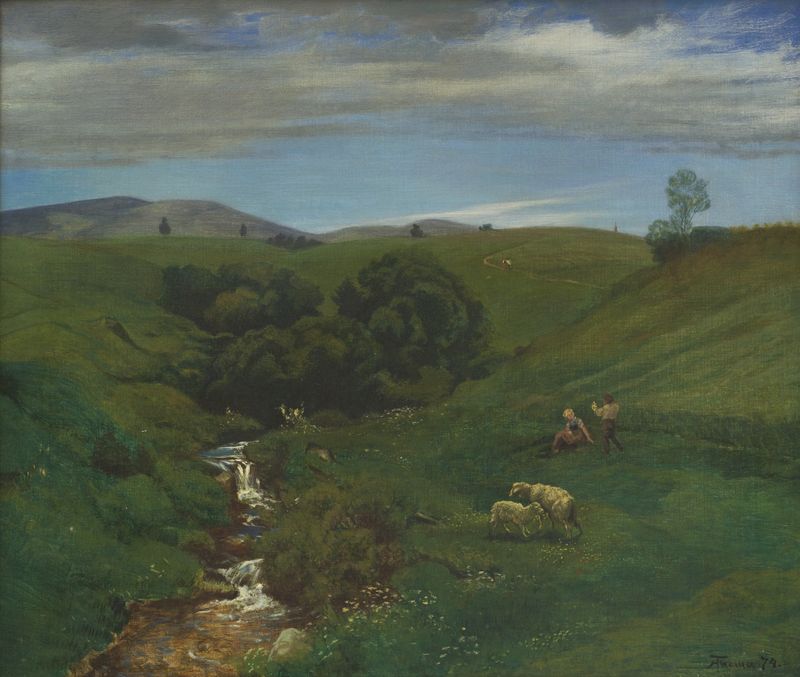
Black Forest Meadow near Bernau
Hans Thoma
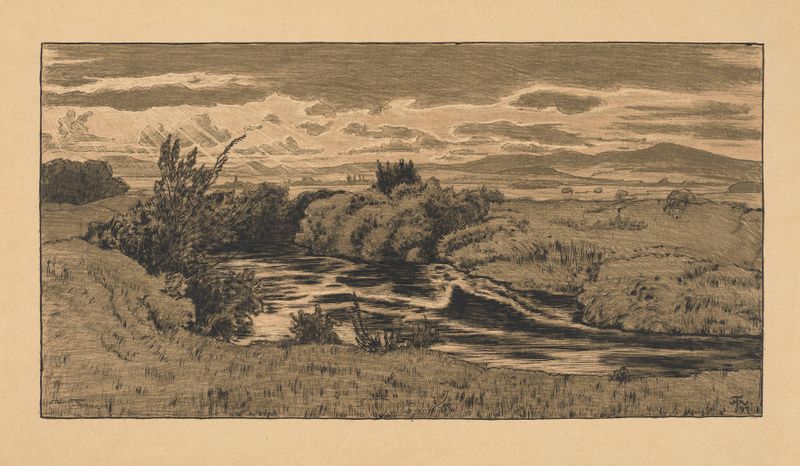
Evening by the Nidda River
Hans Thoma
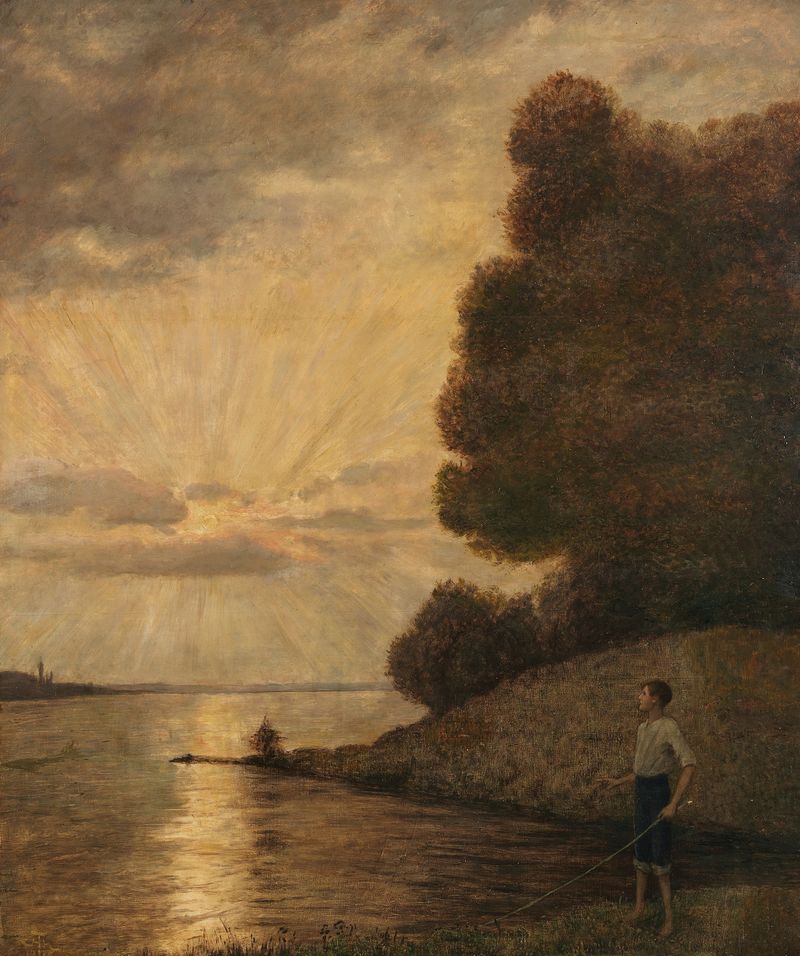
Sonnenuntergang am Oberrhein
Hans Thoma
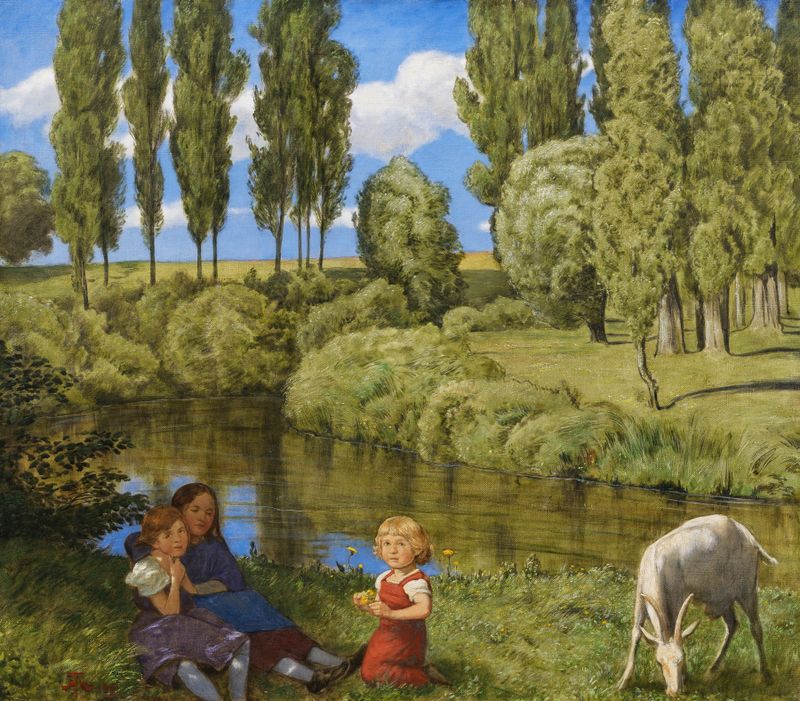
Am Stillen Bach
Hans Thoma
Der Abendstern
Hans Thoma
Das Rheintal bei Säckingen
Hans Thoma





