
Gräser zwischen Felsen — History & Facts
The gentle sway of grass amid rugged stones whispers of forgotten moments, evoking a nostalgia that lingers in the air like a fading memory. In a world often consumed by noise, this serene tableau invites reflection, urging one to pause and listen. Look to the lower center, where wisps of grass emerge, intertwining with the jagged edges of the rocky outcrop. The delicate greens of the foliage stand in stark contrast to the gritty, weathered grays and browns of the stones.
Notice how the soft light caresses the blades, illuminating their fragile beauty and imbuing the scene with a sense of life amidst the harshness. The composition draws the eye along the subtle curves of the grass, creating an undercurrent of movement that feels both tranquil and dynamic. Hidden meanings emerge as the viewer contemplates the interplay between the softness of nature and the unforgiving strength of the rock. There is a tension between resilience and fragility, suggesting that survival often thrives in the most unlikely of places.
The grass, though seemingly weak, finds a way to flourish, symbolizing hope and the quiet tenacity of life. This duality reflects the constant cycle of growth and decay, intertwining nostalgia with the present moment. Hans Thoma painted Gräser zwischen Felsen in 1863 when he was deeply engaged with portraying rural life and nature. At this time, he resided in Germany, where the Romantic movement was blossoming, focusing on the beauty of the natural world and the emotional connections it evokes.
This painting emerged from his desire to capture fleeting moments that resonate with human experience, inviting viewers to reflect on their own ties to the past.
More Artworks by Hans Thoma
Browse all →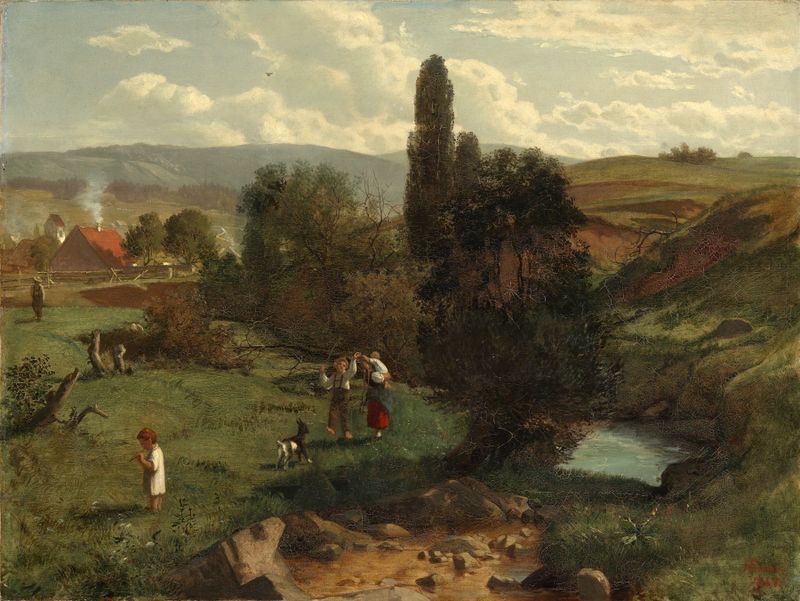
Schwarzwaldlandschaft
Hans Thoma
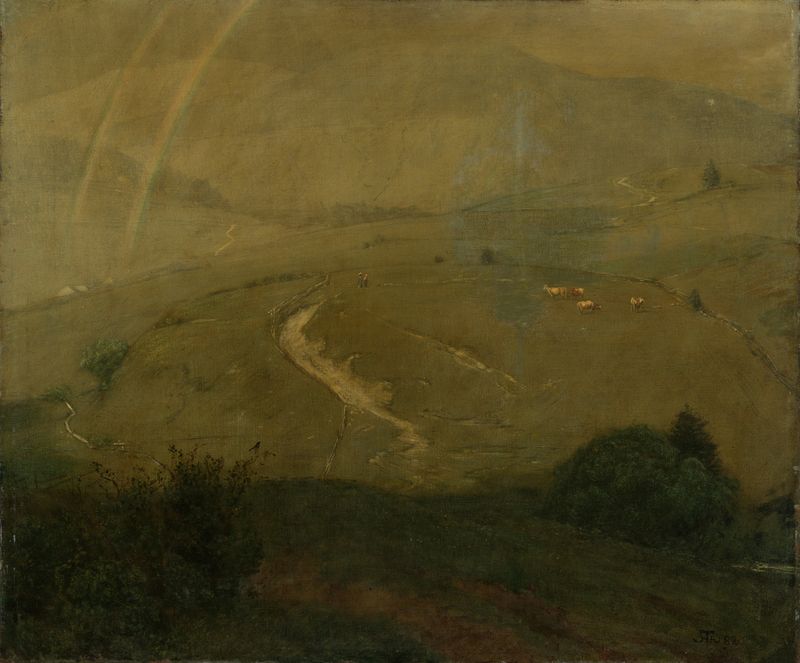
Regen im Schwarzwald
Hans Thoma
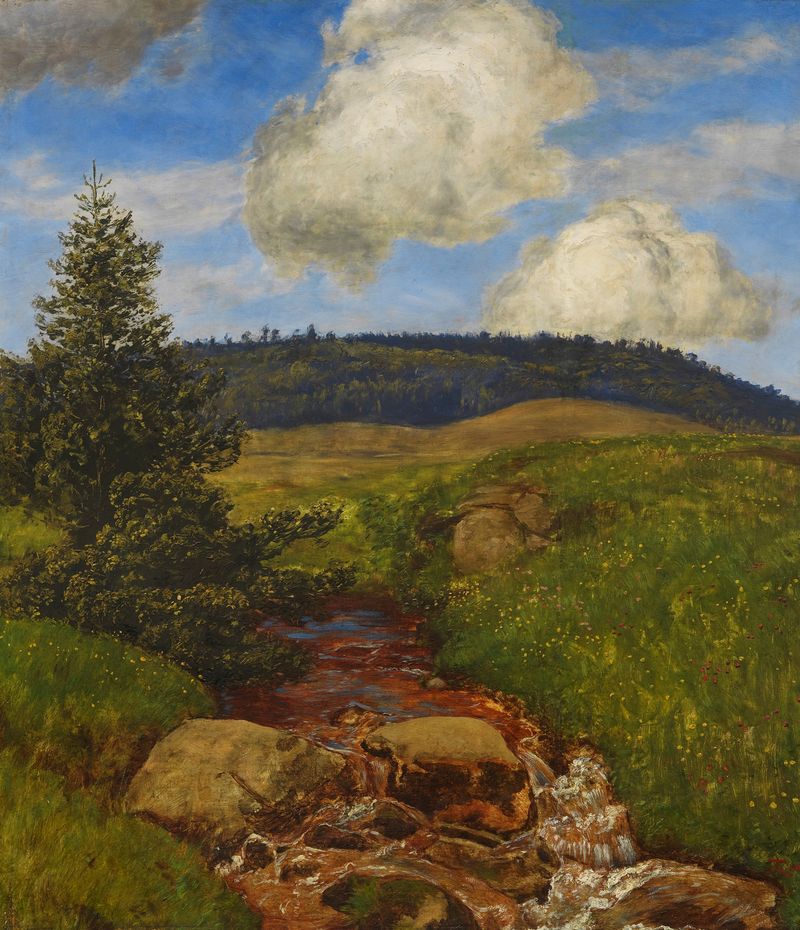
Schwarzwaldbach
Hans Thoma
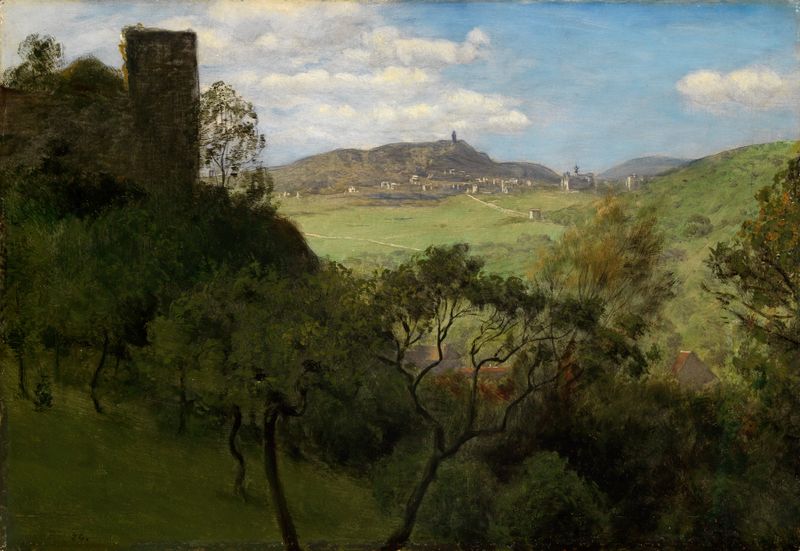
Blick auf Falkenstein im Taunus
Hans Thoma
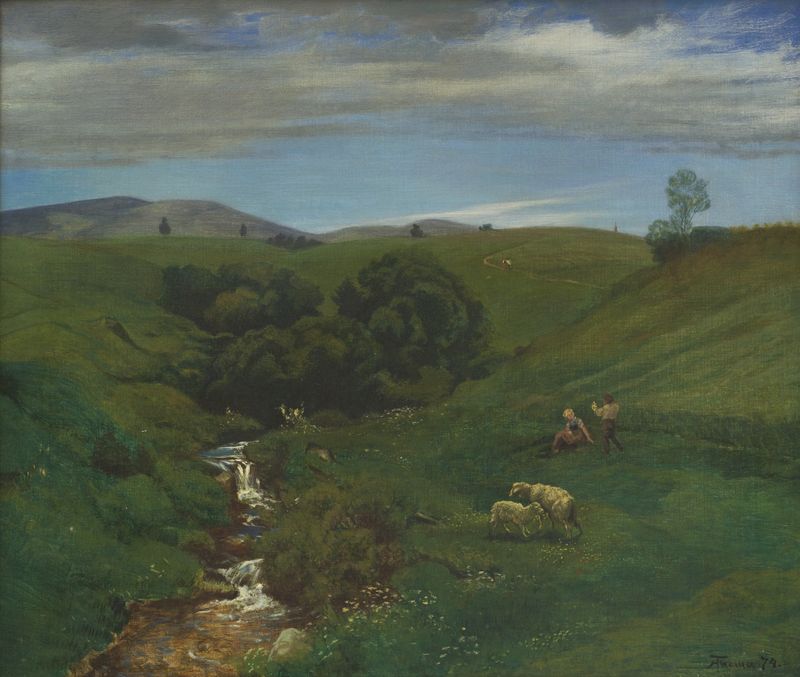
Black Forest Meadow near Bernau
Hans Thoma
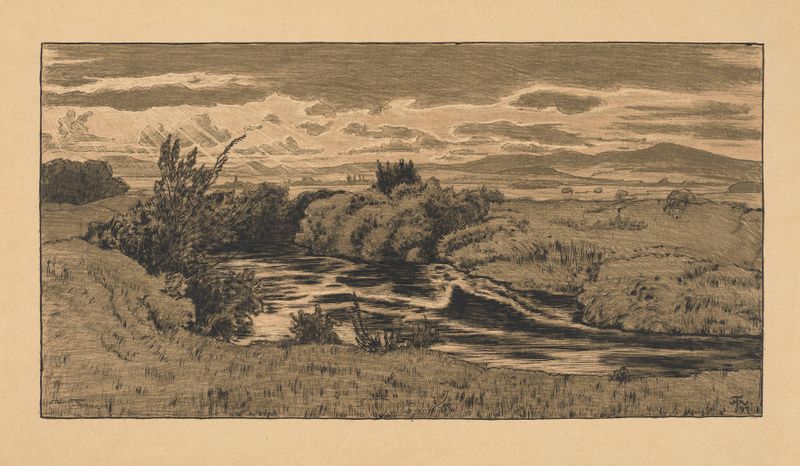
Evening by the Nidda River
Hans Thoma
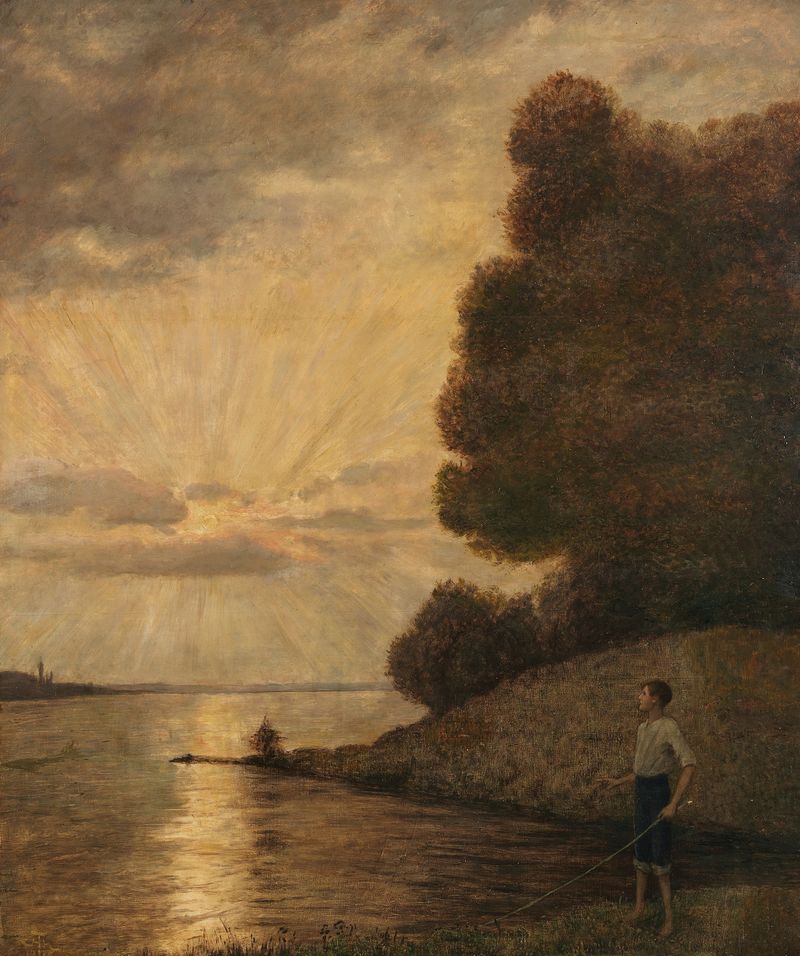
Sonnenuntergang am Oberrhein
Hans Thoma
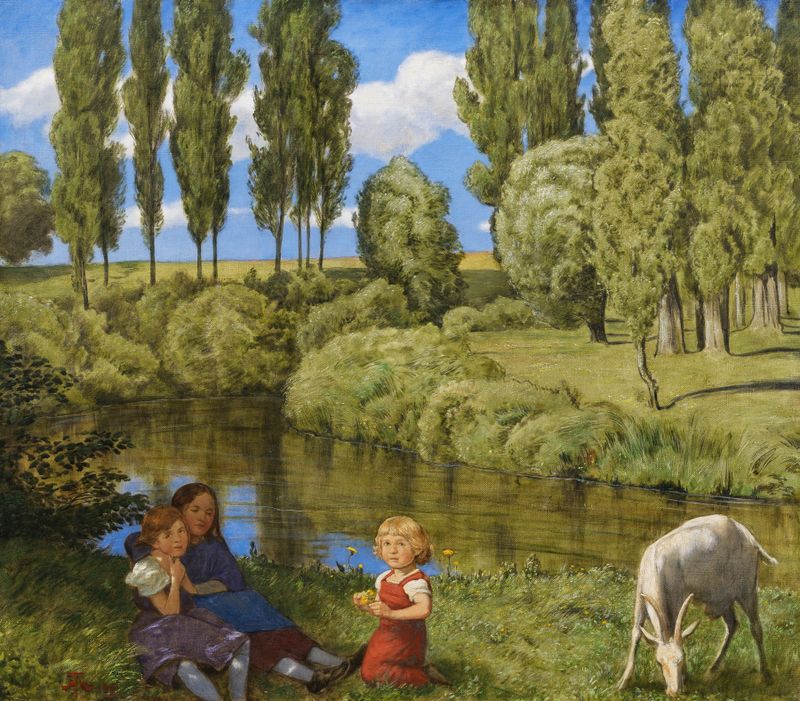
Am Stillen Bach
Hans Thoma
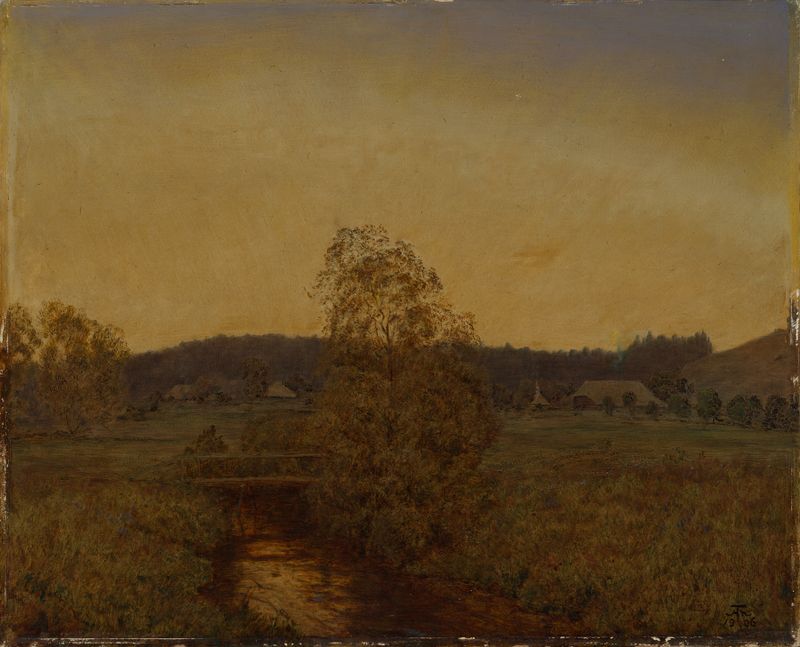
Der Abendstern
Hans Thoma
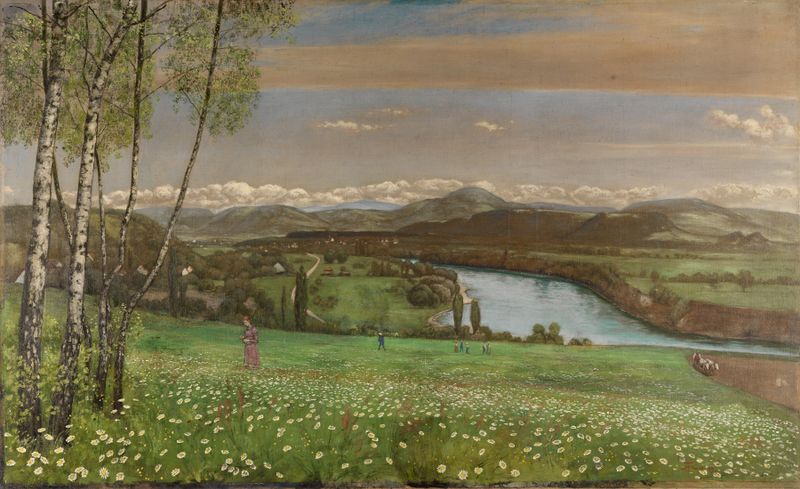
Das Rheintal bei Säckingen
Hans Thoma





