Gustave Coûteaux’s Country Estate — History & Facts
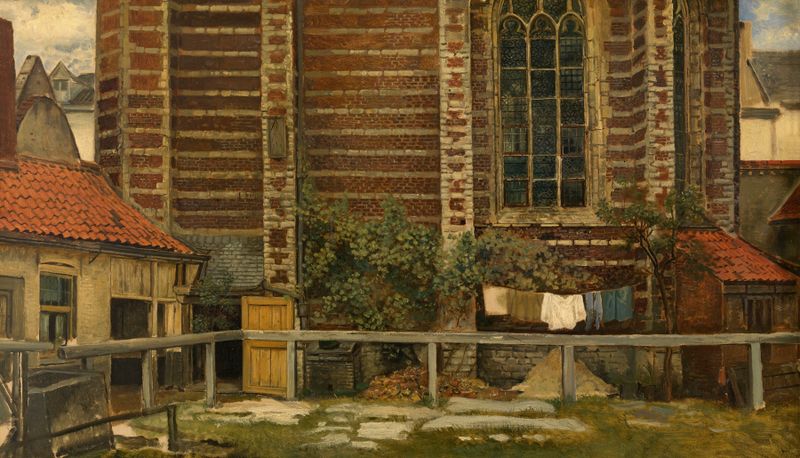
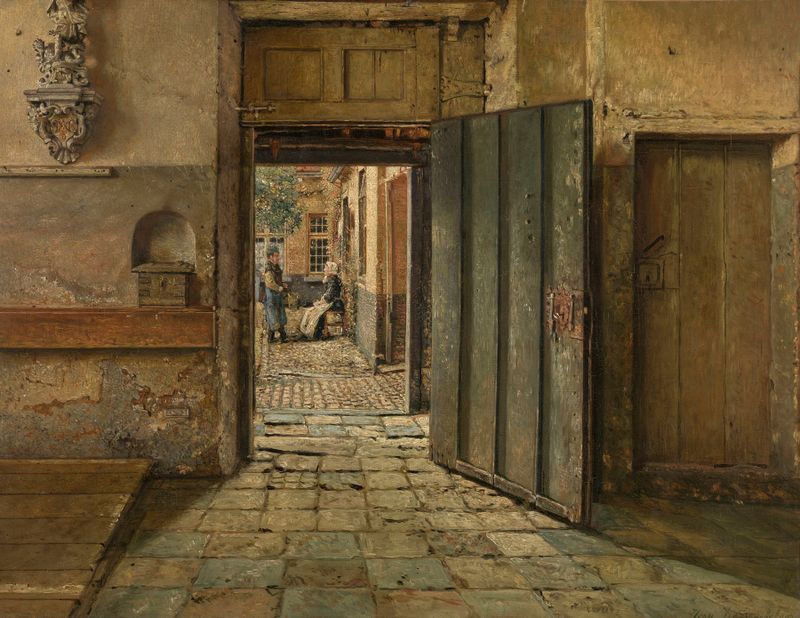
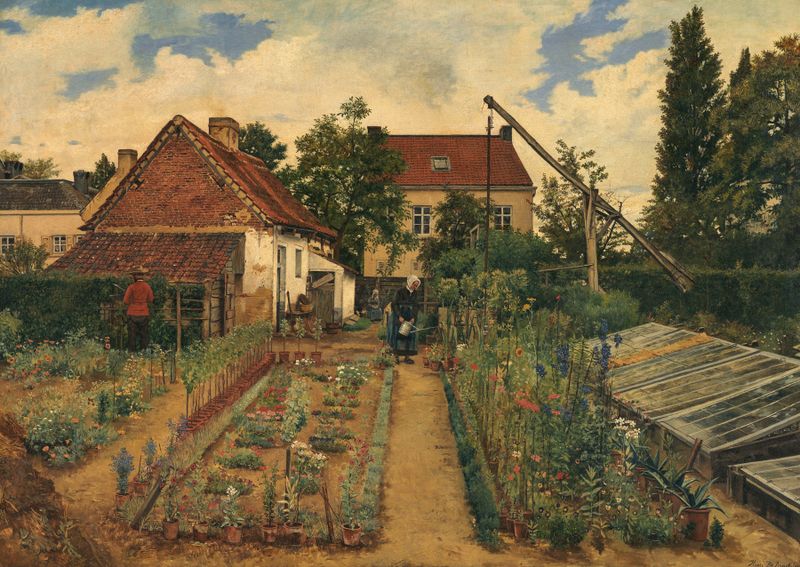
What if beauty was never meant to be finished? In the quiet stillness of Country Estate, the haunting shadows play a duet with light, revealing a world suspended between reality and aspiration. Look to the left at the graceful lines of the estate's architecture, where soft greens and earthy tones intertwine. The meticulously painted windows glimmer with a subtle light, hinting at life inside, while the meticulously rendered trees cast elongated shadows across the lawn, suggesting the passage of time. The careful balance of light and dark emphasizes the serene yet melancholic atmosphere, inviting a sense of longing for the untold stories hidden within those walls. In this composition, the interplay of shadow and light creates a tension between permanence and transience.
The estate stands as a testament to human achievement, yet the encroaching shadows whisper of inevitable decay. The delicate brushwork juxtaposes the solidity of the structures against the ephemeral qualities of nature, where each leaf and blade of grass seems to breathe with a quiet vibrancy, adding depth to the narrative. This duality evokes feelings of nostalgia and contemplation, urging viewers to ponder the fleeting essence of beauty. Henri de Braekeleer painted Country Estate during a time when he was deeply influenced by the burgeoning Realist movement.
Active in Belgium in the late 19th century, he sought to depict the world with authenticity, capturing the essence of everyday life and the landscapes that surrounded him. Amidst a changing world of art, his work served as a bridge between romantic ideals and the emerging focus on realism, positioning him as a notable figure in his artistic milieu.