
H. Catharina — History & Facts
In our quiet moments of solitude, do we not seek the beauty that lingers in loneliness? Focus on the delicate figure at the center of the work, poised elegantly yet seemingly burdened by unspoken thoughts. The soft lines and gentle curves create a contrast against the stark background, drawing your attention first to her wistful expression. Notice how the light delicately caresses her features, illuminating the contours of her face while leaving the edges in shadow, hinting at the emotional depth hidden within. As you delve deeper, observe the intricate details that Hollar employed—the lace trim of her garment and the delicate hands that cradle her chin.
These elements whisper of a life steeped in refinement yet echo a profound sense of isolation. The muted palette evokes melancholy, while the figure’s poised yet introspective stance captures the tension between the beauty of her existence and the loneliness that pervades it. Each element forms a dialogue, suggesting that solitude can be both a sanctuary and a prison. Created between 1644 and 1652, this piece emerged during a time when Wenceslaus Hollar was navigating his own tumultuous experiences in exile from his native Czech lands.
Living in England, he became a prominent figure in the art world, mastering etching and printmaking. Amidst a backdrop of political upheaval and personal loss, Hollar’s works like this one convey not only artistic prowess but also the artist’s contemplation of human emotions and solitude.
More Artworks by Wenceslaus Hollar
Browse all →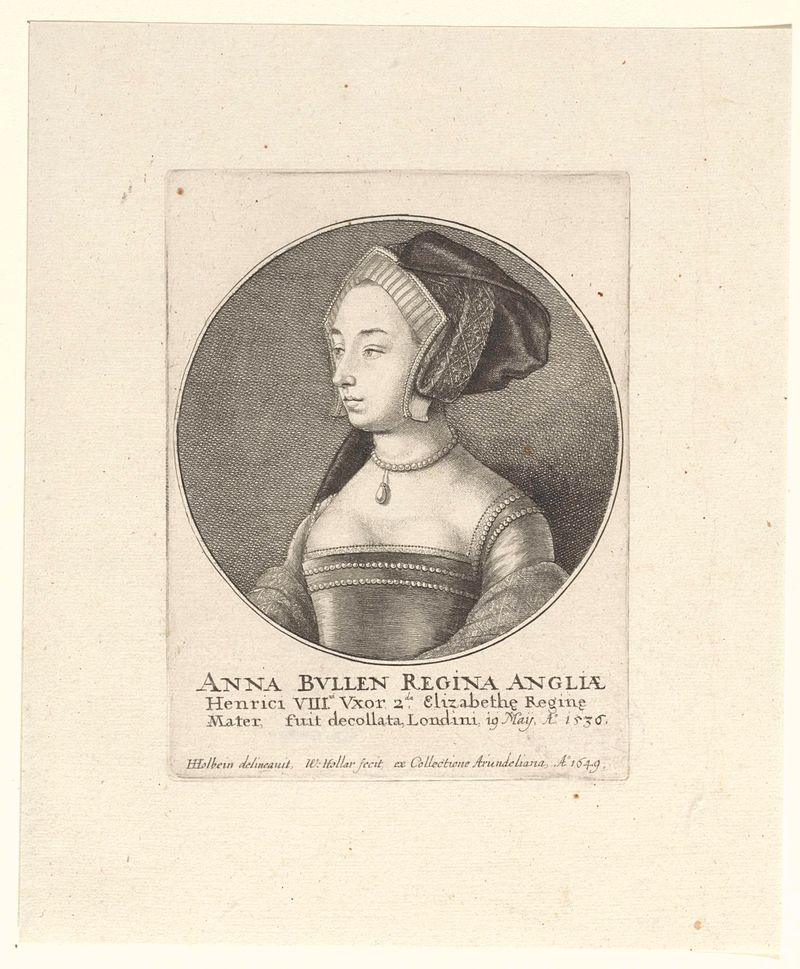
Portret van Anna Boleyn, koningin van Engeland
Wenceslaus Hollar
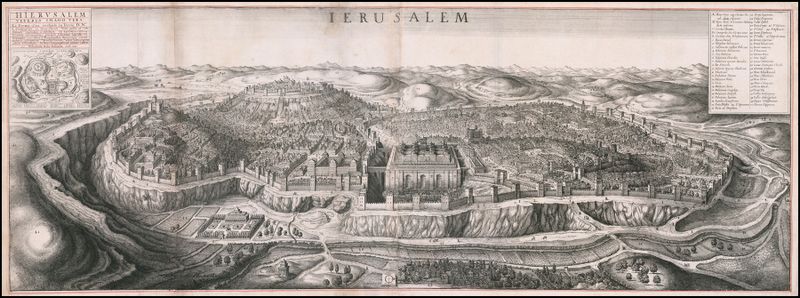
Bird’s eye view of Jerusalem
Wenceslaus Hollar
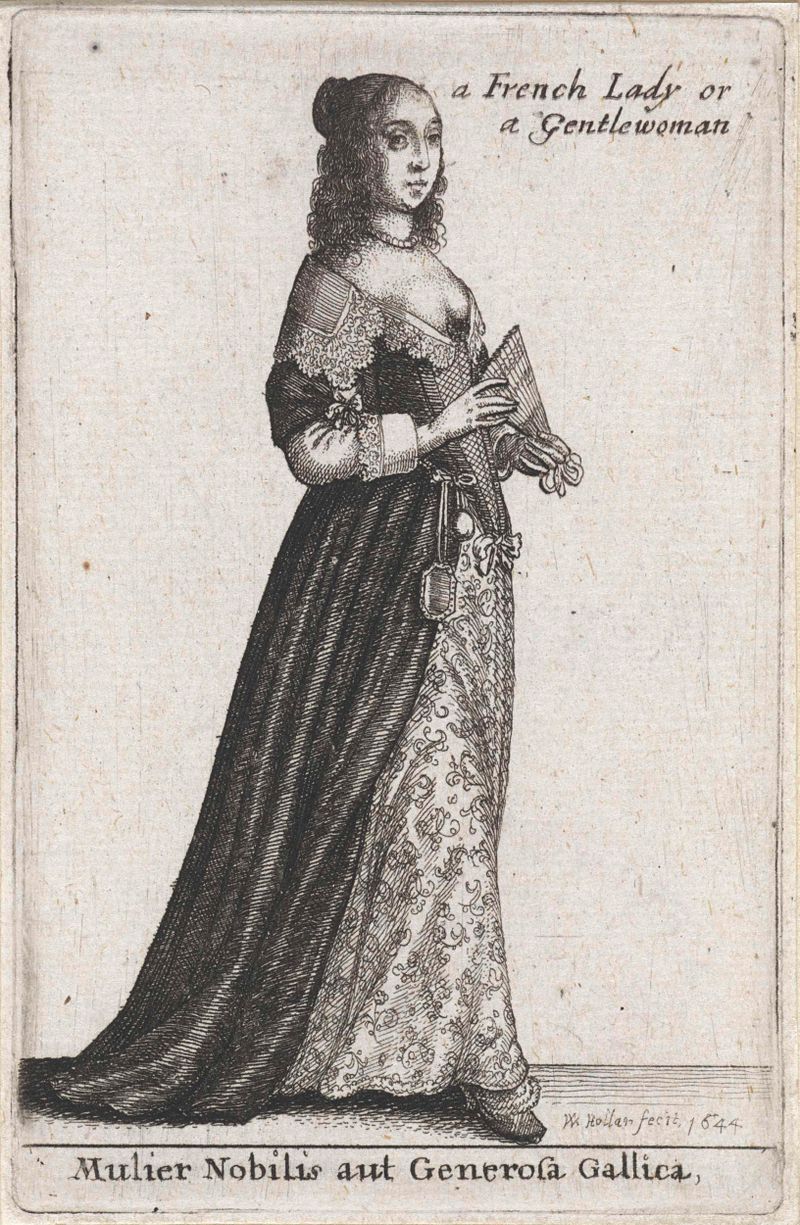
Mulier Nobilis aut Generosa Gallica / a French Lady or Gentlewoman
Wenceslaus Hollar
Titelprent voor: Ornatus Muliebris Anglicanus
Wenceslaus Hollar
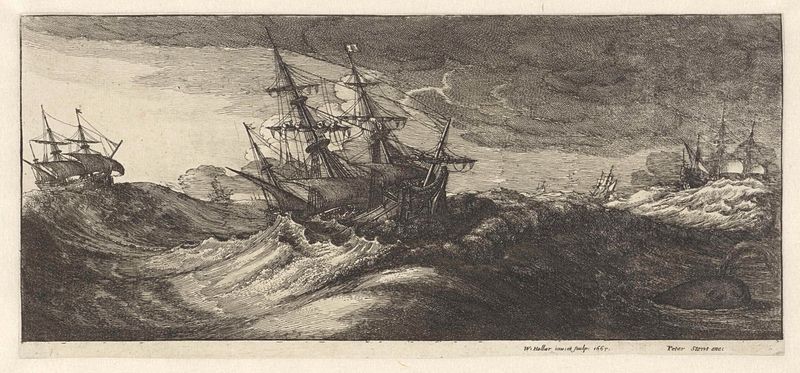
Oorlogsschepen en een walvis in een zeestorm
Wenceslaus Hollar
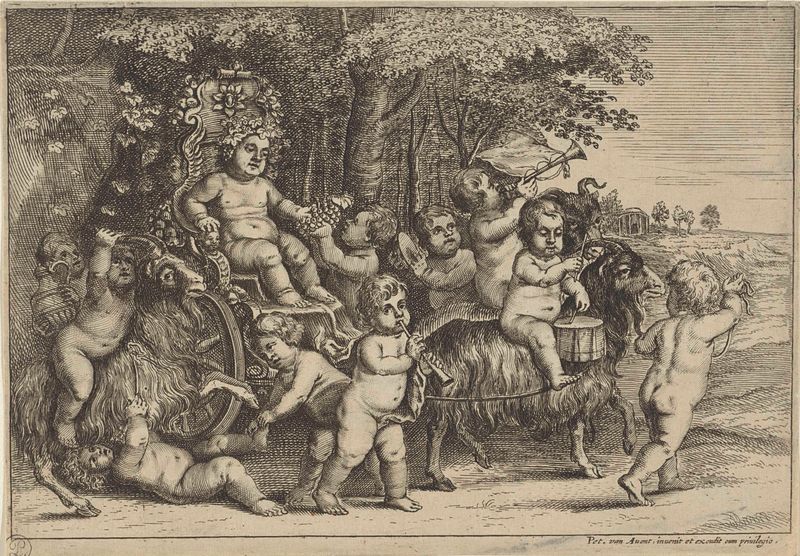
Optocht van bacchant en jongetjes op geiten
Wenceslaus Hollar
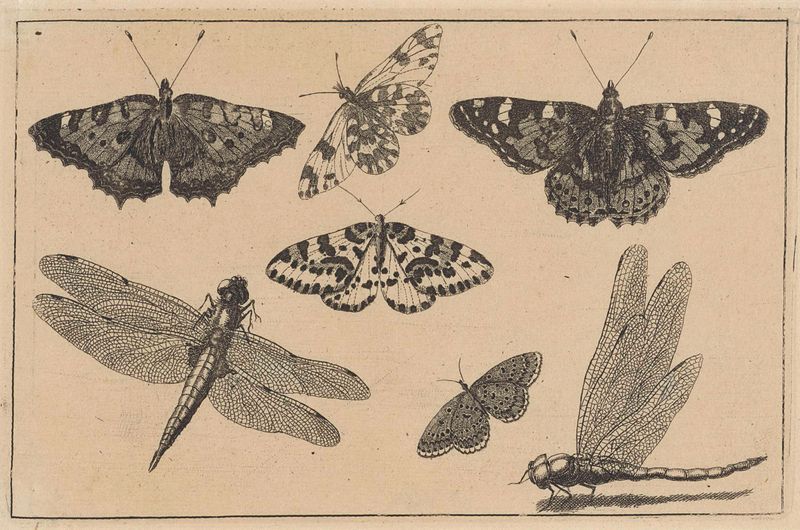
Twee libellen en vijf vlinders
Wenceslaus Hollar
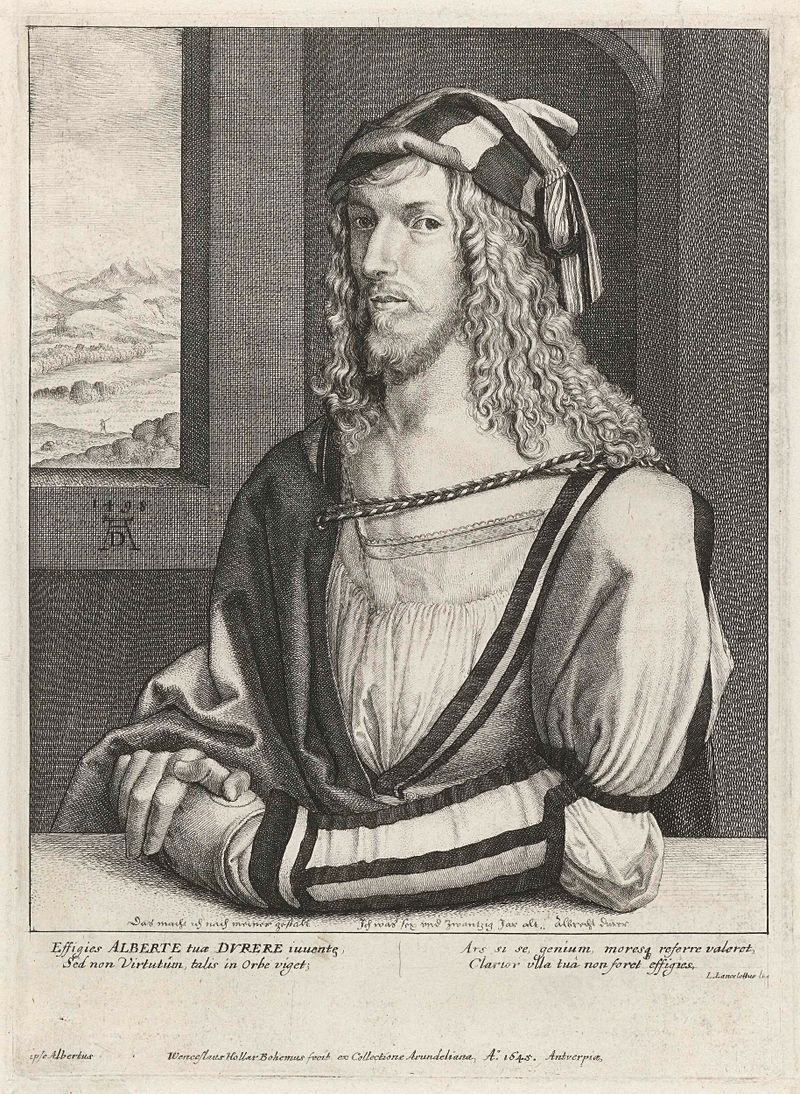
Portret van Albrecht Dürer
Wenceslaus Hollar
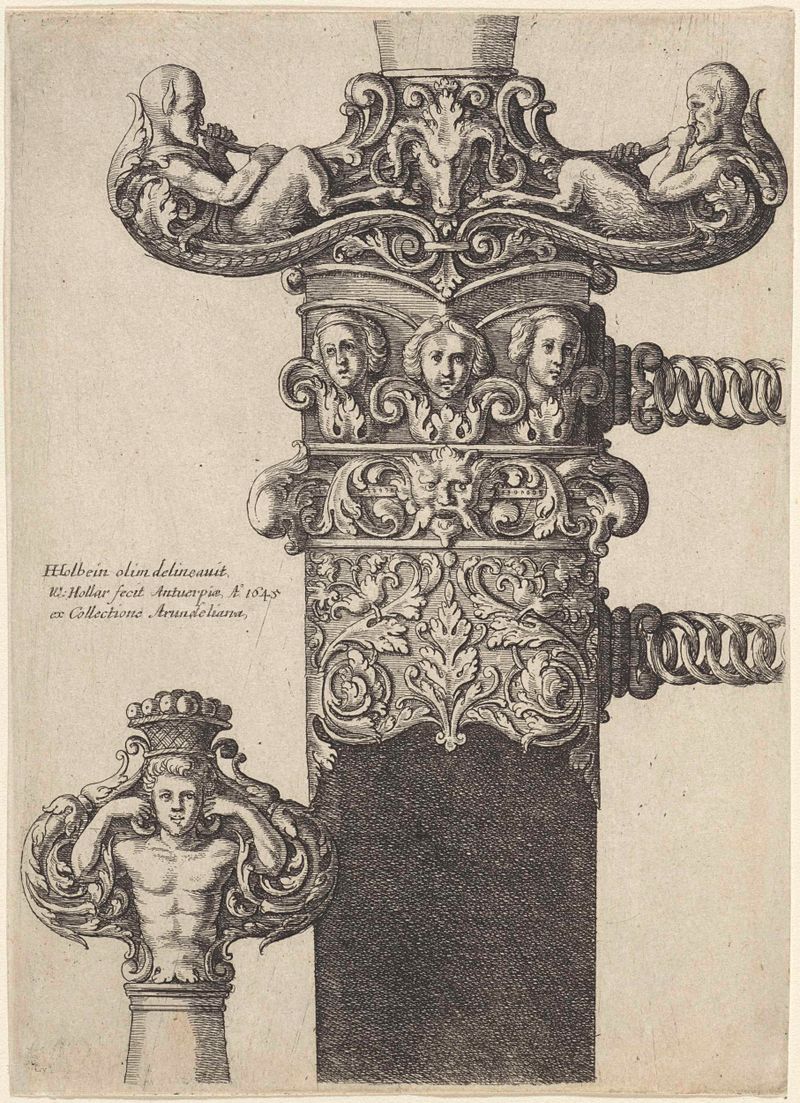
Ornamenteel ontwerp voor een dolk
Wenceslaus Hollar
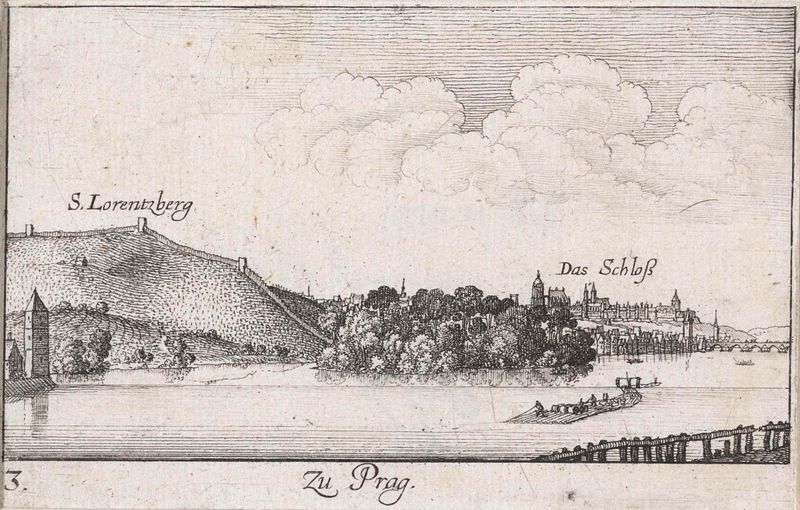
Gezicht op Praag vanaf de Moldau
Wenceslaus Hollar
More Portrait Art
Browse all →
Las meninas
Diego Velázquez

Self-portrait with a Bandaged Ear and Pipe
Unidentified artist

Girl with a Pearl Earring
Johannes Vermeer

The Sampling Officials of the Amsterdam Drapers’ Guild, Known as ‘The Syndics’
Rembrandt van Rijn

The Hundred Guilder Print: the man seen on the back in the lower left corner
Rembrandt van Rijn

Portrait of Dr Gachet
Vincent van Gogh