
H. Christoffel — History & Facts
Can beauty exist without sorrow? In the intricate lines and shadows of a single work, the duality of human experience is laid bare, awakening the depths of our emotions. Look closely at the delicate etching unfolding on the page. Focus on the figure at the center, a serene woman adorned in flowing garments, her eyes gazing beyond the confines of the image. Notice how the intricate hatching creates a dance of light and shadow across her form, lending her an ethereal quality.
The soft, muted tones juxtaposed with sharper contrasts reveal Hollar's mastery of technique, drawing your eye not just to the figure but to the delicate foliage that cradles her, inviting contemplation on the relationship between nature and the human spirit. Upon further inspection, discover the quiet tension woven into the details. The woman's expression is one of pensive grace, hinting at untold stories and the weight of unseen burdens. The surrounding flora appears both nurturing and wild, suggesting the coexistence of beauty and chaos.
This duality speaks to the ephemeral nature of life, the constant dance between joy and sorrow, where moments of awakening often arise from the depths of struggle. Wenceslaus Hollar created this work in 1642, a time when he was establishing himself in England after fleeing the Thirty Years' War in his homeland. Amidst a tumultuous political landscape, Hollar's artistry flourished, reflecting the intricate interplay of beauty and despair. This piece embodies not only his technical prowess but also a profound exploration of the human condition, resonating through the ages.
More Artworks by Wenceslaus Hollar
Browse all →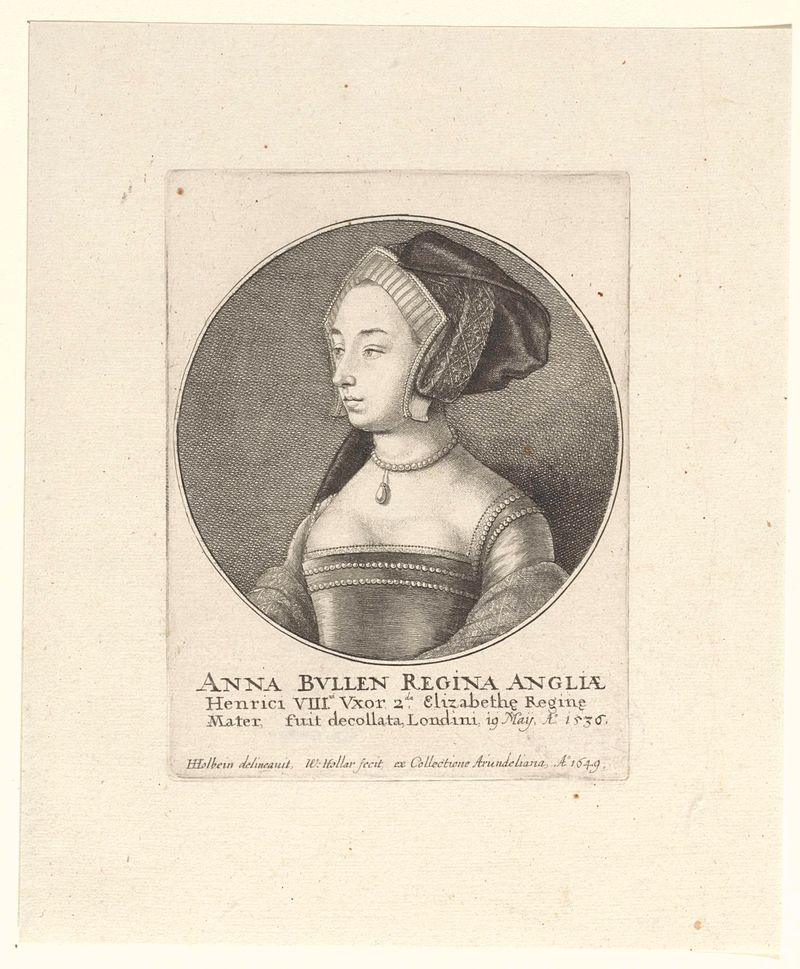
Portret van Anna Boleyn, koningin van Engeland
Wenceslaus Hollar
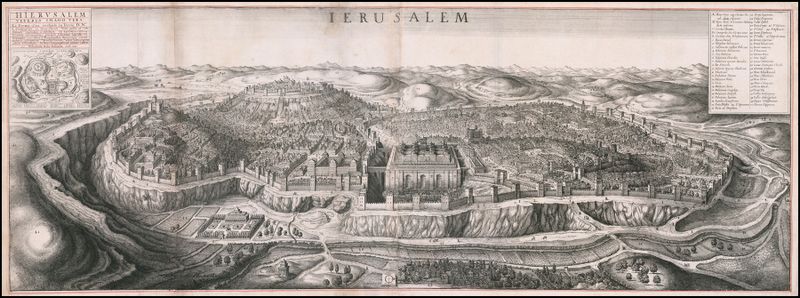
Bird’s eye view of Jerusalem
Wenceslaus Hollar
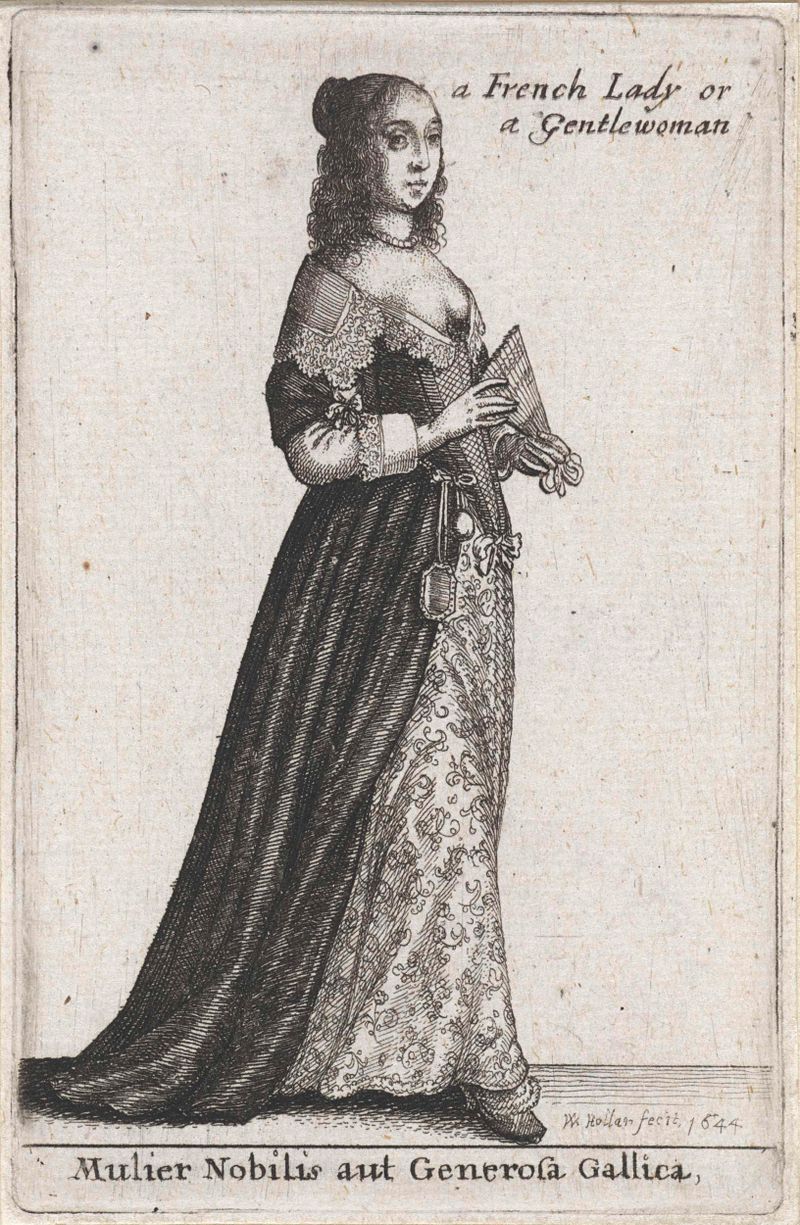
Mulier Nobilis aut Generosa Gallica / a French Lady or Gentlewoman
Wenceslaus Hollar
Titelprent voor: Ornatus Muliebris Anglicanus
Wenceslaus Hollar
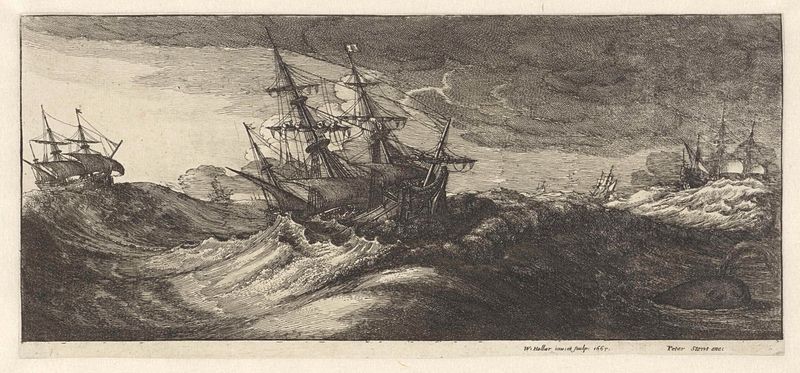
Oorlogsschepen en een walvis in een zeestorm
Wenceslaus Hollar
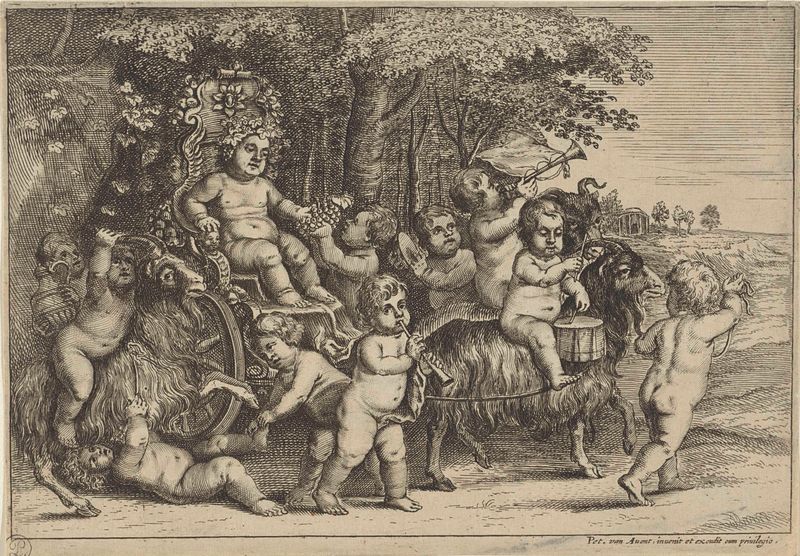
Optocht van bacchant en jongetjes op geiten
Wenceslaus Hollar
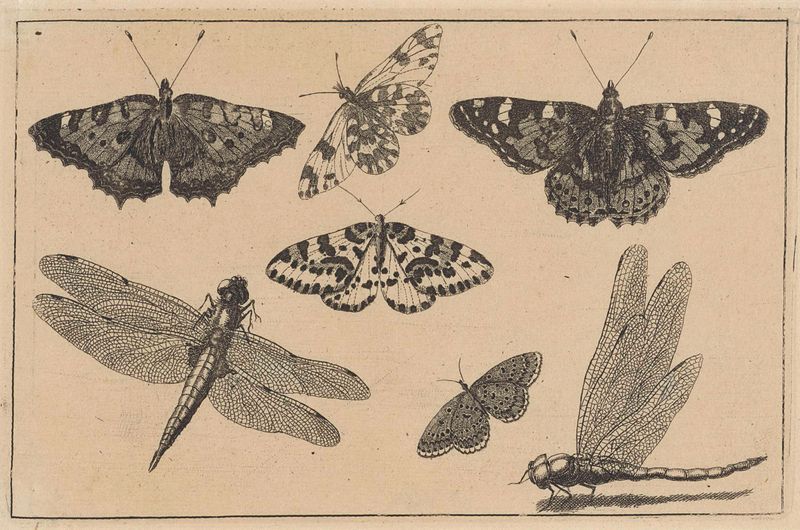
Twee libellen en vijf vlinders
Wenceslaus Hollar
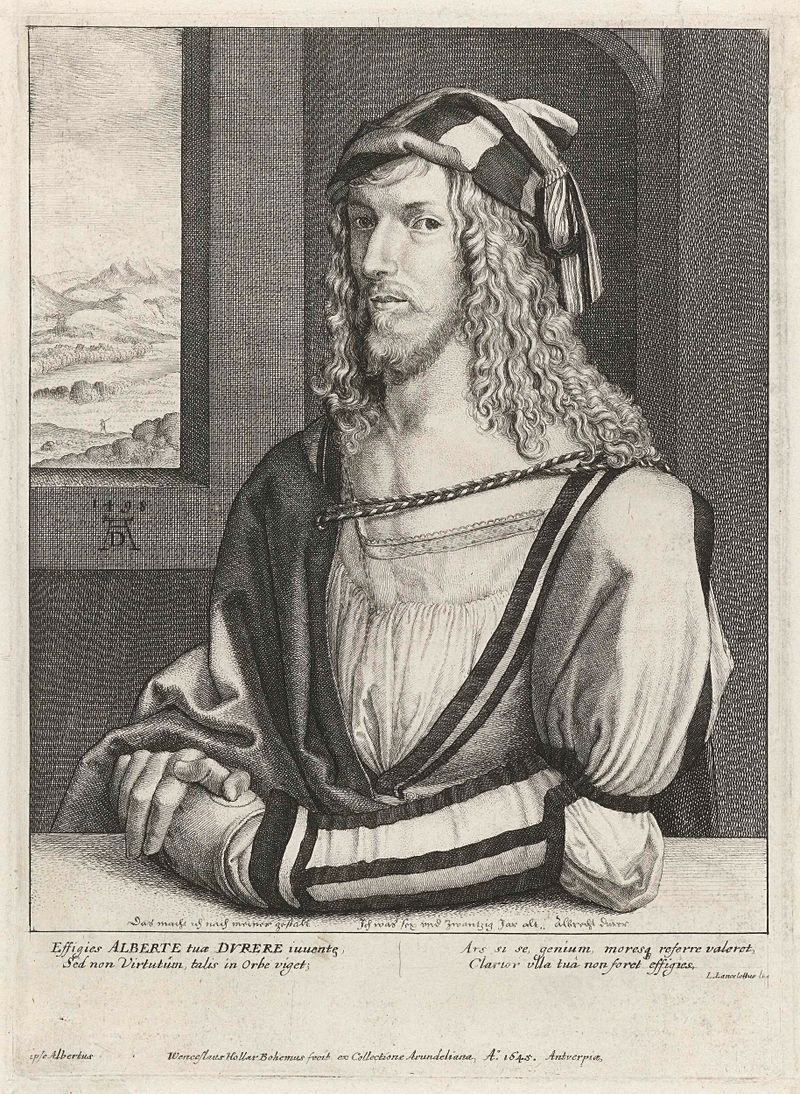
Portret van Albrecht Dürer
Wenceslaus Hollar
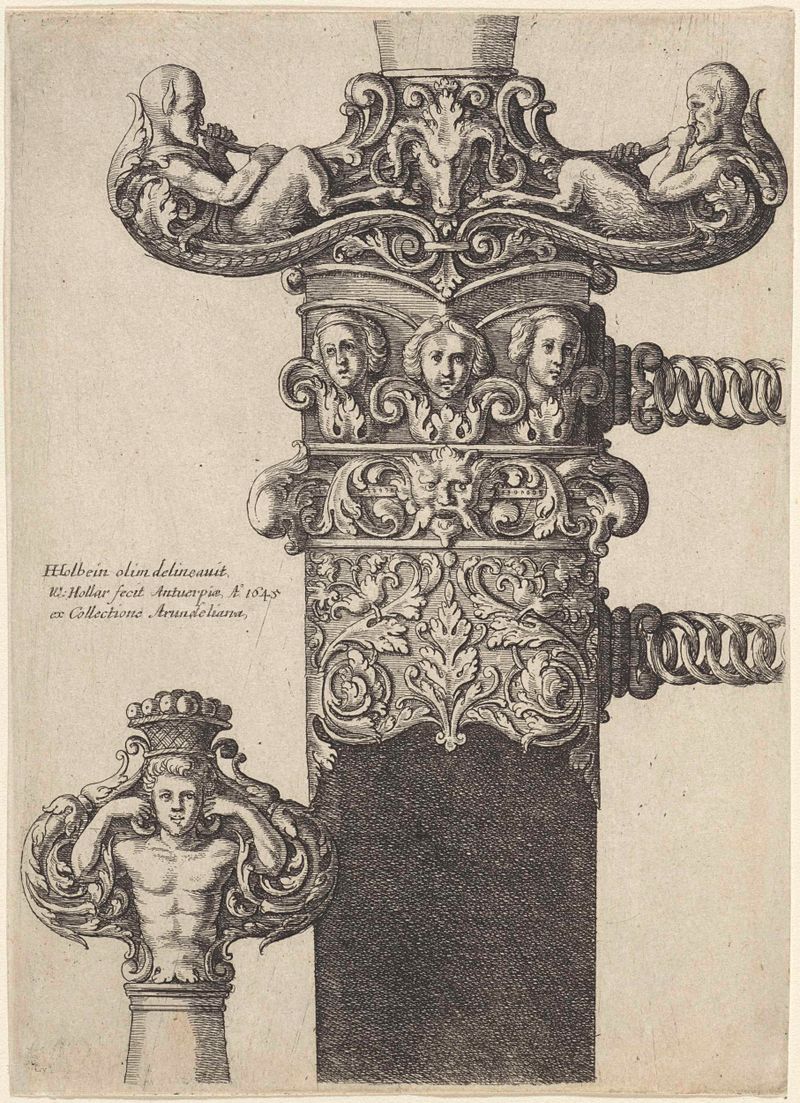
Ornamenteel ontwerp voor een dolk
Wenceslaus Hollar
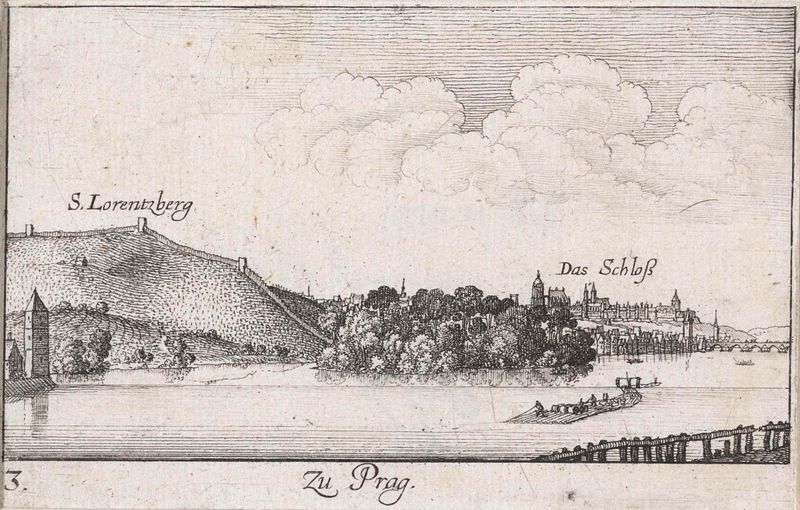
Gezicht op Praag vanaf de Moldau
Wenceslaus Hollar
More Portrait Art
Browse all →
Las meninas
Diego Velázquez

Self-portrait with a Bandaged Ear and Pipe
Unidentified artist

Girl with a Pearl Earring
Johannes Vermeer

The Sampling Officials of the Amsterdam Drapers’ Guild, Known as ‘The Syndics’
Rembrandt van Rijn

The Hundred Guilder Print: the man seen on the back in the lower left corner
Rembrandt van Rijn

Portrait of Dr Gachet
Vincent van Gogh