
H. Franciscus lezend in een grot — History & Facts
Could beauty survive in a century of chaos? In a world overshadowed by turmoil, H. Franciscus lezend in een grot invites us to ponder the profound sanctuary that art and knowledge can provide amidst despair. Look to the right at the figure of Saint Francis, nestled in the shadowy embrace of a cave. The soft, ethereal light illuminates his serene expression as he reads, creating an intimate contrast with the rugged, dark stone surrounding him.
The details of his robe, subtly rendered in warm earth tones, reflect a calm devotion. The composition speaks to the quietude of the moment, drawing the viewer’s gaze towards the delicate interplay of shadow and light that Hollar masterfully orchestrates. Hidden within this tranquil scene lies a poignant tension between isolation and enlightenment. The dark cave represents a world of confinement, yet within it, the act of reading suggests a pursuit of knowledge and transcendence.
The serene expression of Saint Francis embodies both loss and solace; he is alone yet profoundly connected to the wisdom of the texts before him. This juxtaposition invites viewers to reflect on the duality of existence—how beauty can be found even in the depths of solitude and chaos. Wenceslaus Hollar created this work in 1649, a turbulent year in European history marked by the Thirty Years' War and political strife. Living in London after fleeing from his homeland, Hollar's artistic output reflected a deep contemplation of faith and loss.
His engraving style, rooted in the Baroque tradition, captures not only the physical presence of his subjects but also the emotional landscapes that define the human experience.
More Artworks by Wenceslaus Hollar
Browse all →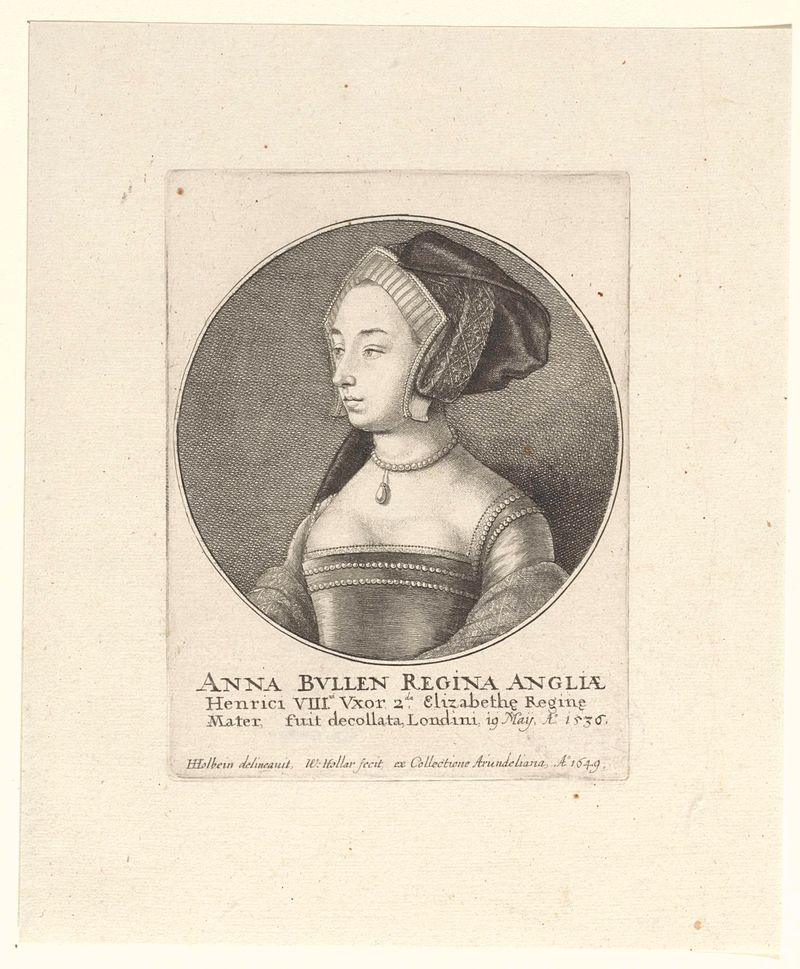
Portret van Anna Boleyn, koningin van Engeland
Wenceslaus Hollar
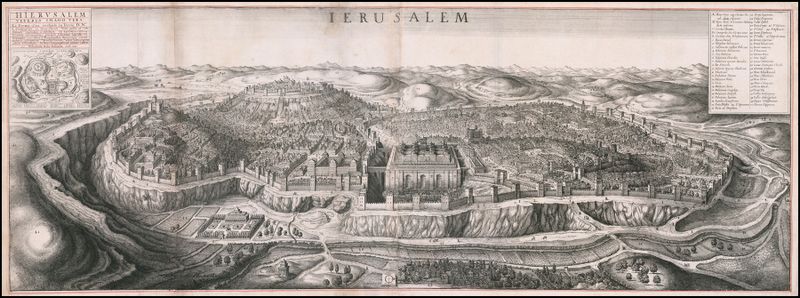
Bird’s eye view of Jerusalem
Wenceslaus Hollar
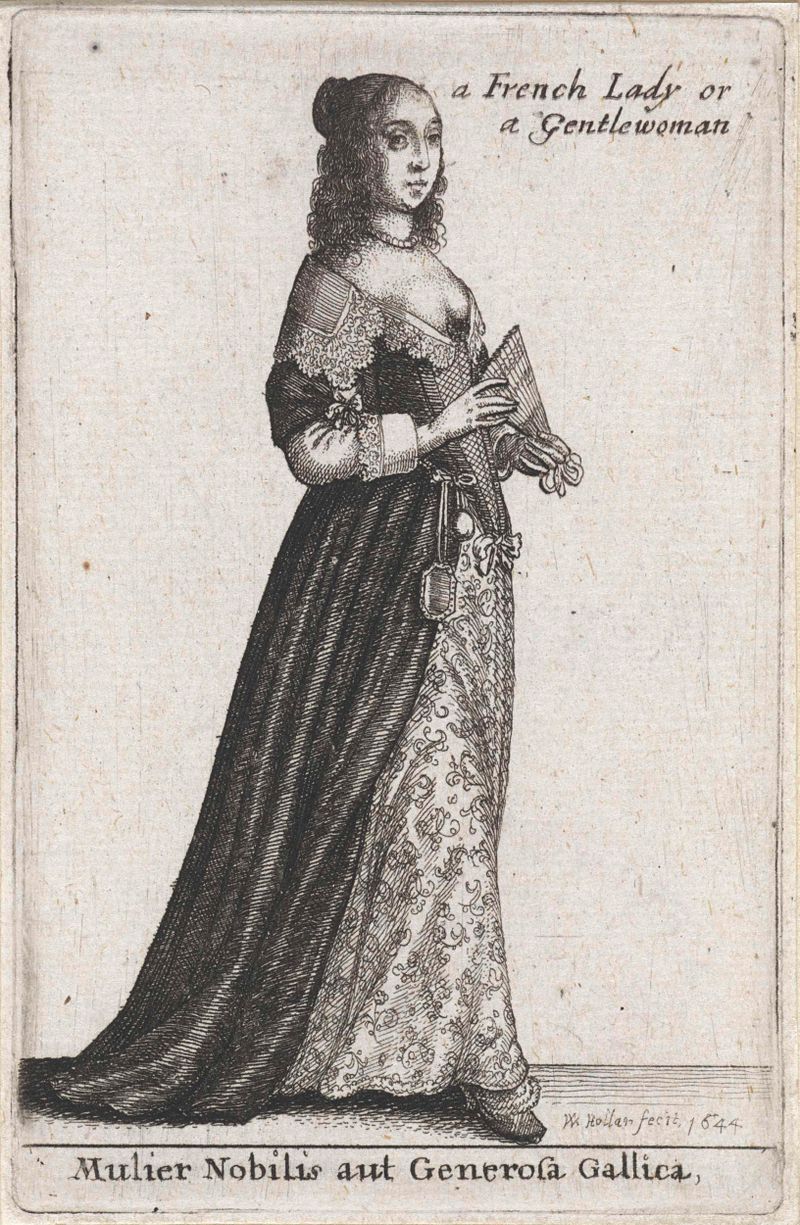
Mulier Nobilis aut Generosa Gallica / a French Lady or Gentlewoman
Wenceslaus Hollar
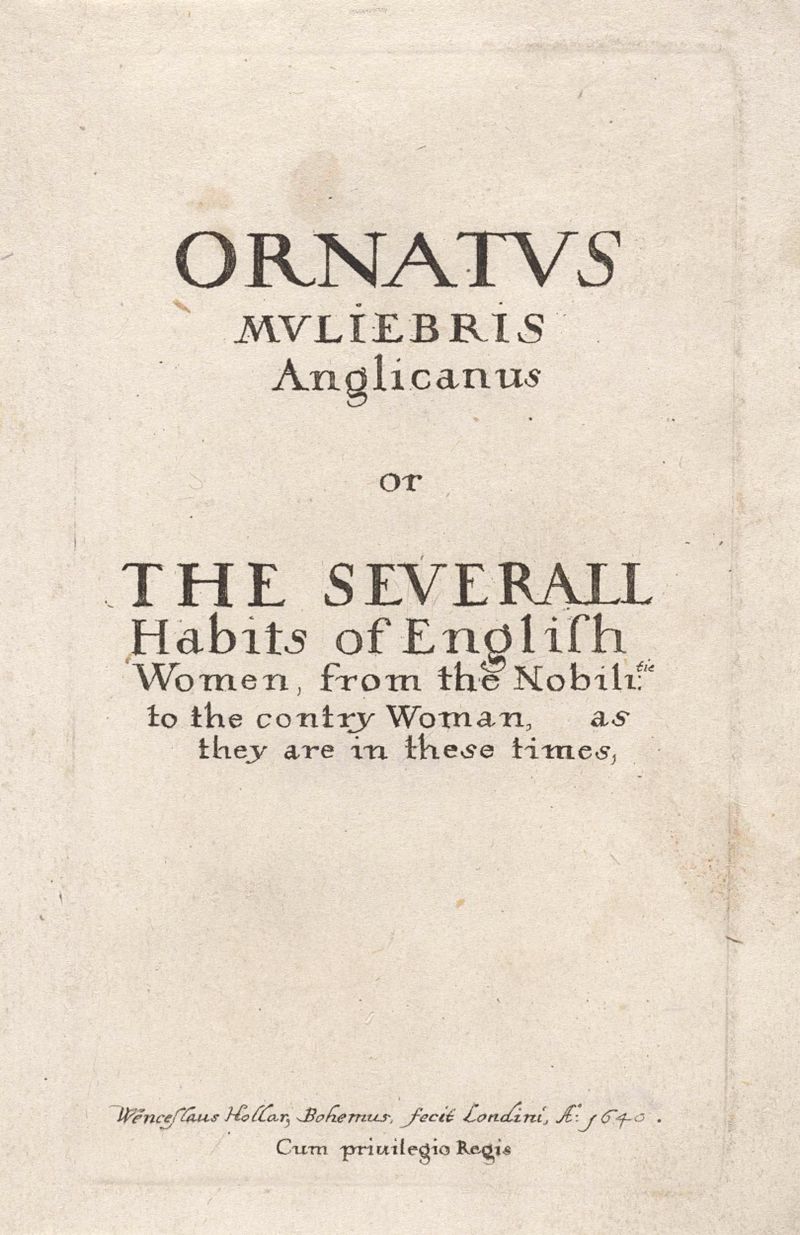
Titelprent voor: Ornatus Muliebris Anglicanus
Wenceslaus Hollar
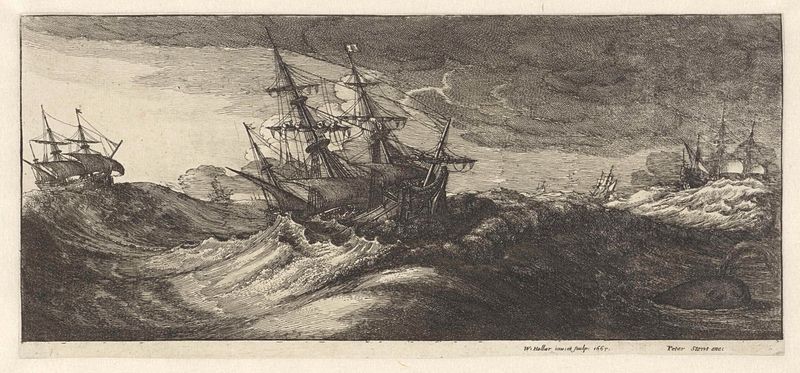
Oorlogsschepen en een walvis in een zeestorm
Wenceslaus Hollar
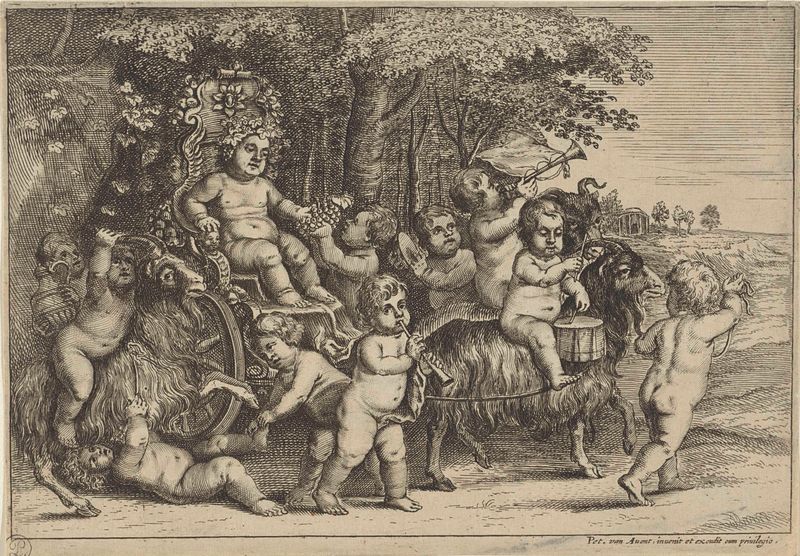
Optocht van bacchant en jongetjes op geiten
Wenceslaus Hollar
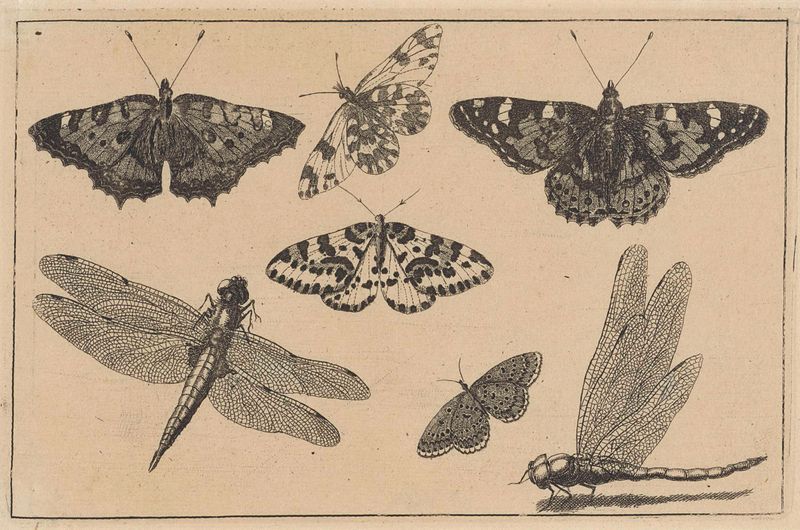
Twee libellen en vijf vlinders
Wenceslaus Hollar
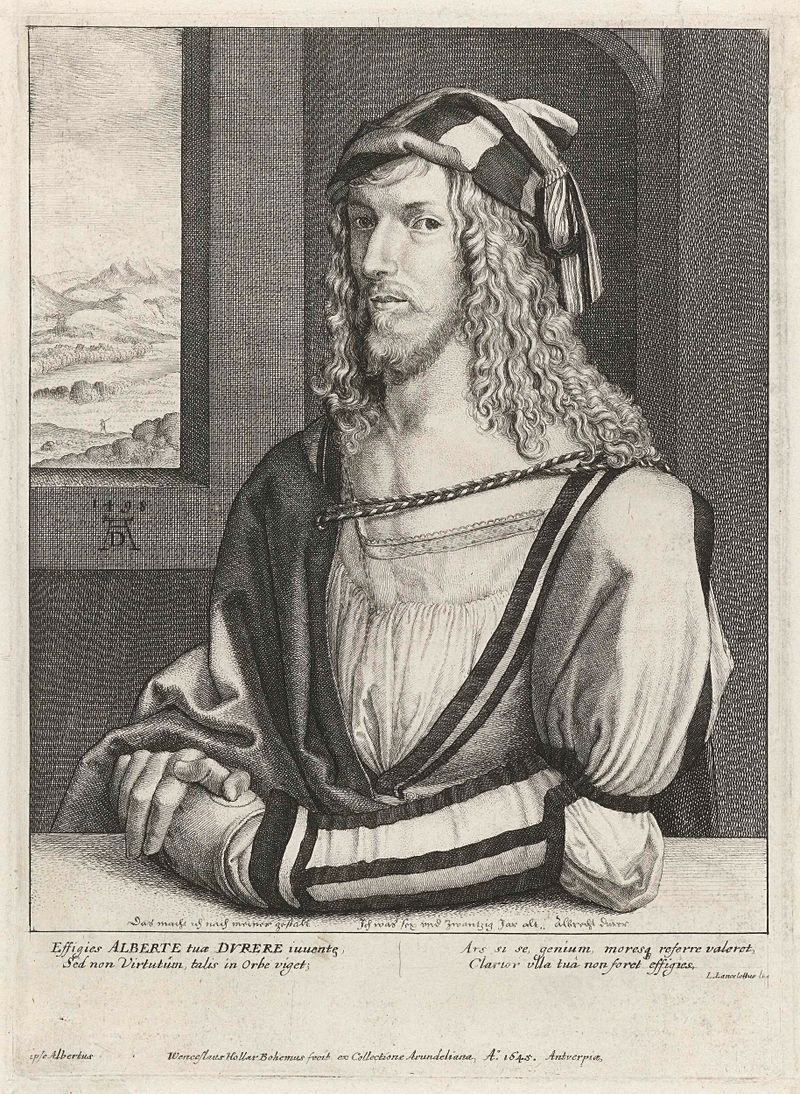
Portret van Albrecht Dürer
Wenceslaus Hollar
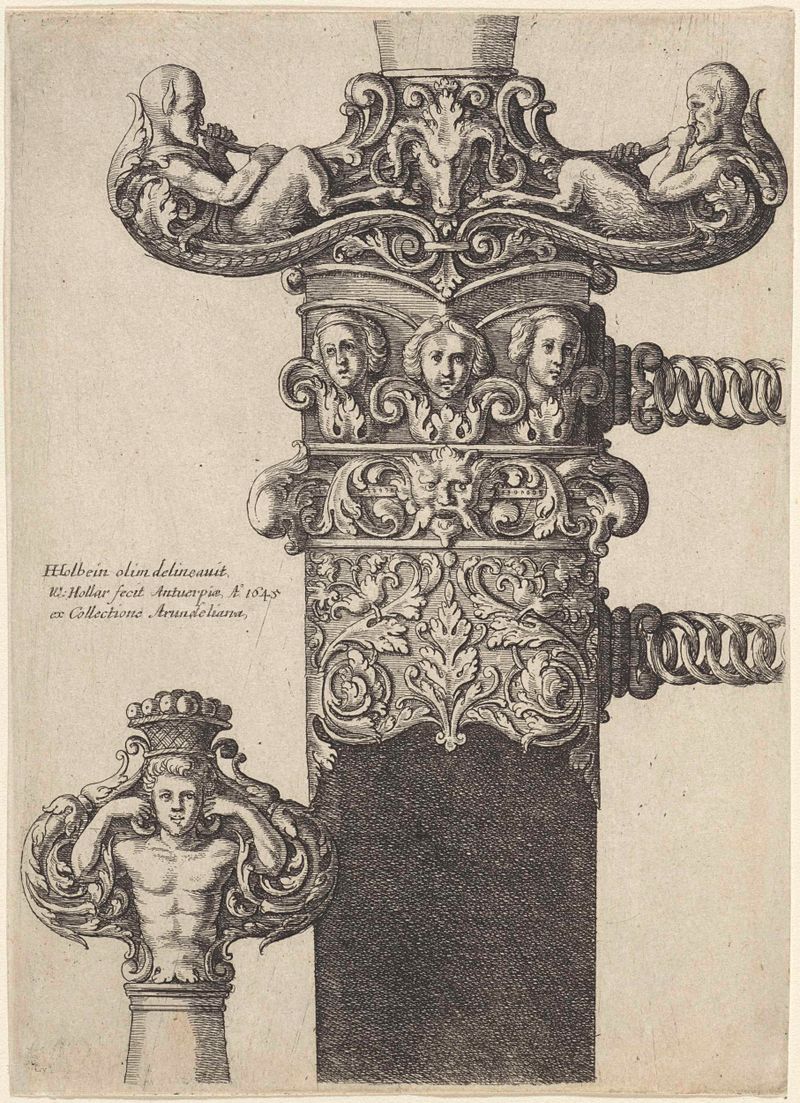
Ornamenteel ontwerp voor een dolk
Wenceslaus Hollar
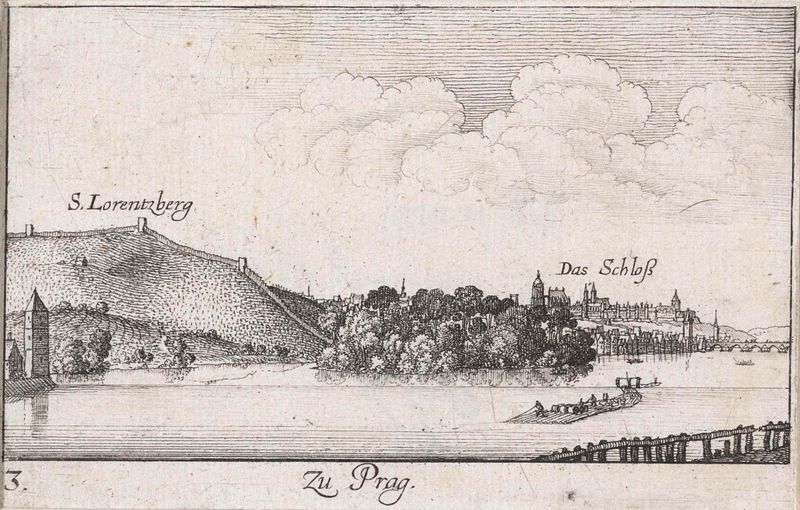
Gezicht op Praag vanaf de Moldau
Wenceslaus Hollar
More Religious Art
Browse all →
The Return of the Prodigal Son
Rembrandt van Rijn

The Garden of Earthly Delights
El Bosco

Count Orgaz’ funeral
El Greco

The Hundred Guilder Print: the central piece with Christ preaching, the plate arched
Rembrandt van Rijn

The Descent from the Cross
Rogier van der Weyden

The return of the prodigal son
Rembrandt van Rijn