
Haarlem — History & Facts
What secret hides in the quiet of the canvas? In the stillness of Haarlem, the viewer is invited to ponder the destinies woven within the fabric of daily life. Look to the left, where the gentle sway of trees frames the scene, their vibrant greens contrasting with the muted browns and whites of the buildings that stand like silent sentinels. Notice how the light filters through the leaves, casting a dappled glow that dances across the cobblestone streets, guiding your gaze towards the figures who seem to inhabit this peaceful town. Each stroke reveals a meticulous attention to texture, from the soft, lapping waters of the canal to the weathered facades that speak of time's passage. Beneath this serene surface, contrasting elements emerge—a quiet tension between nature and the manmade environment.
The artisans and townsfolk, engaged in their simple tasks, seem to embody the very essence of routine, yet their postures suggest an unspoken yearning for something beyond the everyday. The cool palette evokes a sense of introspection, inviting contemplation on the destinies intertwined within this tranquil landscape. Willem Adrianus Grondhout painted Haarlem in 1907, during a period of burgeoning artistic exploration in the Netherlands. At the time, he was navigating the transition from traditional representation to a more modern approach, reflecting the broader artistic movements shaping Europe.
This artwork emerged as he sought to capture the essence of his surroundings, grounding his work in the everyday beauty and destiny of the ordinary life around him.
More Artworks by Willem Adrianus Grondhout
Browse all →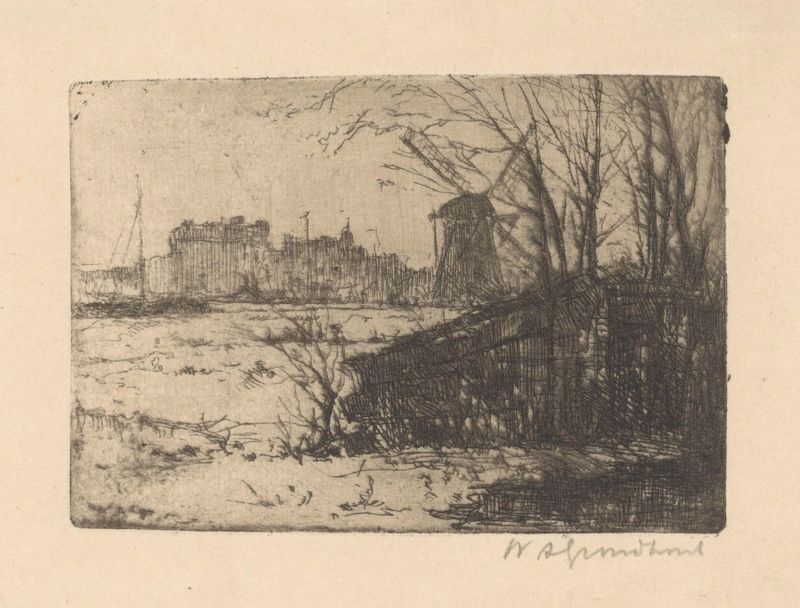
Landschap met molen in de Binckhorst in Den Haag
Willem Adrianus Grondhout
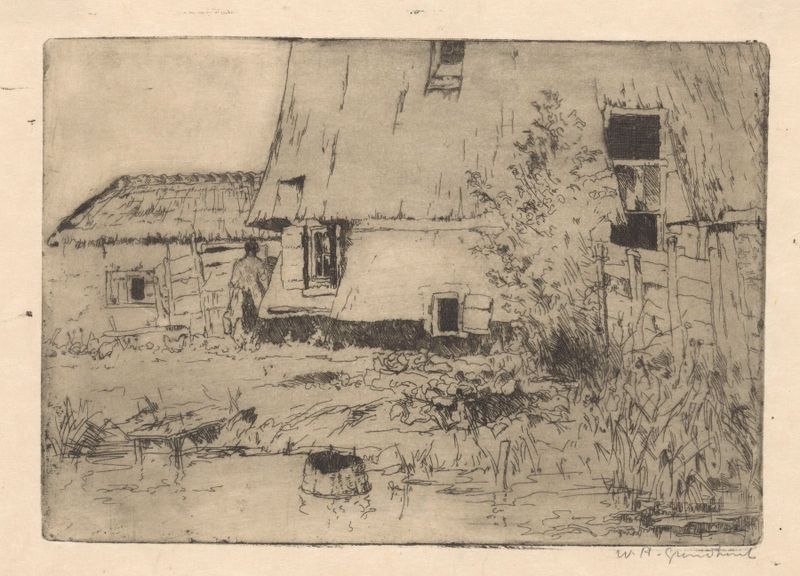
Voet van een molen in Voorburg
Willem Adrianus Grondhout
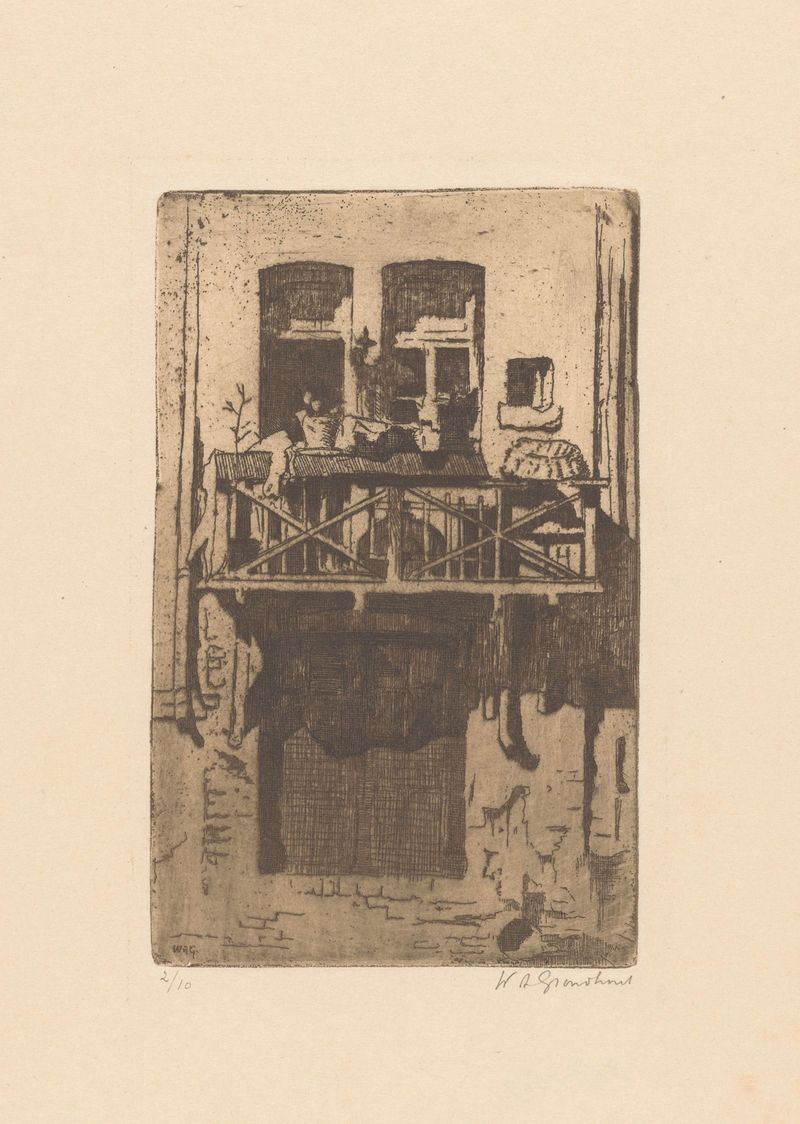
Balkon van een huis aan de Oudezijds Kolk in Amsterdam
Willem Adrianus Grondhout
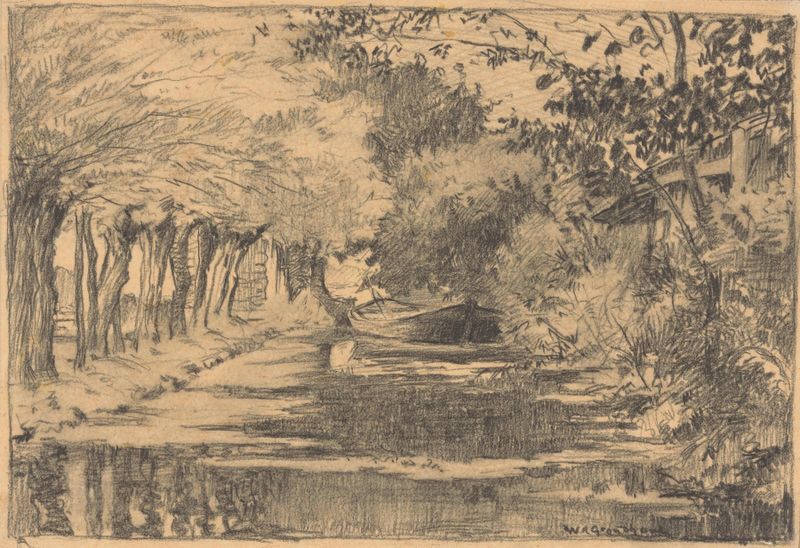
Broeksloot bij Voorburg
Willem Adrianus Grondhout
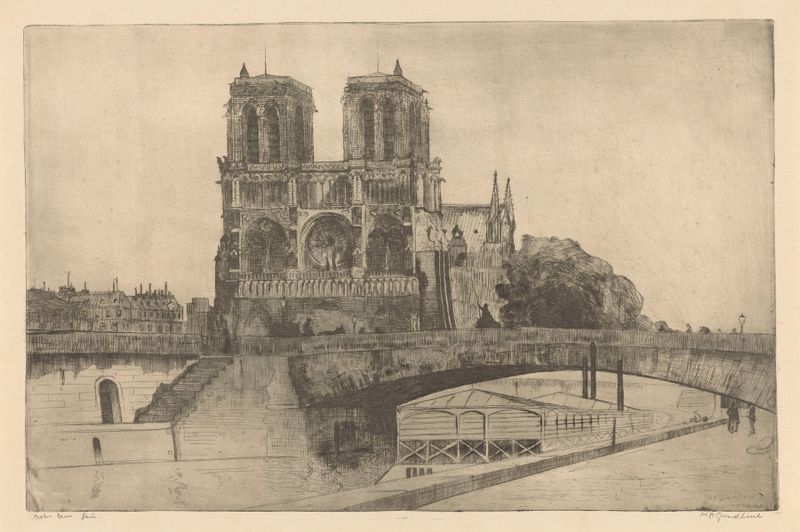
Notre-Dame, Paris
Willem Adrianus Grondhout
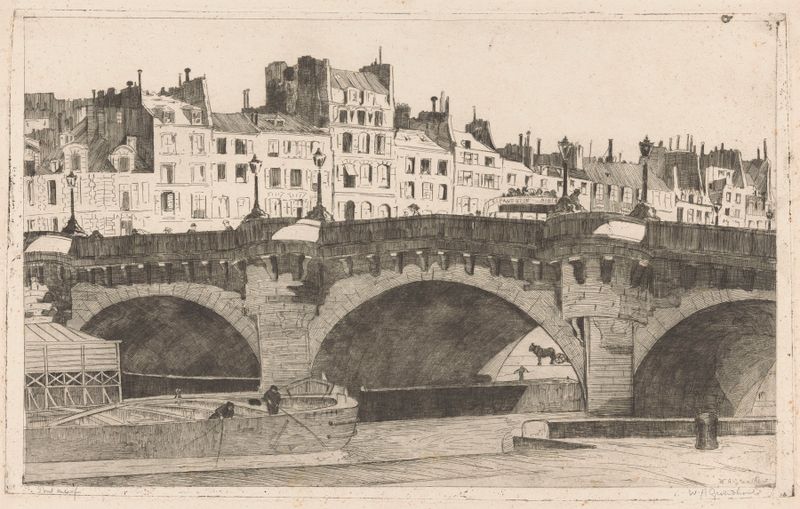
Pont Neuf
Willem Adrianus Grondhout
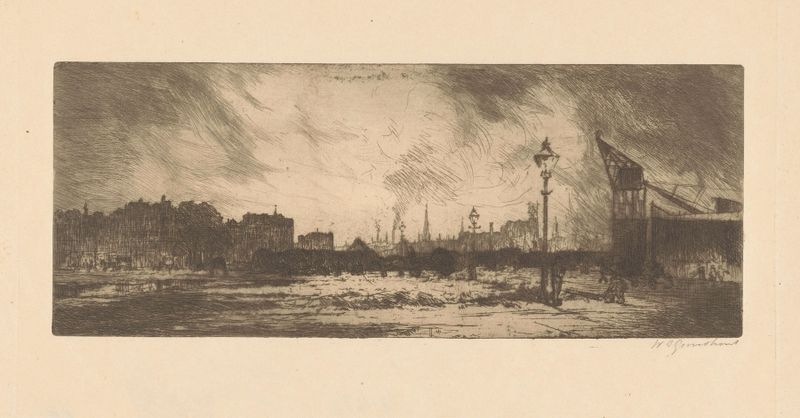
Havenkade met lantaarnpalen in Rotterdam
Willem Adrianus Grondhout
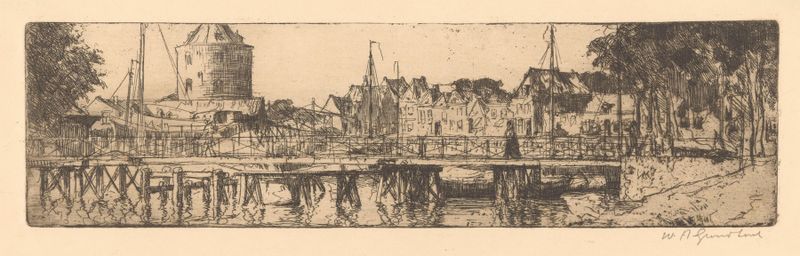
Enkhuizen
Willem Adrianus Grondhout
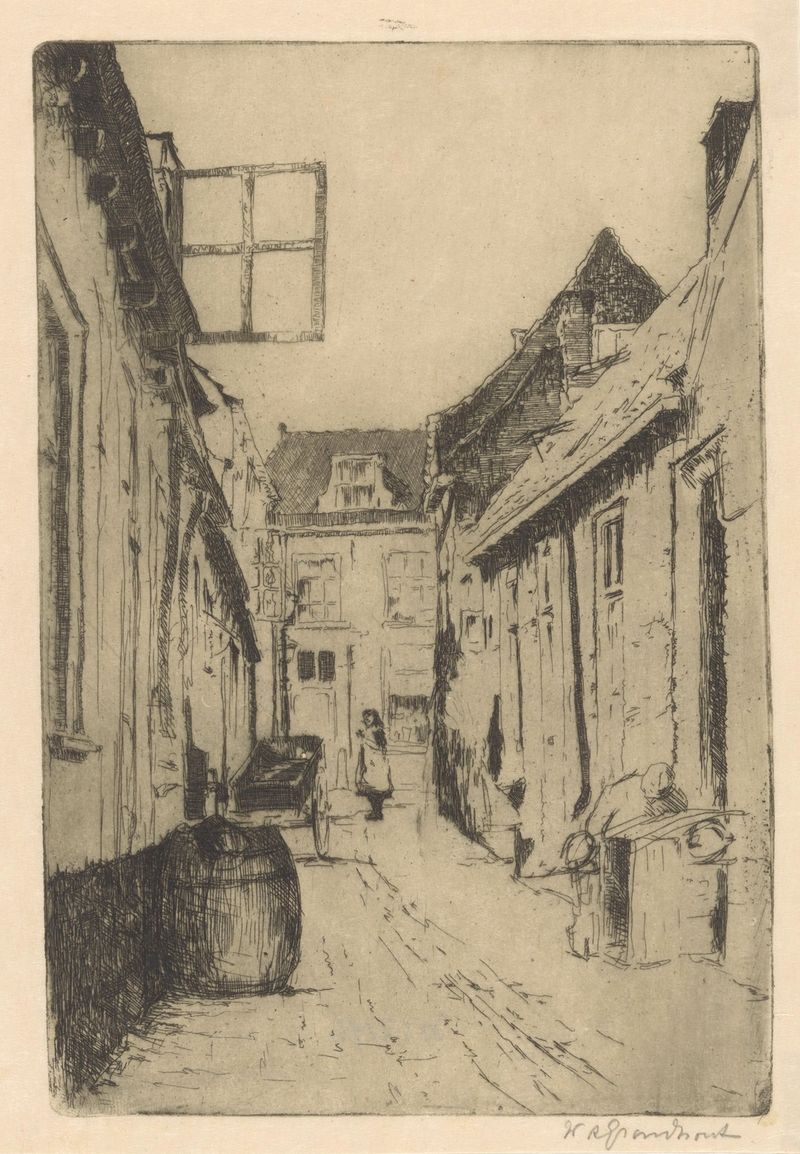
Straatje in Voorburg.
Willem Adrianus Grondhout
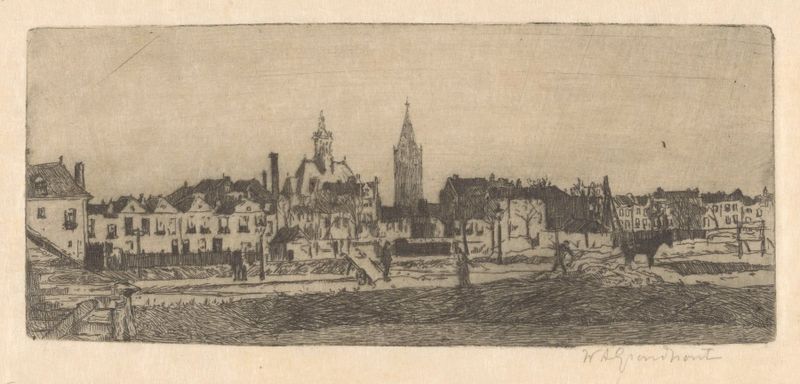
Delft
Willem Adrianus Grondhout





