
Haban — History & Facts
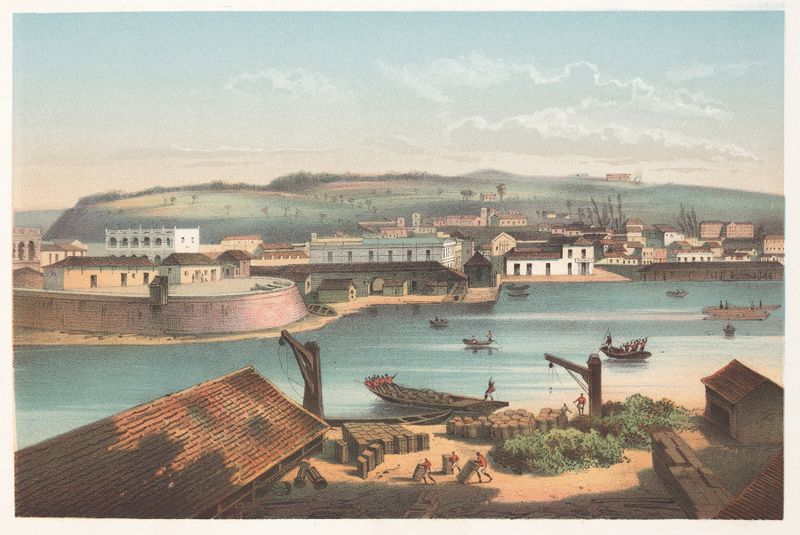
Can paint confess what words never could? In Haban, the brush strokes whisper secrets of obsession, revealing an intense yearning that words often fail to express. Look to the center of the canvas, where a solitary figure is enveloped in a world that teeters on the edge of reality. The muted palette of earth tones contrasts with vibrant splashes of color that pulsate around the subject, drawing the viewer's eye. Notice how the light dances across the figure’s face, highlighting a mixture of determination and vulnerability.
The composition is carefully balanced, yet there’s an underlying tension that hints at an untold story, urging us to peer deeper into the essence of the scene. As you explore the edges of the painting, consider the interplay of shadow and light, embodying the duality of passion and despair. The figure's posture conveys a sense of longing, while the surrounding elements—perhaps an elusive presence or distant horizon—speak to the obsession that drives the heart. Each detail, from the delicate textures of fabric to the subtle gestures, reveals layers of emotional conflict, inviting the viewer to ponder the nature of desire and the cost of fixation. Created in 1855, this work emerged during a period when Mialhe was deeply entrenched in the vibrant art scene of Paris.
The city was abuzz with new ideas and artistic movements, and the artist was influenced by Romanticism's focus on emotion and individuality. This painting reflects both his personal journey and the larger currents of artistic exploration that characterized the time.
More Artworks by Pierre Toussaint Frédéric Mialhe
Browse all →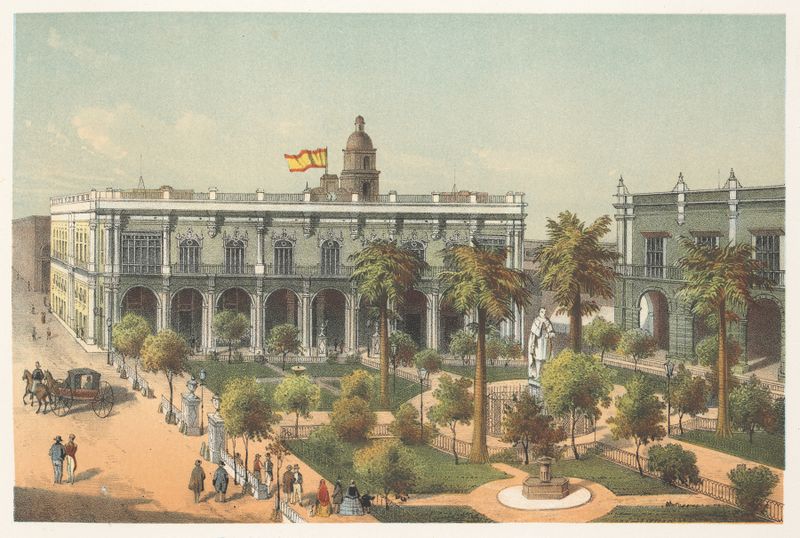
Plaza de Armas
Pierre Toussaint Frédéric Mialhe
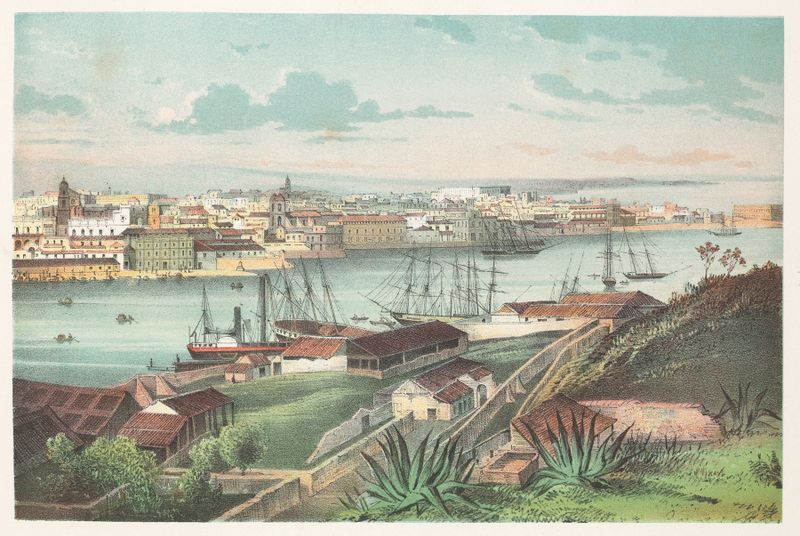
Habana.
Pierre Toussaint Frédéric Mialhe
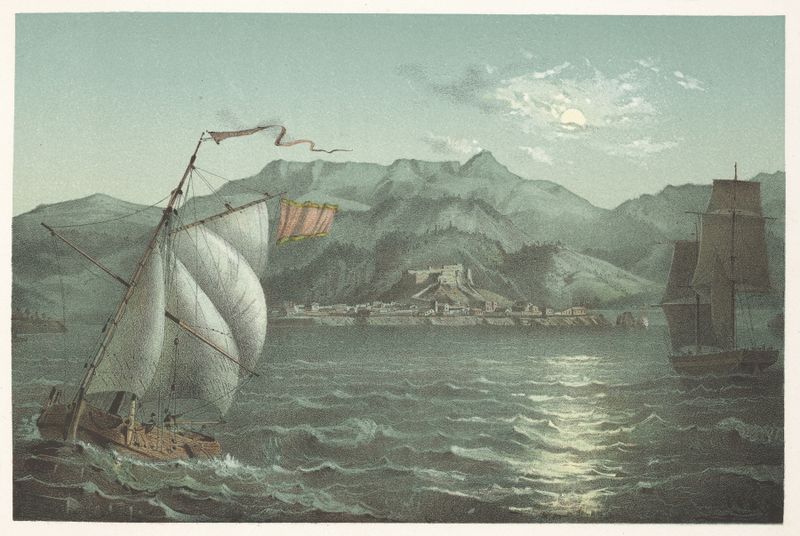
Vista genl. de la cuidad y montañas de Baracoa
Pierre Toussaint Frédéric Mialhe
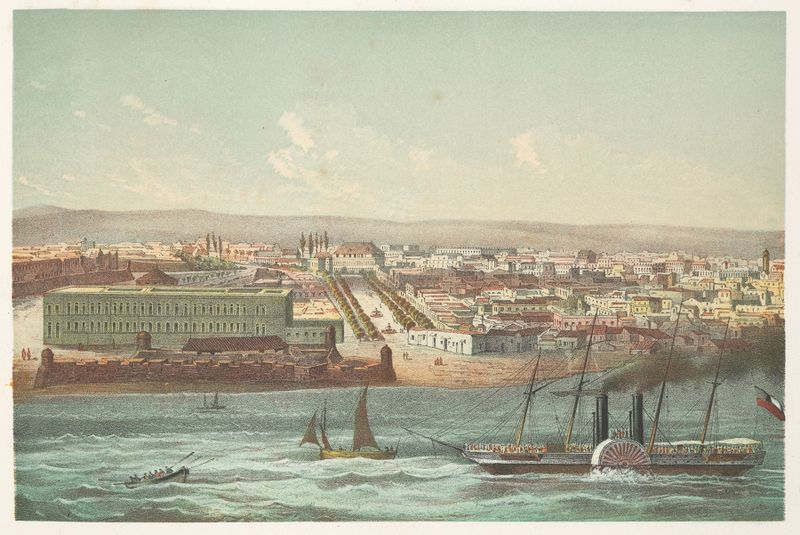
Vista de la Habana, parte de Estramuros
Pierre Toussaint Frédéric Mialhe

Vista de la Habana
Pierre Toussaint Frédéric Mialhe
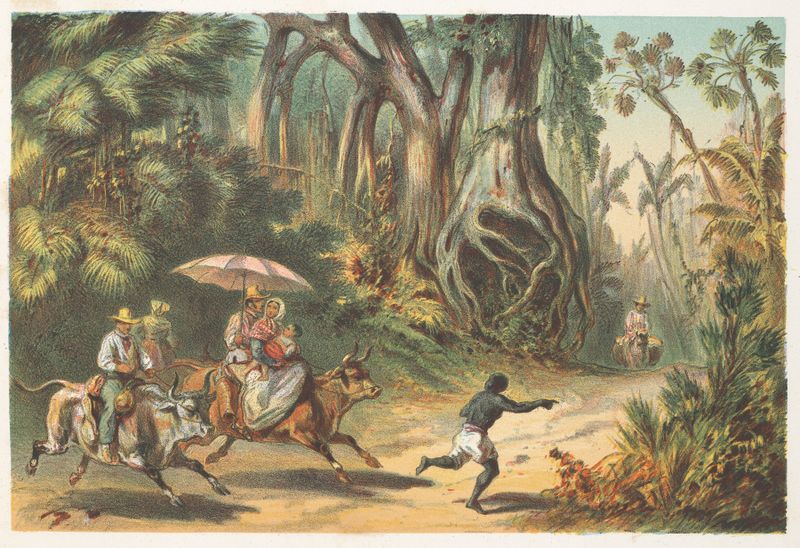
Cercanias de Baracoa
Pierre Toussaint Frédéric Mialhe
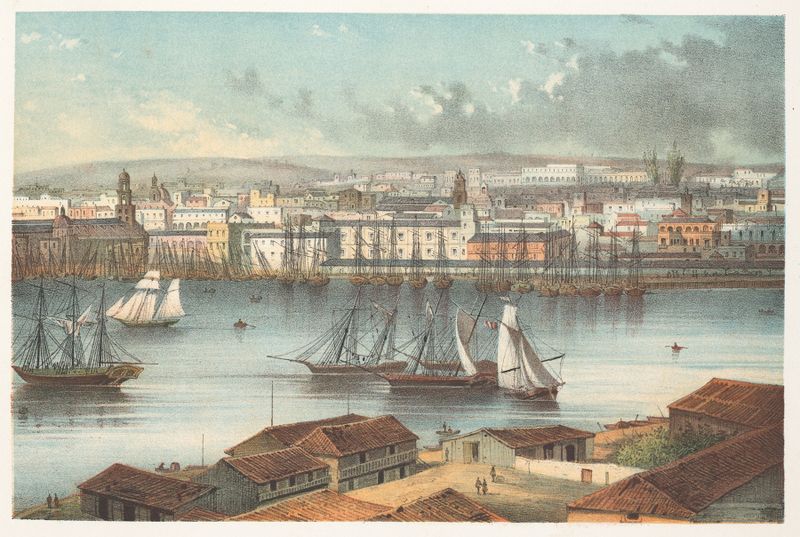
Habana
Pierre Toussaint Frédéric Mialhe
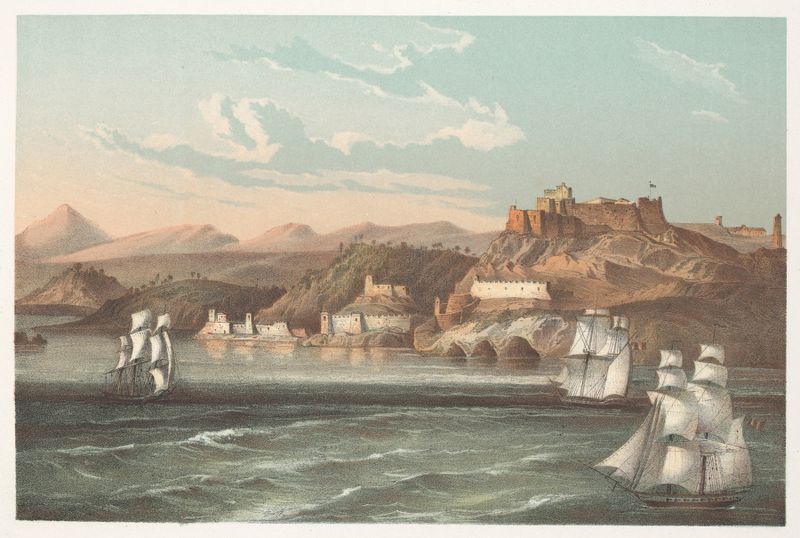
Morro y entrada del puerto de Santiago de Cuba
Pierre Toussaint Frédéric Mialhe
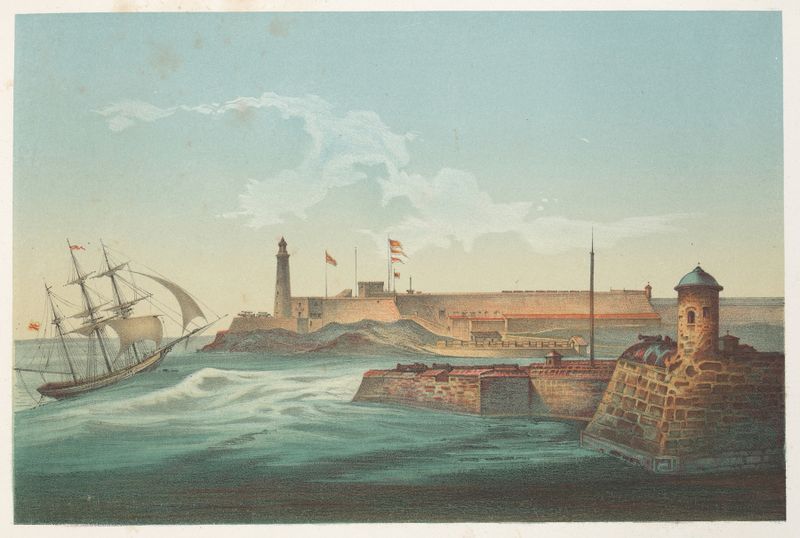
Morro y entrada puerto de la Habana
Pierre Toussaint Frédéric Mialhe
Matanzas
Pierre Toussaint Frédéric Mialhe





