
Habay-la-Neuve — History & Facts
Can beauty exist without sorrow? In the delicate balance of existence, ecstasy and melancholy dance together, revealing truths hidden beneath the surface. Focus on the vibrant hues swirling throughout the canvas, as they beckon you to explore the intricate layers of emotion entwined within. Notice how the painter’s deft brushstrokes create a rhythmic flow, drawing your gaze toward the luminous textures that evoke a sense of longing and joy. The juxtaposition of warm and cool colors creates a dynamic tension, while the gentle light that bathes the scene invites contemplation, suggesting an ephemeral moment suspended in time. As you immerse yourself in the work, consider the subtle details—a lone figure, perhaps, caught in a moment of introspection, or the interplay of light that hints at both hope and despair.
Each element within the composition holds a duality, reflecting the artist's inner conflict and the universal struggle between bliss and sorrow. This evocative balance not only captivates the viewer’s spirit but also resonates deeply, echoing the complexities of the human experience. During the years 1888 to 1934, Grondhout navigated a rapidly changing art world, marked by experimentation and the rise of modernism. Working in the Netherlands, he sought to infuse his canvases with emotional depth amidst a backdrop of personal challenges and societal shifts.
His dedication to capturing the essence of life’s contrasts in Habay-la-Neuve serves as a testament to his artistic vision during this transformative period.
More Artworks by Willem Adrianus Grondhout
Browse all →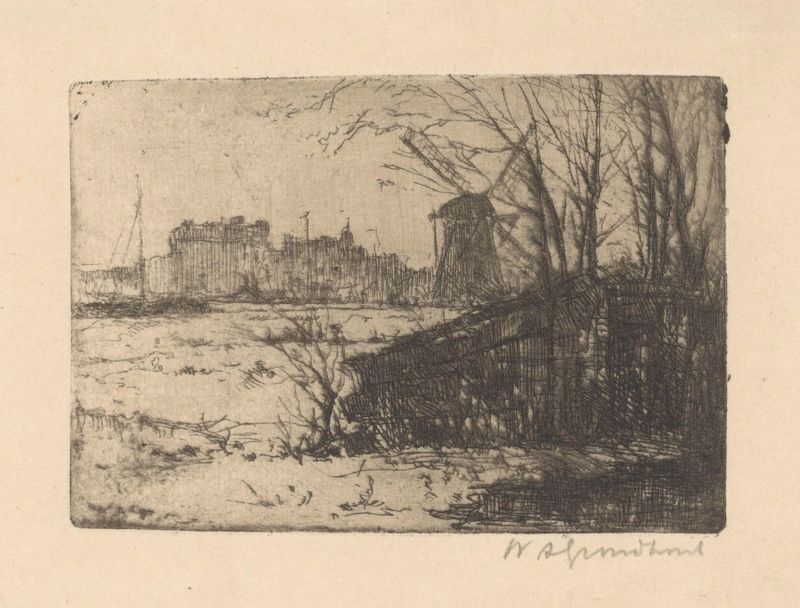
Landschap met molen in de Binckhorst in Den Haag
Willem Adrianus Grondhout
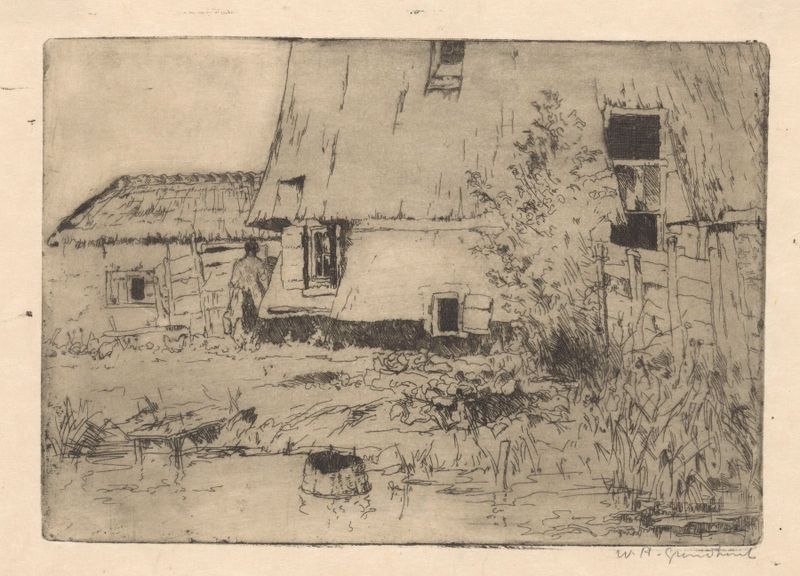
Voet van een molen in Voorburg
Willem Adrianus Grondhout
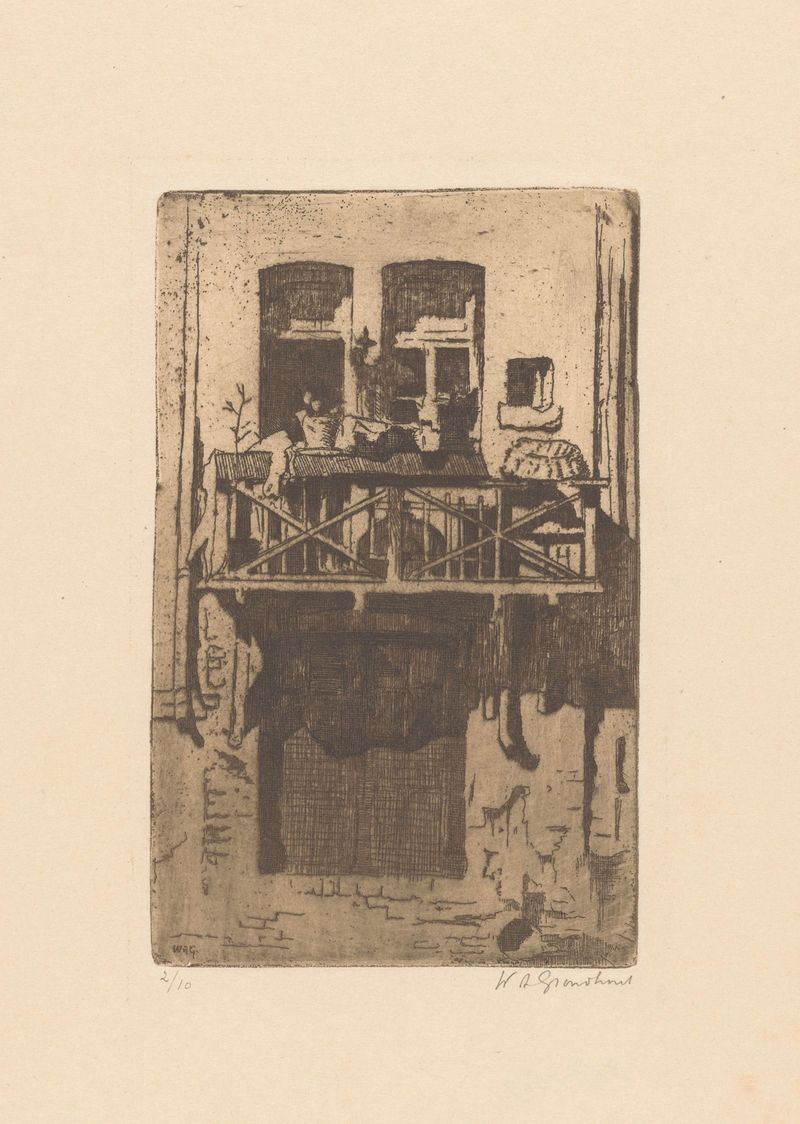
Balkon van een huis aan de Oudezijds Kolk in Amsterdam
Willem Adrianus Grondhout
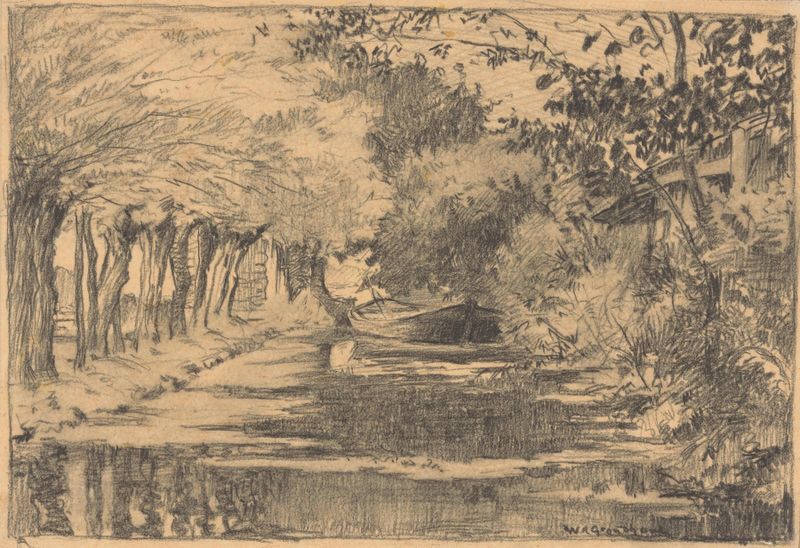
Broeksloot bij Voorburg
Willem Adrianus Grondhout
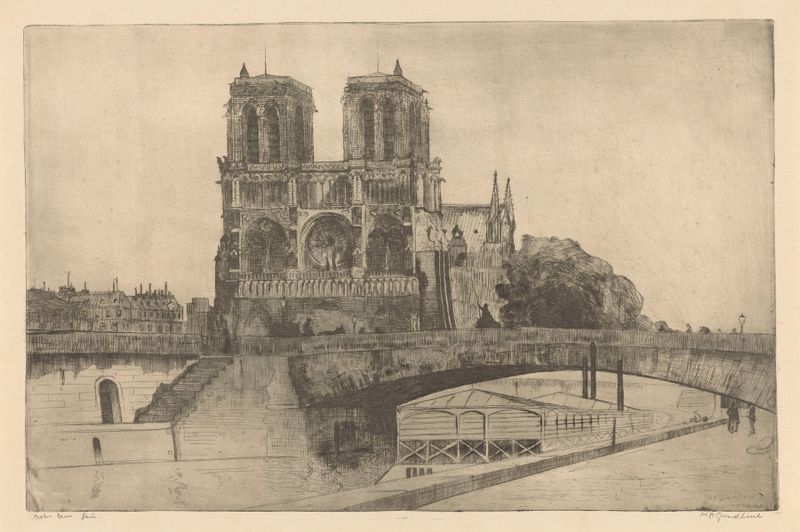
Notre-Dame, Paris
Willem Adrianus Grondhout
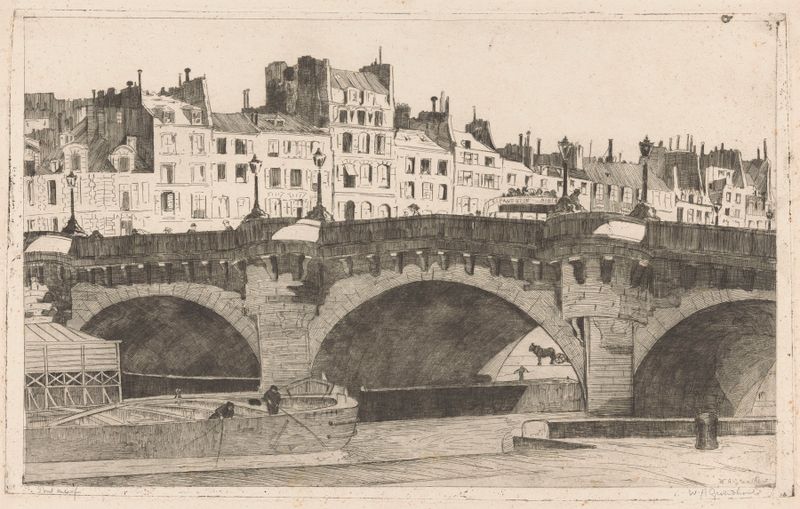
Pont Neuf
Willem Adrianus Grondhout
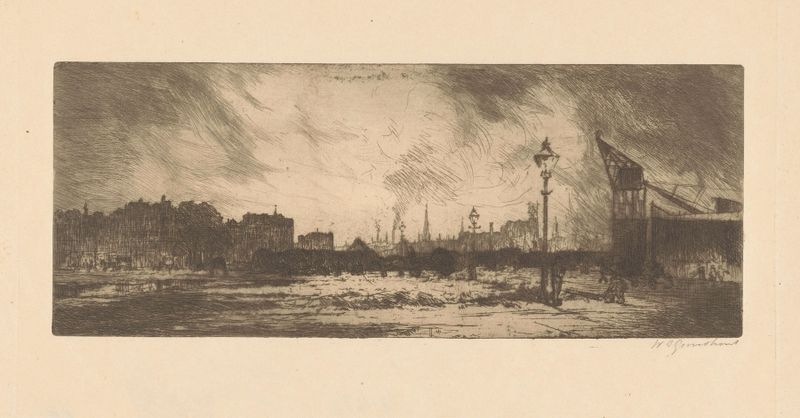
Havenkade met lantaarnpalen in Rotterdam
Willem Adrianus Grondhout
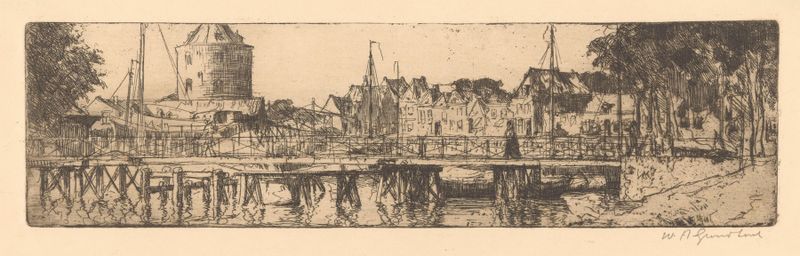
Enkhuizen
Willem Adrianus Grondhout
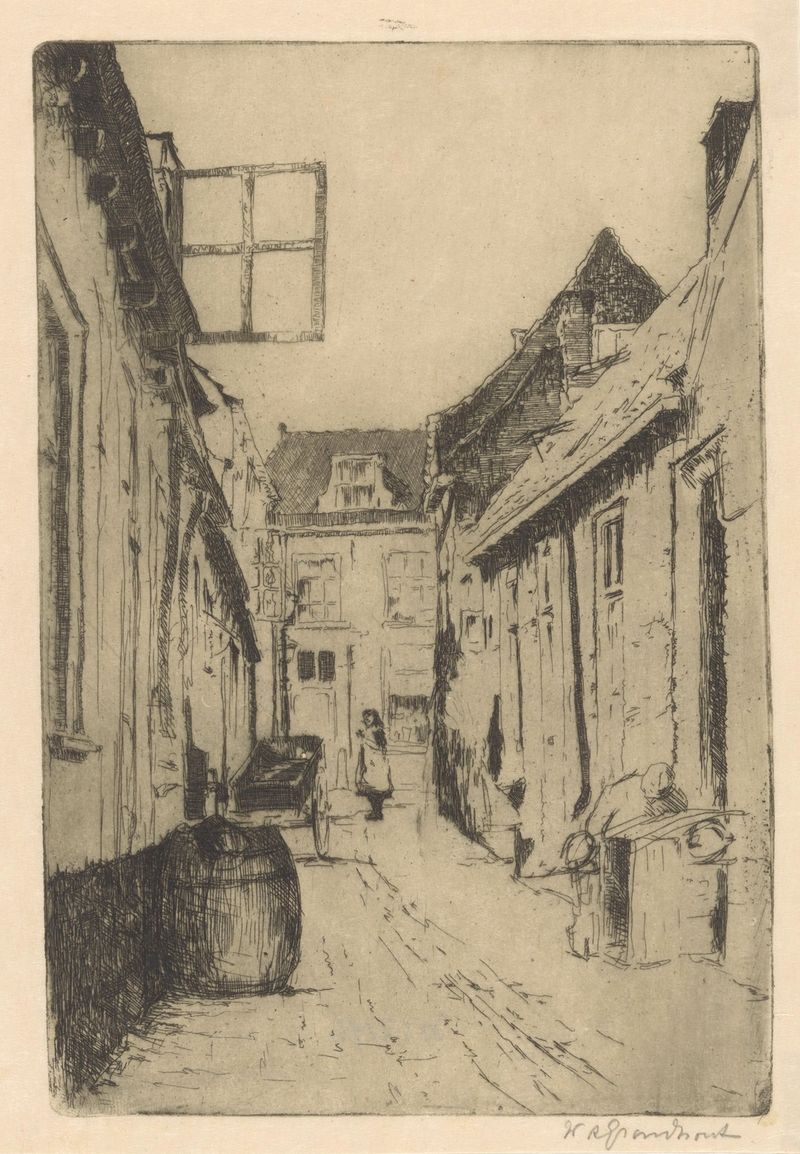
Straatje in Voorburg.
Willem Adrianus Grondhout
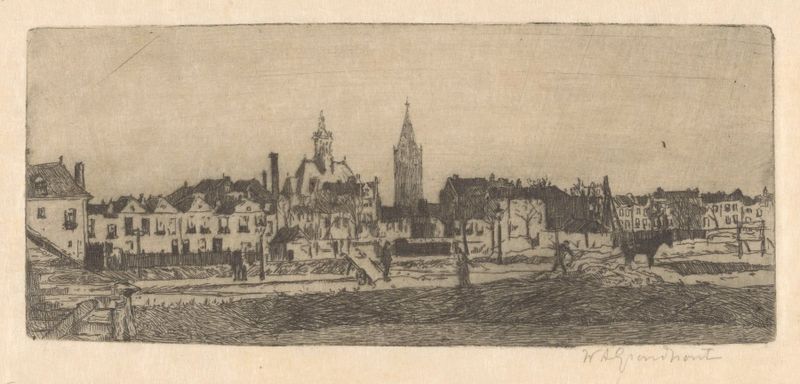
Delft
Willem Adrianus Grondhout





