
HAGAR AND THE ANGEL IN A CAVE — History & Facts
In Hagar and the Angel in a Cave, the scene is dominated by warm earth tones and deep shadows. Hagar, a figure of despair, is depicted kneeling, while an angel hovers above her, radiating light. The cave setting adds to the sense of isolation and divine presence.
The contrast between light and dark emphasizes the moment of hope in her despair. The painting is executed in oil on canvas, typical of the Baroque style, which often features dramatic lighting and emotional expressions. The artist skillfully uses chiaroscuro to create depth and focus on the figures. The details in Hagar's clothing and the angel's wings showcase the intricate brushwork characteristic of the period.
The composition draws the viewer's eye towards the interaction between Hagar and the angel. This work, attributed to the Italian School, reflects the Baroque fascination with religious themes and emotional intensity. It likely draws inspiration from biblical narratives, particularly the story of Hagar and her encounter with the angel in the wilderness. An interesting fact about this painting is its emphasis on the moment of divine intervention, which was a popular subject in Baroque art.
The work encapsulates the era's dramatic flair and deep emotional resonance.
More Artworks by Italian School
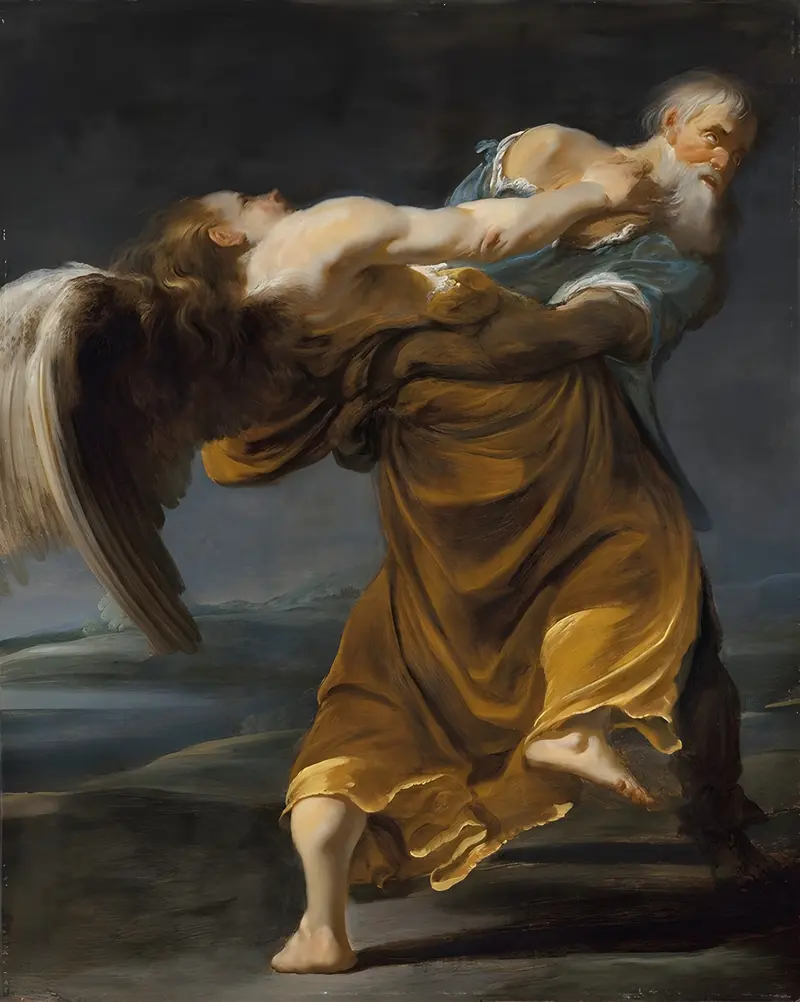
Jacob wrestling with the angel
Italian School
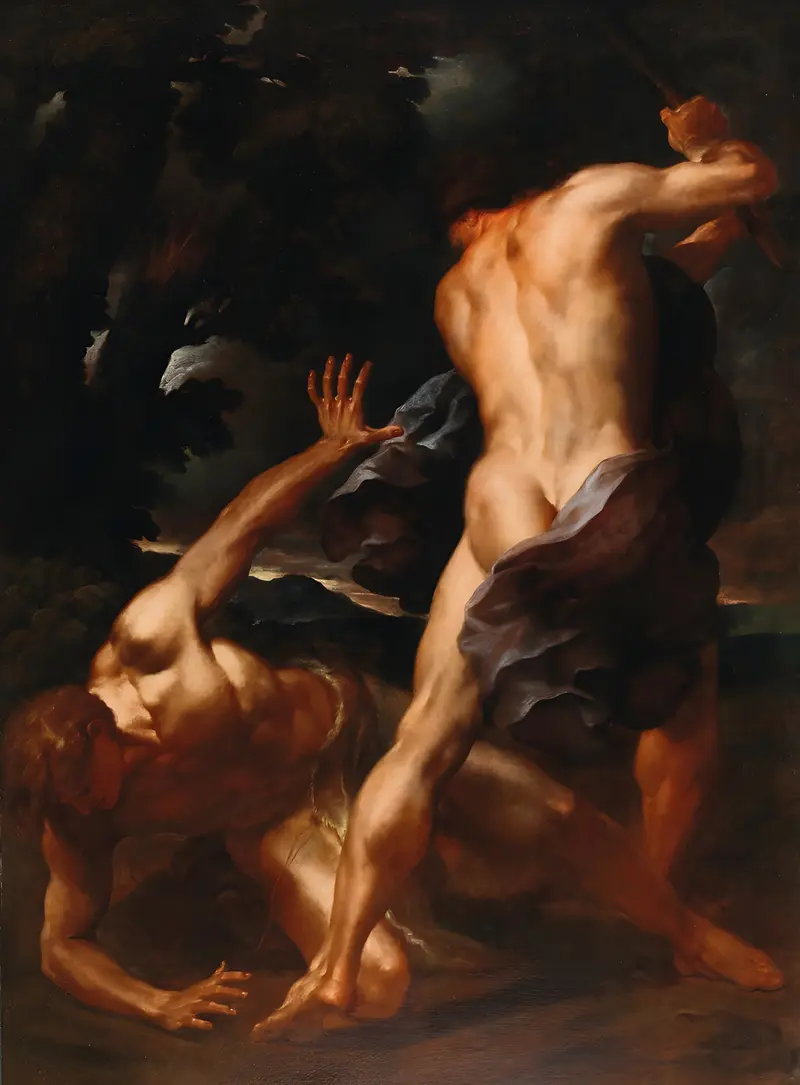
Cain and Abel
Italian School
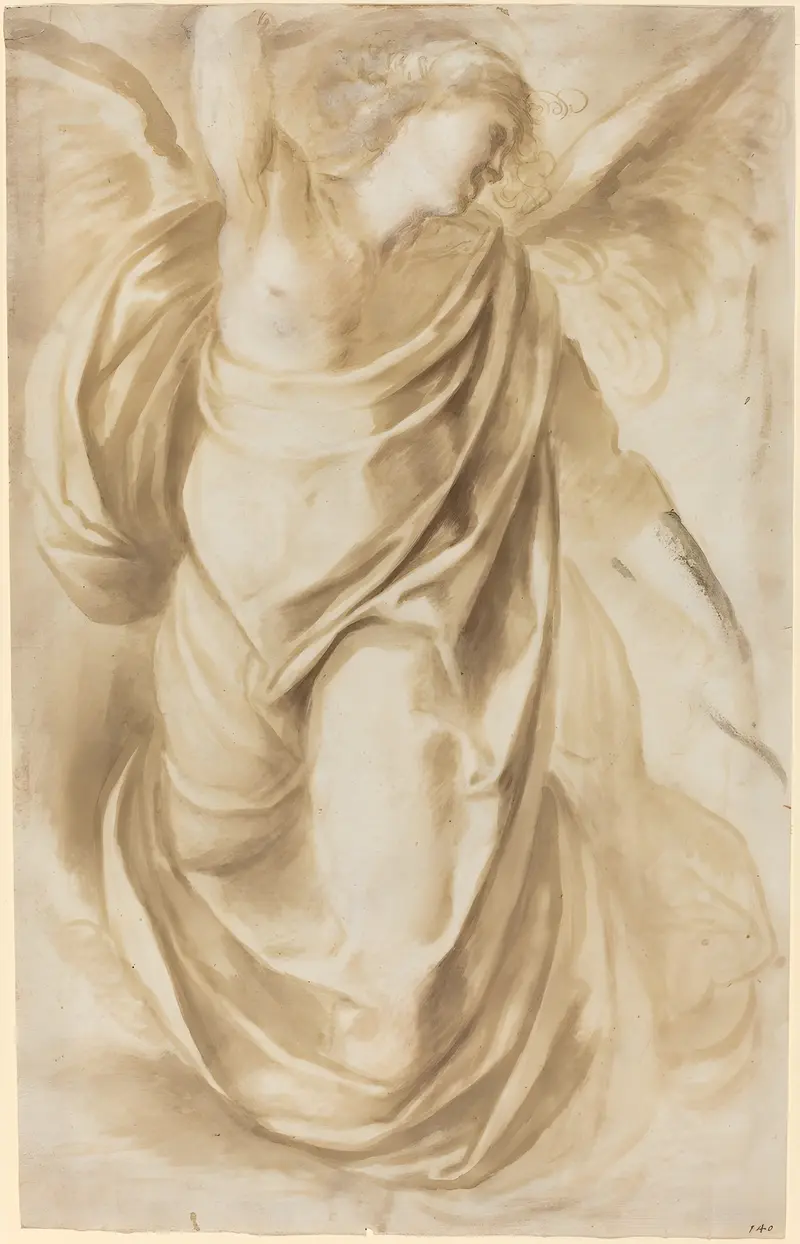
An Angel
Italian School
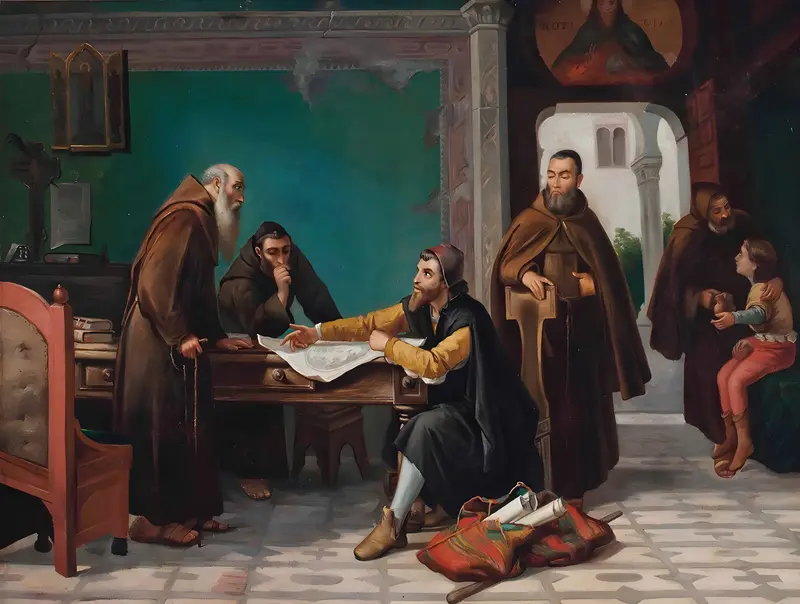
Christopher Columbus at the Monastery of Rabida
Italian School
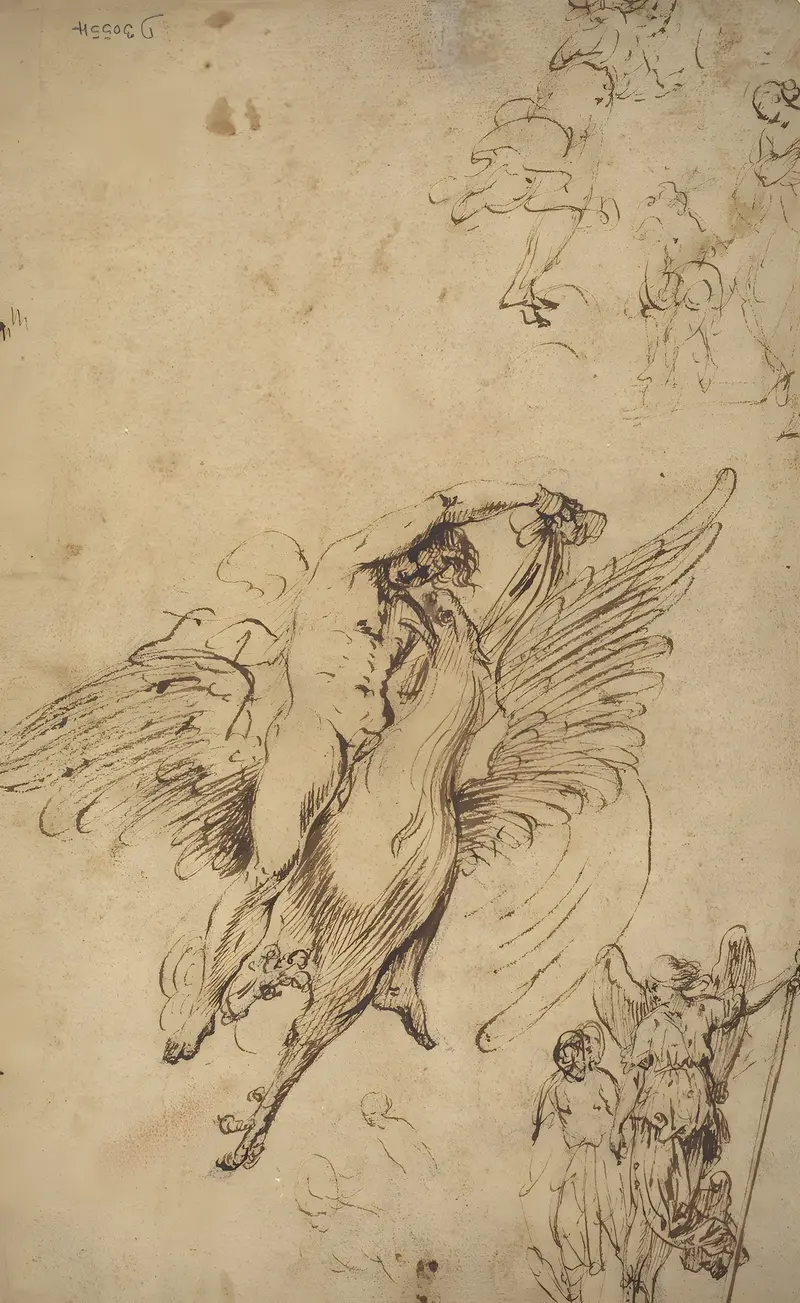
Ganymede
Italian School

MADONNA AND CHILD WITH THE INFANT SAINT JOHN THE BAPTIST, AMONG ARCHITECTURAL RUINS, A LANDSCAPE BEYOND
Italian School
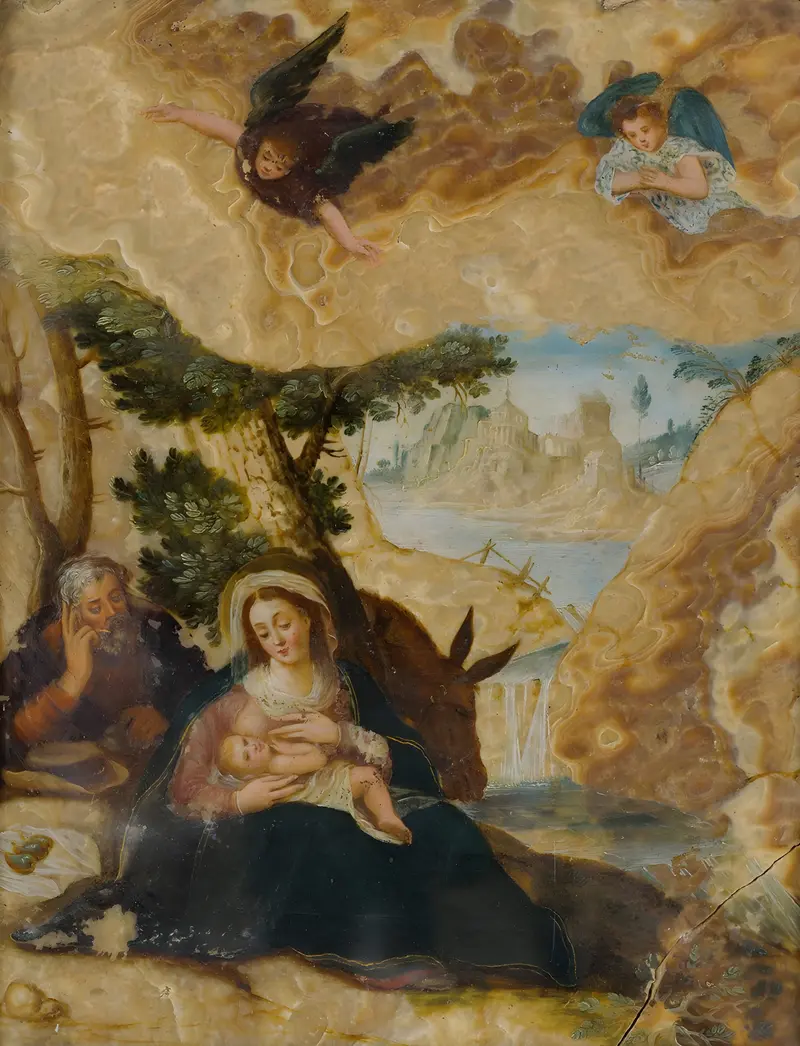
Madonna And Child
Italian School

Saint John the Baptist
Italian School
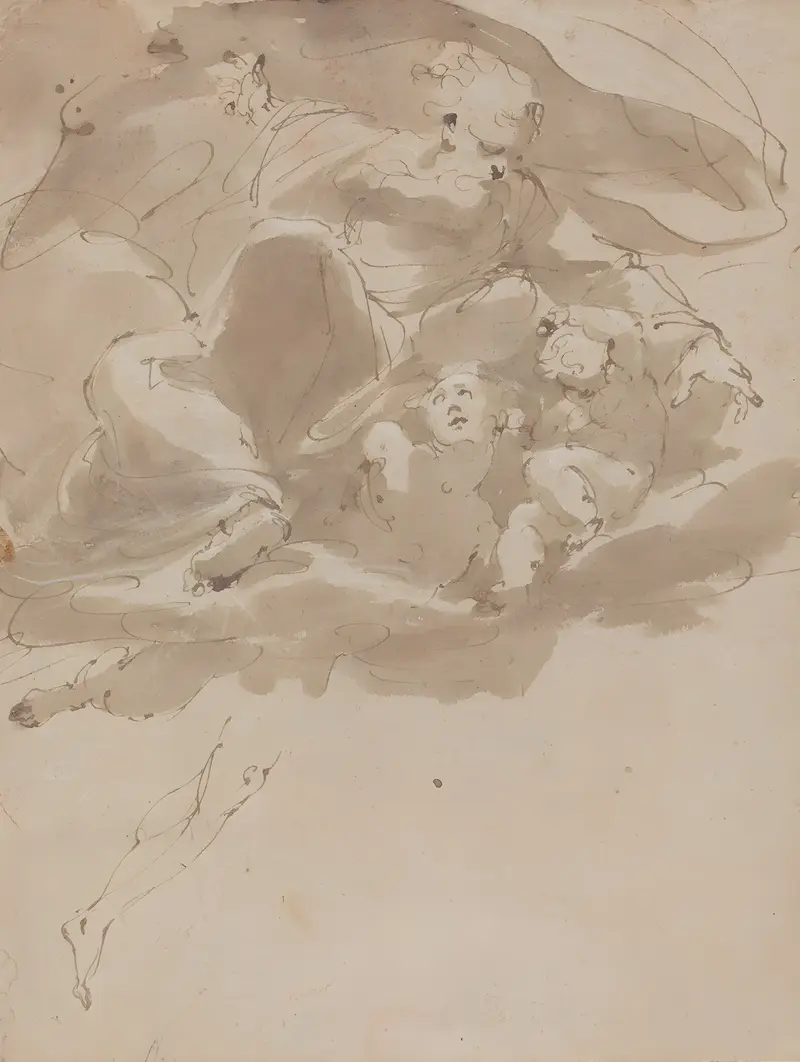
God the Father with Angels
Italian School

Standing Woman Holding a Scroll
Italian School





