Hamoir — History & Facts
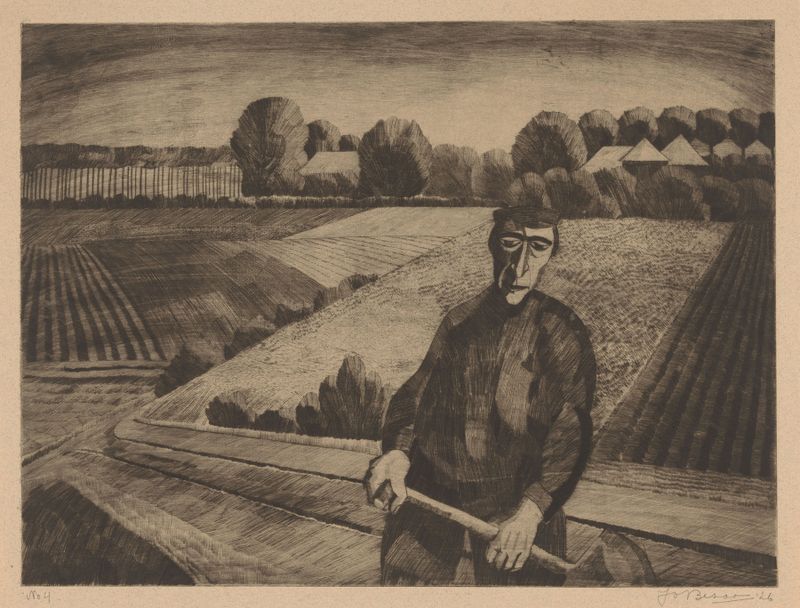
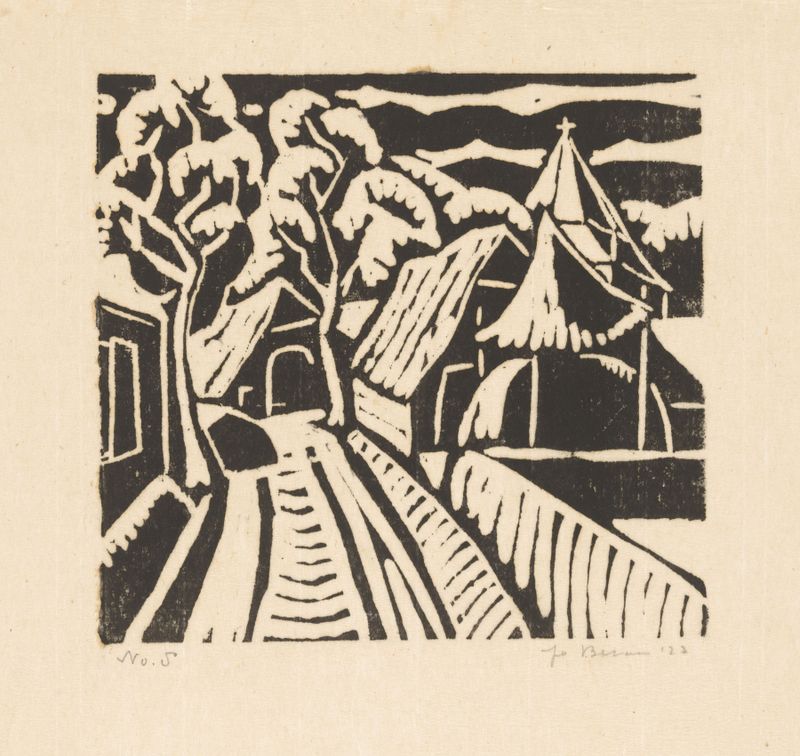
Where does light end, and longing begin? In this quiet exploration of loneliness, the boundary between illumination and isolation seems to dissolve, inviting contemplation on the human experience. Look to the left at the soft, diffused light pouring through a solitary window, casting elongated shadows across the room. Notice the subtle interplay of muted colors—earthy browns and cool grays that evoke a sense of stillness and restraint. The sparse furnishings, a lone chair and a small table, create an intimate yet stark environment; each element is carefully placed, leading the viewer’s eye toward the haunting emptiness that envelops the space. As you take in these details, consider the emotional weight they carry.
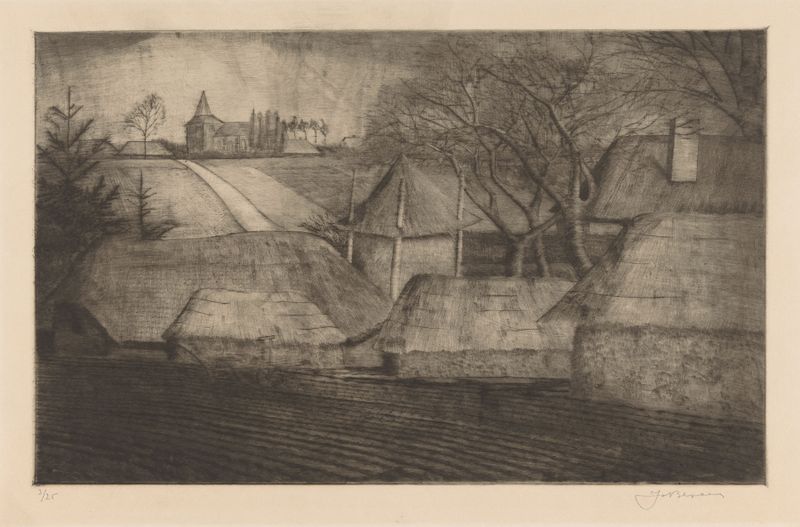
The absence of human presence amplifies the feeling of solitude, while the gentle light hints at the possibility of hope or warmth just beyond the threshold. The room becomes a character itself, embodying both comfort and confinement, a dichotomy that invites the viewer to reflect on their own relationship with loneliness. The shadows seem to whisper secrets, leaving a lingering sense of yearning for connection amidst the stillness. Jo Bezaan created Hamoir between 1904 and 1938, a period marked by significant social change and artistic evolution.
Working primarily in France during this time, Bezaan was influenced by the emerging modernist movements and the introspective currents of post-war sentiment. This painting reflects his exploration of isolation, capturing the essence of a world grappling with the aftermath of turmoil, and revealing the deep emotional landscape of the human psyche.