
Hangars à côté du Sacré Cœur — History & Facts
Could beauty survive in a century of chaos? This question hangs in the air, echoing the sentiment of longing that permeates Hangars à côté du Sacré Cœur. Look to the left of the canvas, where the architectural elegance of the Basilica looms majestically, bathed in the soft, golden hues of a setting sun. The warm colors contrast with the cooler tones of the industrial structures that flank its sides, creating a dynamic tension between the sacred and the secular. Notice how the artist’s brushstrokes capture the delicate interplay of light and shadow, suggesting not just a moment in time but a broader conversation about the coexistence of beauty and industry. The juxtaposition of the serene, spiritual presence of the Sacré Cœur against the stark outlines of the hangars reflects a deeper narrative of longing—a yearning for connection in a rapidly changing world.
Each element tells a story; the worn surfaces of the hangars symbolize the passage of time, while the Basilica stands as a reminder of permanence and faith. This tension invites a contemplation of what is lost and what remains, prompting viewers to reflect on their own experiences of beauty amid chaos. Ferdinand Boberg created Hangars à côté du Sacré Cœur in 1925, during a time when Paris was at the crossroads of modernism and tradition. Emerging from the shadow of World War I, Boberg sought to capture a city grappling with its identity.
His work reflects not only personal explorations but also the turbulent spirit of an era marked by transformation in both art and society.
More Artworks by Ferdinand Boberg
Browse all →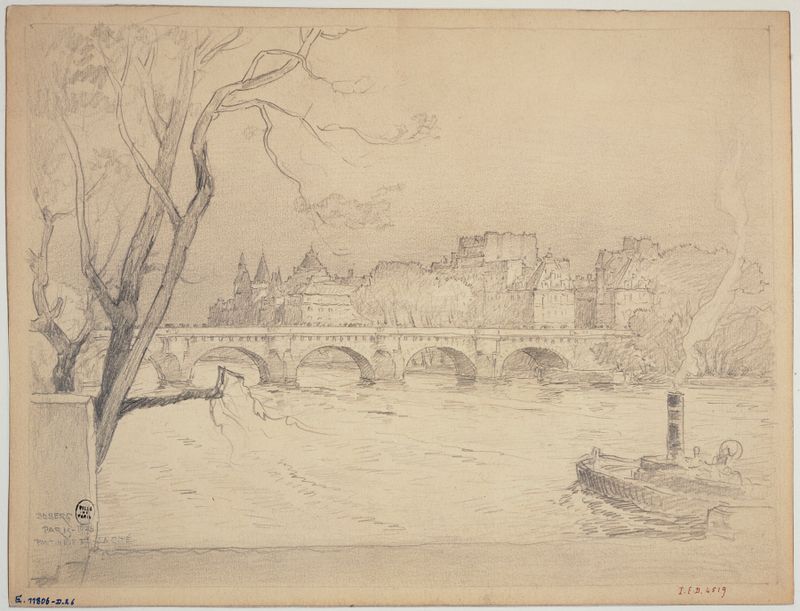
Le Pont-Neuf et la Cité
Ferdinand Boberg
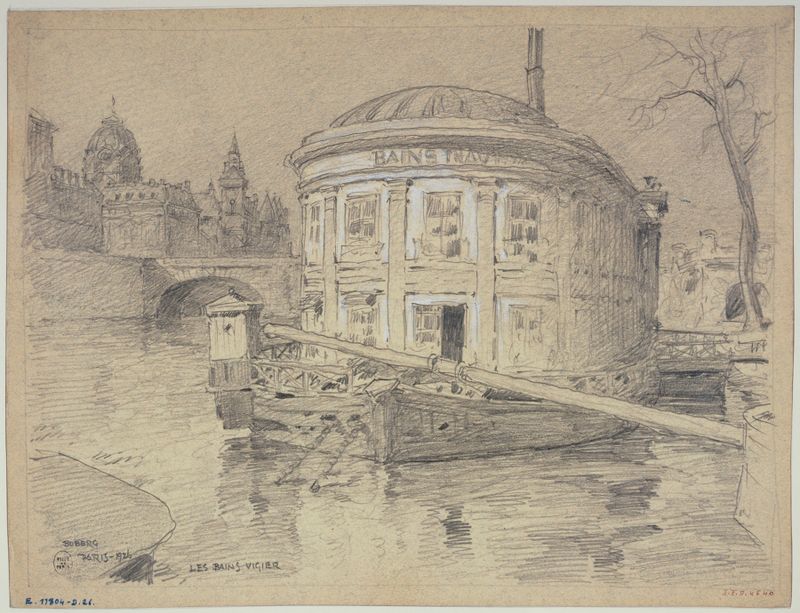
Les bains Vigier au Pont-Neuf
Ferdinand Boberg
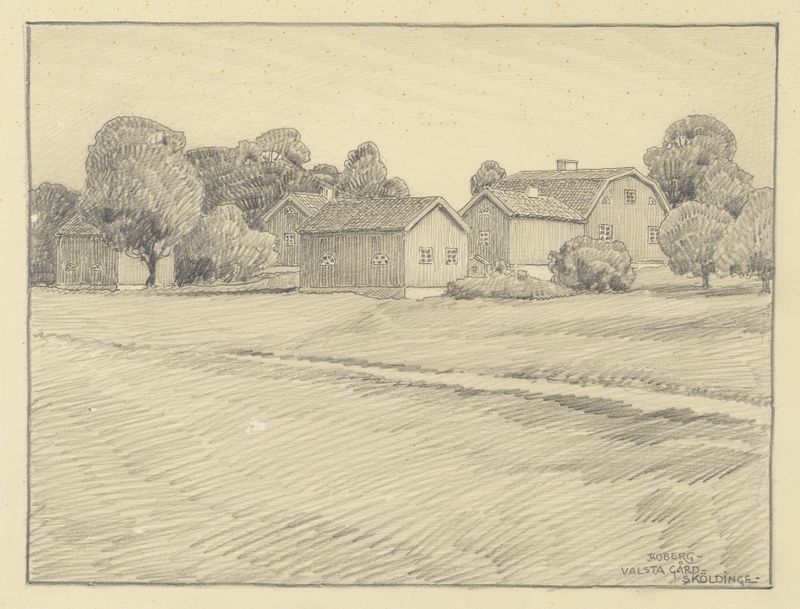
Valsta Gård
Ferdinand Boberg
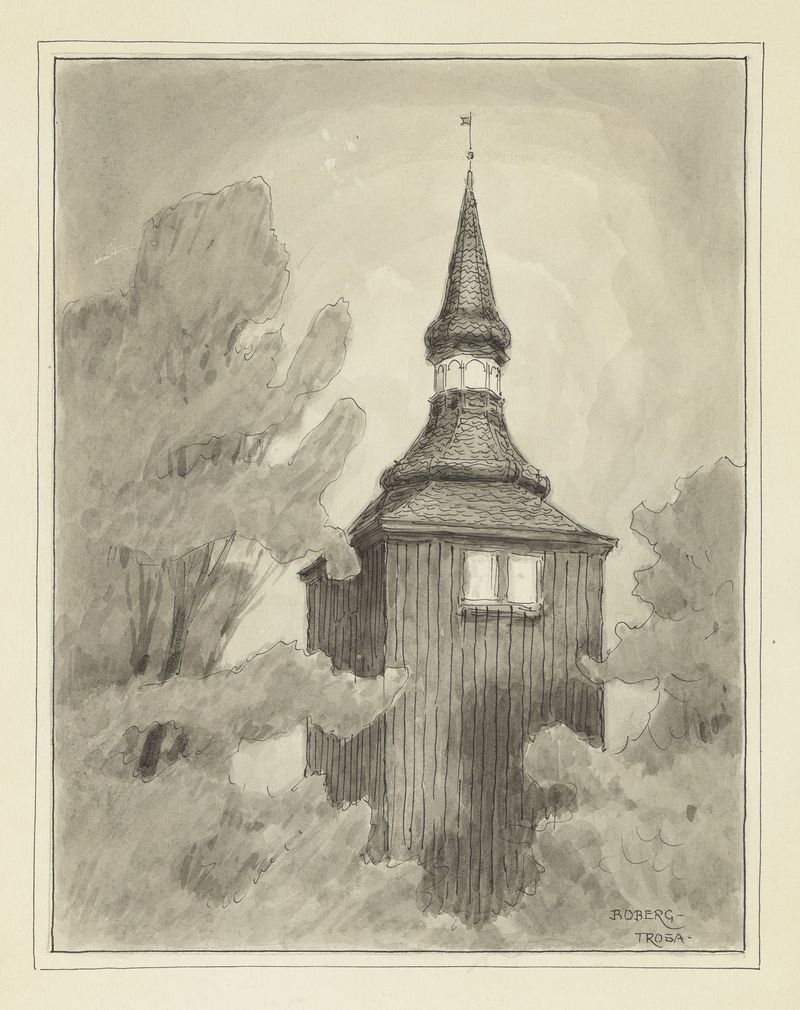
Trosa
Ferdinand Boberg
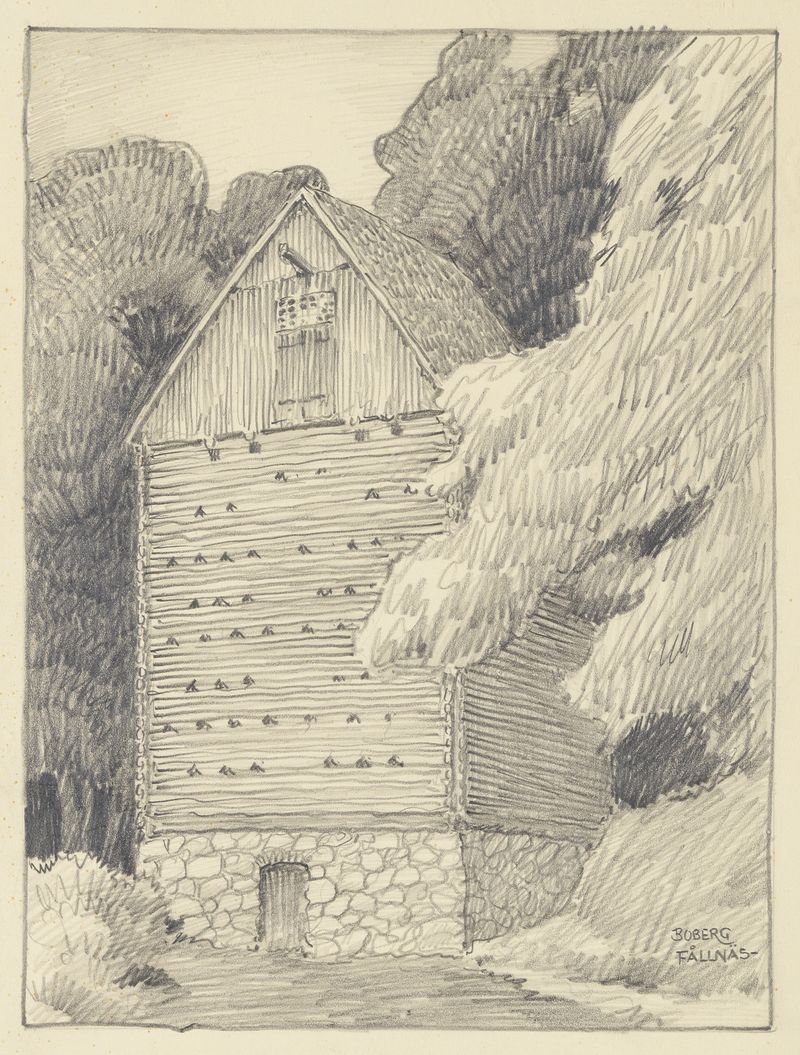
Fållnäs
Ferdinand Boberg
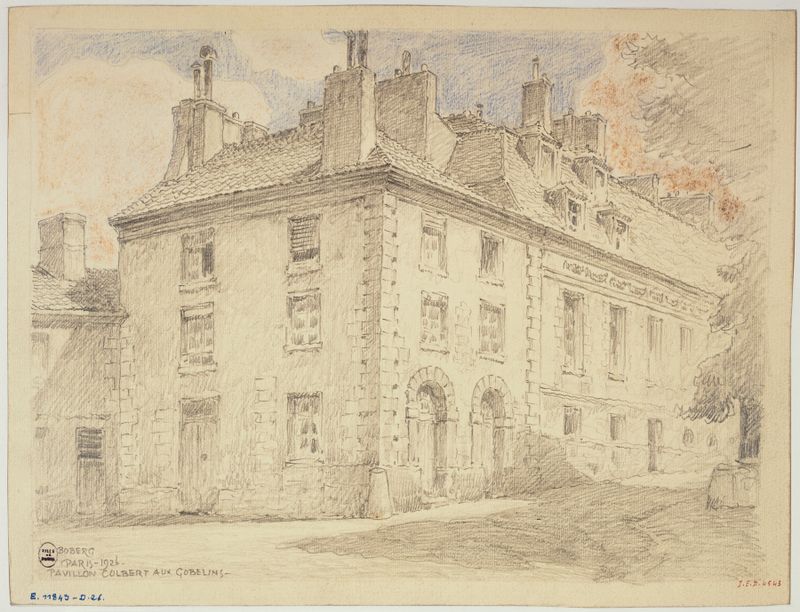
Le pavillon Colbert aux Gobelins
Ferdinand Boberg
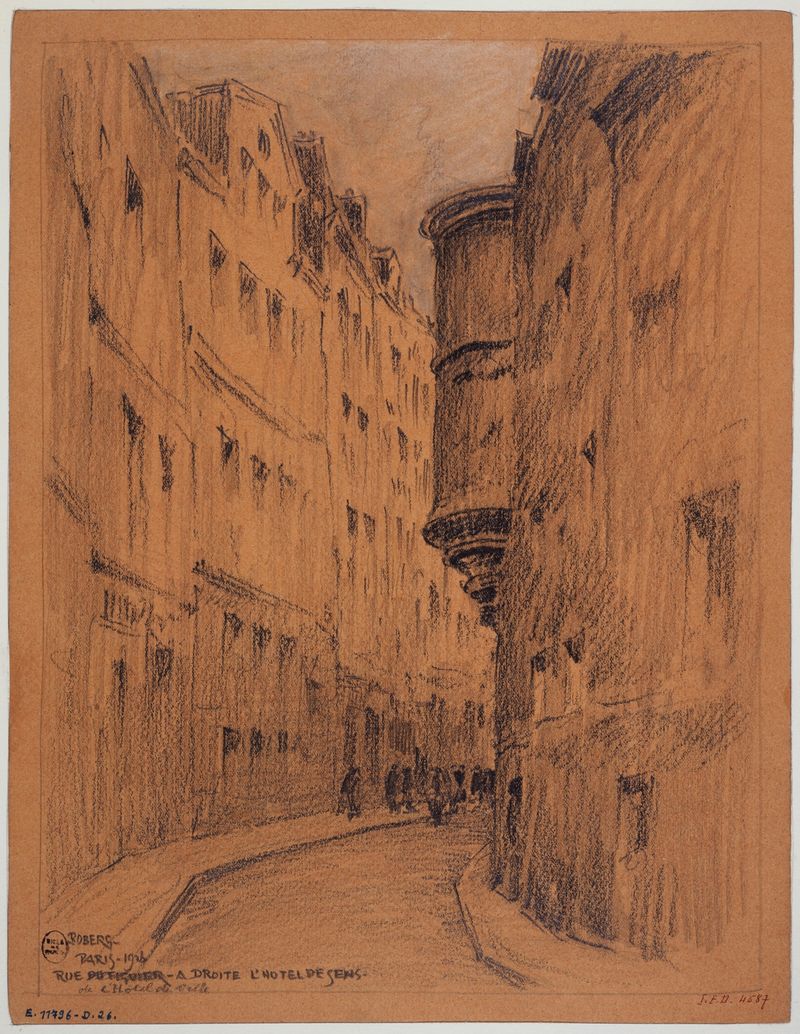
Rue de l’Hôtel de Ville; l’hôtel de Sens
Ferdinand Boberg
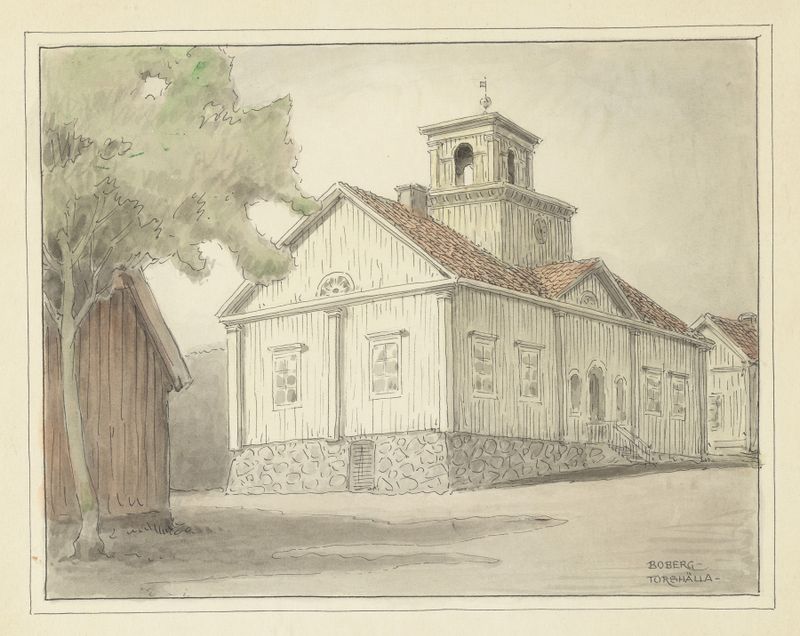
Torshälla
Ferdinand Boberg
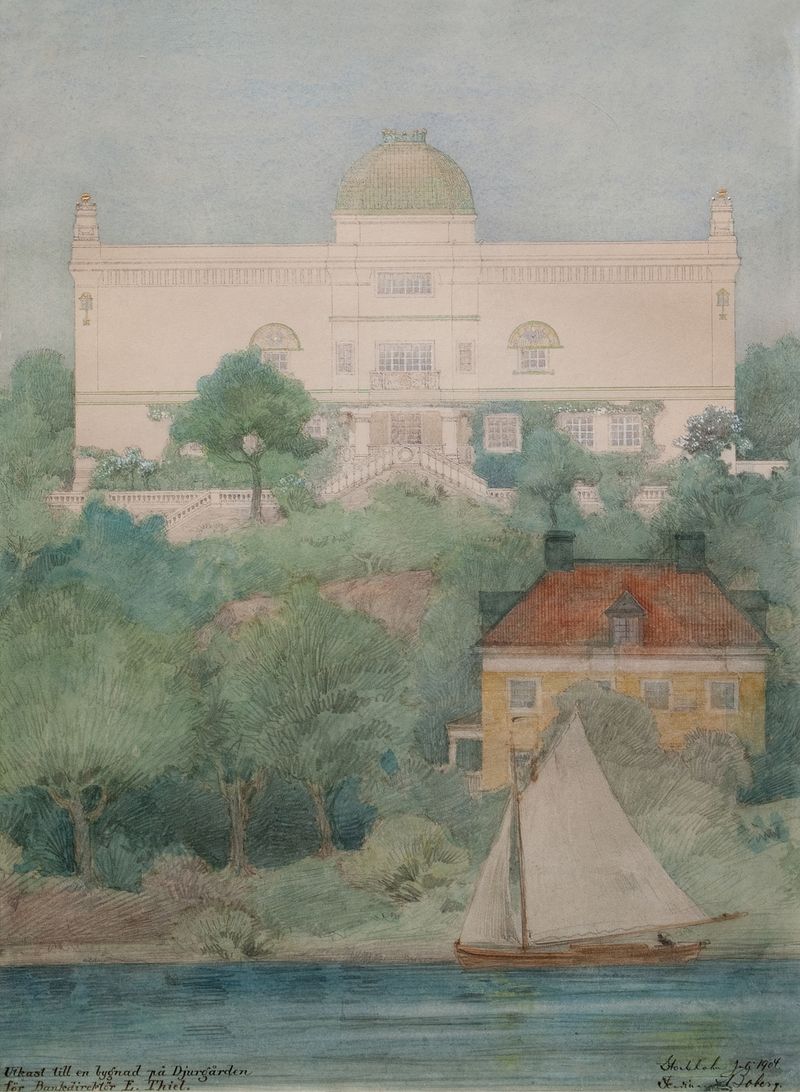
Sketch for a building for Thiel’s Gallery
Ferdinand Boberg
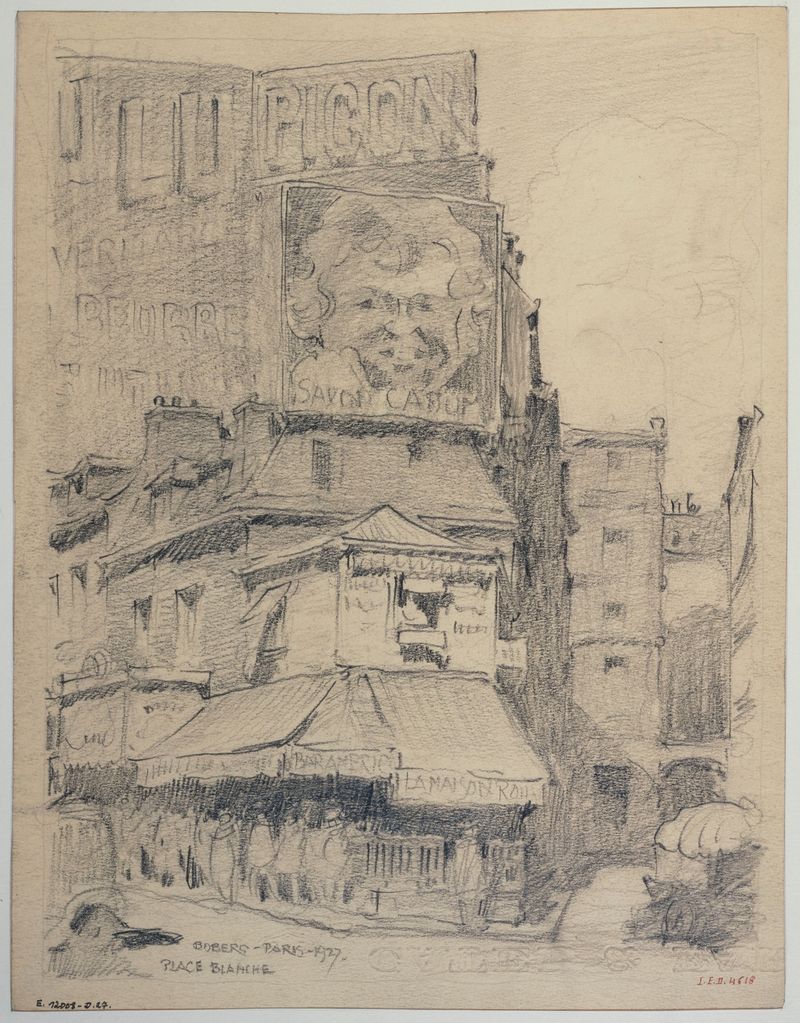
La place Blanche
Ferdinand Boberg





