
Haru no yu, Ueno Toshogu (Spring evening at Toshogu in Ueno) — History & Facts
Who listens when art speaks of silence? In the hushed embrace of twilight, the world fades into soft whispers, and fear lingers just beyond the edge of perception. Look to the foreground, where delicate cherry blossoms unfurl with a gentle grace, their pale petals catching the last glimmers of daylight. Notice how the artistry captures the muted tones of evening—the deep indigos, soft pinks, and tender greens harmonizing in a serene composition. The tranquil pond mirrored beneath speaks volumes, its surface reflecting not just the trees but the very atmosphere of peace tinged with a hint of anxiety, as if the night holds its breath. Beneath the tranquil surface lies a tension that resonates with the viewer.
The juxtaposition of blooming life and the encroaching shadows creates an almost palpable sense of uncertainty. The blossoms, while ethereal and beautiful, can evoke a fleeting quality, a reminder that beauty can be both ephemeral and fraught with unspoken fears. This delicate balance between serenity and apprehension makes the scene linger in the viewer’s mind, inviting contemplation on the fragility of existence. Kawase Hasui painted Haru no yu, Ueno in 1948, a period marked by the aftermath of World War II in Japan.
As the country sought to rebuild and redefine itself, the artist explored themes of nature, solitude, and tranquility, reflecting both personal and collective experiences of loss and recovery. Working in the traditional ukiyo-e style, Hasui’s prints epitomized a yearning for peace, capturing moments where the beauty of nature offered solace amid the uncertainties of a changing world.
More Artworks by Kawase Hasui
Browse all →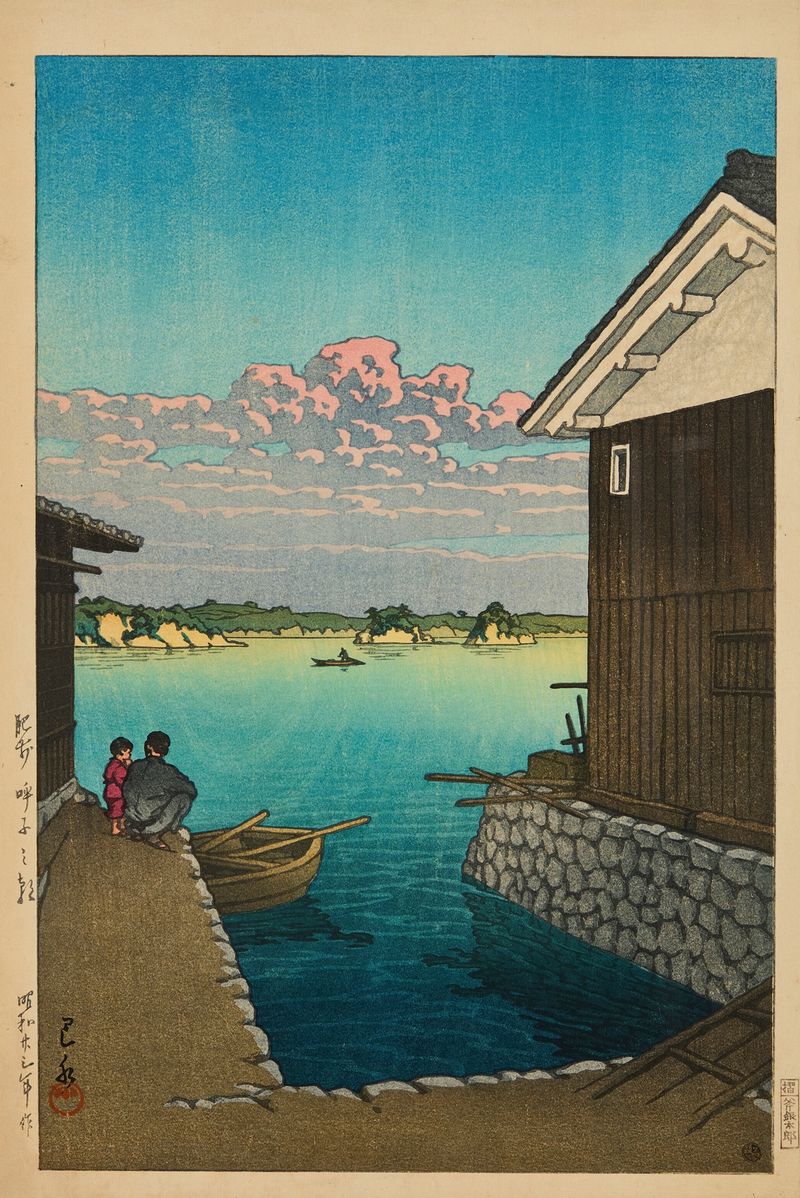
Hizen Yobuko no asa (Morning in Yobuko, Hizen)
Kawase Hasui
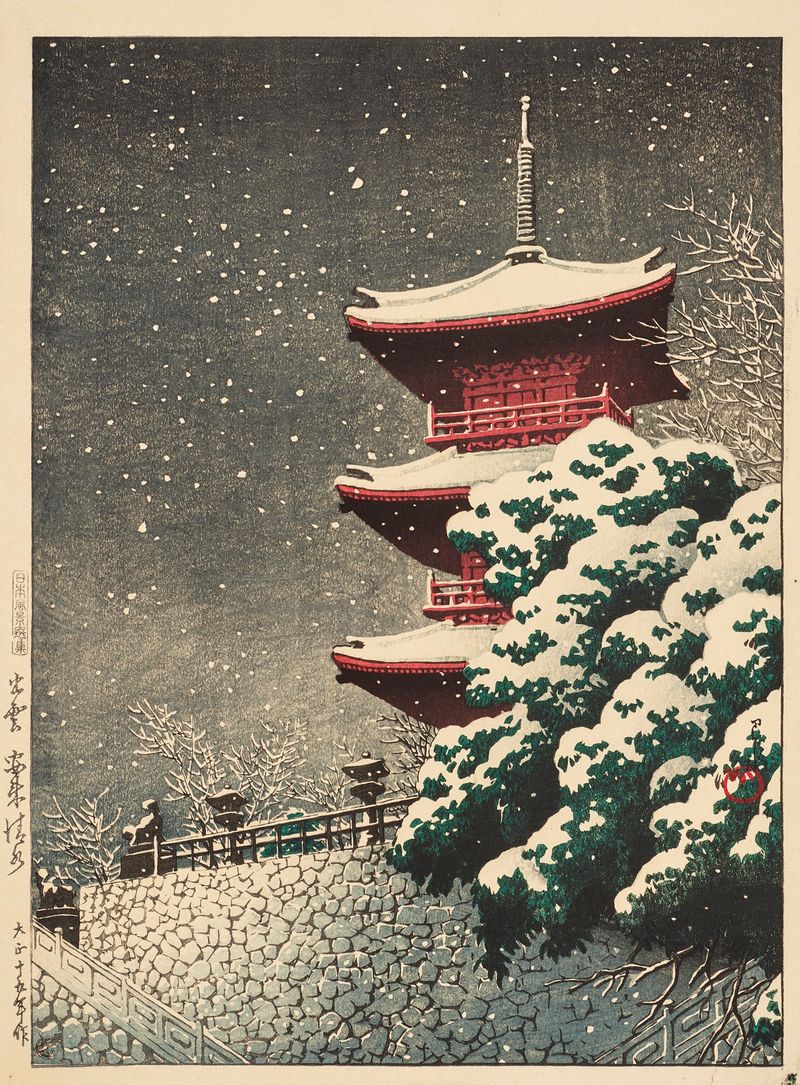
Izumo, Yasugi Kiyomizu (Yasugi Kiyomizu Temple at Izumo)
Kawase Hasui
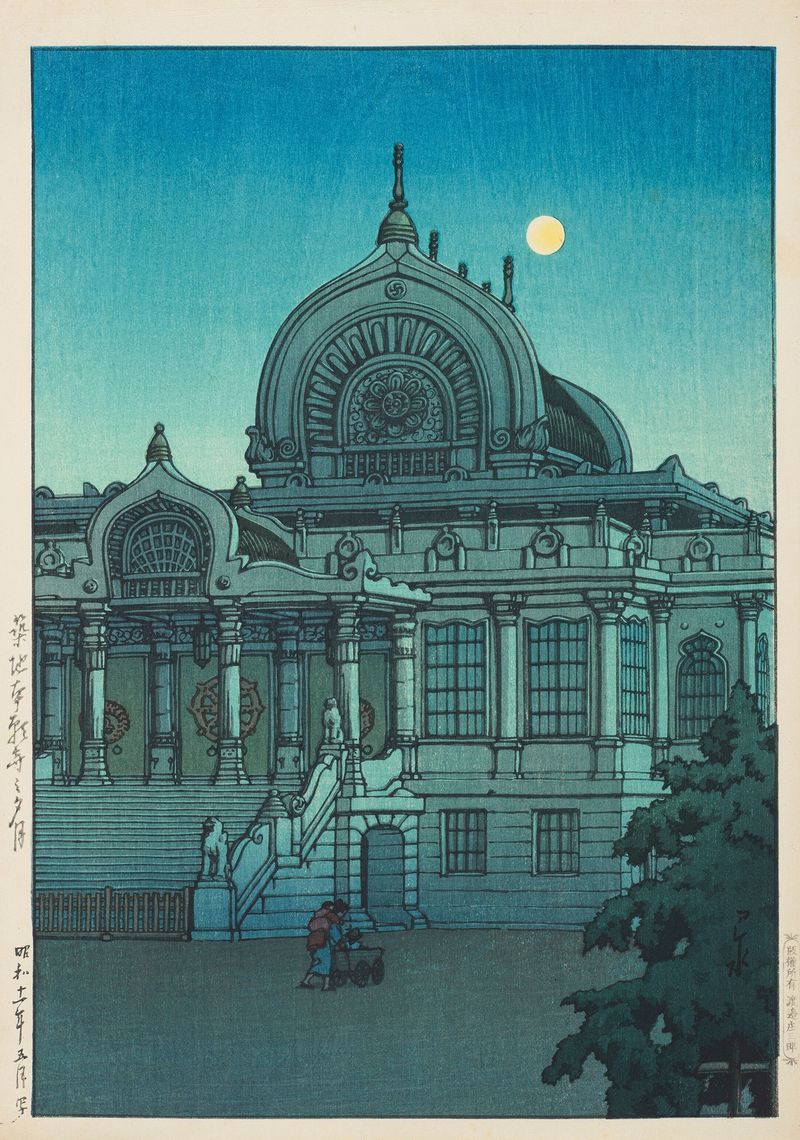
Tsukiji Honganji no yuzuki (Evening moon at Honganji Temple in Tsukiji)
Kawase Hasui
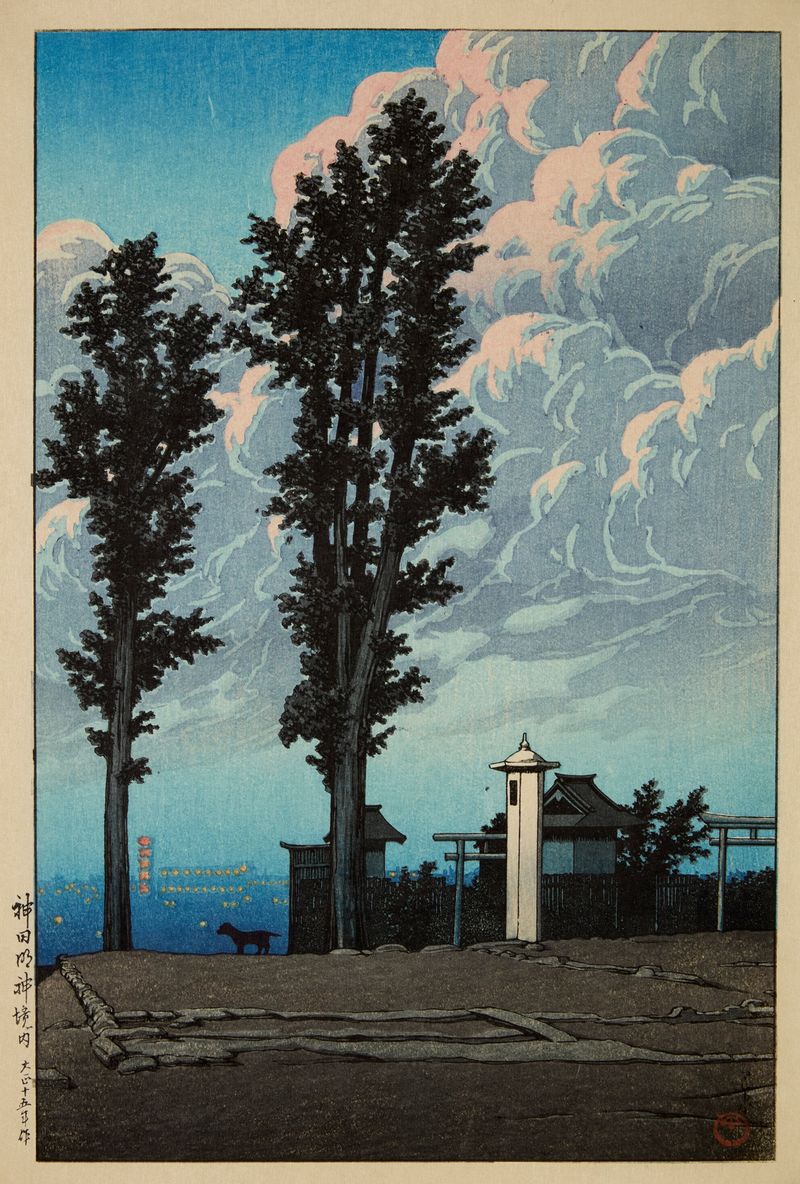
Kanda Myojin keidai (Kanda Myojin Shrine precent)
Kawase Hasui
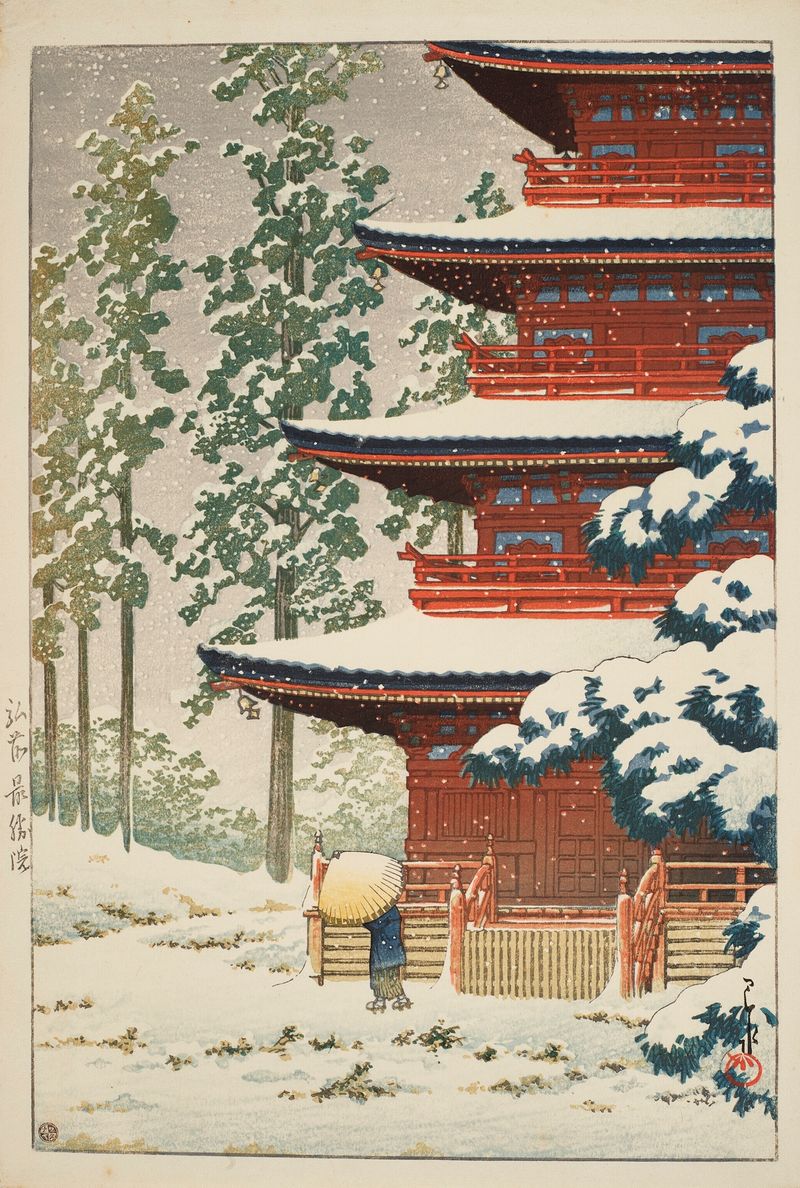
Saisho-in Temple, Hirosaki
Kawase Hasui
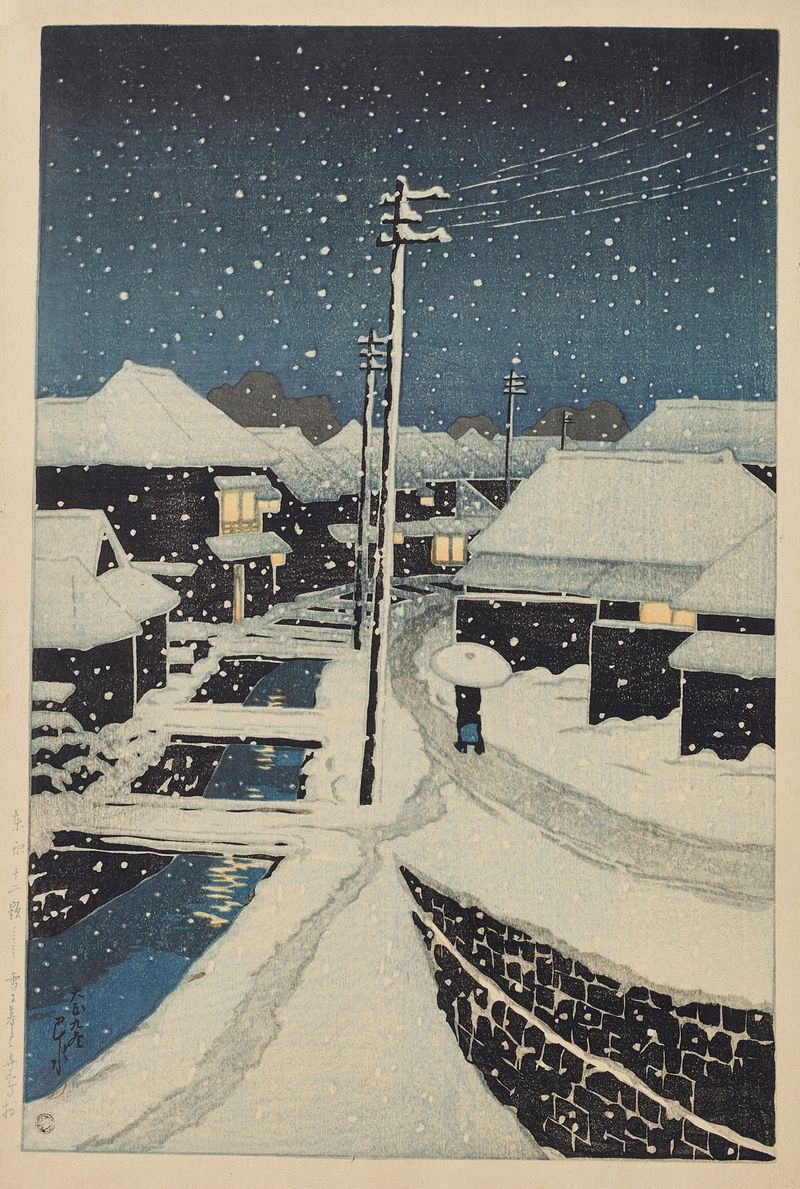
Yuki ni fururu Terajima mura (Evening snow at Terajima Village)
Kawase Hasui
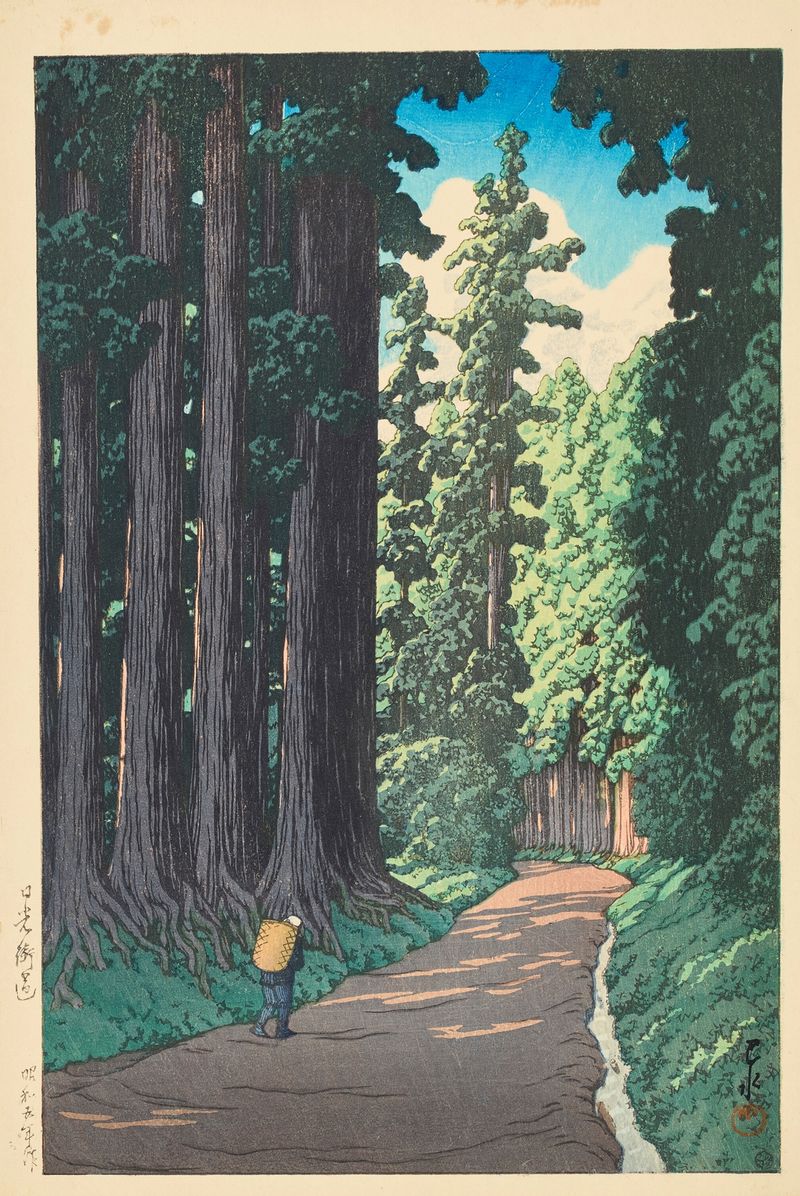
Nikko gaido (The Road to Nikko)
Kawase Hasui
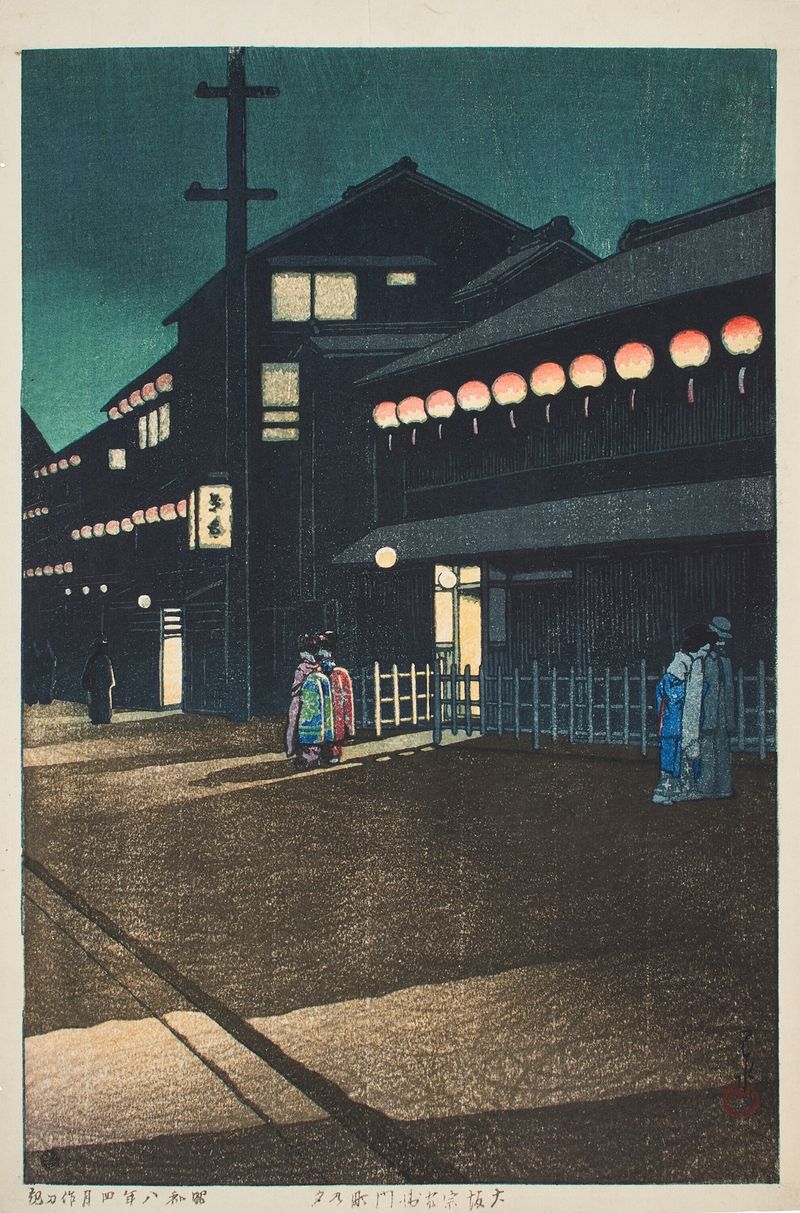
Osaka Soemon-cho no yu (Evening in Soemon-cho, Osaka)
Kawase Hasui
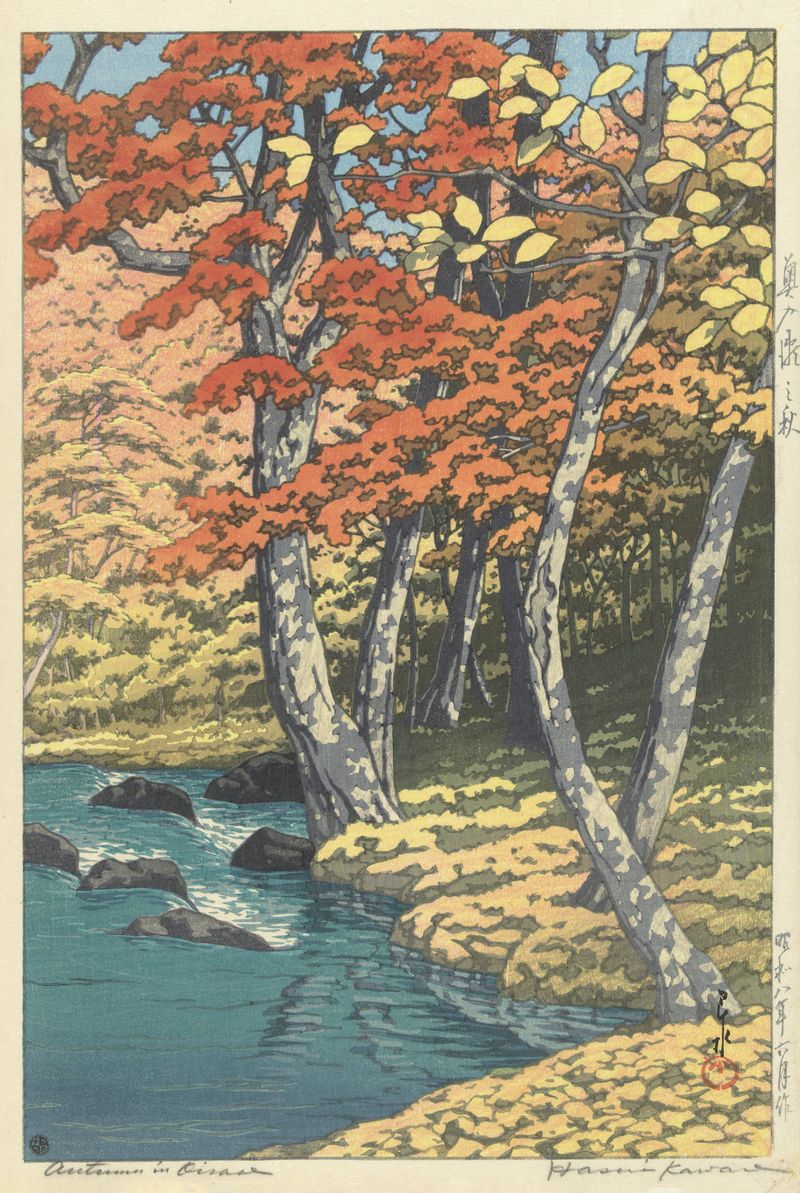
Autumn In Oirase
Kawase Hasui
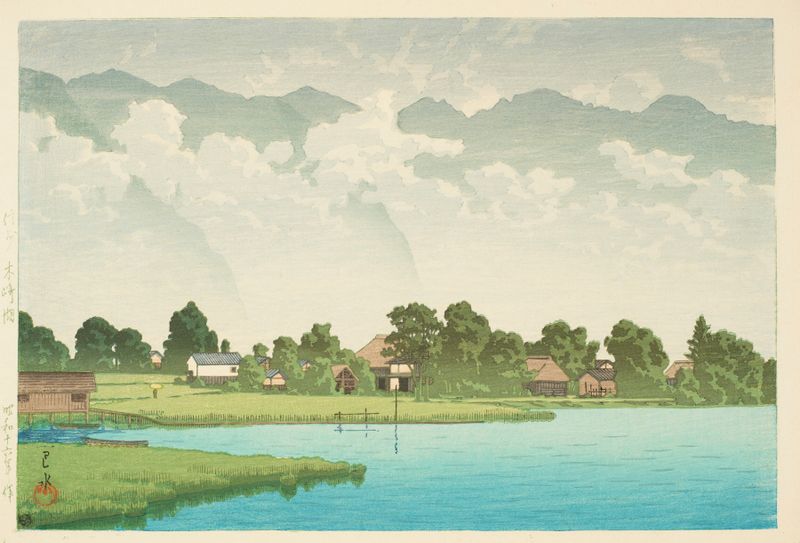
Shinshu Kizakiko (Kizaki Lake in Shinshu)
Kawase Hasui





