
Harvest — History & Facts
In the stillness of Harvest, a moment unfolds where reflection meets the essence of nature. It beckons the viewer to peer beyond the surface into a world steeped in quiet revelation. Look to the foreground, where muted earth tones converge to create an atmosphere thick with anticipation. The soft brushstrokes depict a landscape teeming with life, yet the absence of figures invites a contemplation of solitude.
Notice how the light dances gently across the canvas, illuminating patches of wheat that sway in a whispering breeze. A rich palette of gold and deep green draws the eye upward, creating a sense of harmony that oscillates between abundance and introspection. Within the scene lies an emotional tension that speaks of both labor and tranquility. The golden fields suggest the satisfaction of a bountiful harvest, yet the lack of human presence evokes a profound solitude, hinting at the quiet sacrifices tethered to nature's cycles.
The juxtaposition of light and shadow invites the viewer to reflect not only on the beauty of the earth but also on life’s ephemerality — the inexorable passage of time evident in both growth and decay. Created during the late 19th century, Ryder’s Harvest reflects his fascination with both mysticism and natural beauty. While living in New York, where the art scene was evolving, he grappled with personal struggles and an ever-shifting artistic landscape. This period was marked by an embrace of both Romanticism and early Symbolism, and Ryder's work often sought to connect the viewer with the deeper spiritual forces at play in the natural world.
More Artworks by Albert Pinkham Ryder
Browse all →
The Toilers of the Sea
Albert Pinkham Ryder
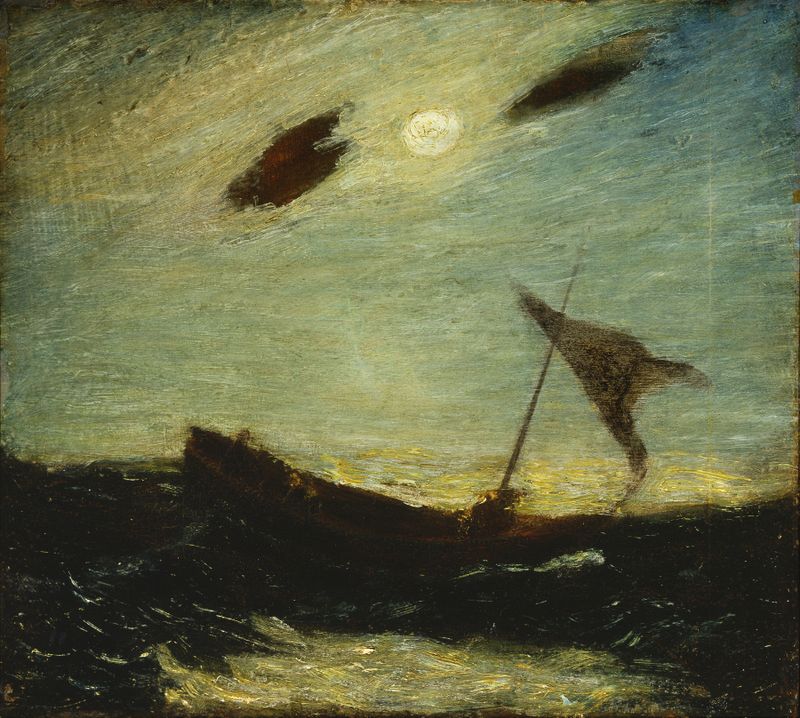
Moonlight
Albert Pinkham Ryder

The Lorelei
Albert Pinkham Ryder

With Sloping Mast And Dipping Prow
Albert Pinkham Ryder

The Temple of the Mind
Albert Pinkham Ryder

Moonlight Marine
Albert Pinkham Ryder

The Lovers’ Boat
Albert Pinkham Ryder

Under a Cloud
Albert Pinkham Ryder
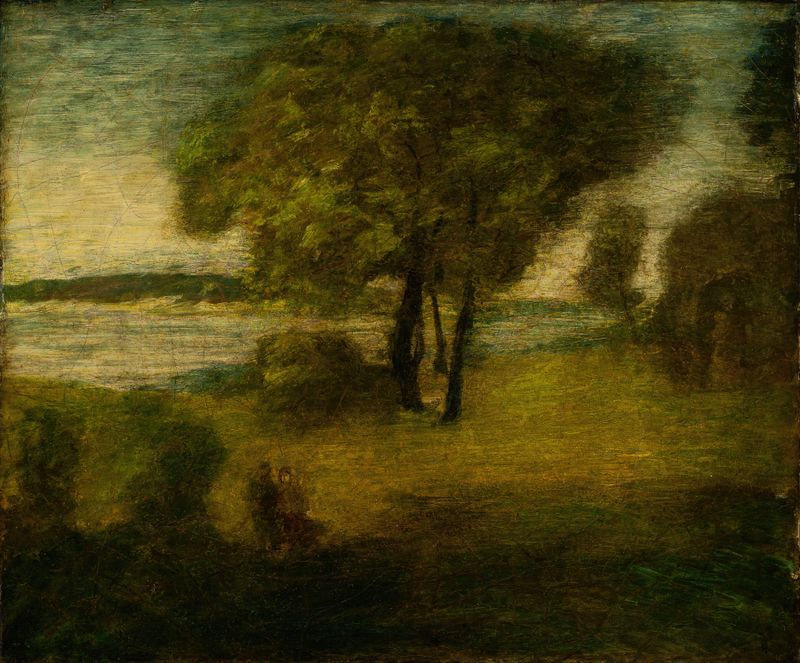
The River
Albert Pinkham Ryder
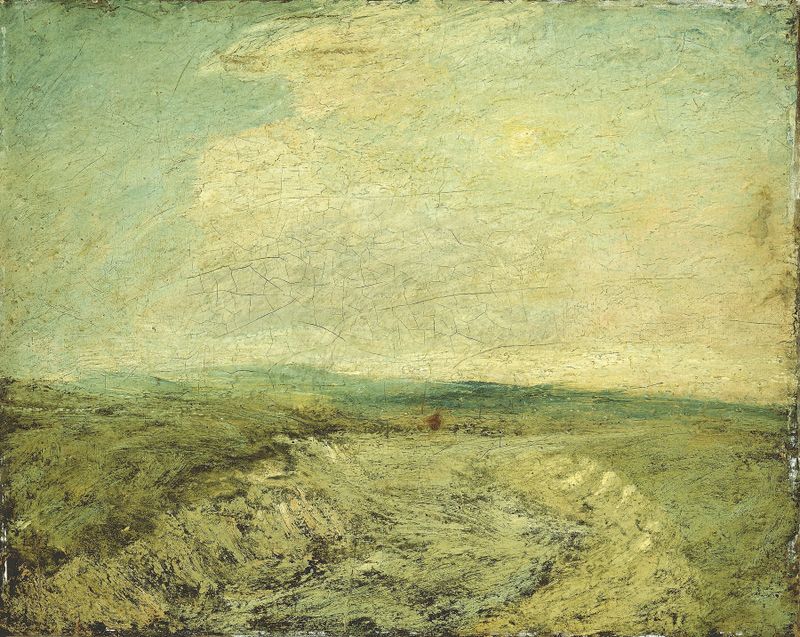
The Essex Canal
Albert Pinkham Ryder





