
The Toilers of the Sea — History & Facts
In The Toilers of the Sea, the yearning for freedom and connection is palpable, rendered in waves of emotion and color. This piece embodies the deep ties between humanity and the relentless expanse of nature, echoing the struggles that define our existence. Focus your gaze on the tumultuous sea, where turbulent waves cascade toward the horizon. The hues of deep blues and muted greens evoke a sense of both majesty and danger, while strokes of white capture the frothy tumult of the surf.
The figures, though small against this vast backdrop, convey a sense of determination and resilience as they grapple with their task, their postures reflecting both toil and hope. Notice how the contrasting shadows deepen the emotional weight, inviting the viewer to ponder the story behind their labor. Beneath its surface lies a poignant dialogue between man and nature, illustrating both the awe and trepidation that the sea inspires. The weary expressions of the toilers evoke a universal struggle against the forces beyond their control, hinting at a longing for safety amid turmoil.
Additionally, the rhythmic patterns of the waves symbolize the cyclical nature of life — a continuous ebb and flow that binds all existence in a shared narrative of survival. During the years between 1880 and 1885, Ryder, an American painter, was deeply engaged in capturing the emotional intensity of the human experience through nature. Working amidst a burgeoning movement towards realism and symbolism, he embraced a personal style that defied conventional techniques, reflecting a world rich with spiritual undertones and existential questions. This period marked a significant evolution in Ryder's artistic vision, culminating in works that resonate with profound depth and feeling.
More Artworks by Albert Pinkham Ryder
Browse all →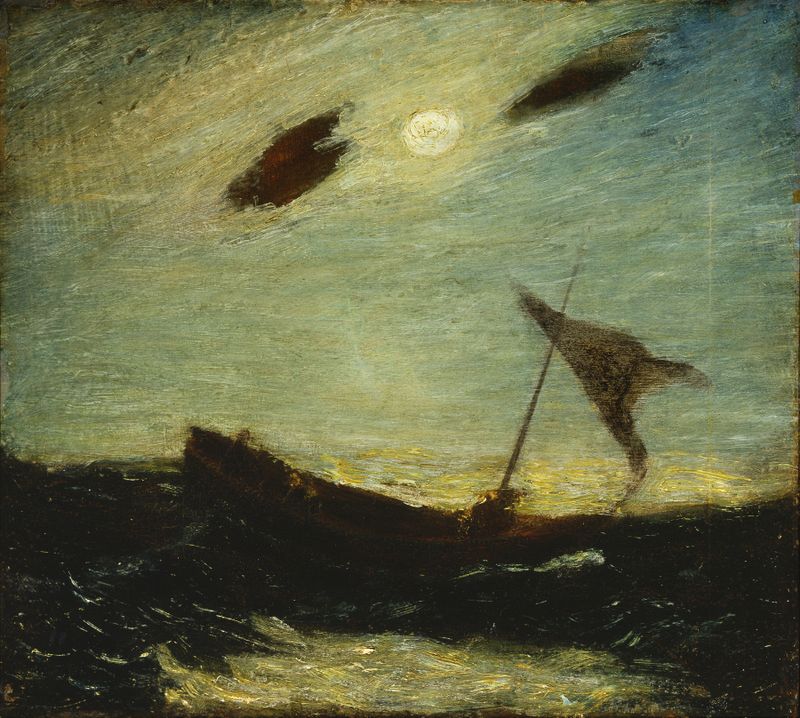
Moonlight
Albert Pinkham Ryder

The Lorelei
Albert Pinkham Ryder

With Sloping Mast And Dipping Prow
Albert Pinkham Ryder

The Temple of the Mind
Albert Pinkham Ryder

Moonlight Marine
Albert Pinkham Ryder

The Lovers’ Boat
Albert Pinkham Ryder

Harvest
Albert Pinkham Ryder

Under a Cloud
Albert Pinkham Ryder
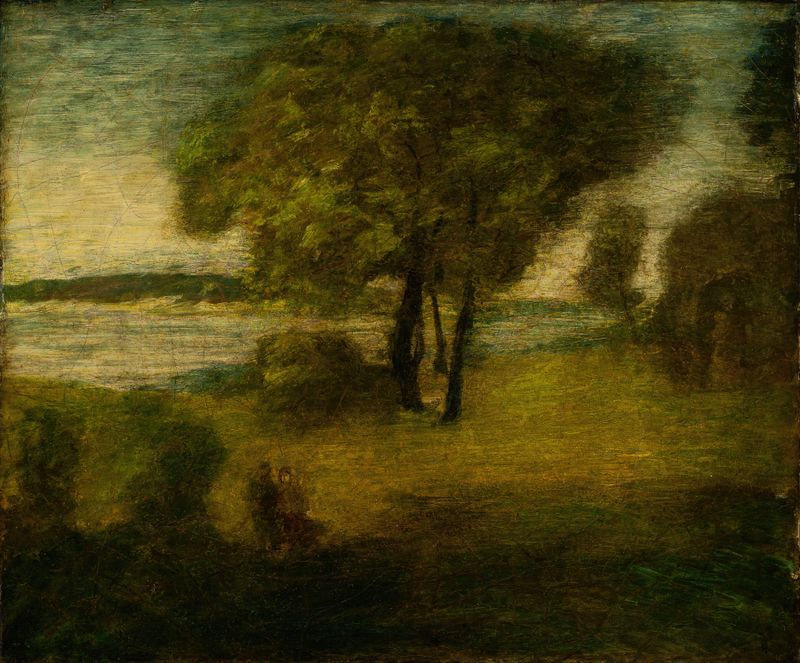
The River
Albert Pinkham Ryder
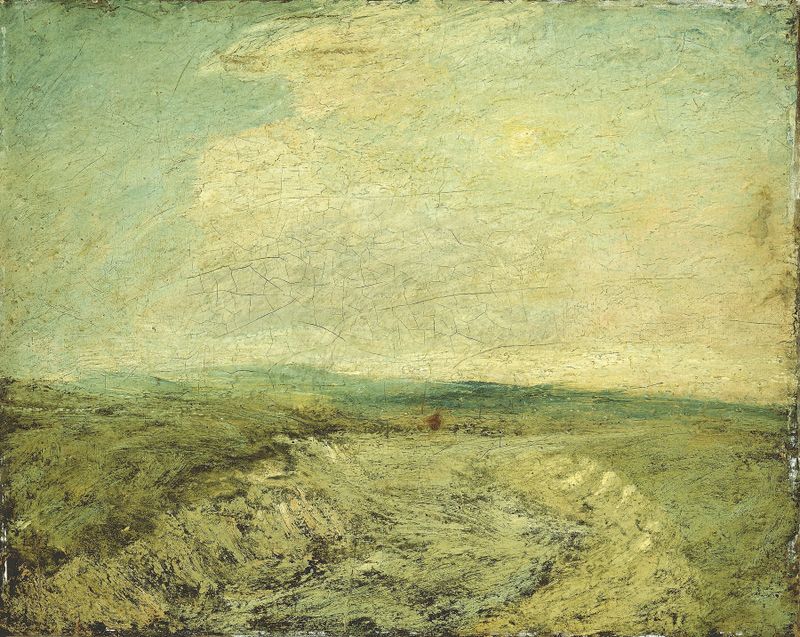
The Essex Canal
Albert Pinkham Ryder





