
Moonlight — History & Facts
Can paint confess what words never could? In Moonlight, the ethereal interplay of light and shadow breathes hope into the quiet night, whispering secrets of dreams suspended above darker waters. Look to the left where the moon casts a silvery glow upon the rippling surface of water, inviting the eye to trace its path across the canvas. The deep blues and silvery whites create a hauntingly tranquil atmosphere, while the somber hues of the surrounding landscape frame the scene in a way that feels both intimate and expansive. Each brushstroke is deliberate, gently guiding the viewer deeper into the night, suggesting movement and stillness in equal measure. Within this scene lies a profound emotional tension; the luminous moonlight contrasts sharply with the foreboding darkness, evoking a sense of longing and unfulfilled aspirations.
The stillness of the water reflects not just the night sky but also the solitude that envelops the figure in the foreground—a lone boat, perhaps a metaphor for one's journey through despair toward the light of hope. The artist's choice of color and composition elevates this solitary moment, hinting at the universal struggle between despair and the yearning for serenity. In 1887, Ryder created this piece during a period of increasing introspection in his life, influenced by the Symbolist movement that sought to convey deeper emotional realities. As he painted in his New York studio, the world of art was beginning to embrace the avant-garde, yet Ryder remained dedicated to his own unique vision, producing works that would resonate with themes of spirituality and transcendence.
More Artworks by Albert Pinkham Ryder
Browse all →
The Toilers of the Sea
Albert Pinkham Ryder

The Lorelei
Albert Pinkham Ryder

With Sloping Mast And Dipping Prow
Albert Pinkham Ryder

The Temple of the Mind
Albert Pinkham Ryder

Moonlight Marine
Albert Pinkham Ryder

The Lovers’ Boat
Albert Pinkham Ryder

Harvest
Albert Pinkham Ryder

Under a Cloud
Albert Pinkham Ryder
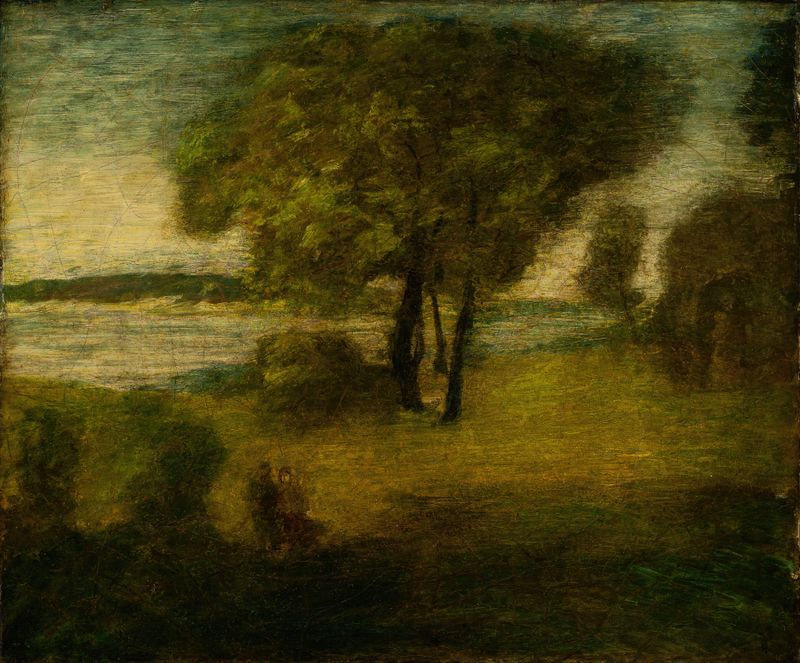
The River
Albert Pinkham Ryder
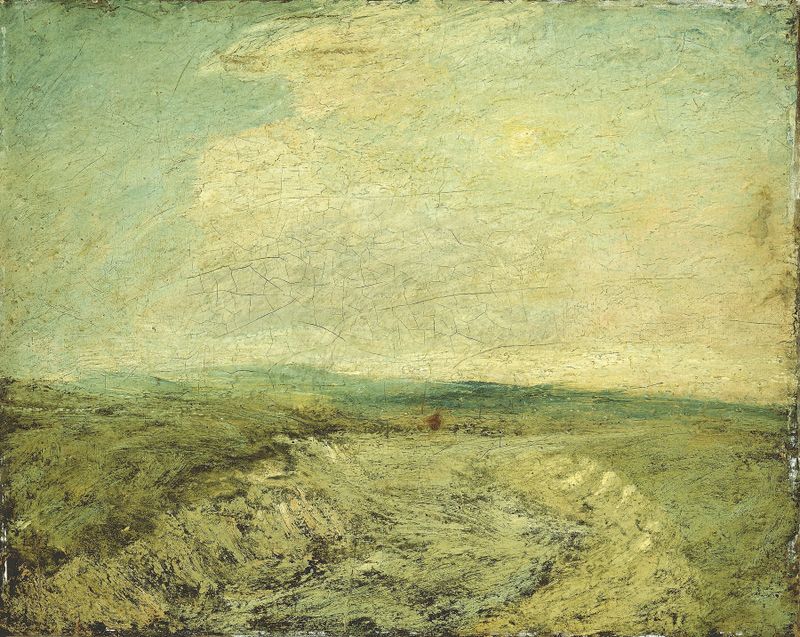
The Essex Canal
Albert Pinkham Ryder





