Haus bei Nacht — History & Analysis
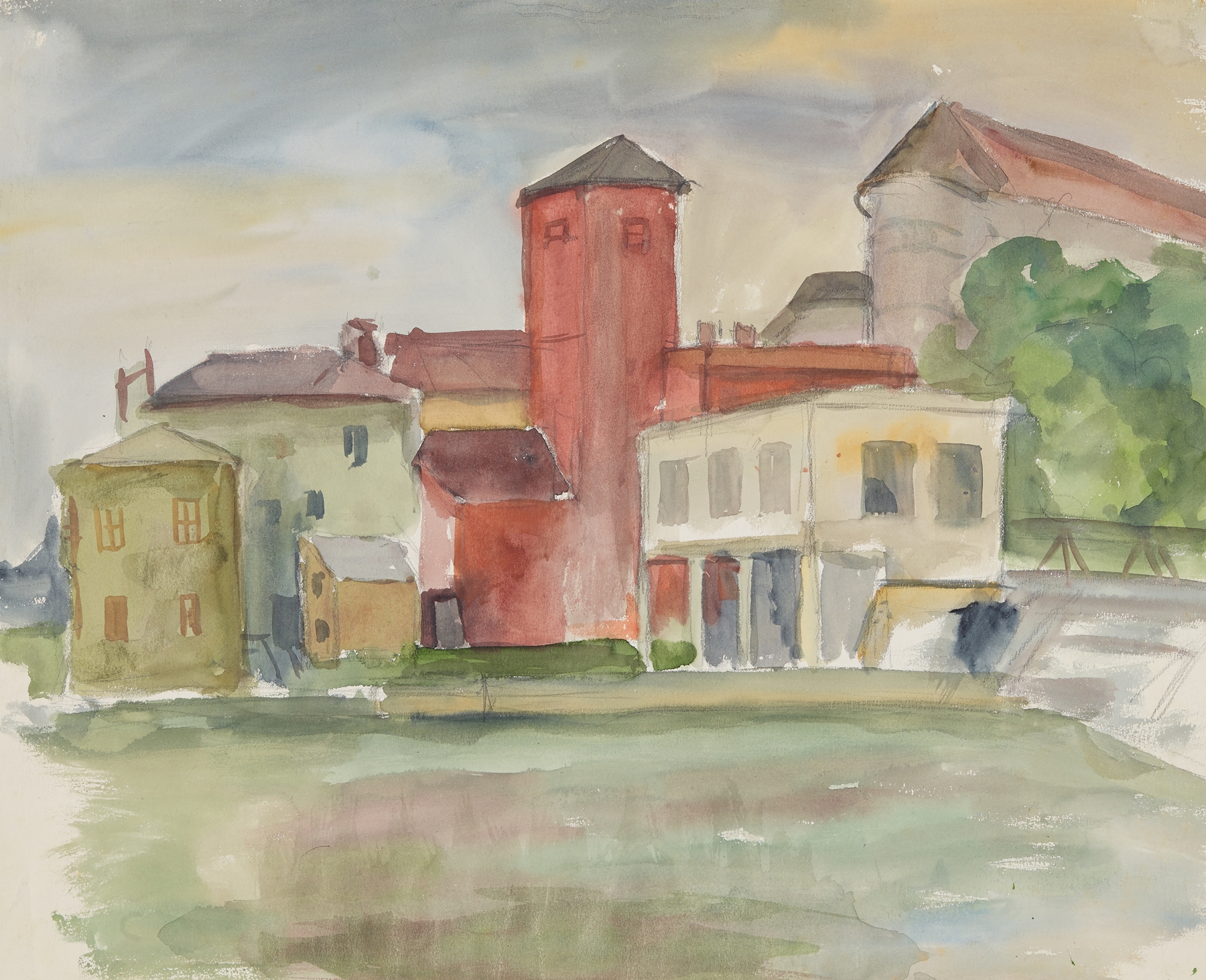
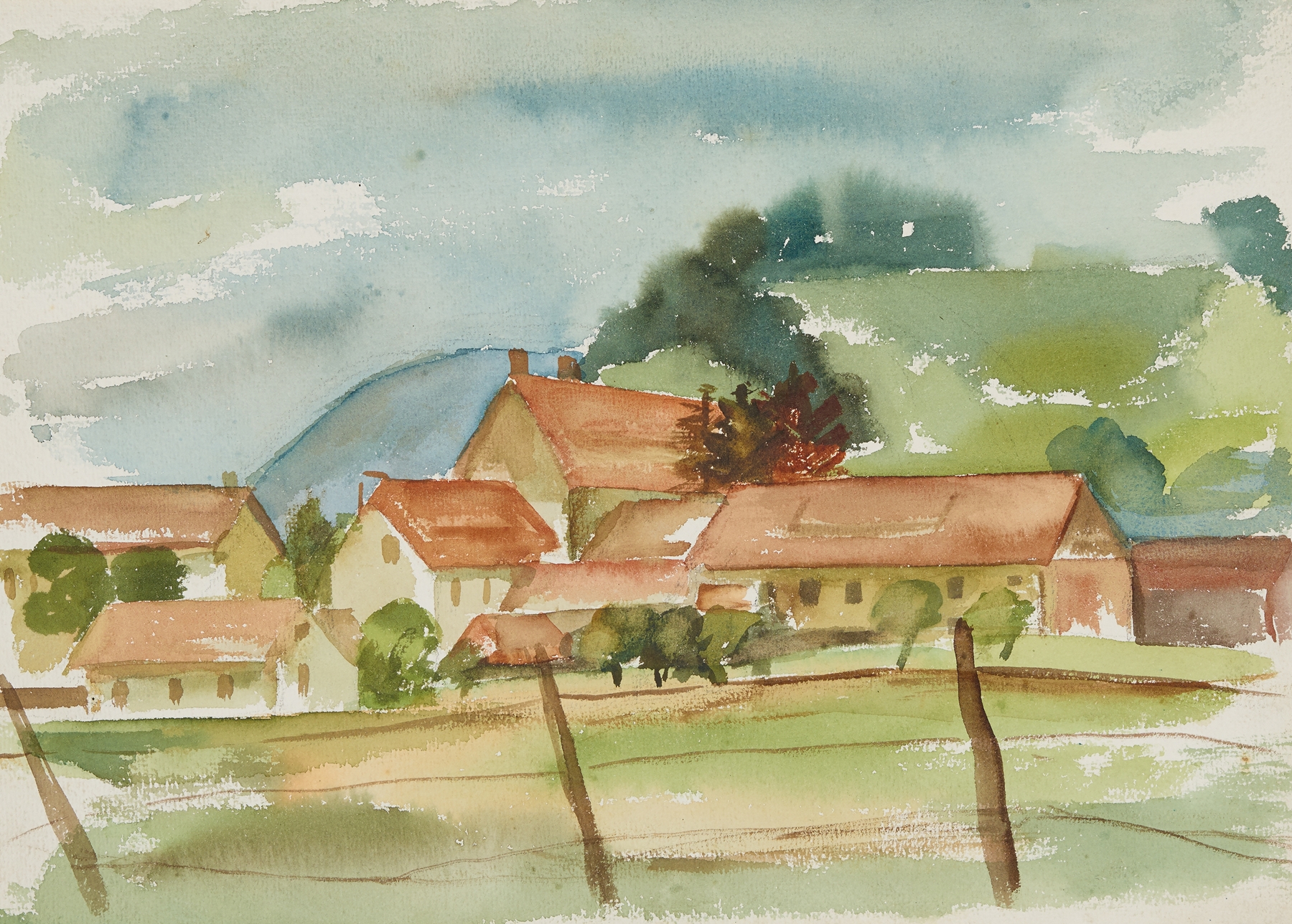
“Between color and silence, truth hides.” Memories often linger in the shadows, waiting for the light to reveal their hidden depths. Each brushstroke can evoke a sense of nostalgia, compelling us to confront the emotions tied to our past. Look closely at the layers of Haus bei Nacht. Notice how the deep blues and muted grays dominate the canvas, creating an atmosphere thick with contemplation.
The solitary house stands resilient against the backdrop, its windows flickering with hints of warm light, inviting yet elusive. The use of contrasting colors illustrates the tension between solitude and connection, drawing your gaze to the glowing rectangles that suggest life within. Beneath the surface, the work speaks to the fragility of memory. The solitude of the house juxtaposed with the vibrant lights reflects the duality of human experience—yearning for companionship while also finding solace in isolation.
Each brushstroke seems to whisper secrets of lives led and stories untold, challenging the viewer to evoke their own memories from the colors woven into the night. Anny Dollschein painted Haus bei Nacht during a period marked by personal introspection and exploration of emotional landscapes. Though the exact date remains unknown, she was active in the early 20th century, a time when artists were increasingly drawn to the psychological depths of their subjects. Her work embodies the search for truth within the stillness, a resonant theme in an era grappling with the complexities of modern life.