
Haven met twee grote zeilschepen — History & Facts
Did the painter know this moment would outlive them? In Haven met twee grote zeilschepen, we witness not just a serene gathering of ships, but an echo of the tensions that once rippled through the waters. The juxtaposition of tranquility and hidden violence lingers beneath the surface, inviting contemplation of the historical currents that shaped the era. Look to the left at the imposing sails, their billowing shapes capturing the wind's energy, while the harbor stretches towards a gentle horizon. The artist's deft brushwork brings a luminescent quality to the water, reflecting the ships’ grandeur and hinting at the stories they carry.
Notice how the muted palette of blues and grays contrasts with the warmer tones of the sky, signifying the delicate balance between calm and unrest, peace and potential strife. Amid the picturesque harbor, one can almost sense the weight of the past. The ships, more than vessels, represent the reach of commerce and power—symbols of both prosperity and impending conflict. Their stillness belies the violence that often accompanied such encounters, suggesting a fragile peace on the cusp of disruption.
Each detail—the creased sails, the distant figures moving on the docks—tells a story of human ambition intertwined with nature’s vast, untamed force. Created in 1656, this work comes from a period when Reinier Nooms was establishing himself as a pivotal maritime painter in the Netherlands. His focus on seascapes aligned with the flourishing Dutch maritime trade, capturing not only the beauty of the vessels but also the complexities of the socio-political landscape of the time. As European nations navigated their power struggles, Nooms rendered a moment that embodies both serenity and the undercurrents of change.
More Artworks by Reinier Nooms
Browse all →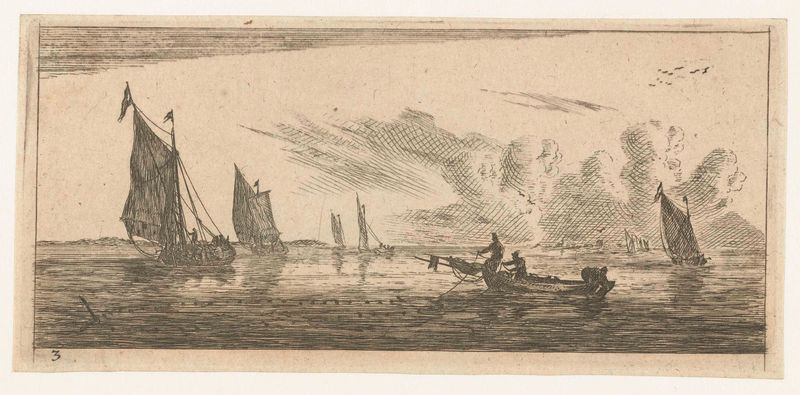
Zeegezicht met verschillende zeilschepen
Reinier Nooms
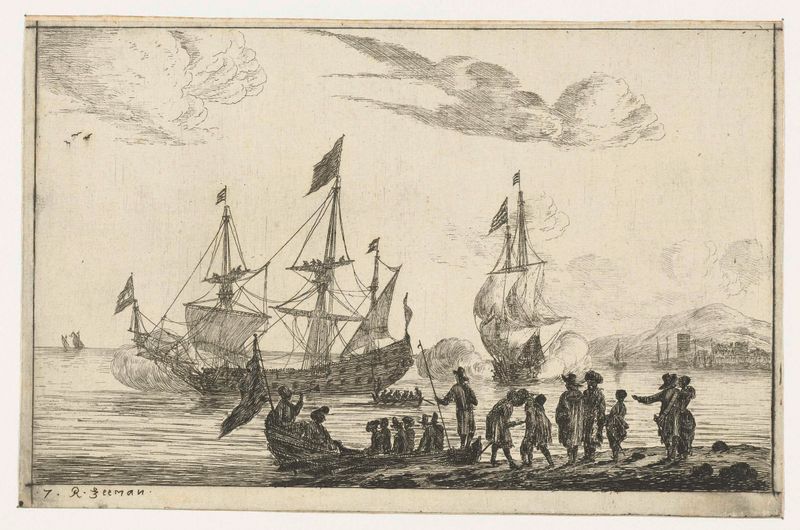
Havenscène met een spiegelsloep
Reinier Nooms
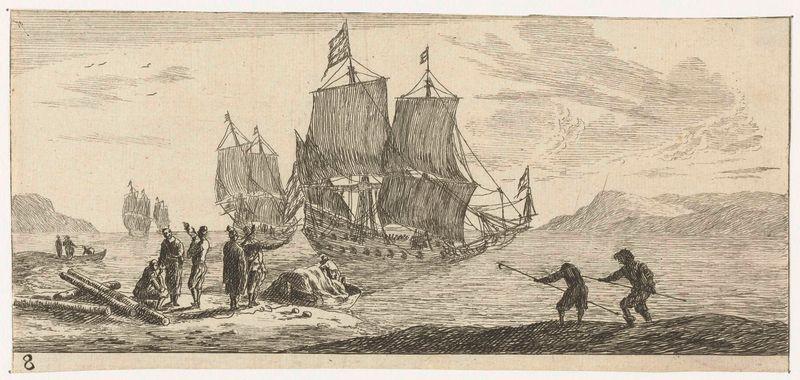
Vier grote zeilschepen in een baai
Reinier Nooms
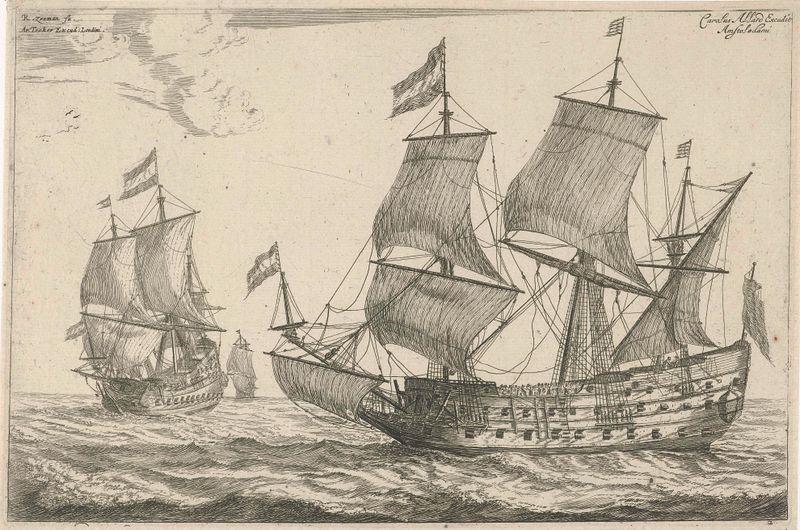
Twee grote oorlogsschepen
Reinier Nooms
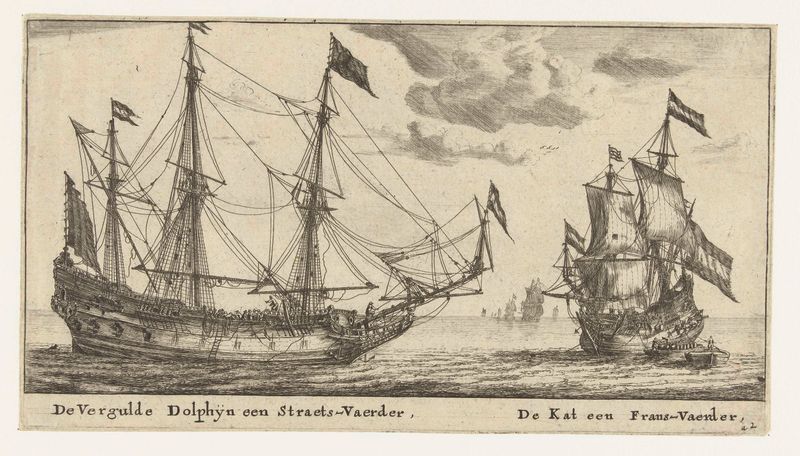
De schepen De Vergulde Dolfijn en De Kat
Reinier Nooms
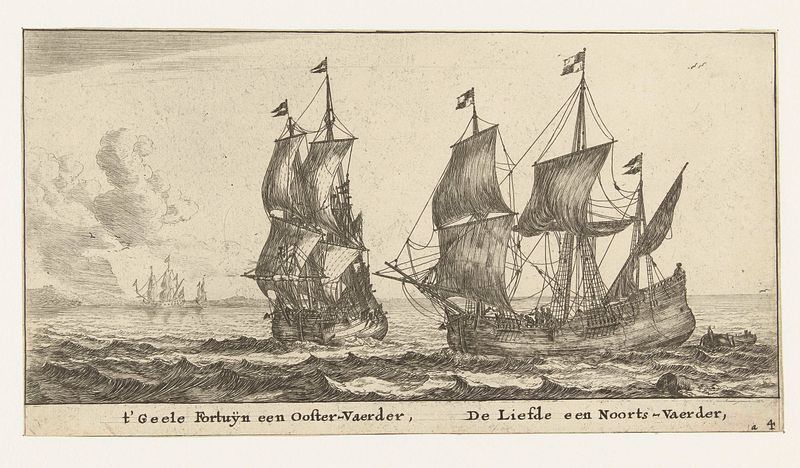
De schepen 't Gele Fortuin en De Liefde
Reinier Nooms
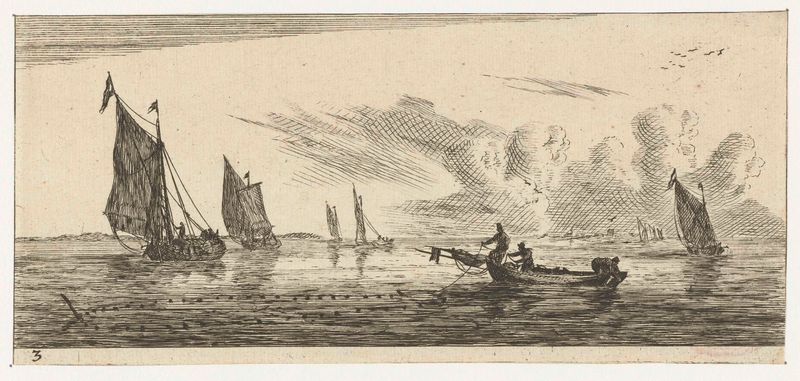
Zeegezicht met verschillende zeilschepen
Reinier Nooms
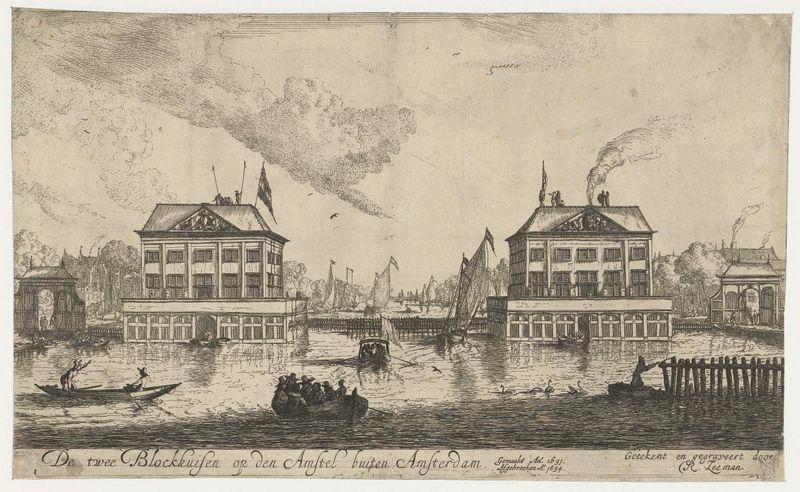
Gezicht op de twee Blokhuizen in de Amstel
Reinier Nooms
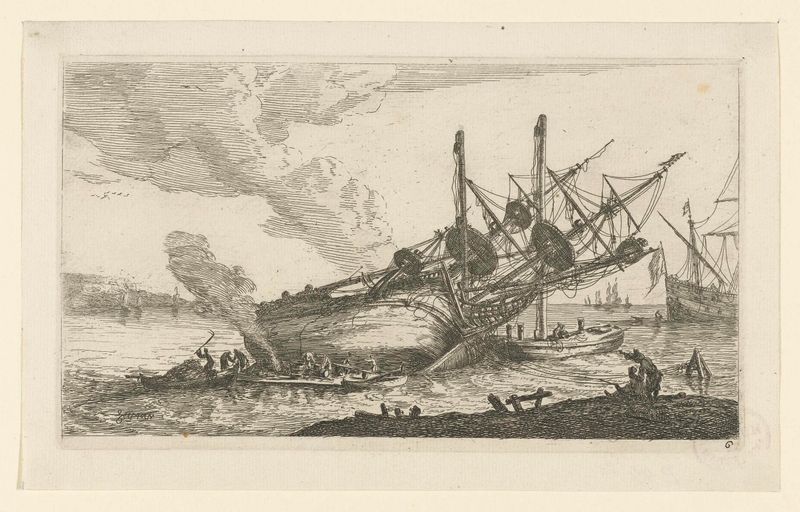
Reparaties aan de romp van een schip
Reinier Nooms
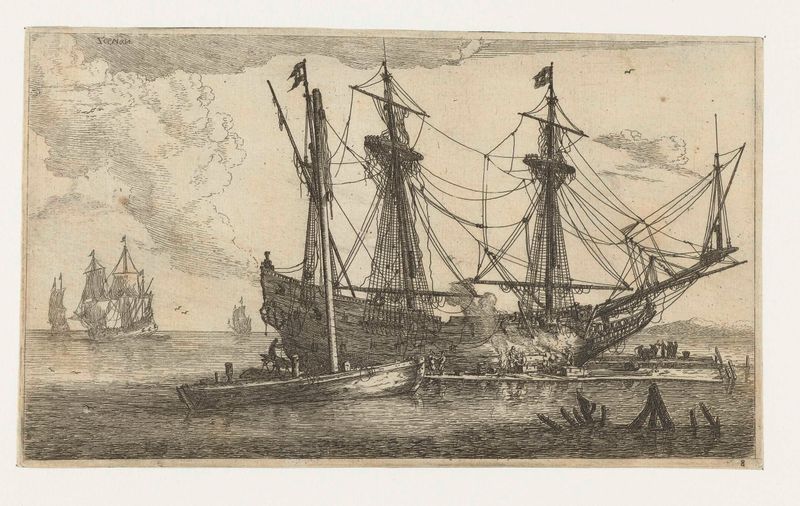
Reparaties aan de romp van een schip
Reinier Nooms





