
Havengezicht met schepen en een ronde toren — History & Facts
What secret hides in the quiet of the canvas? In the delicate interplay between land and sea, beauty emerges, whispering tales of time and place. Look to the left at the gentle curve of the coastline, where the azure meets the warm golden hues of the sunlit sand. Notice how the ships, with their billowing sails, seem to dance upon the water’s surface, almost weightless against the vastness of the sky. The artist’s use of soft brushstrokes and a muted palette creates a dreamlike ambiance, inviting the viewer to linger on the tranquil scene, while the round tower rises steadfastly in the background, a silent guardian of the horizon. Here, the juxtaposition of movement and stillness tells a deeper story.
The ships symbolize the spirit of adventure, while the tower represents permanence and history, reminding us of the passage of time. Small details, such as the ripples in the water and the wisps of clouds, capture fleeting moments, evoking a sense of serenity that contrasts with the bustling life of the sea. Each element contributes to an overarching harmony, inviting contemplation on the relationship between nature and human endeavors. In 1895, the artist created this work amidst significant artistic developments in Europe, where Impressionism was beginning to take root.
Living in the Netherlands, Vogel was influenced by the changing tides of the art world, blending traditional approaches with new techniques. This painting reflects not only his personal mastery over the medium but also the broader dialogue of beauty in art during a transformative period.
More Artworks by Johannes Gijsbert Vogel
Browse all →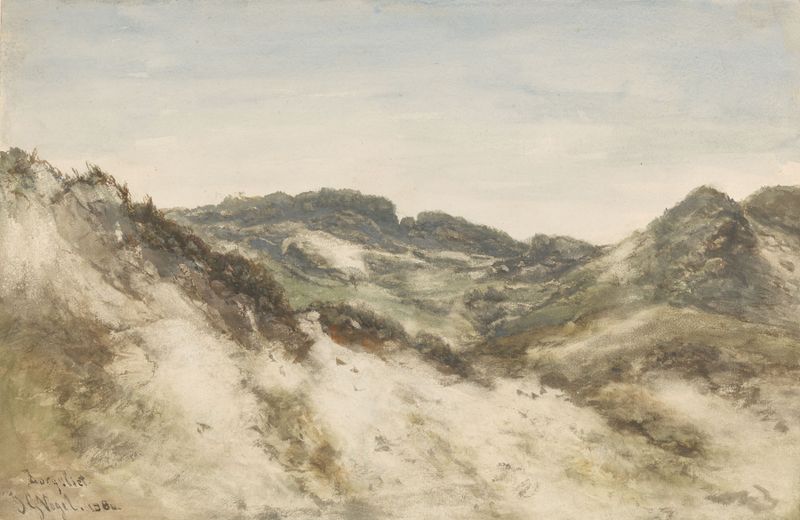
Duinlandschap bij Zorgvliet
Johannes Gijsbert Vogel
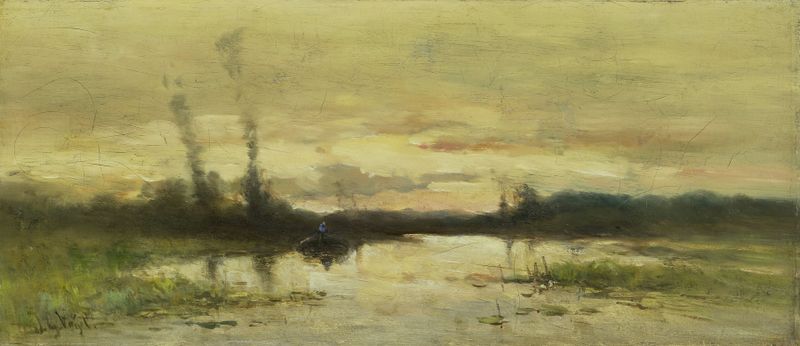
Landschap aan de vaart bij Hilversum
Johannes Gijsbert Vogel
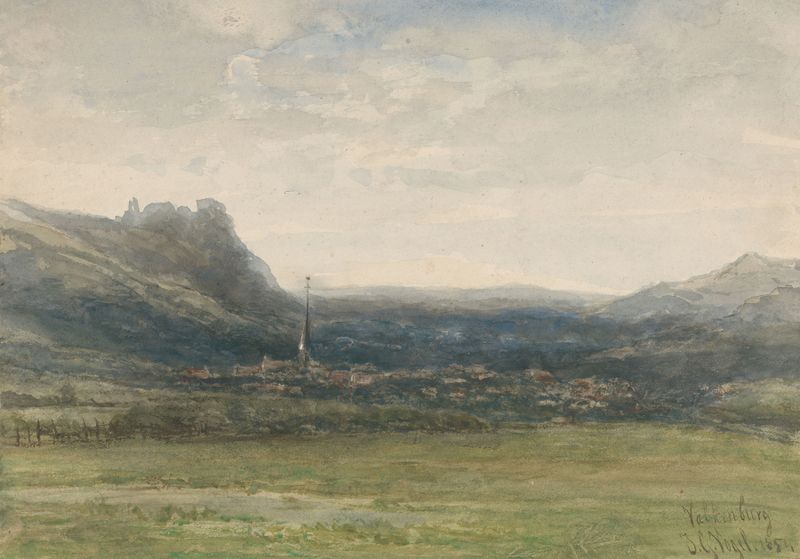
Gezicht op Valkenburg, Limburg
Johannes Gijsbert Vogel

Riviergezicht bij Sliedrecht met zeilschip
Johannes Gijsbert Vogel
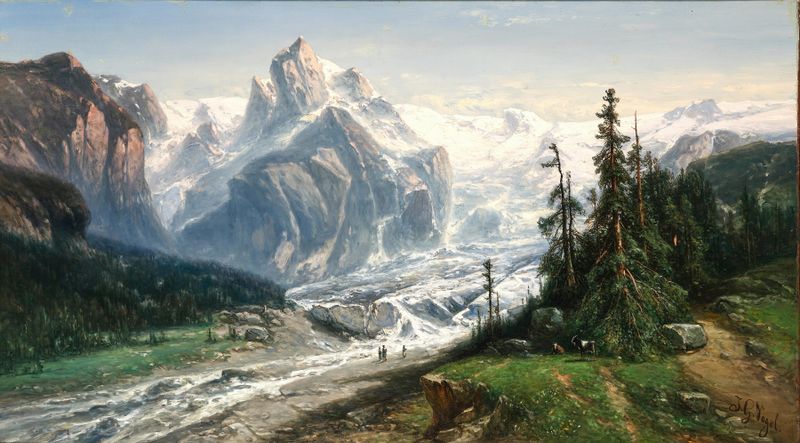
Travellers at the Foot of a Glacier
Johannes Gijsbert Vogel

Rotsachtig landschap met bomen
Johannes Gijsbert Vogel





