
Head of a girl (Louise) — History & Facts
When Amedeo Modigliani painted Head of a girl (Louise) in 1915, he was living in Montparnasse, Paris, surrounded by a circle of artists and poets who would later define the spirit of early twentieth-century modernism. This portrait is one of a small group of works from that year in which Modigliani turned away from sculpture—his first artistic passion—due to failing health, and returned to painting with renewed intensity. The sitter, Louise, remains an enigmatic figure; her identity is still debated among scholars, adding a layer of mystery to the work.
What is certain is that these portraits marked a turning point for Modigliani, as he began to develop the elongated forms and mask-like faces that would become his signature. In Head of a girl (Louise), the viewer meets the subject’s gaze, but her almond-shaped eyes—one of Modigliani’s hallmarks—are left hauntingly blank, as if inviting us to imagine her inner world. The face is elongated, the neck impossibly slender, and the features simplified almost to abstraction, yet there is a quiet dignity in her pose. The background is plain, focusing all attention on the sitter’s head, which seems to float in space.
The cool palette and sculptural modeling recall Modigliani’s admiration for African masks and the work of Constantin Brancusi, with whom he shared a studio. Unlike the lively, detailed portraits of Renoir or Sargent, Modigliani's approach is meditative, stripping away detail to reveal a universal, almost archetypal presence. The exact history of Head of a girl (Louise) is not fully documented, a common fate for Modigliani’s works from this period, many of which were sold directly from his studio or through the hands of friends and dealers in Paris. The uncertainty surrounding its medium—possibly oil on canvas, but not definitively known—reflects the sometimes hasty, improvisational circumstances under which Modigliani worked.
Today, the painting is recognized as an important example of his early mature style, bridging his sculptural ambitions and his later, more colorful portraits. It stands as a testament to Modigliani’s brief but influential career, cut short by his death in 1920, and continues to captivate viewers with its quiet intensity and unresolved mysteries.
More Artworks by Amedeo Modigliani
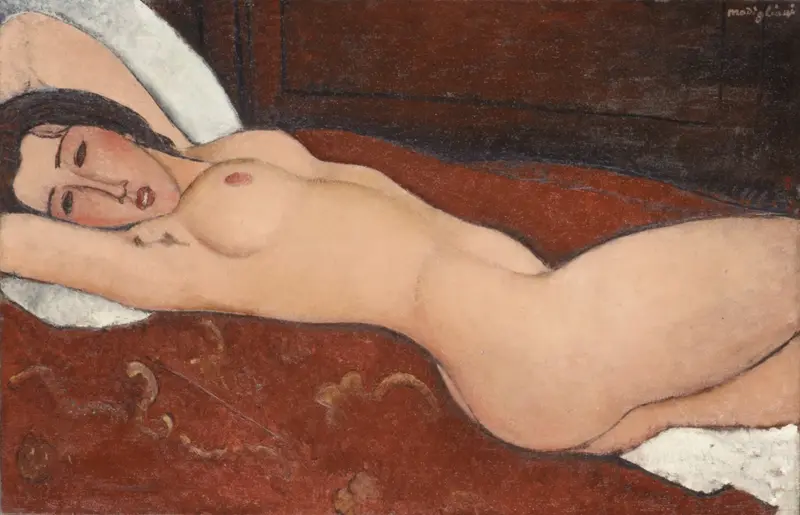
Reclining Nude
Amedeo Modigliani

Portrait Of Jeanne Hébuterne
Amedeo Modigliani

Jeanne Hébuterne
Amedeo Modigliani
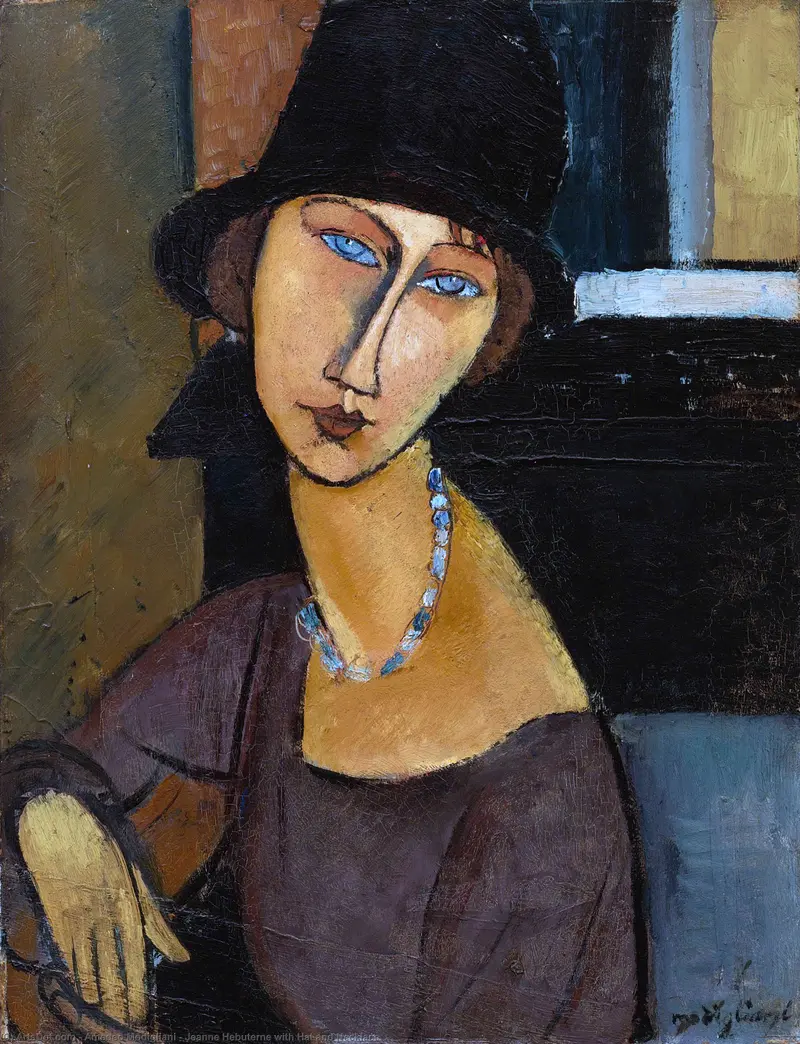
Jeanne Hébuterne with Hat and Necklace
Amedeo Modigliani
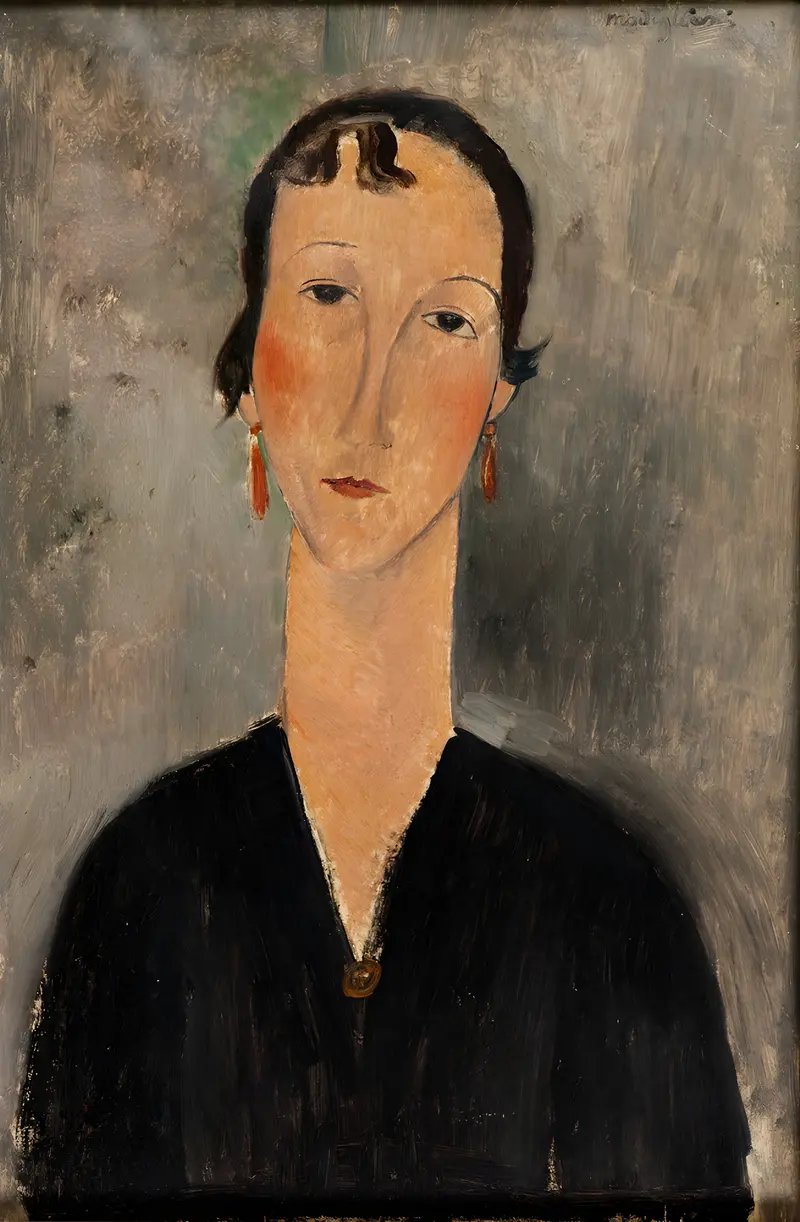
Femme aux boucles d'oreilles
Amedeo Modigliani
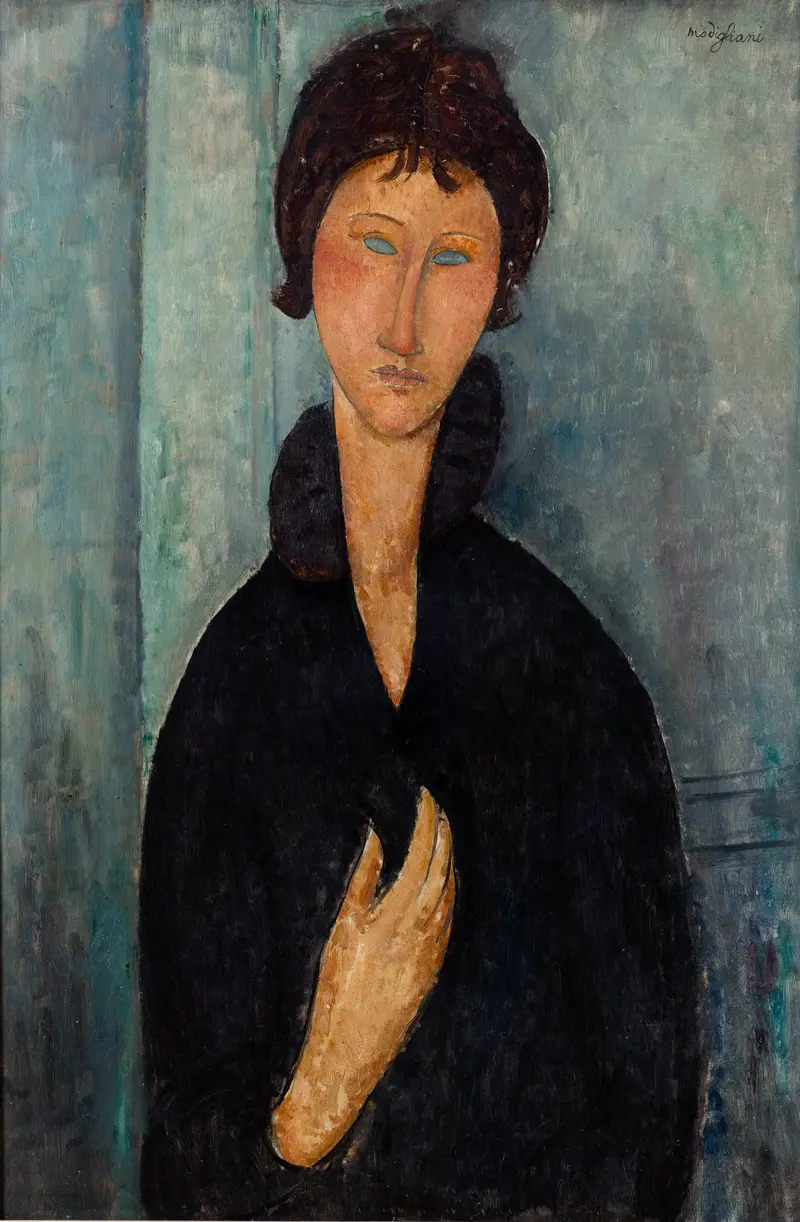
Femme aux yeux bleus
Amedeo Modigliani
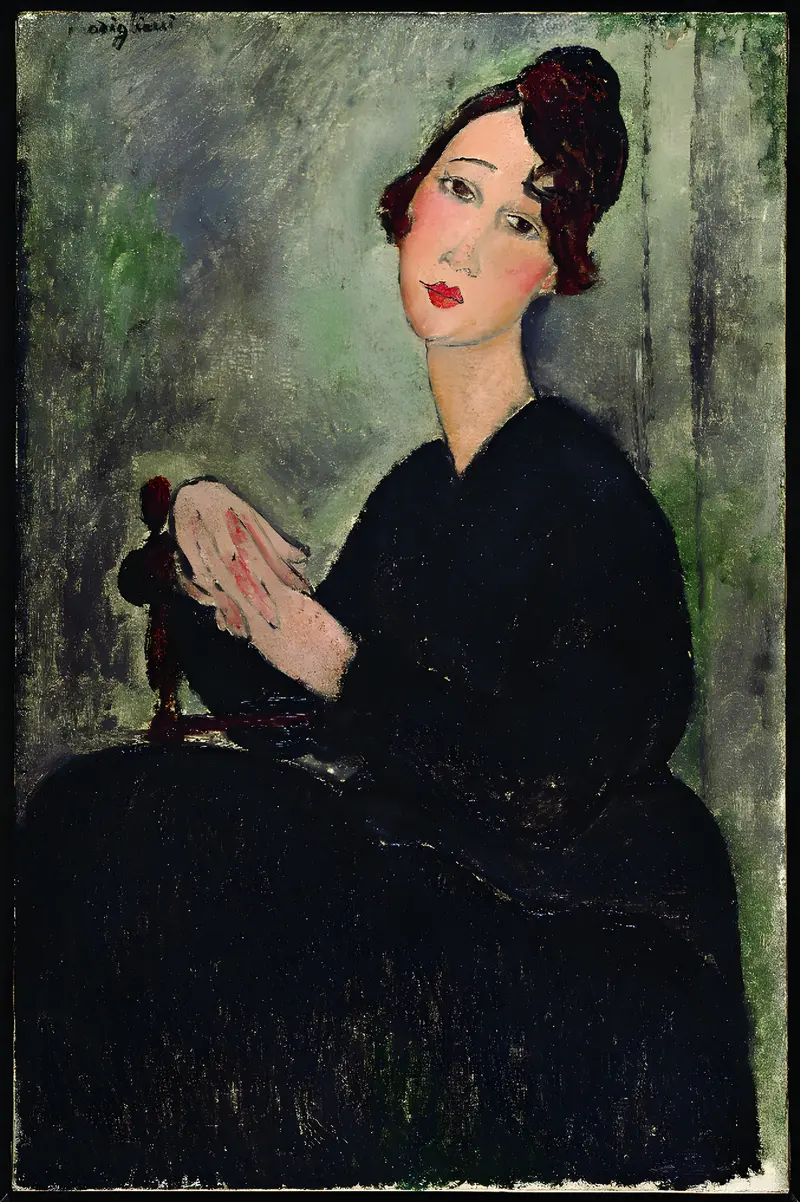
Portrait of Dedie
Amedeo Modigliani
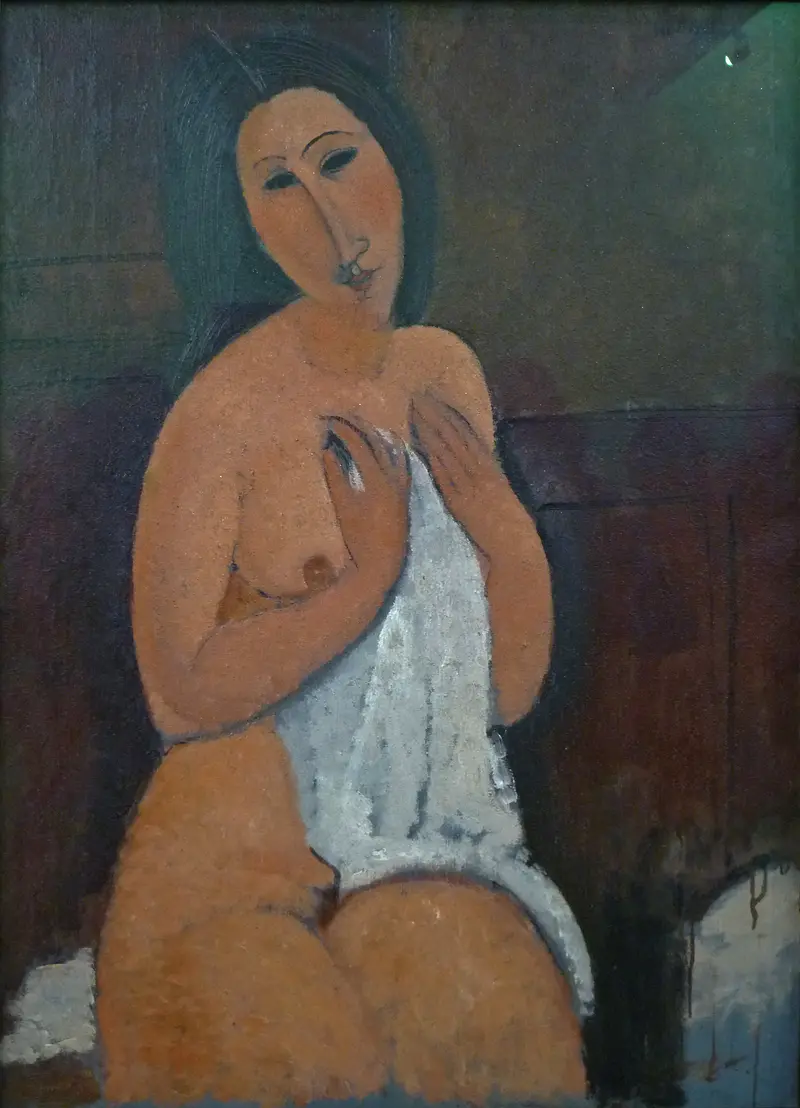
Seated nude with shirt
Amedeo Modigliani
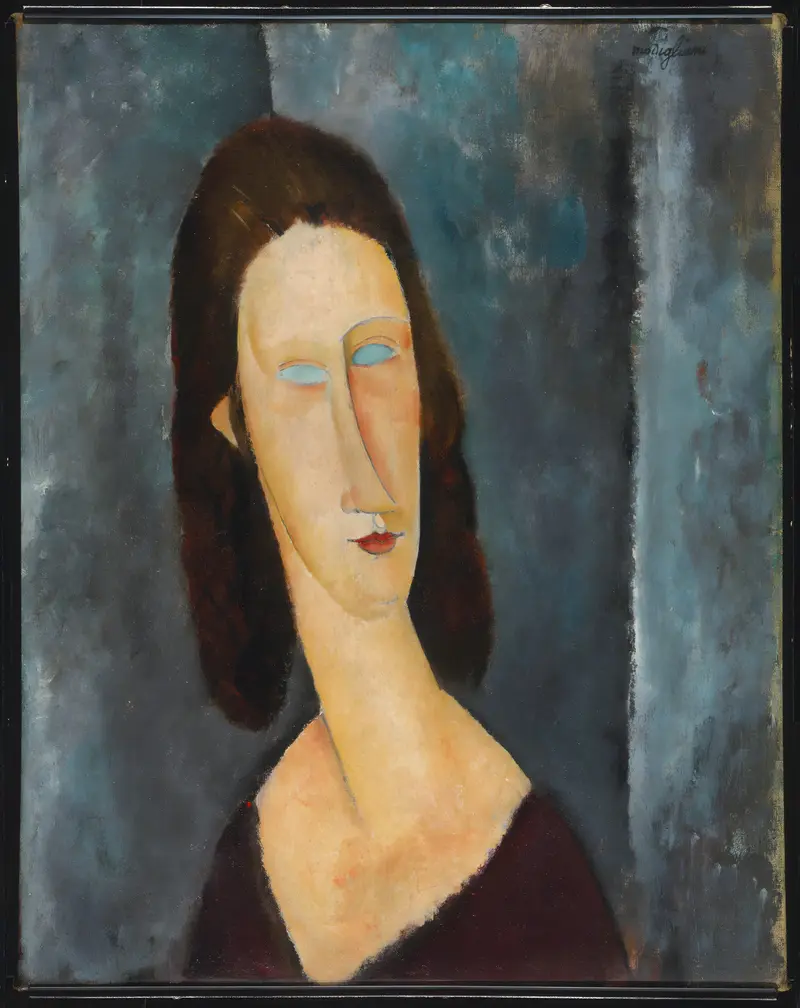
Blue Eyes (Portrait of Madame Jeanne Hébuterne)
Amedeo Modigliani
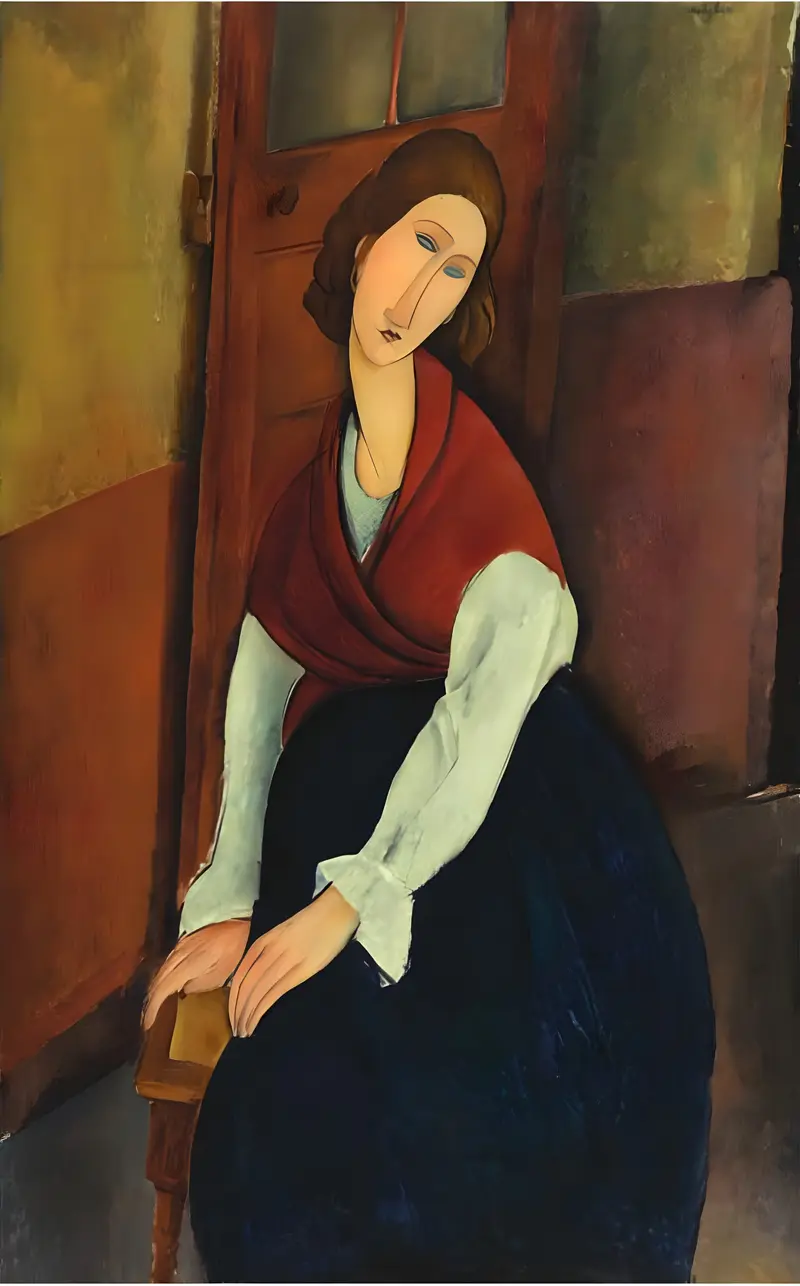
Jeanne Hebuterne in Red Shawl
Amedeo Modigliani





