Discover insights about this artwork
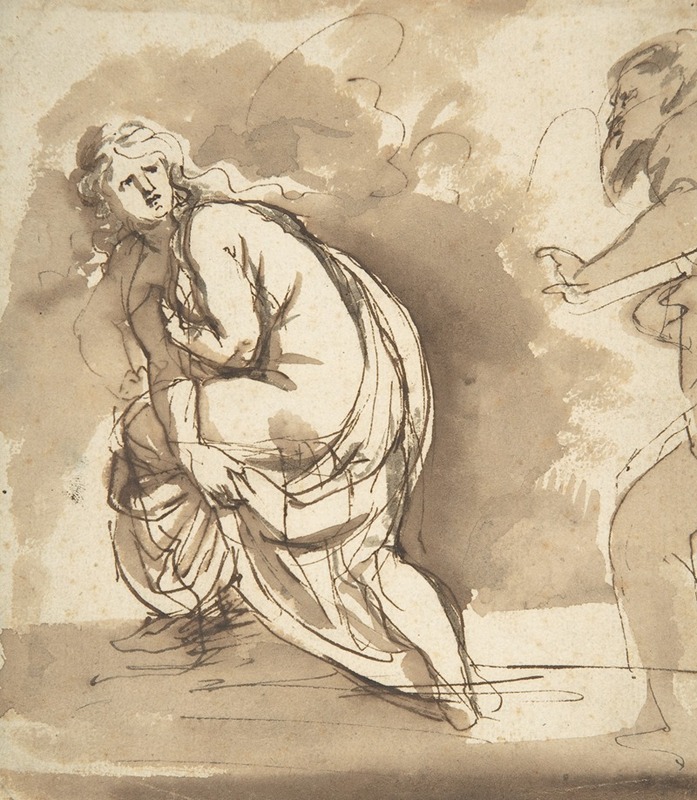
Head of Silenus — History & Facts
In Head of Silenus, we see a robust figure with a prominent beard and a somewhat disheveled appearance. The colors are rich, with deep greens, browns, and hints of reds that create a lively atmosphere. Cézanne’s brushwork is expressive, emphasizing the contours of Silenus's face and body.
The background is somewhat ambiguous, allowing the viewer to focus on the figure itself. This painting is executed in oil on canvas, showcasing Cézanne's distinctive style of layering colors. The dimensions are approximately 65 x 54 cm, making it a medium-sized work. The texture of the paint is thick in places, giving a sense of depth and volume to the figure.
The use of color and form reflects Cézanne's exploration of structure and perception. Paul Cézanne, a key figure in the transition from 19th-century Impressionism to 20th-century Modernism, painted Head of Silenus around 1895. This work is notable for its bold colors and brushwork, which reflect his interest in the emotional expression of subjects. Interestingly, Silenus is a companion of Dionysus, the god of wine, which adds a layer of meaning to the painting.
Cézanne's approach to this mythological subject showcases his unique perspective on classical themes.
More Artworks by Paul Cézanne
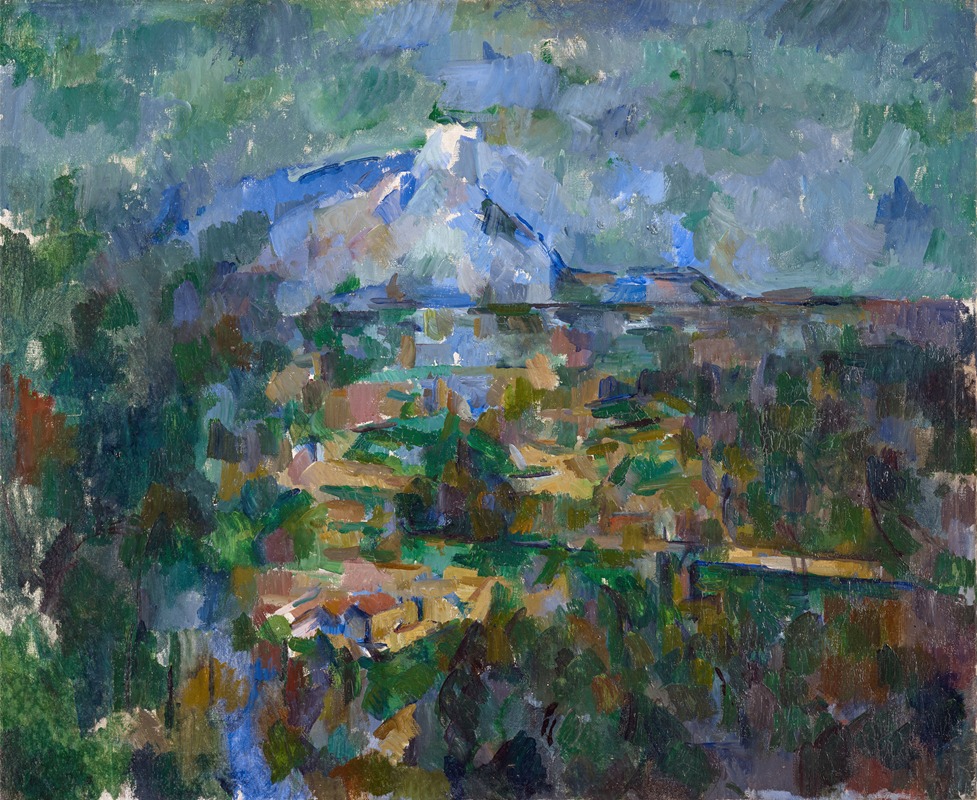
The Mont Sainte-Victoire Seen From Les Lauves
Paul Cézanne
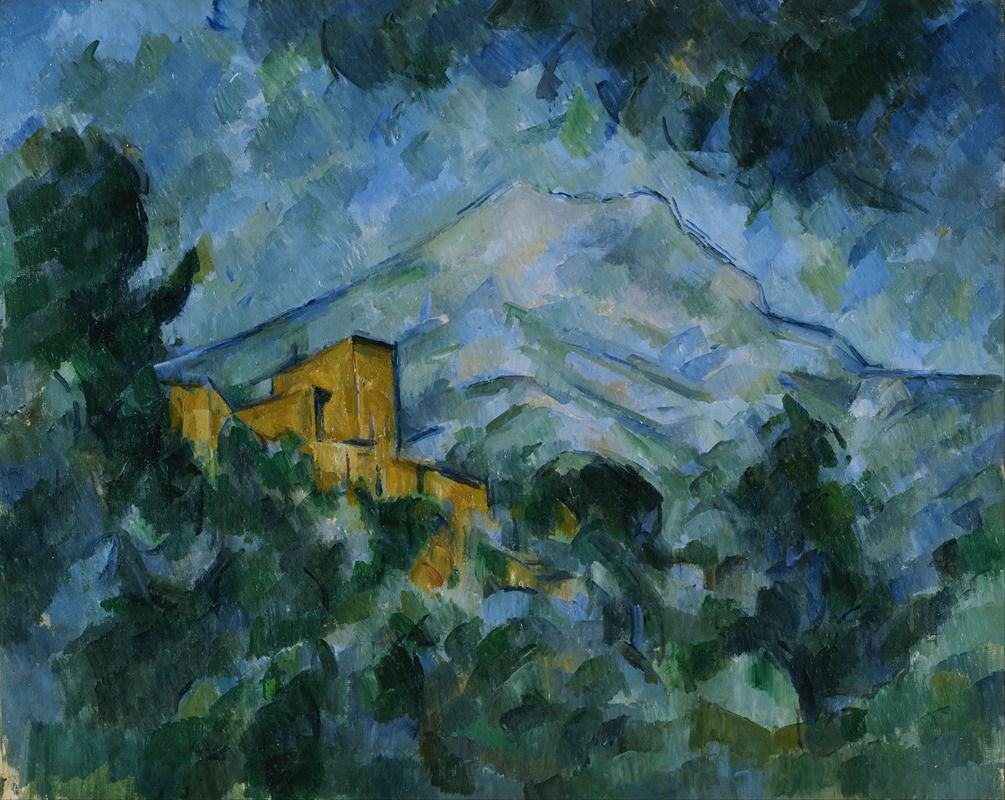
Mont Sainte-Victoire and Château Noir
Paul Cézanne
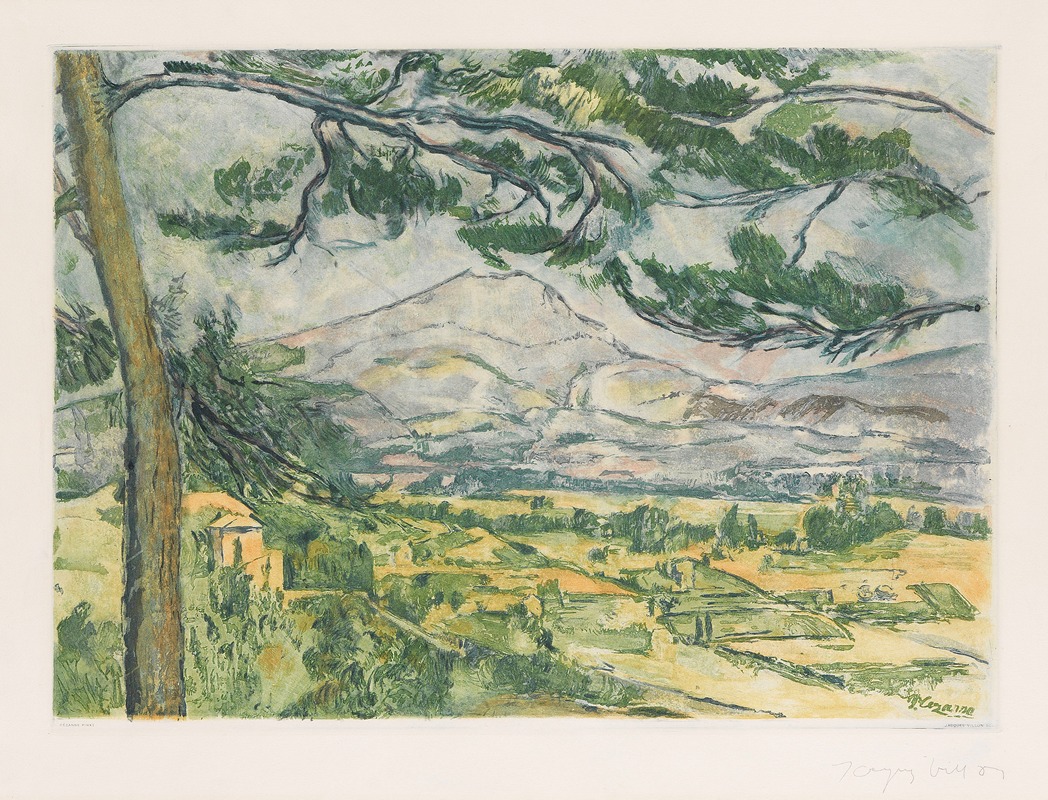
La Montagne Sainte-Victoire
Paul Cézanne
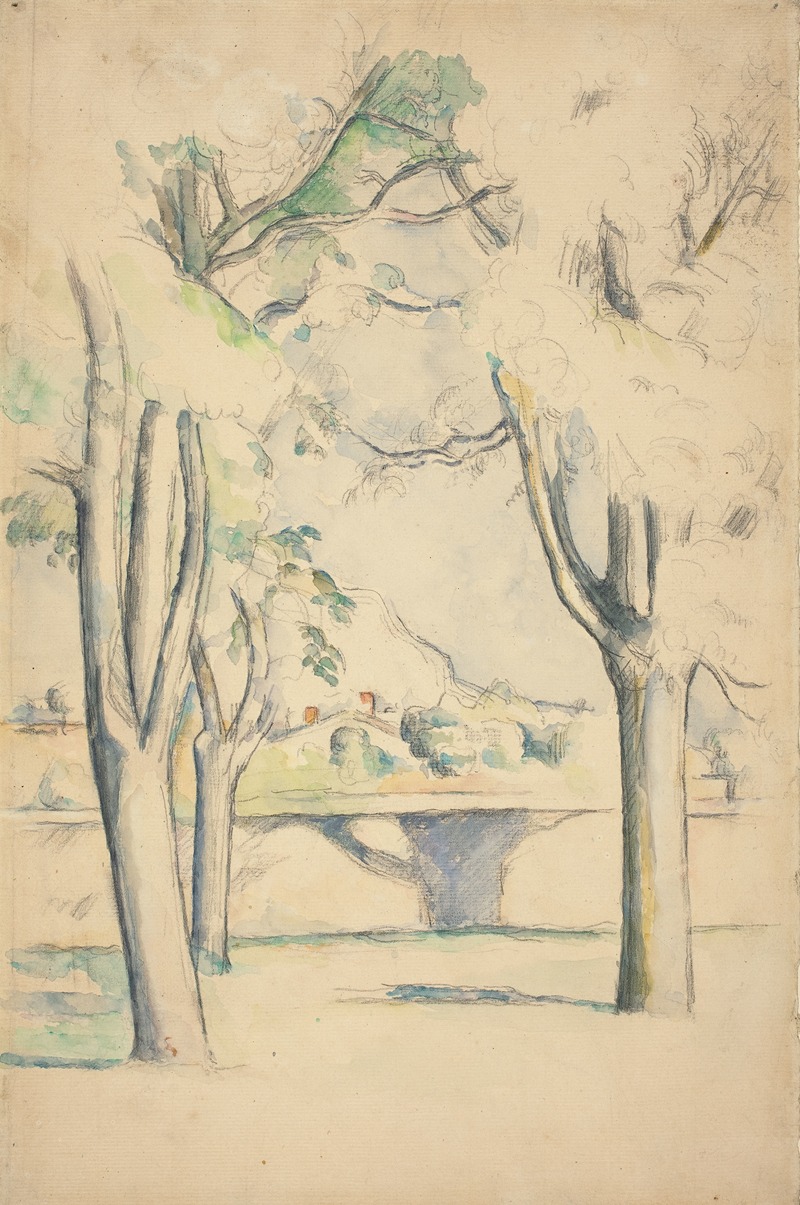
Mont Sainte-Victoire Seen beyond the Wall of the Jas de Bouffan
Paul Cézanne
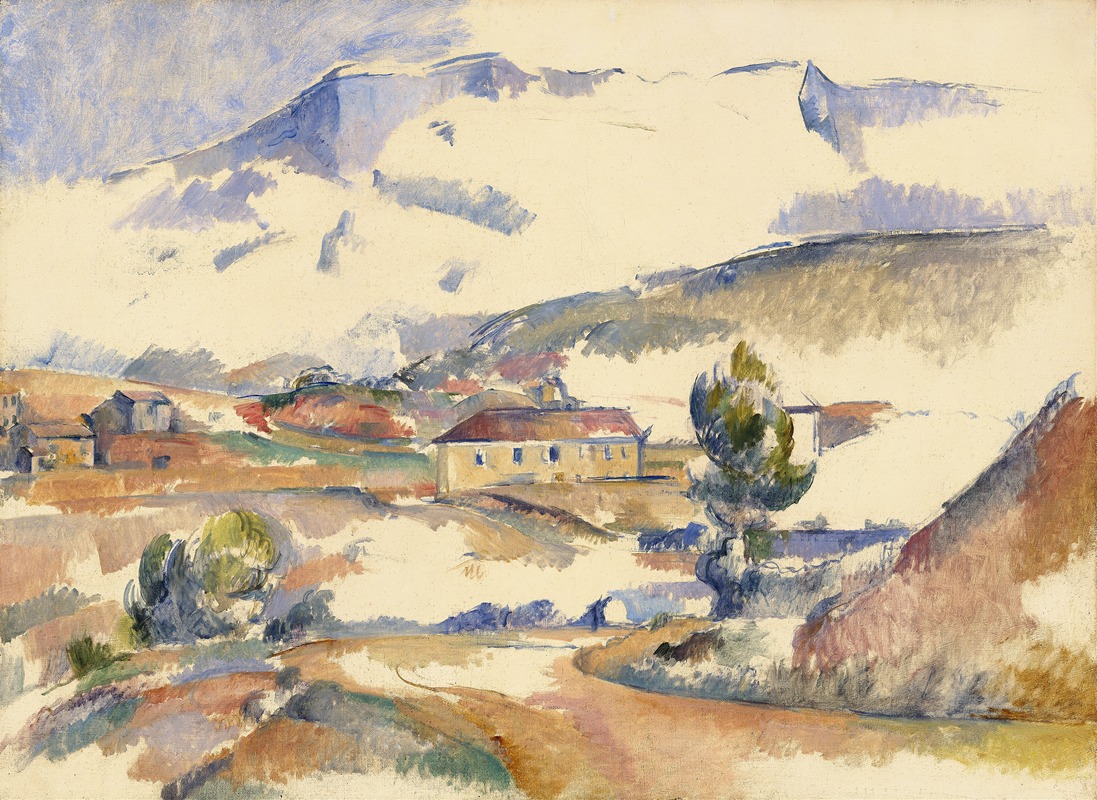
Montagne Sainte-Victoire,from near Gardanne
Paul Cézanne
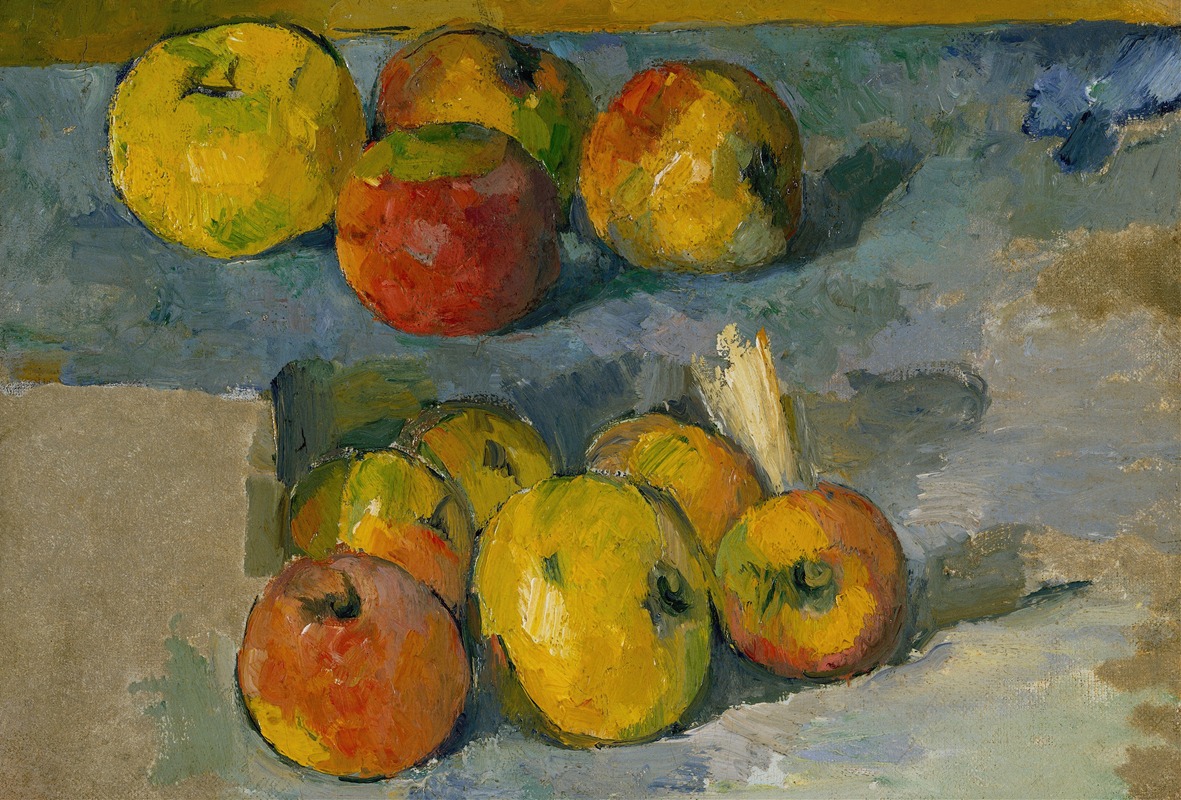
Apples
Paul Cézanne
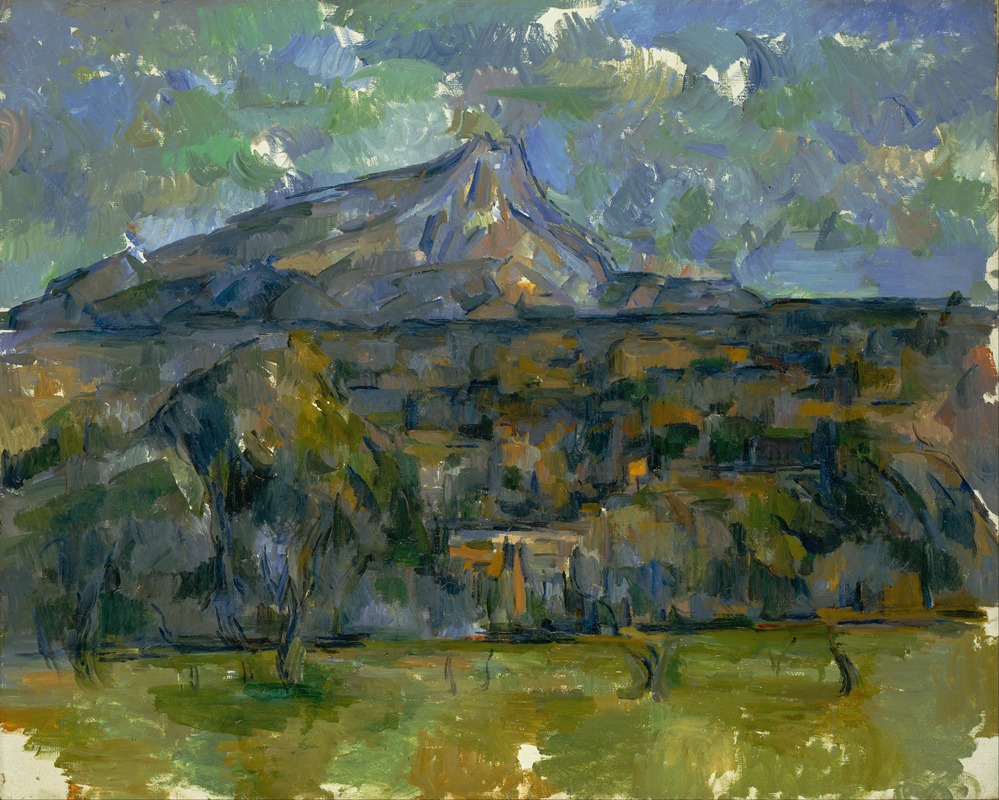
Mont Sainte-Victoire
Paul Cézanne
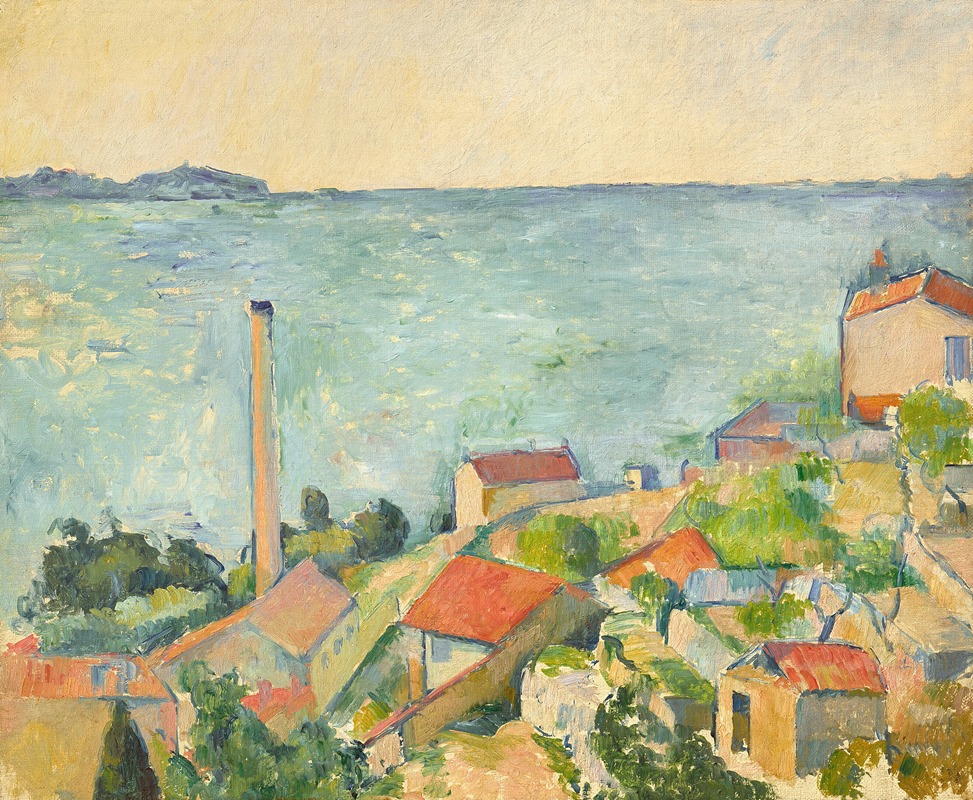
La mer à l’Estaque
Paul Cézanne
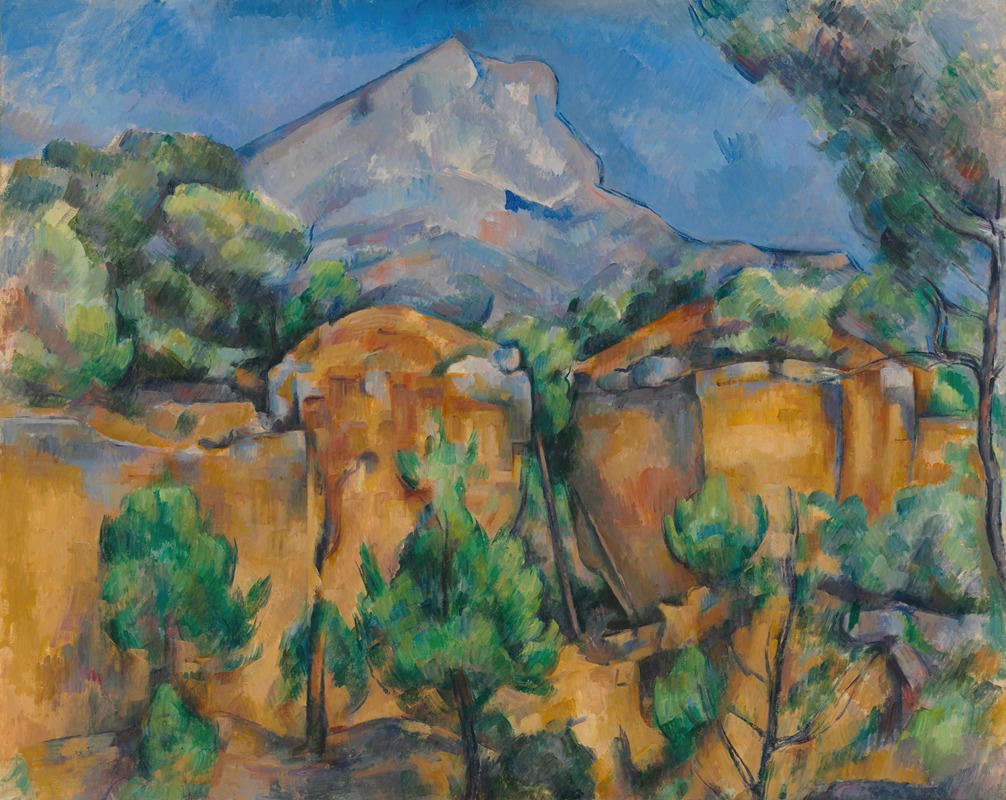
La Montagne Sainte-Victoire vue de la carrière Bibémus
Paul Cézanne
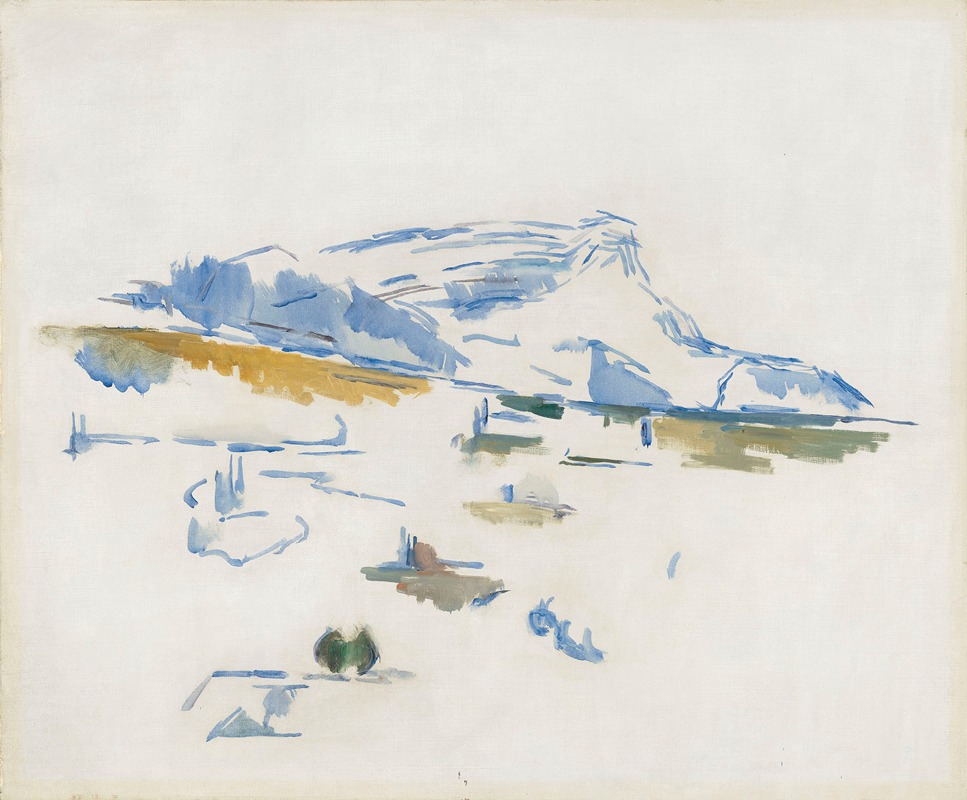
La Montagne Sainte-Victoire vue des Lauves
Paul Cézanne