Head of the Ostrich — History & Facts
In Head of the Ostrich, the artist captures the fragility of existence, evoking contemplation on mortality through the lens of an unexpected subject. Focus first on the striking, large eyes of the ostrich, rendered with a lifelike intensity that draws you into its gaze. Notice how the texture of the feathers contrasts with the smoothness of the background, creating a tension between vitality and stillness. The subtle play of light highlights the curvature of the neck, emphasizing the creature's grace while simultaneously hinting at the vulnerability inherent in its posture.
The muted color palette evokes a sense of somber beauty that envelops the viewer, instilling a reflective mood. Delve deeper and observe the juxtaposition between the lively eyes and the muted hues surrounding them. This contrast speaks to the duality of life and death, the vibrant spirit contained within a fleeting form. The ostrich, often associated with both speed and the instinct to bury its head in the sand, symbolizes the often-ignored truths of our existence.
In this moment captured on canvas, we are confronted with the paradox of life—its exuberance shadowed by the inevitability of mortality. In 1915, during an era marked by the tumult of World War I, Haskell found himself reflecting on the fragility of life and the power of nature amidst societal upheaval. Living in New Jersey, he painted this work at a time when many artists were exploring themes of existentialism and the human condition, resulting in a profound connection between the artist and the broader context of his world.
More Artworks by Ernest Haskell
Browse all →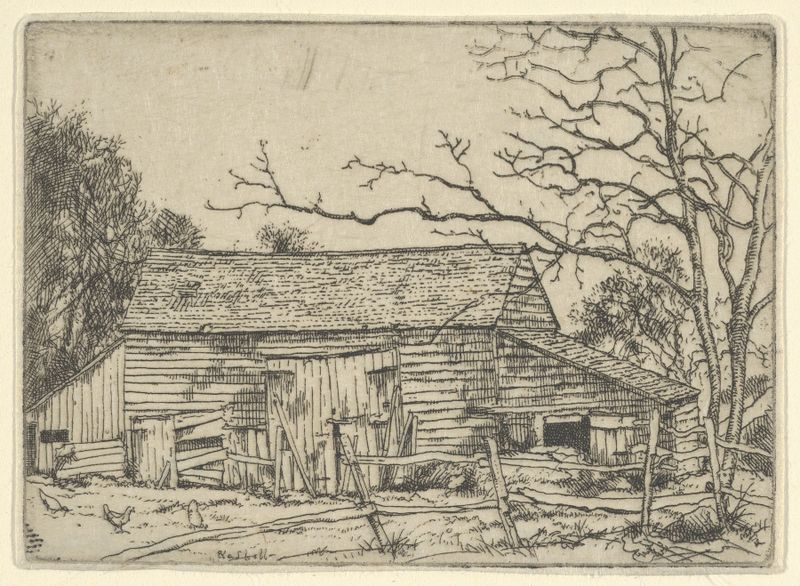
The Barn–Staten Island, N.Y.
Ernest Haskell

Four Live Oaks
Ernest Haskell
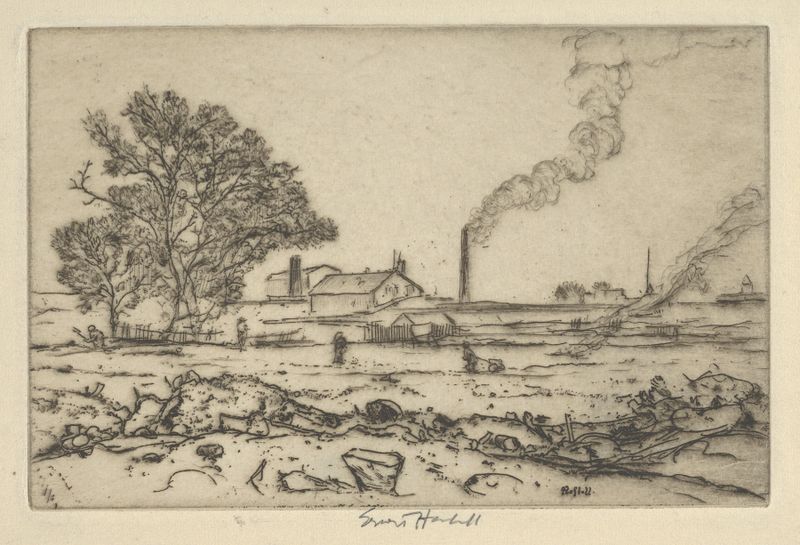
Outskirts of Boston
Ernest Haskell
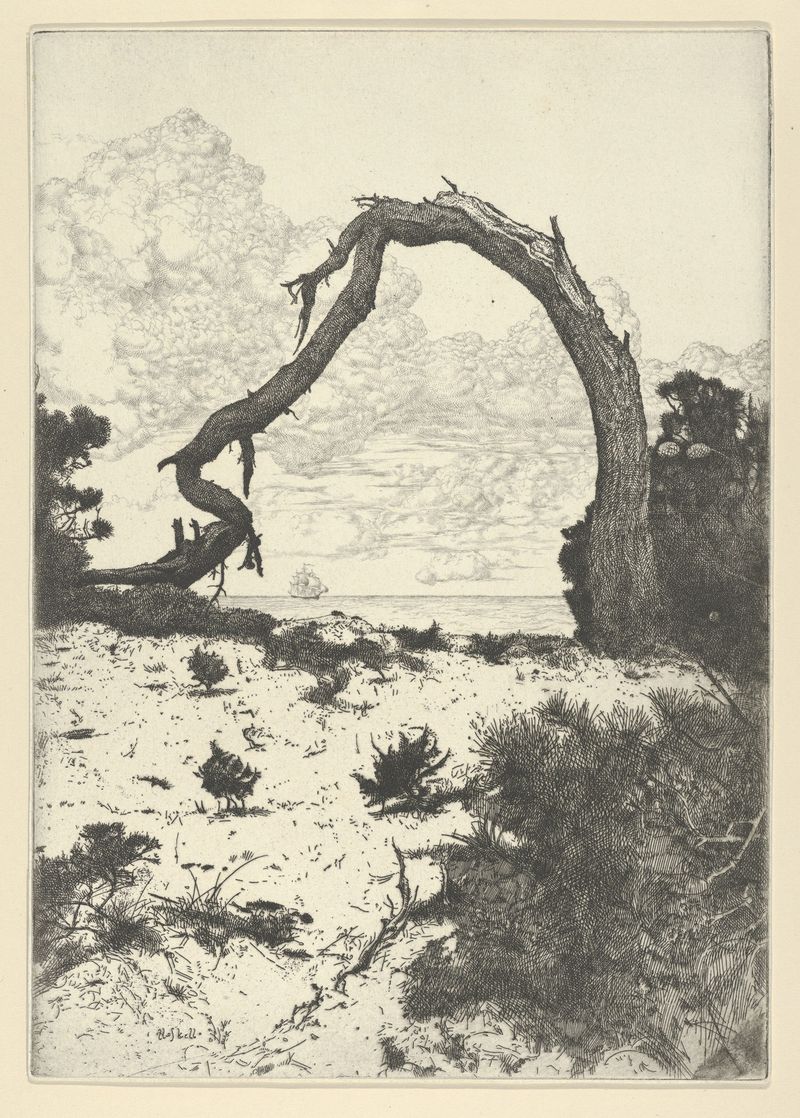
Pine Arch
Ernest Haskell

General Sherman
Ernest Haskell
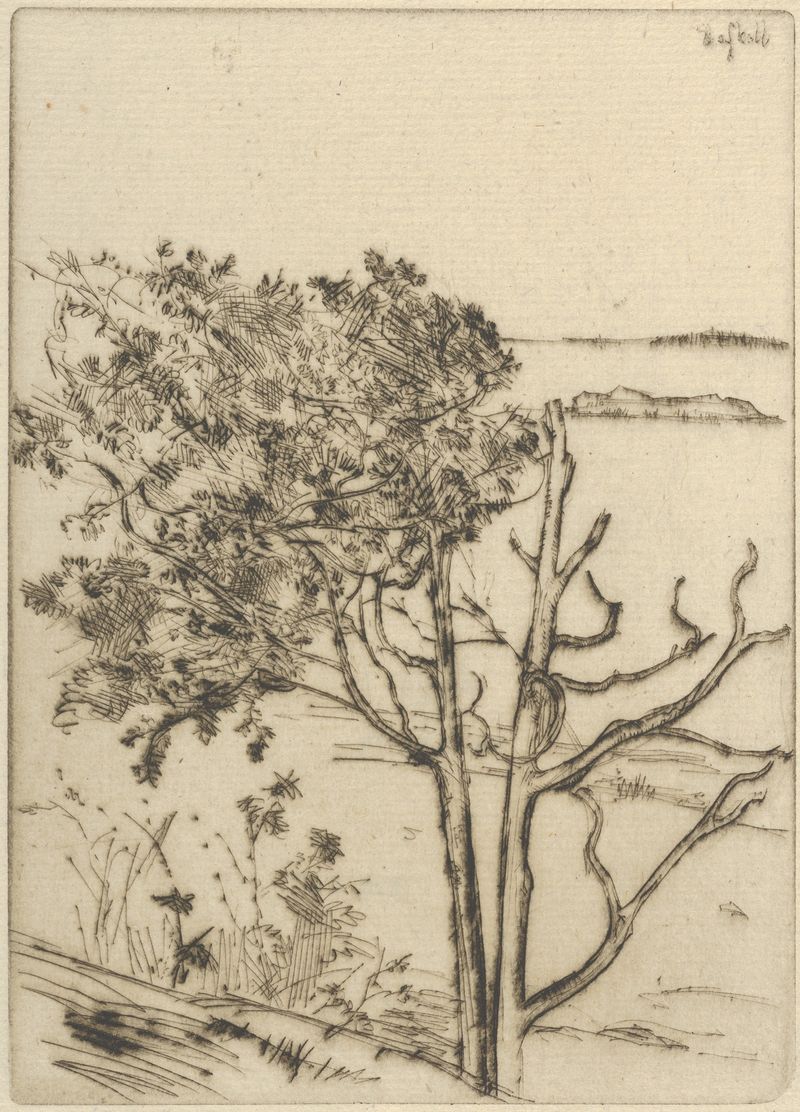
Ragged Tree – Maine
Ernest Haskell

Tide Mill
Ernest Haskell

Ship Building
Ernest Haskell
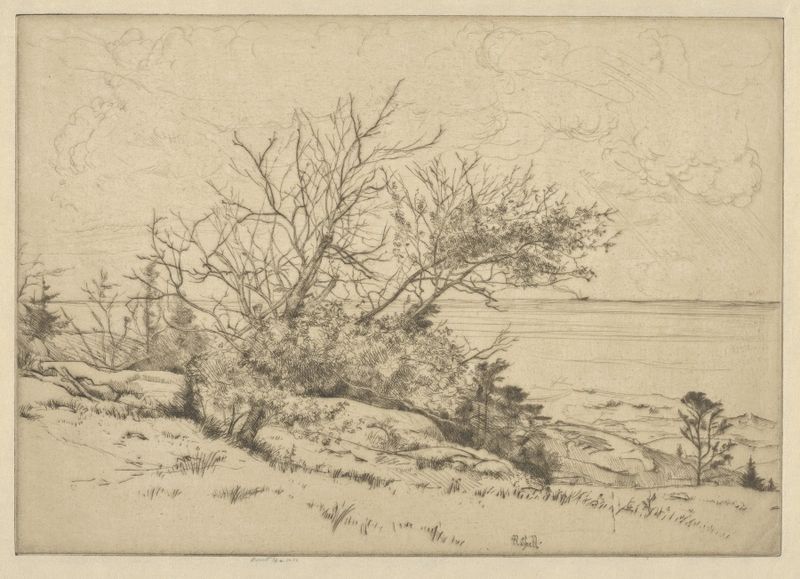
To the Southward – Ragged Island, Me.
Ernest Haskell
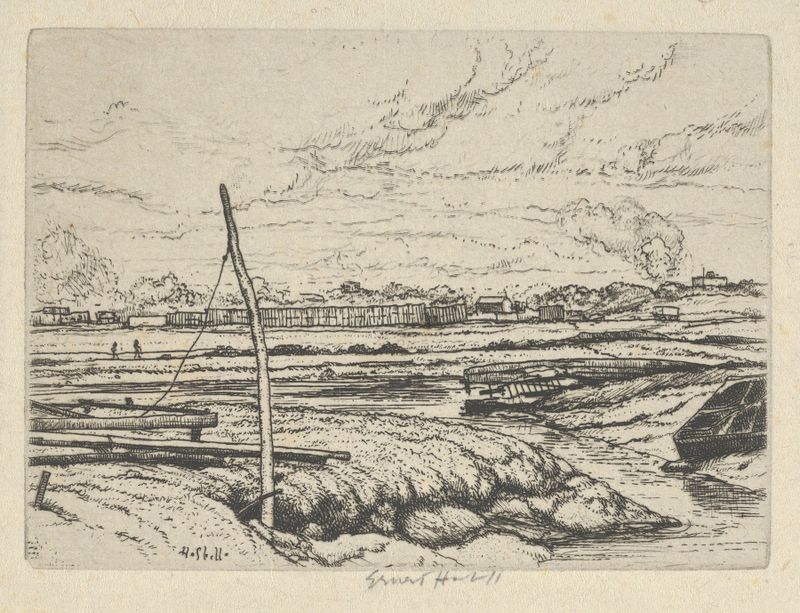
Long Island Marshes
Ernest Haskell