
Heavenly Hosts — History & Facts
Could beauty survive in a century of chaos? In Heavenly Hosts, the juxtaposition of ethereal forms and unsettling decay invites a haunting introspection on existence and transience. Look to the upper left, where delicate figures, almost angelic in their grace, hover against a backdrop of muted tones. Their soft, flowing lines contrast sharply with the fragmented elements below, where decay seeps into the canvas like a shadow of forgotten dreams. The artist employs a palette dominated by earthy hues, suggesting both life and deterioration, while the light gently caresses the figures, illuminating their serene expressions amidst the chaos.
Each brushstroke, fluid yet deliberate, draws the viewer's gaze across this unsettling yet beautiful juxtaposition. The tension within the work lies in this delicate balance between the divine and the decayed. The heavenly hosts, with their outstretched arms, appear to beckon towards solace, yet their surroundings whisper of loss and dissolution. There is a poignant reminder of the inevitable decline of all things beautiful, evoking a sense of longing for a world that might never return.
The swirling forms embody hope, while the encroaching decay serves as a reminder of mortality, creating a dialogue that transcends the visual and speaks to our shared human experience. In 1921, at the height of a tumultuous era marked by the aftermath of World War I, Haskell navigated the evolving landscape of American art. While grappling with personal transitions and societal changes, he sought to capture the fragile relationship between beauty and decay in his work. This painting reflects not just his artistic vision but also a wider cultural contemplation of beauty’s resilience amidst a world fraught with uncertainty.
More Artworks by Ernest Haskell
Browse all →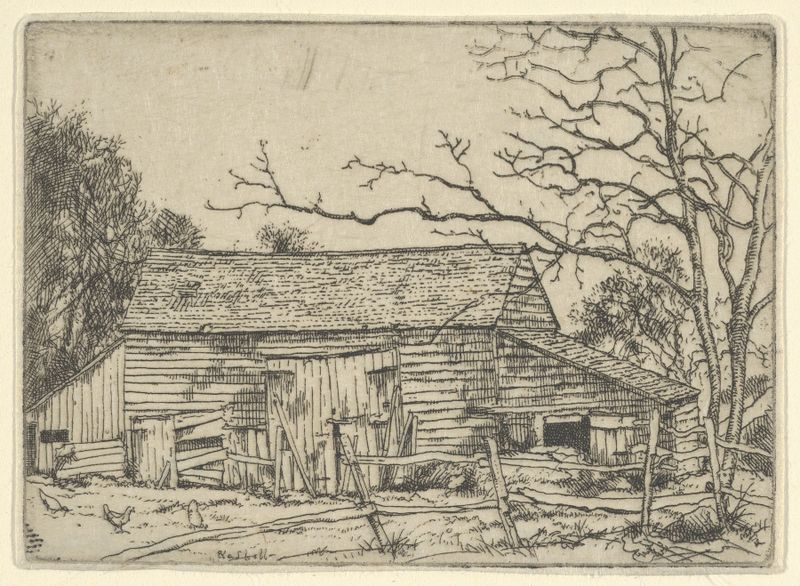
The Barn–Staten Island, N.Y.
Ernest Haskell

Four Live Oaks
Ernest Haskell
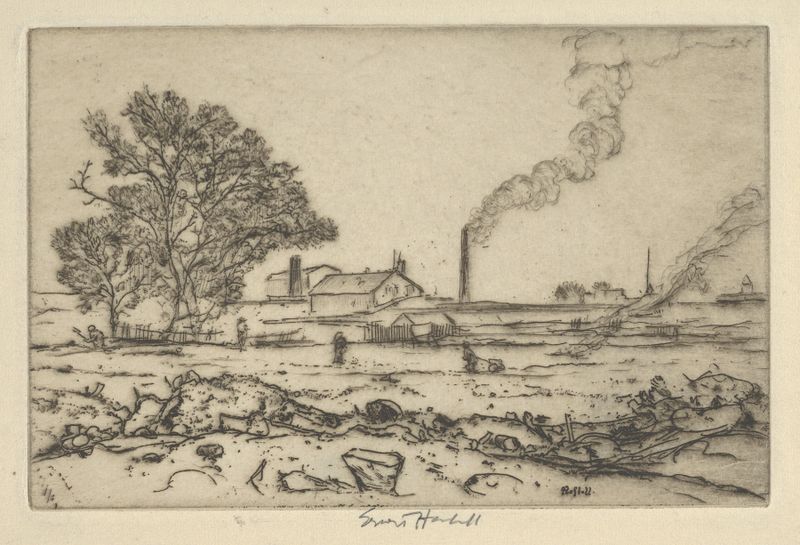
Outskirts of Boston
Ernest Haskell
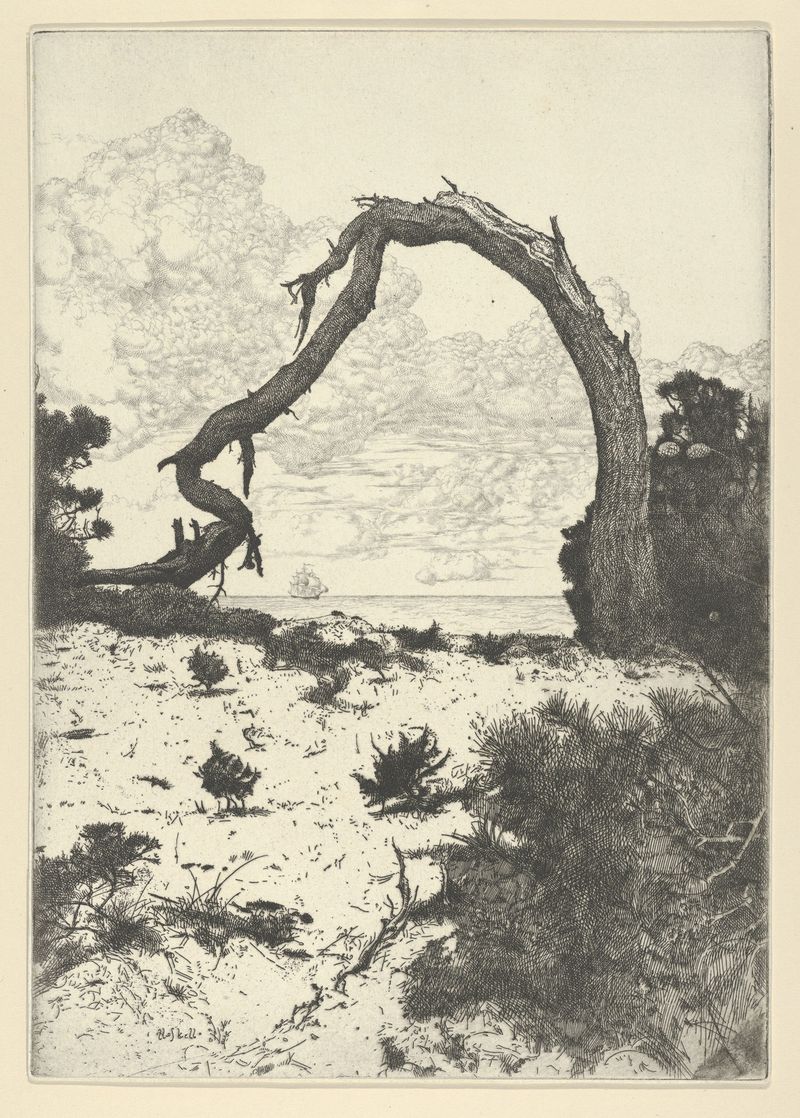
Pine Arch
Ernest Haskell

General Sherman
Ernest Haskell
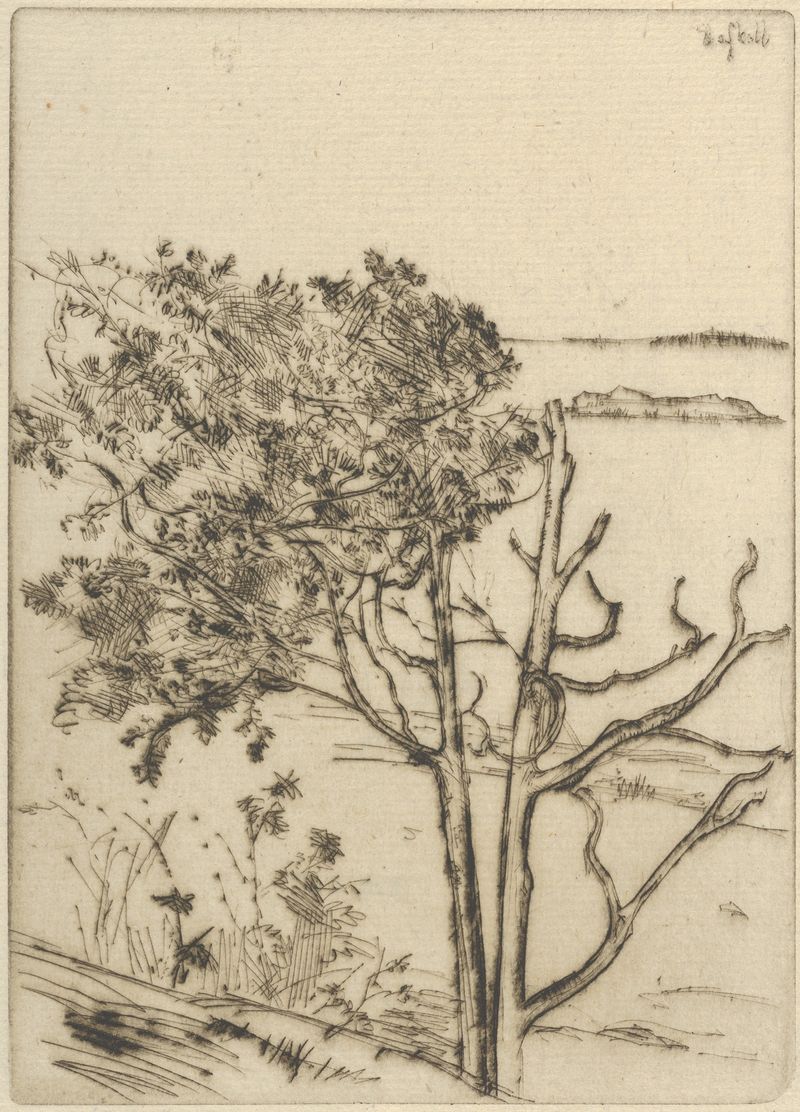
Ragged Tree – Maine
Ernest Haskell

Tide Mill
Ernest Haskell

Ship Building
Ernest Haskell
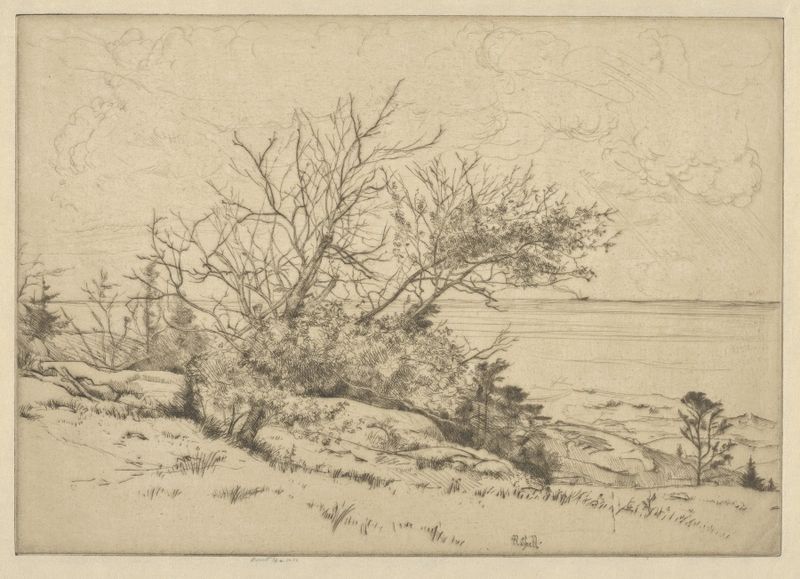
To the Southward – Ragged Island, Me.
Ernest Haskell
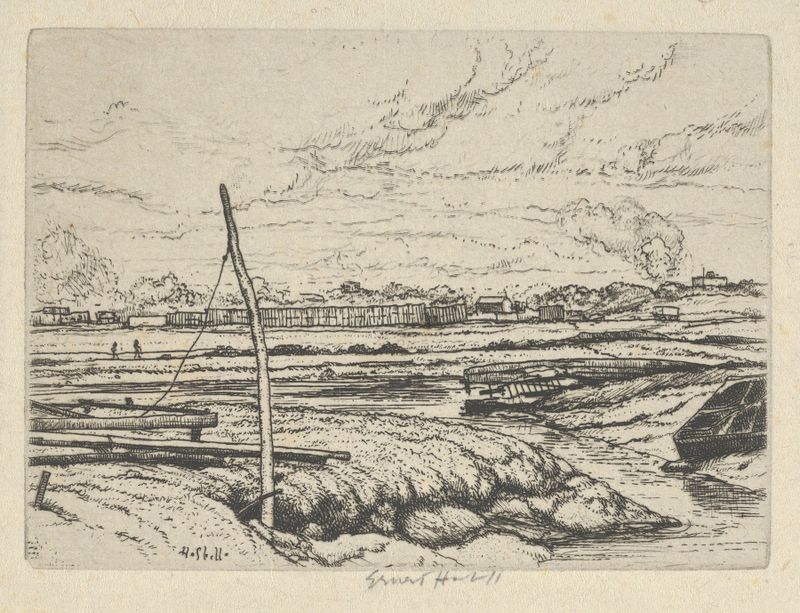
Long Island Marshes
Ernest Haskell





