
Heidelandschaft in Jütland — History & Facts
Where does light end, and longing begin? In the quiet expanse of Heidelandschaft in Jütland, a haunting stillness envelops the viewer, inviting introspection into the unseen fears that lurk within the serene landscape. Look to the horizon, where the soft, muted greens and browns of the foliage contrast with the pale blue of a sky, nearly devoid of clouds. The painter’s brushstrokes ground the foreground with textured grasses, while the distant hills fade into a gentle haze, creating an almost dreamlike quality. Notice how light dances delicately across the scene, illuminating the landscape yet leaving shadowy corners that evoke an unsettling sense of isolation.
This delicate manipulation of color and light draws you into a world that feels both tranquil and fraught with tension. Here, the emotional tension lies in the juxtaposition of beauty and fear. The inviting fields seem to whisper of comfort, yet the foggy distance hints at the unknown, instilling a sense of unease. The solitary figure, dwarfed by nature, becomes a poignant representation of human vulnerability against the vastness of the world.
Each brushstroke encapsulates a moment suspended between serenity and an undercurrent of apprehension, reflecting the duality of existence itself. In 1841, Louis Gurlitt painted this piece during a transformative era in art, where Romanticism was giving way to more nuanced expressions of emotion. Living in Germany, he was influenced by the shifting tides of artistic thought that sought to capture the sublime beauty of nature, simultaneously revealing humanity's inherent fears. This painting captures not only his artistic evolution but also a historical moment of grappling with the intersection of nature and emotional depth.
More Artworks by Louis Gurlitt
Browse all →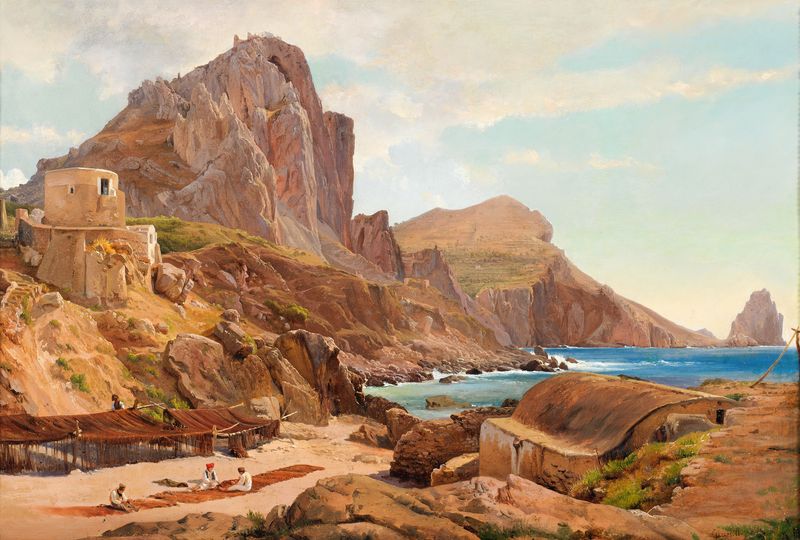
Marina Piccola, Capri
Louis Gurlitt
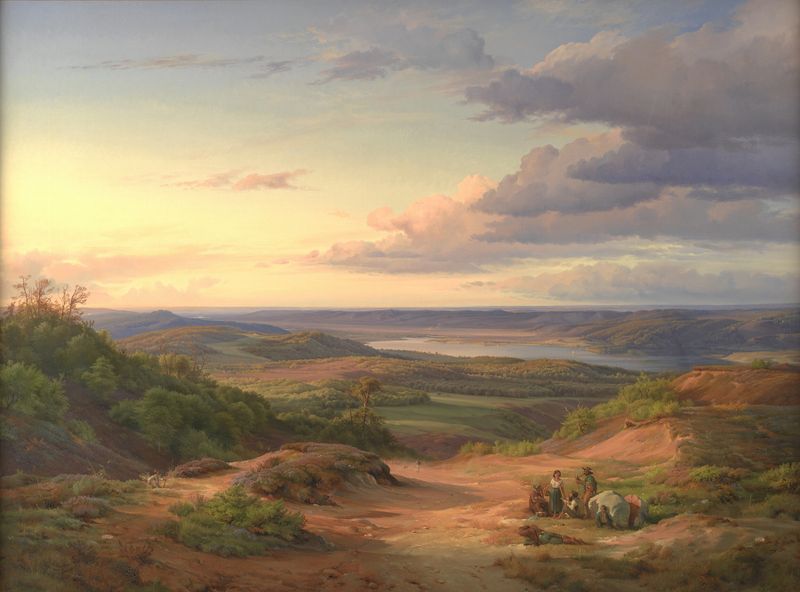
A Landscape near Himmelbjerget, Jutland. In the Foreground a Gypsy Family
Louis Gurlitt
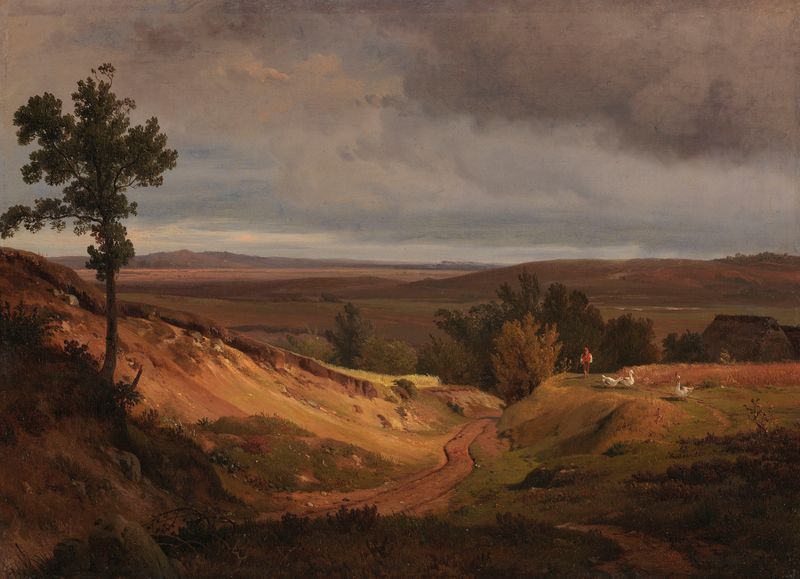
Heidelandschaft bei Silkeborg in Jütland, Dänemark
Louis Gurlitt
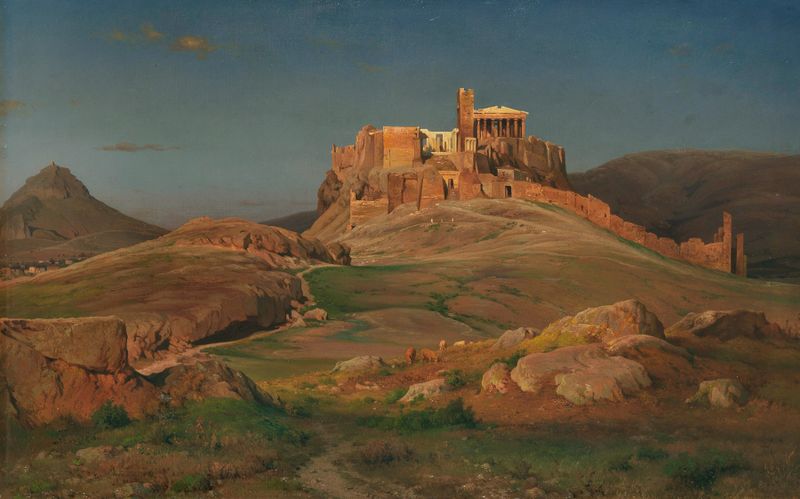
Die Akropolis im Abendlicht
Louis Gurlitt
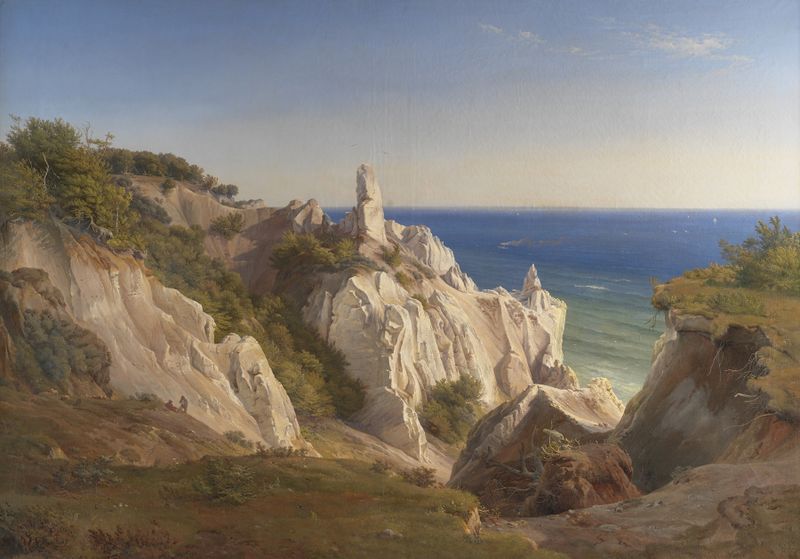
The Cliffs of the Island of Møn
Louis Gurlitt
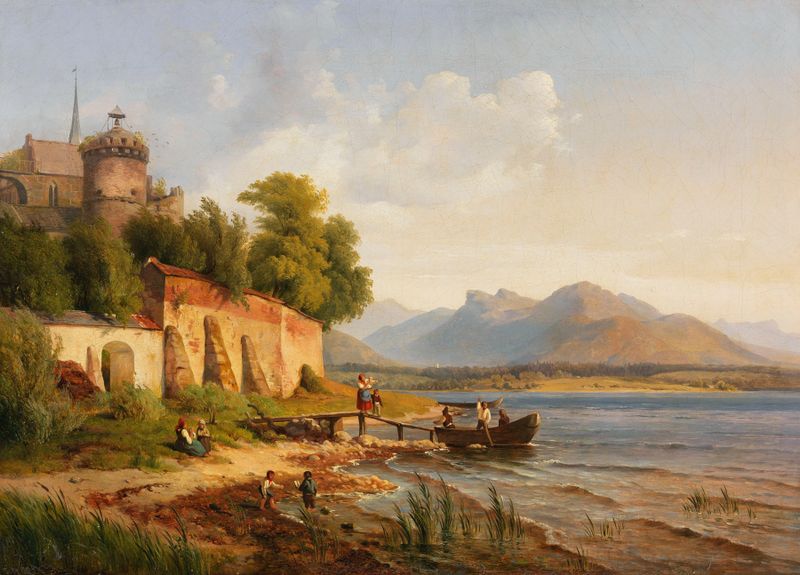
Oberitalienische Küstenlandschaft mit Figurenstaffage
Louis Gurlitt
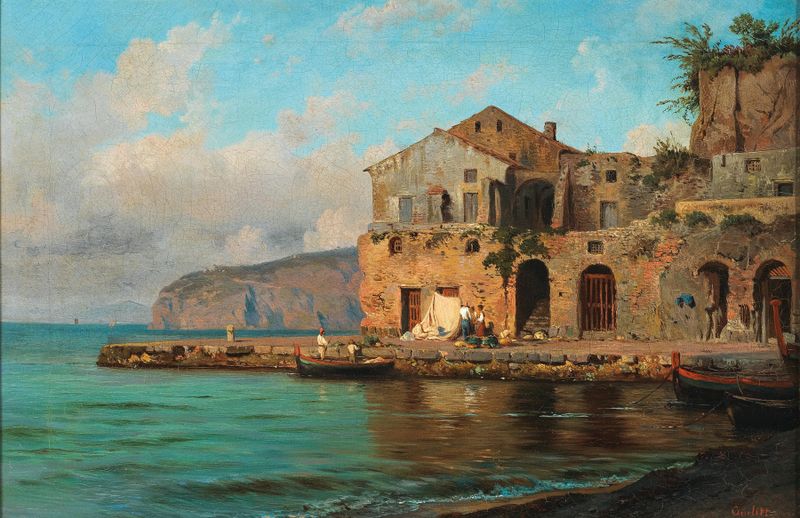
On the Coast of Sorrento
Louis Gurlitt
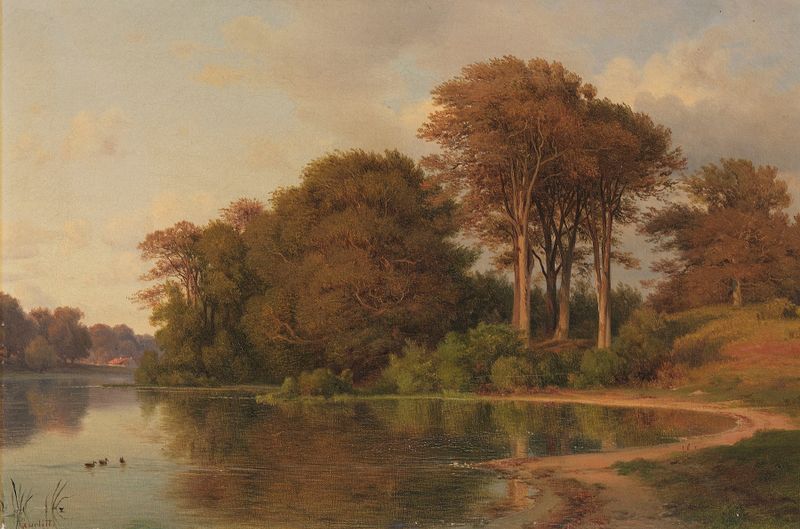
Sommerlandschaft mit Seeufer
Louis Gurlitt
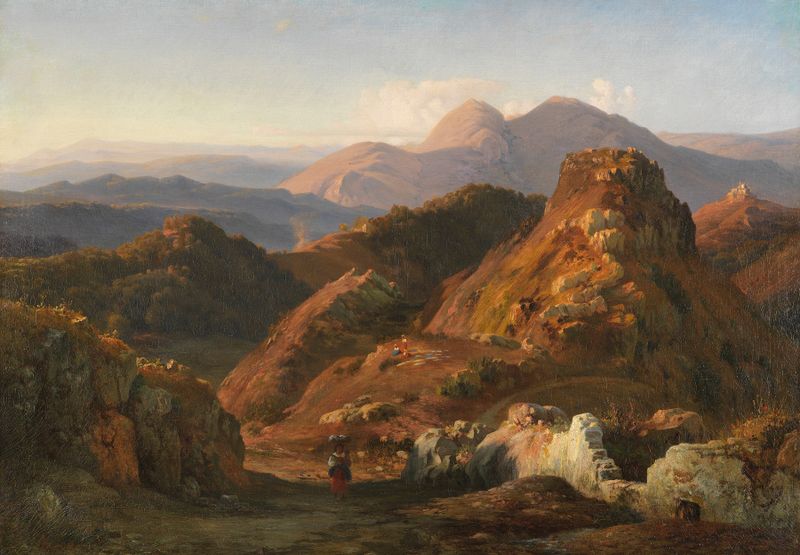
Abendstimmung in den Albaner Bergen
Louis Gurlitt
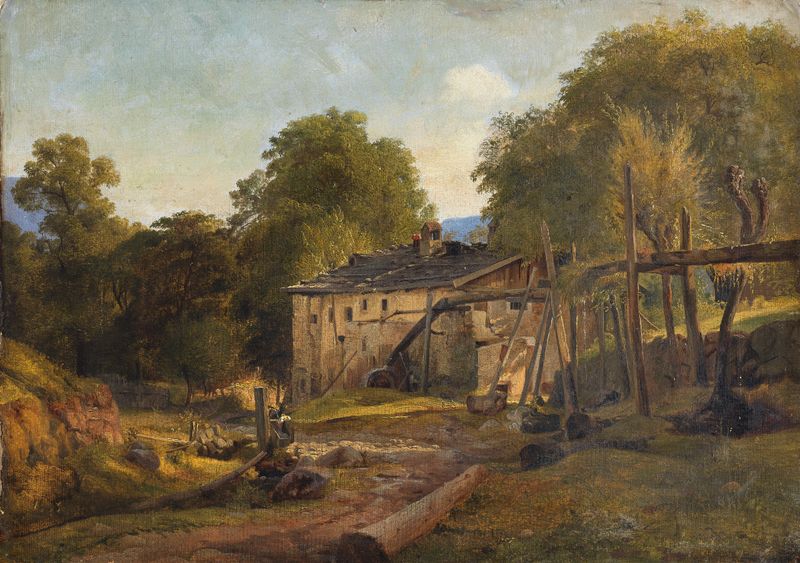
Tyrolean Landscape. Study
Louis Gurlitt





