
Heilige Bernardus aanbidt Man van Smarten — History & Facts
Where does light end, and longing begin? In Heilige Bernardus aanbidt Man van Smarten, the boundaries between faith and despair blur, inviting the observer to explore the depths of human emotion. Look to the center of the canvas, where the figure of Saint Bernard kneels in reverence before the suffering Christ. The contrast between the solemnity of his posture and the vivid, tortured expression on Christ's face draws us in, while a soft, ethereal light bathes the figures, creating an almost otherworldly atmosphere. Notice how the colors shift from the rich, deep hues of the saint’s robes to the pale, ghostly pallor of the crucified body, embodying the weight of both divine sorrow and human devotion. As you gaze deeper, you’ll uncover layers of meaning reflecting the tension between madness and clarity.
The anguished depiction of Christ speaks to the suffering inherent in belief, while Saint Bernard's troubled worship hints at the thin line between piety and despair. Each brushstroke whispers a story of longing; the reverent gesture of the saint resonates with a deeper yearning for connection, revealing the complexities of faith that can drive one to madness or illuminate the soul. Created during the early 16th century, this work emerged at a time of profound religious upheaval, as the Reformation began to challenge established doctrines. Cranach, a prominent figure in the German Renaissance, navigated this turbulent art world while drawing inspiration from humanist ideals.
His exploration of morality and emotion in this piece reflects both his personal beliefs and the shifting tides of the society surrounding him.
More Artworks by Lucas Cranach (I)
Browse all →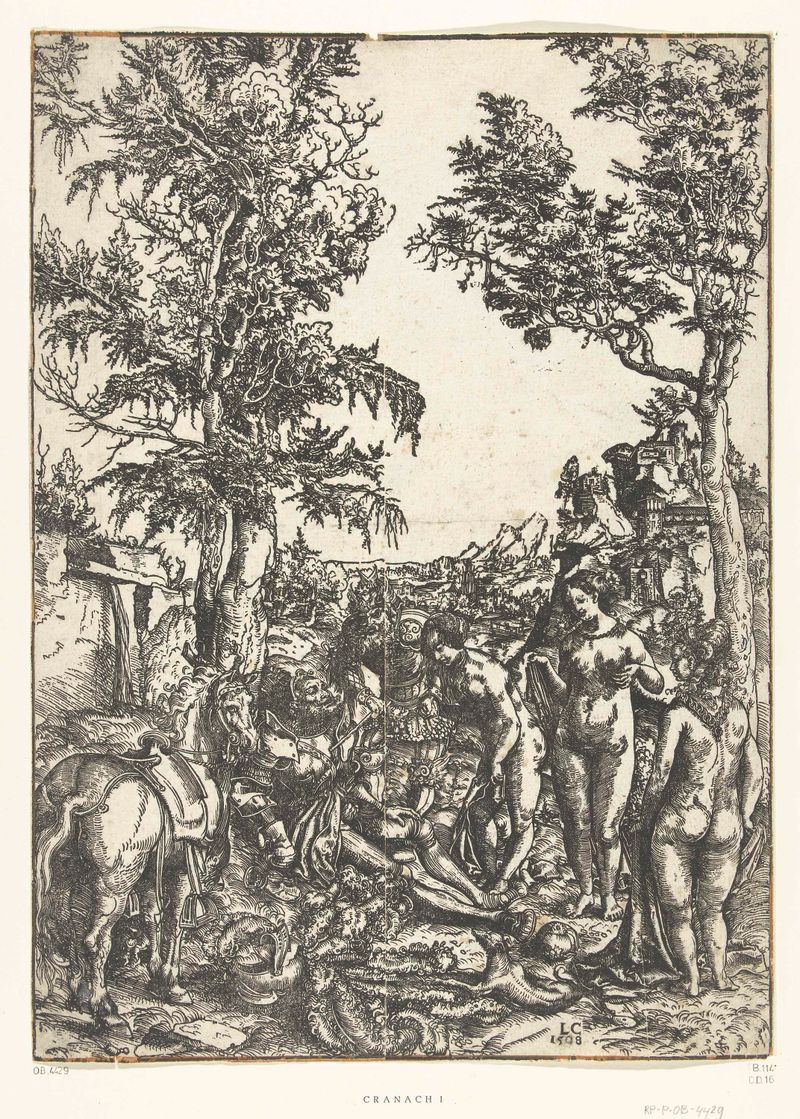
Oordeel van Paris
Lucas Cranach (I)
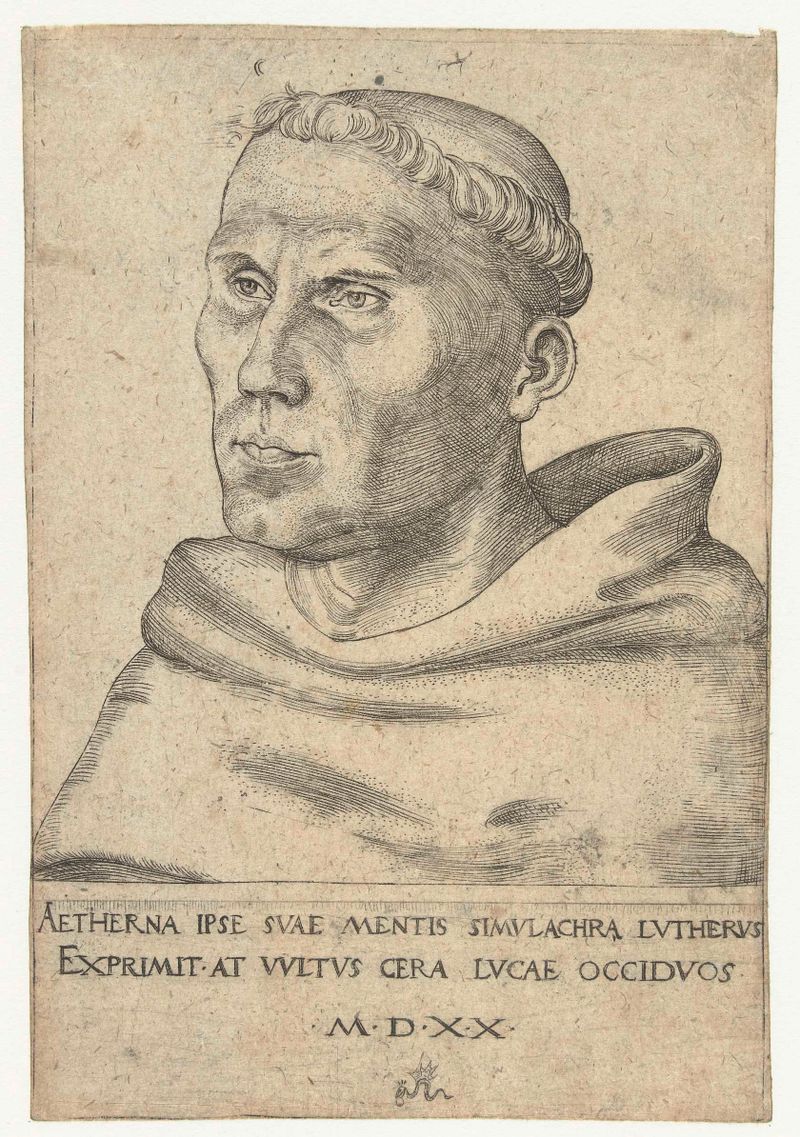
Portret van Martin Luther als Augustijner monnik
Lucas Cranach (I)
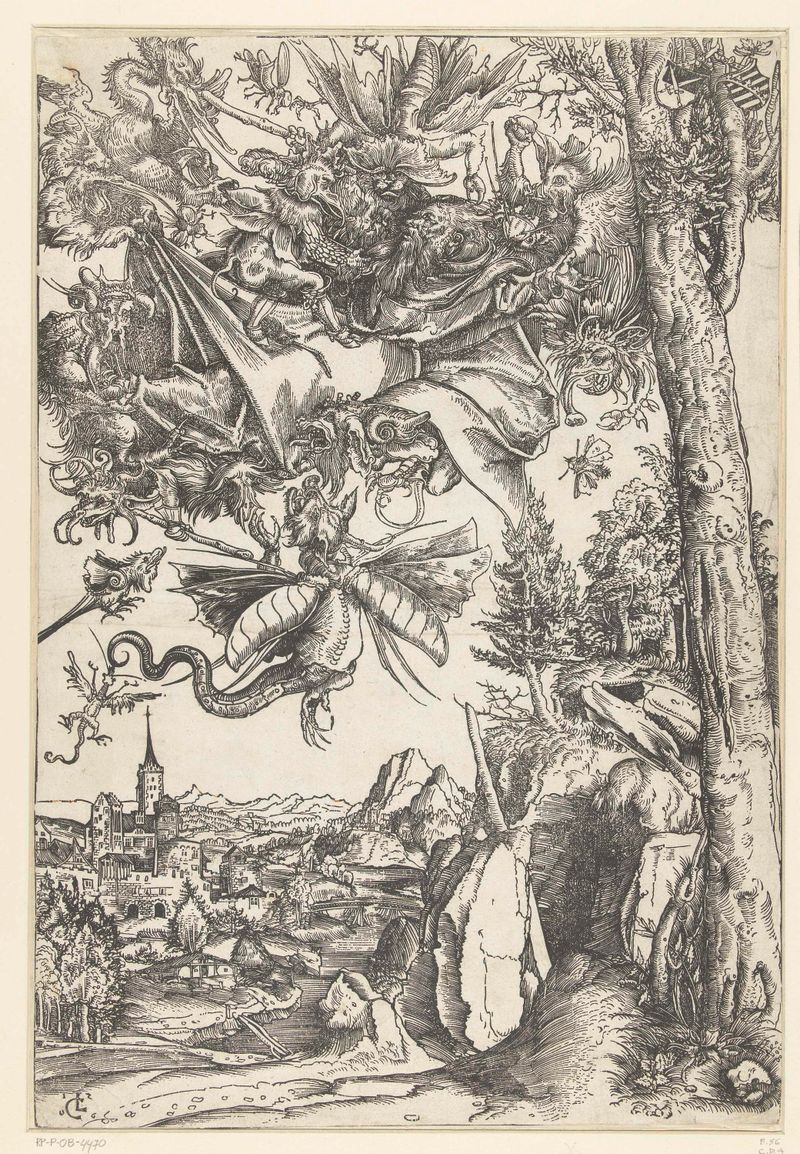
Verzoeking van Antonius met aanval door demonen
Lucas Cranach (I)

Christus en de Samaritaanse vrouw
Lucas Cranach (I)

Duits toernooi met twee edelmannen als ridders te paard
Lucas Cranach (I)
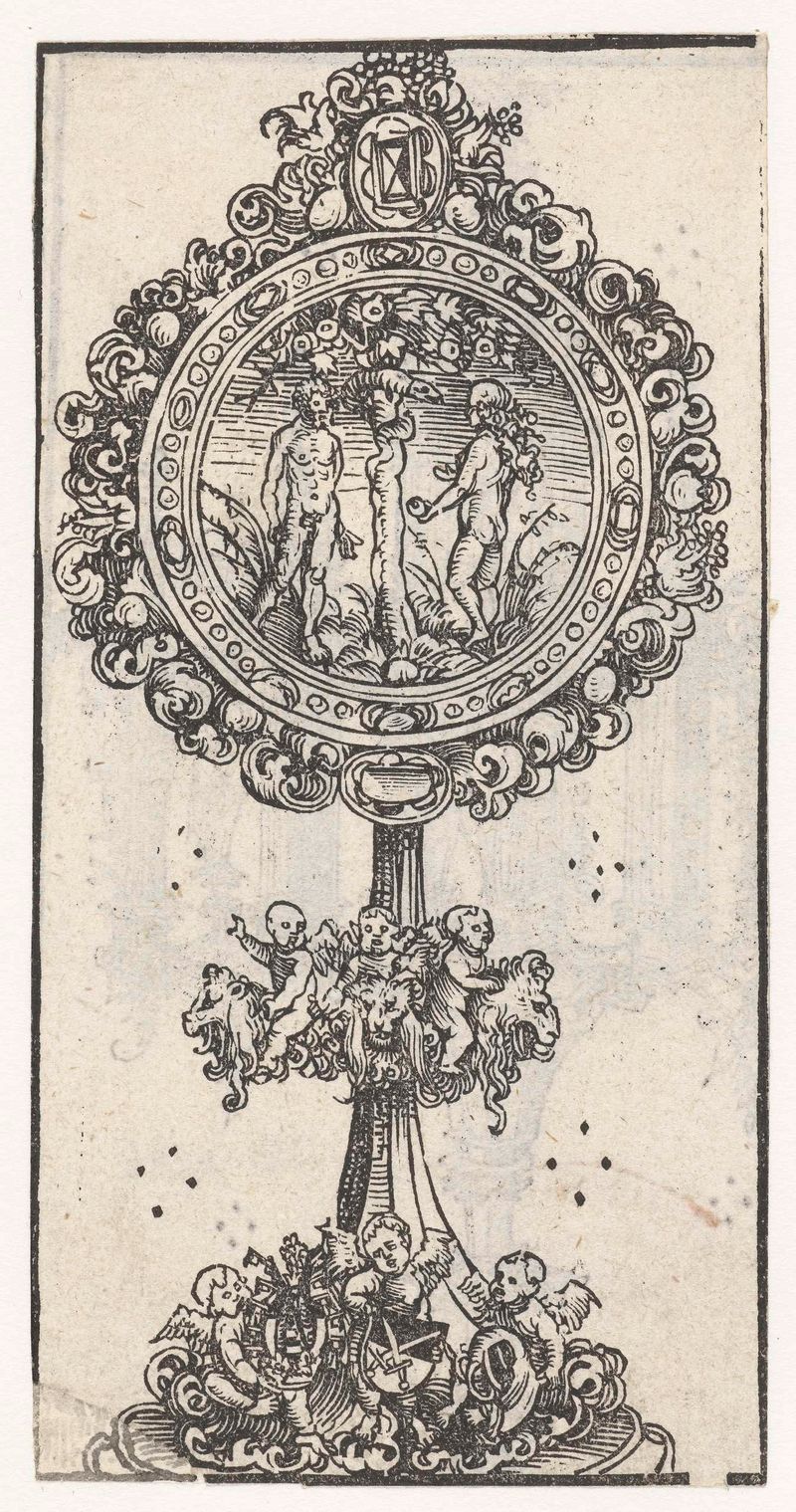
Reliekhouder met de verzoeking van Adam en Eva
Lucas Cranach (I)

Intocht van Christus in Jerusalem
Lucas Cranach (I)
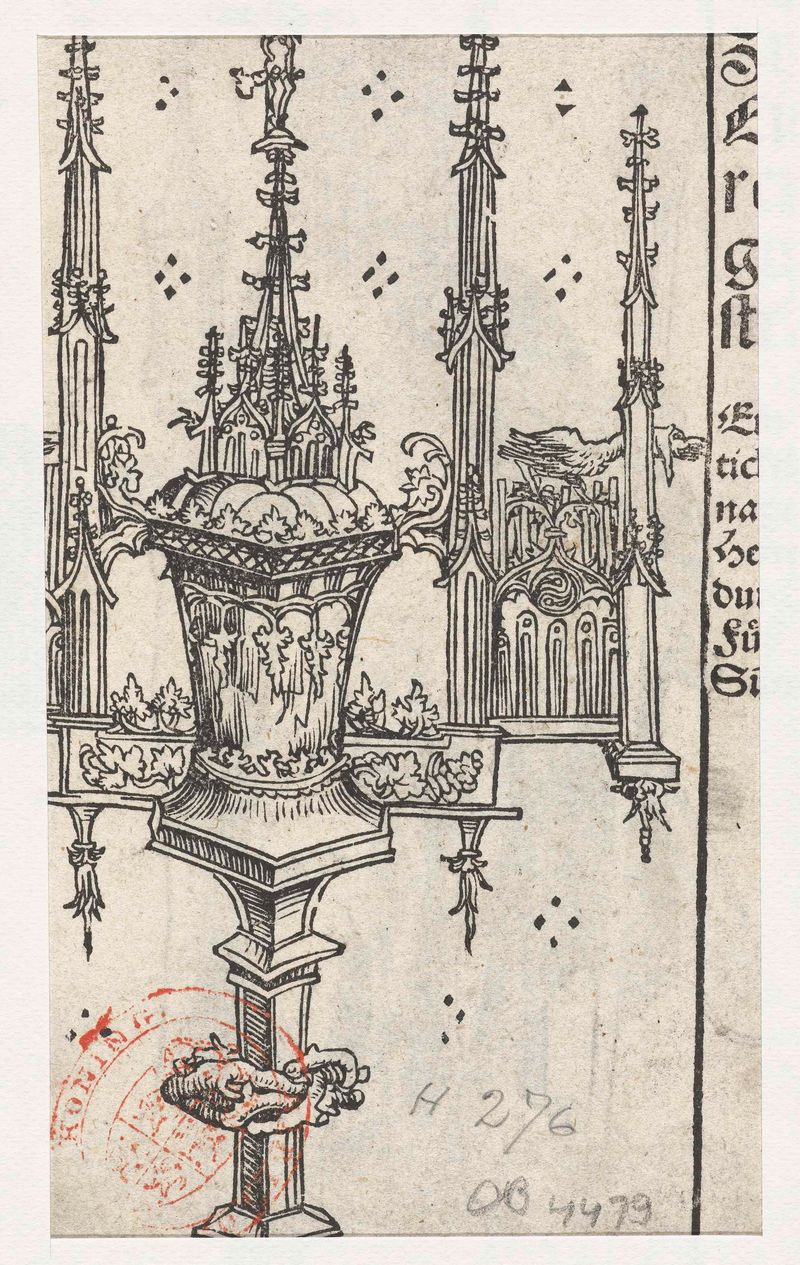
Monstrans met vogel (pelikaan)
Lucas Cranach (I)
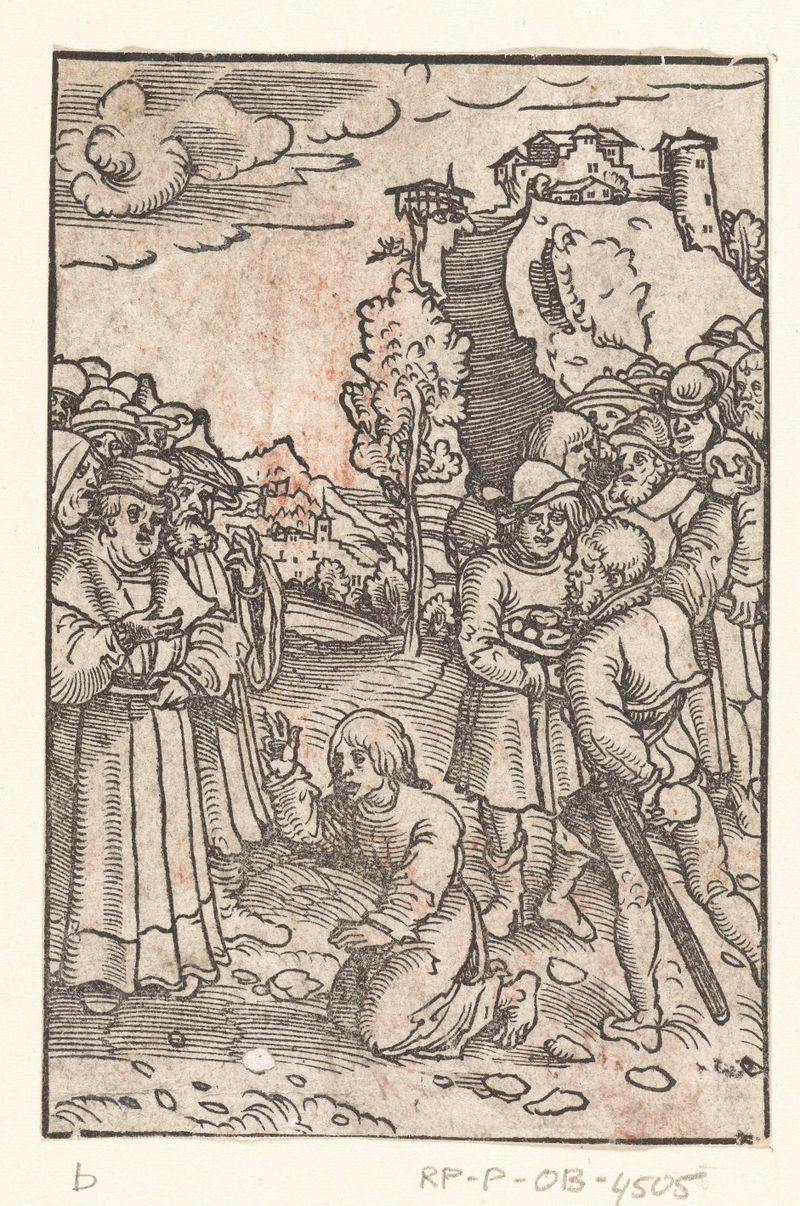
Steniging van Stefanus
Lucas Cranach (I)
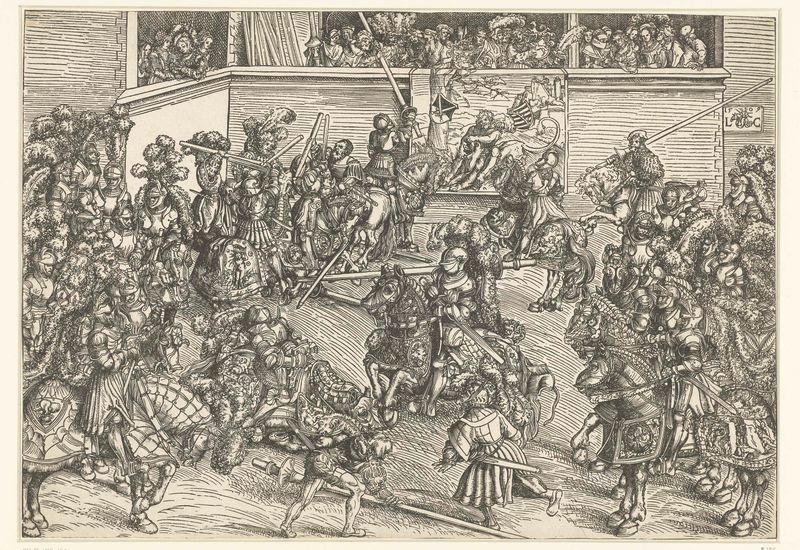
Toernooi van het keurvorstelijk hof van Saksen met wandtapijt Simson doodt de leeuw
Lucas Cranach (I)
More Religious Art
Browse all →
The Return of the Prodigal Son
Rembrandt van Rijn

The Garden of Earthly Delights
El Bosco

Count Orgaz’ funeral
El Greco

The Hundred Guilder Print: the central piece with Christ preaching, the plate arched
Rembrandt van Rijn

The Descent from the Cross
Rogier van der Weyden

The return of the prodigal son
Rembrandt van Rijn