
Heilige Catharina van Alexandrië — History & Facts
What secret hides in the quiet of the canvas? In Heilige Catharina van Alexandrië, a figure emerges, poised between history and reverence, embodying the weight of a profound legacy. Look to the left, where the figure of St. Catherine stands resplendent in a rich green robe, its vibrant hue contrasting sharply with the serene earth tones of the background. Notice how the artist captures the gentle glow of her halo, a subtle yet powerful illumination, drawing the eye upward.
The meticulous detail in her expression—an amalgamation of serenity and strength—invites viewers to delve deeper into the emotions of this sainted figure. The delicate rendering of her hands, one holding a broken wheel, speaks volumes of her martyrdom, while the other extends in a gesture that seems both inviting and commanding. Beneath the surface lies a tumultuous narrative of faith and resilience. The broken wheel, a symbol of her torture, contrasts sharply with the tranquility of her demeanor, suggesting the inner turmoil faced by those who stand for their beliefs.
The background's muted tones and the delicate interplay of light and shadow evoke a sense of solitude, illuminating the weightiness of sacrifice and the quiet strength of conviction. As we gaze upon this work, we are reminded that legacy is often forged in the fires of adversity, a thread that weaves through time and faith. In 1519, Lucas Cranach (I) painted this portrait during a time of religious upheaval in Europe, paralleling the spread of Protestant Reformation ideas. Working predominantly in Wittenberg, he was deeply influenced by the era's shifting perspectives on faith and morality.
This artwork is not just a representation of a saint but a reflection of the era’s complex dialogues surrounding belief, identity, and cultural impact.
More Artworks by Lucas Cranach (I)
Browse all →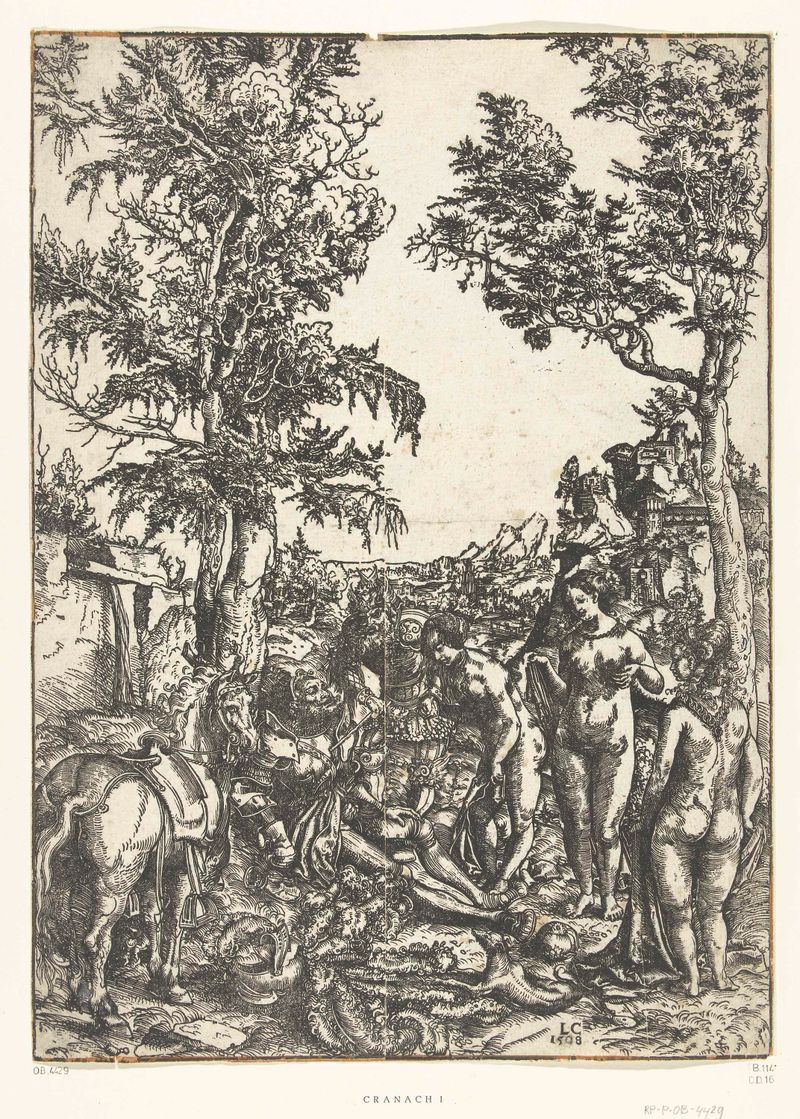
Oordeel van Paris
Lucas Cranach (I)
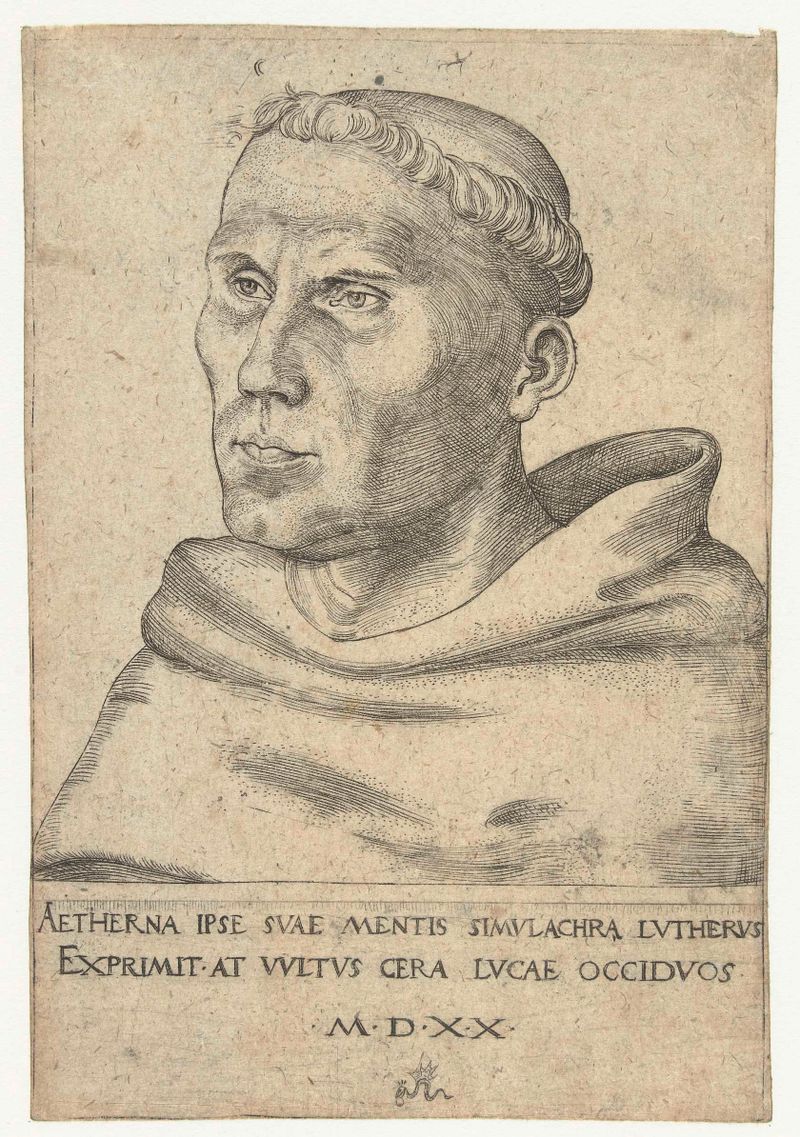
Portret van Martin Luther als Augustijner monnik
Lucas Cranach (I)
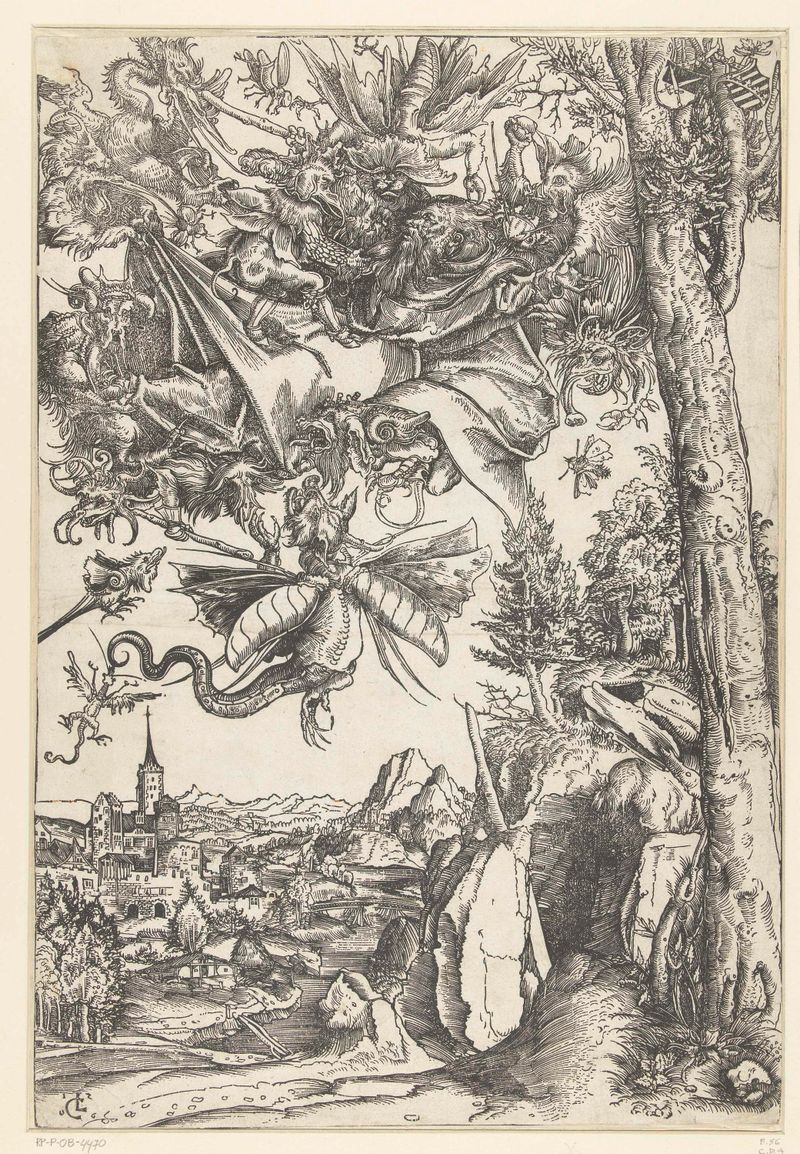
Verzoeking van Antonius met aanval door demonen
Lucas Cranach (I)

Christus en de Samaritaanse vrouw
Lucas Cranach (I)

Duits toernooi met twee edelmannen als ridders te paard
Lucas Cranach (I)
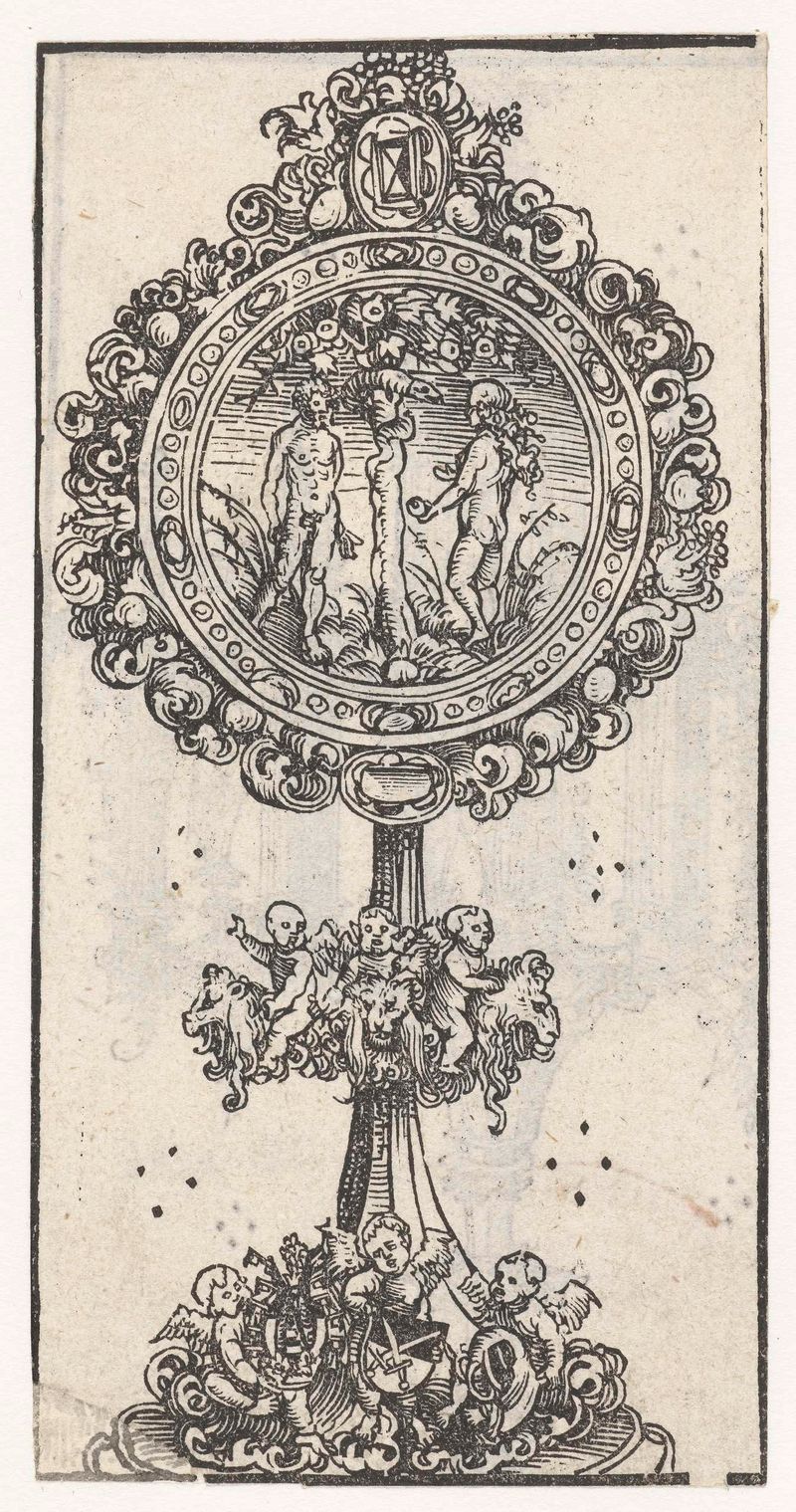
Reliekhouder met de verzoeking van Adam en Eva
Lucas Cranach (I)

Intocht van Christus in Jerusalem
Lucas Cranach (I)
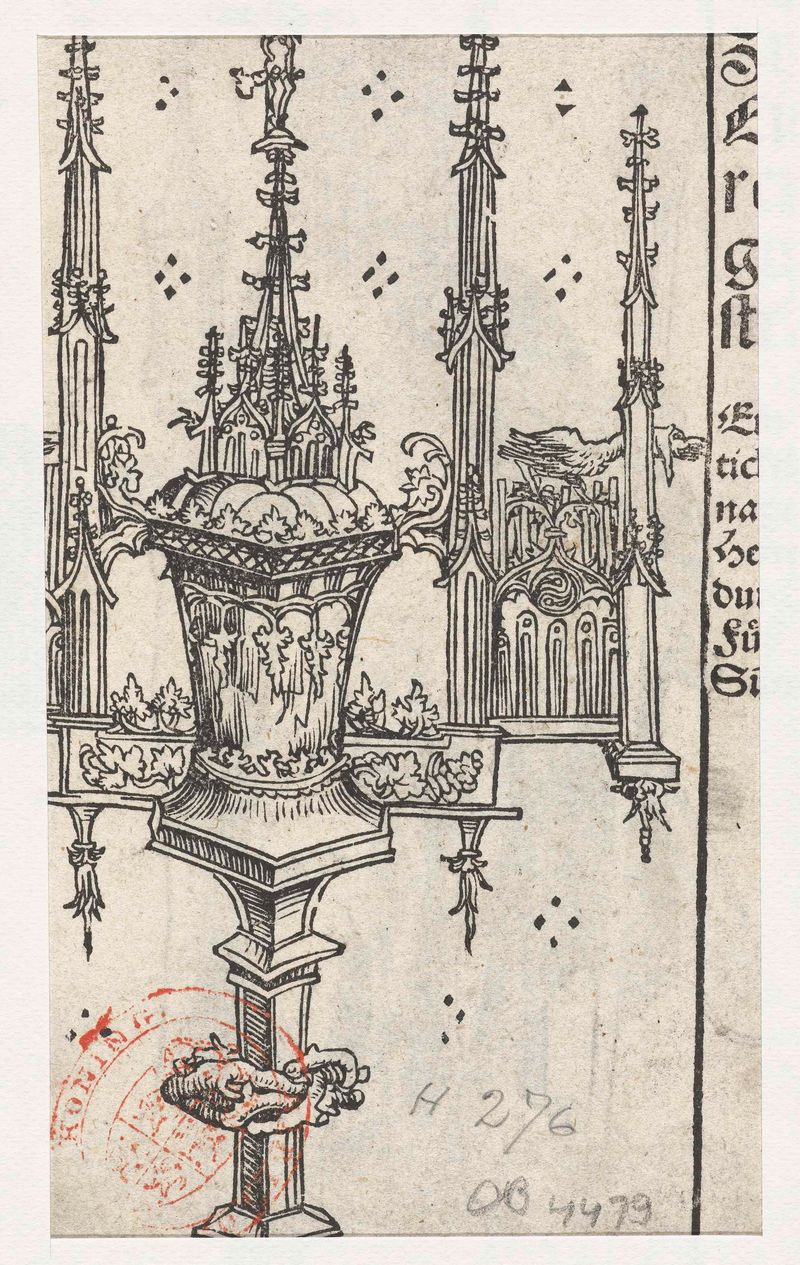
Monstrans met vogel (pelikaan)
Lucas Cranach (I)
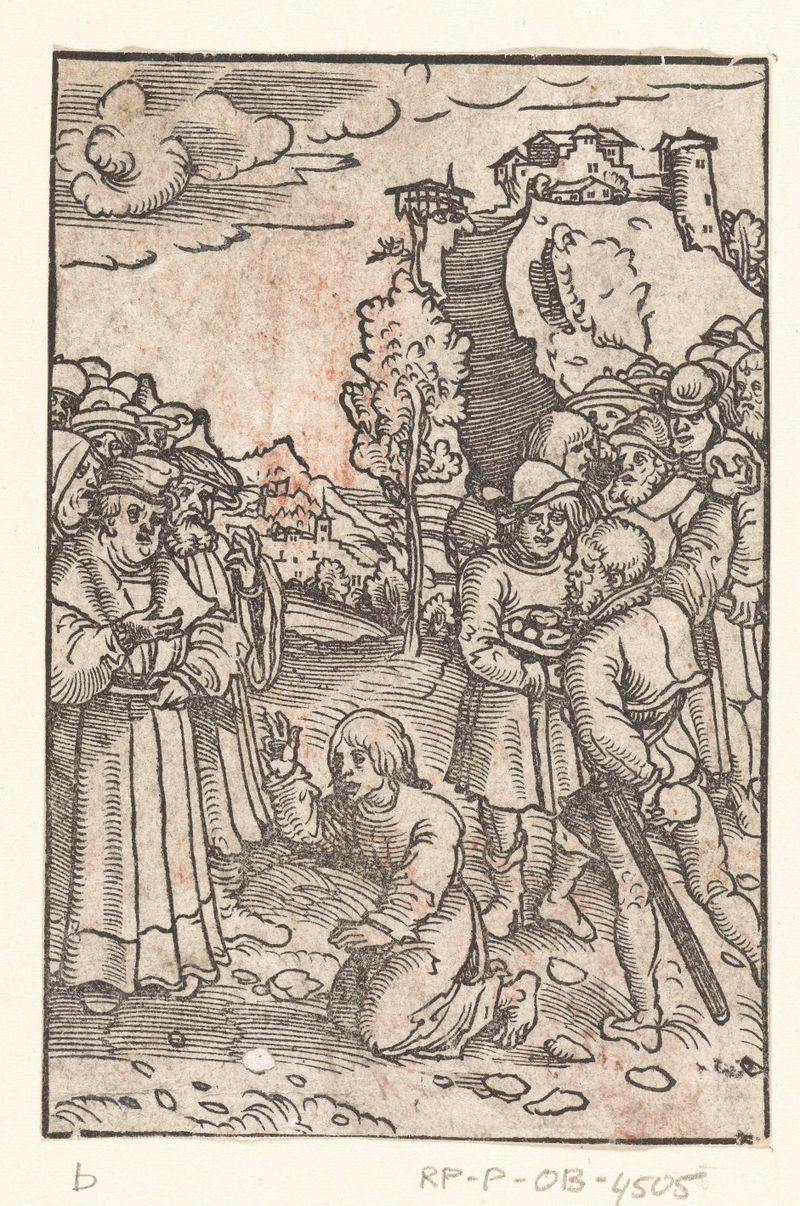
Steniging van Stefanus
Lucas Cranach (I)
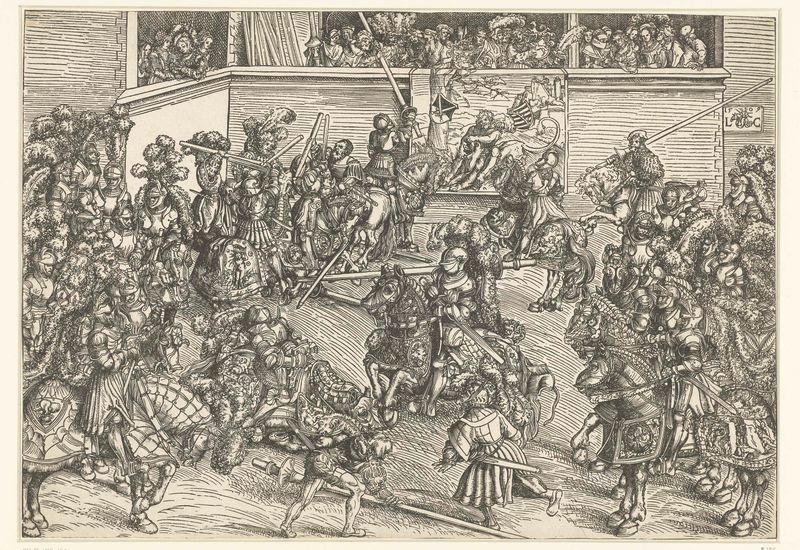
Toernooi van het keurvorstelijk hof van Saksen met wandtapijt Simson doodt de leeuw
Lucas Cranach (I)
More Religious Art
Browse all →
The Return of the Prodigal Son
Rembrandt van Rijn

The Garden of Earthly Delights
El Bosco

Count Orgaz’ funeral
El Greco

The Hundred Guilder Print: the central piece with Christ preaching, the plate arched
Rembrandt van Rijn

The Descent from the Cross
Rogier van der Weyden

The return of the prodigal son
Rembrandt van Rijn