
Heilige Christoffel met Christuskind — History & Facts
In the quiet embrace of a painted moment, resonance lingers between the divine and the earthly, a delicate equilibrium that invites contemplation. The balance embodied in Heilige Christoffel met Christuskind offers a glimpse into a sacred dialogue, where faith and humanity unite under the artist’s deliberate hand. Focus first on the serene expression of Saint Christopher, positioned at the center of the composition. His gaze, steady and compassionate, draws you into a world suspended in time.
Notice how the soft hues of the background contrast with the vivid reds and greens of the figures, creating a harmonious tension that underlines the sanctity of the moment. The careful interplay of light reveals subtle textures in the drapery, showcasing Cranach's meticulous technique and enhancing the ethereal quality of the Christ Child in his arms. Beneath the surface, the painting reflects deeper meanings of protection and guidance. The saint, depicted as a sturdy figure, symbolizes the journey of faith, taking both Christ and the viewer along a path of spiritual exploration.
The juxtaposition of the gentle Christ Child against Christopher’s robust form emphasizes the balance between vulnerability and strength, inviting viewers to consider their own roles in nurturing and safeguarding belief amidst life’s trials. Created in 1506, this work epitomizes the early Renaissance, during which Cranach emerged as a pivotal figure in Northern European art. While living in Wittenberg, he was influenced by the Reformation's shifting ideals, which led him to explore themes of humanism fused with devotion. This painting is a testament not only to his skill but also to the spiritual quest of an era marked by transformation and the search for meaning.
More Artworks by Lucas Cranach (I)
Browse all →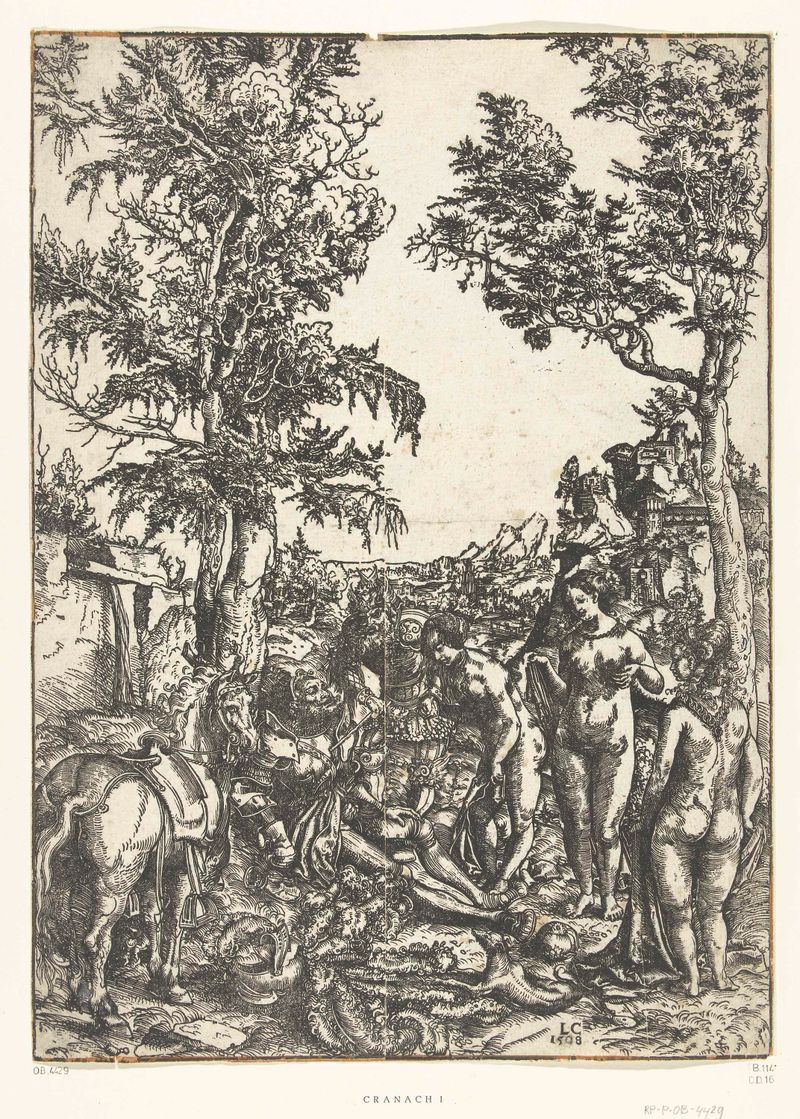
Oordeel van Paris
Lucas Cranach (I)
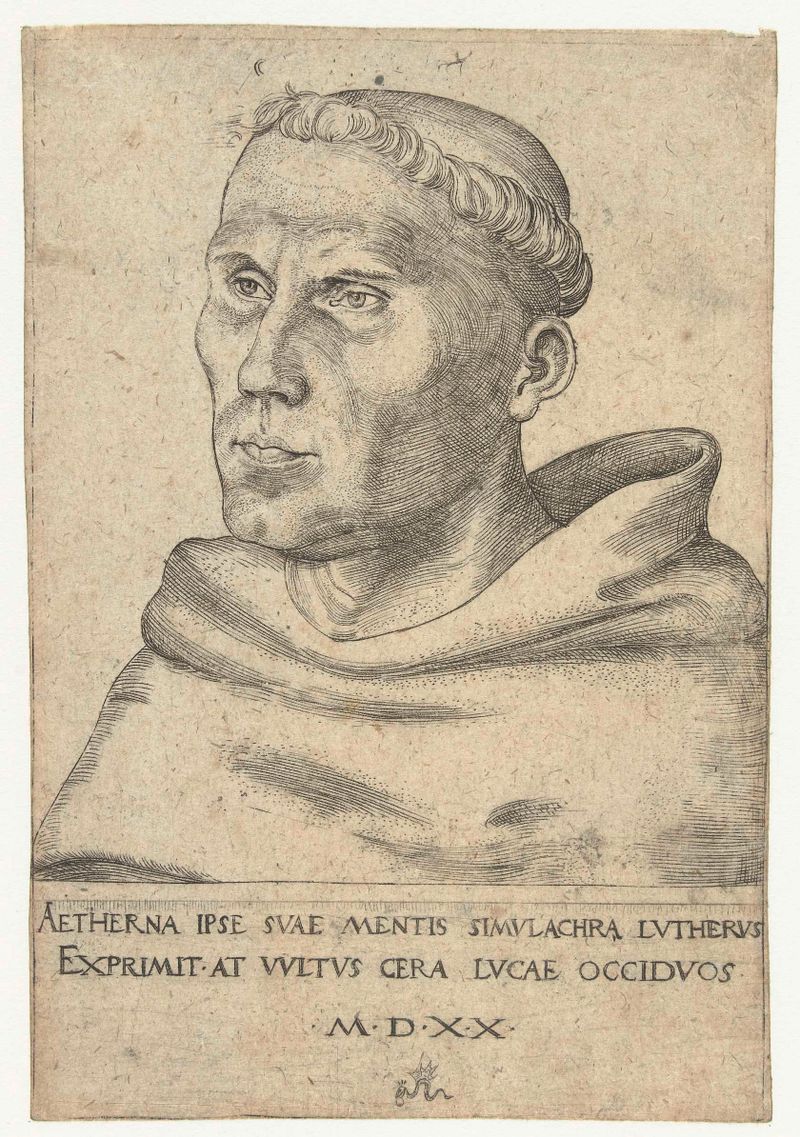
Portret van Martin Luther als Augustijner monnik
Lucas Cranach (I)
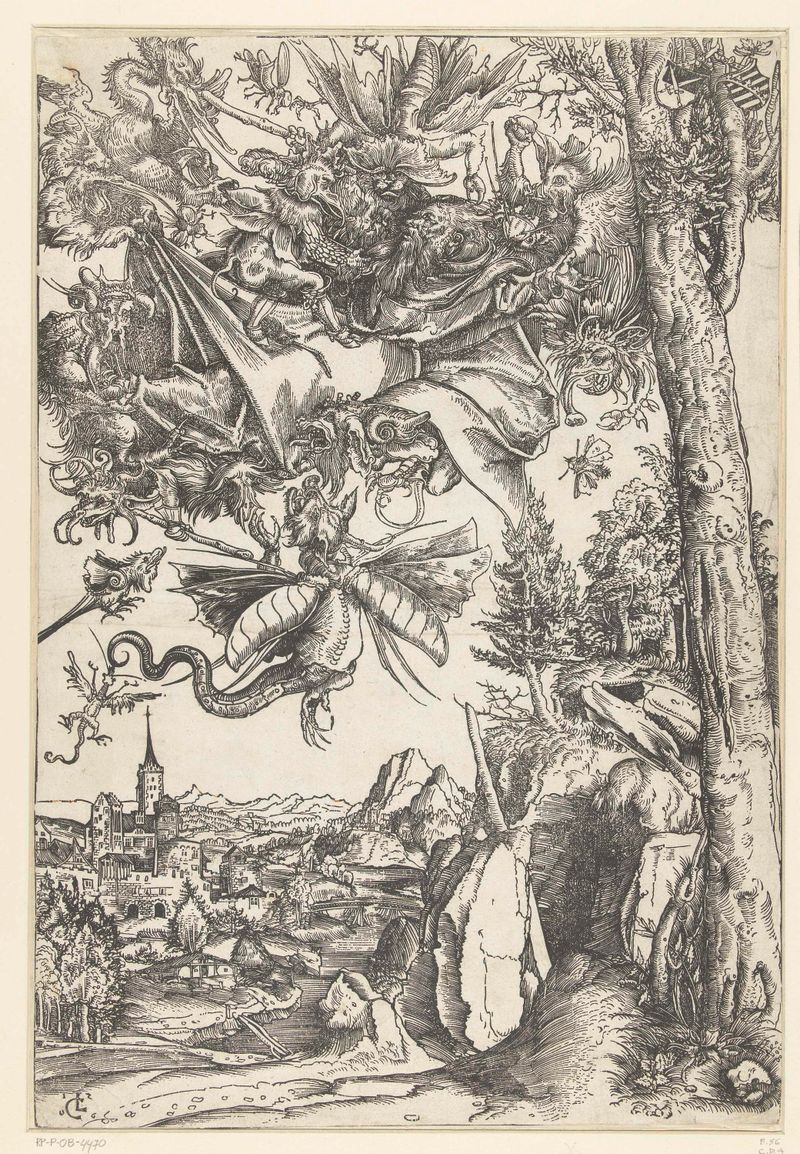
Verzoeking van Antonius met aanval door demonen
Lucas Cranach (I)

Christus en de Samaritaanse vrouw
Lucas Cranach (I)

Duits toernooi met twee edelmannen als ridders te paard
Lucas Cranach (I)
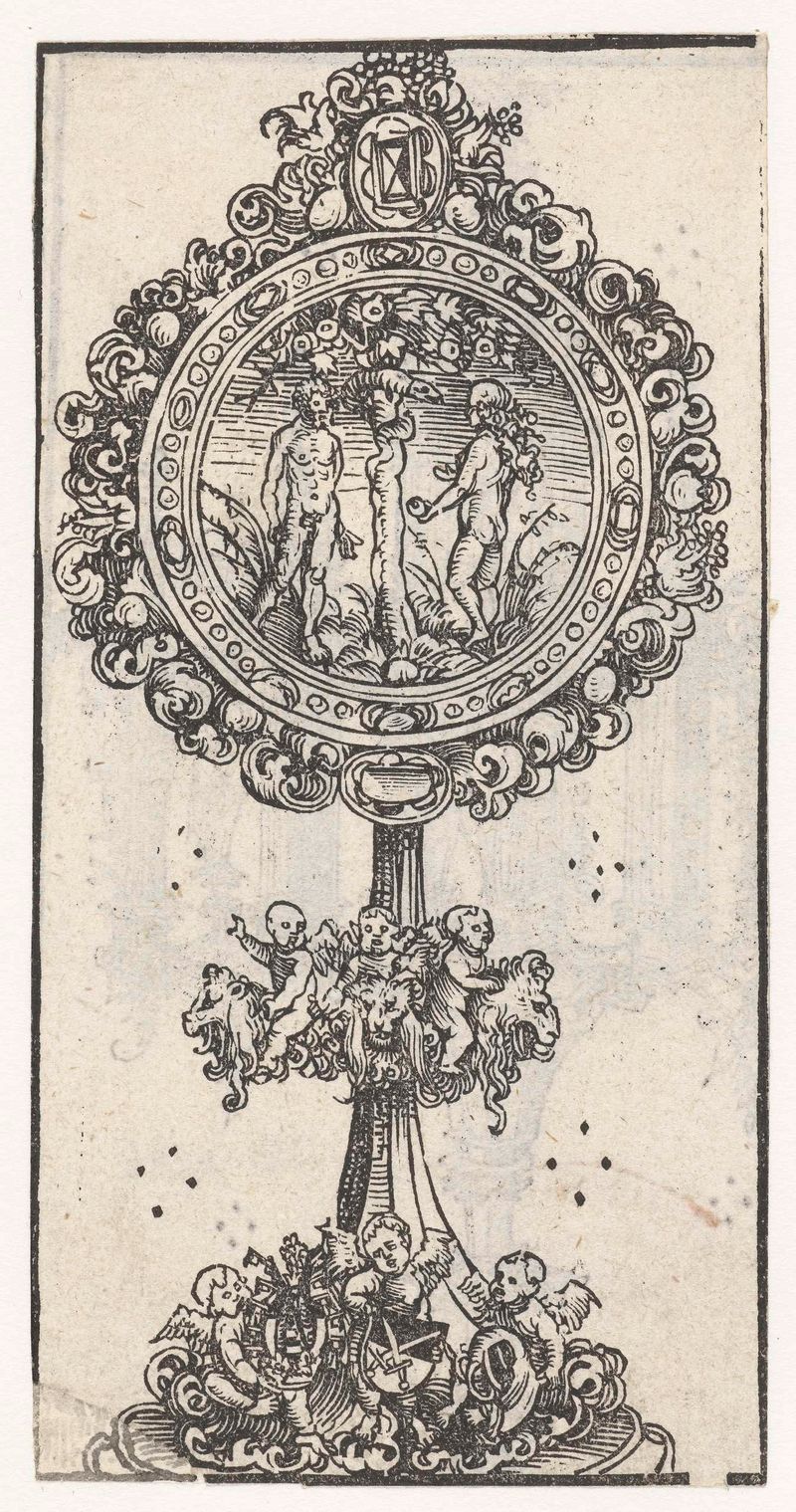
Reliekhouder met de verzoeking van Adam en Eva
Lucas Cranach (I)

Intocht van Christus in Jerusalem
Lucas Cranach (I)
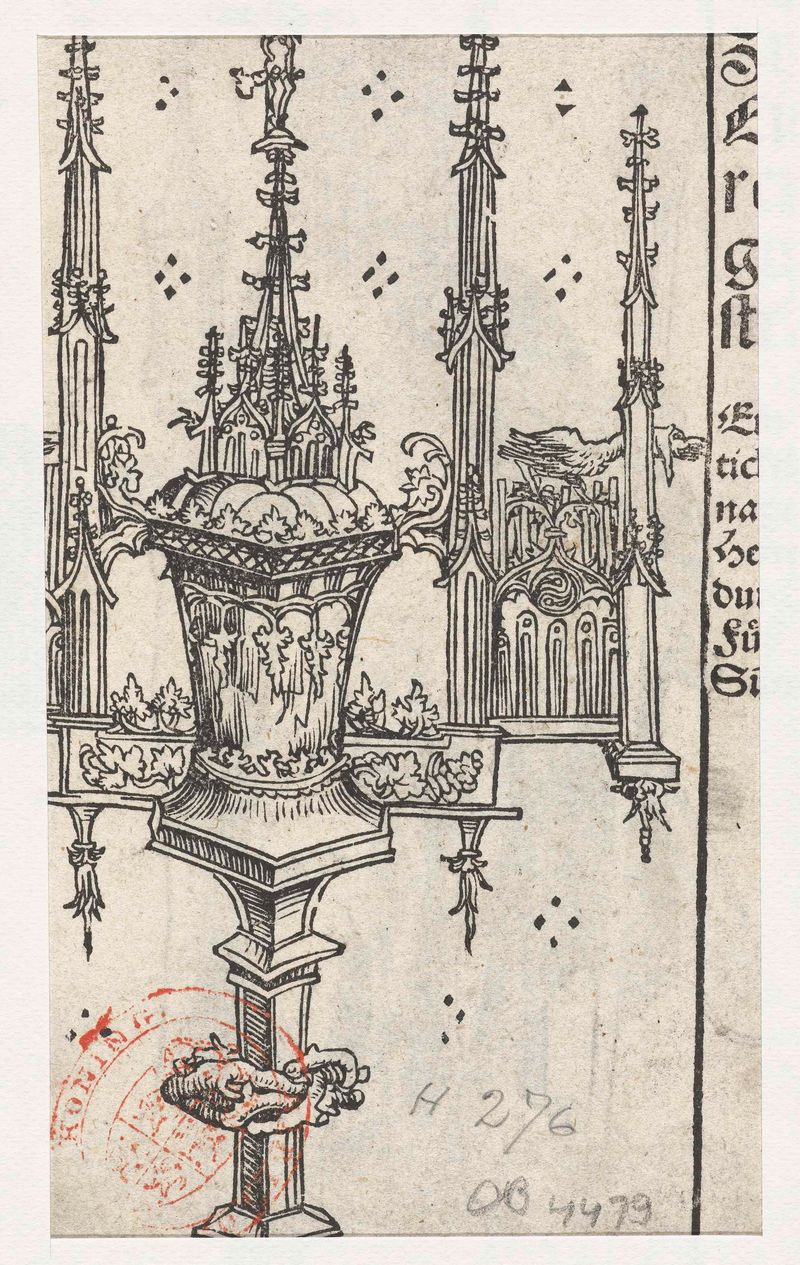
Monstrans met vogel (pelikaan)
Lucas Cranach (I)
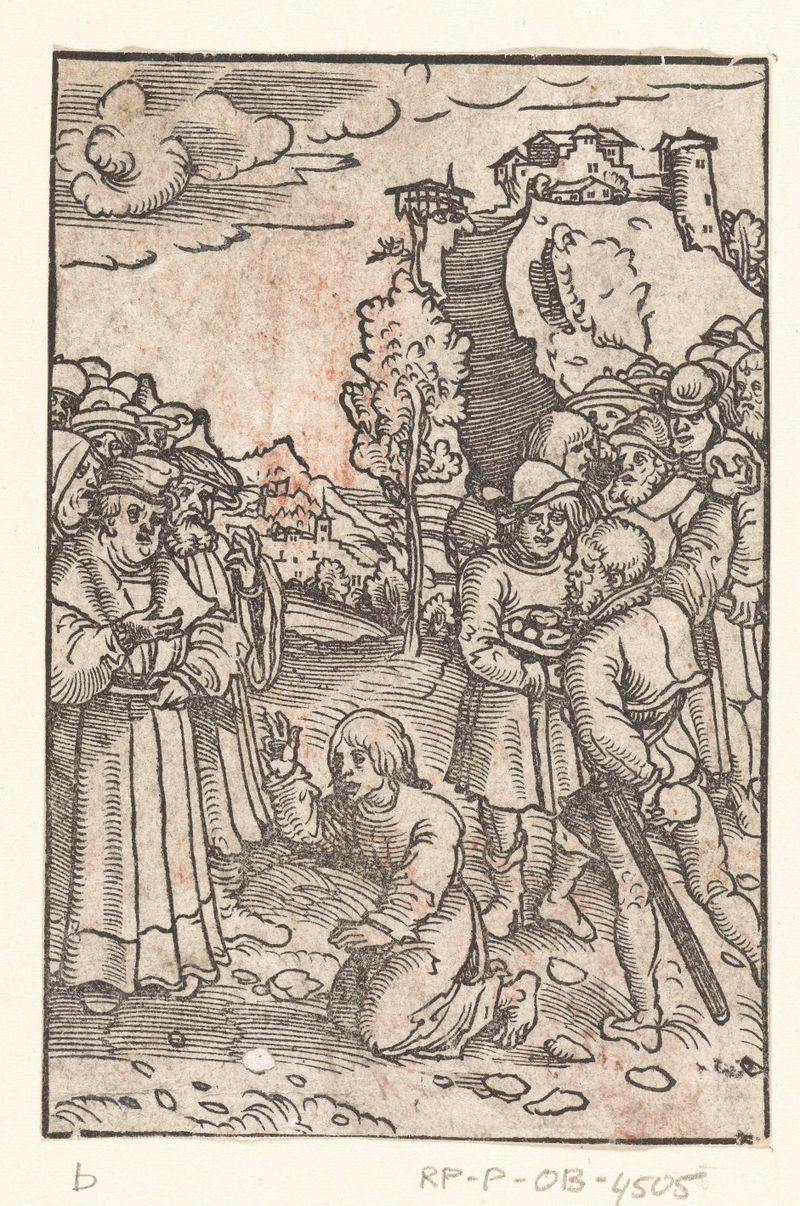
Steniging van Stefanus
Lucas Cranach (I)
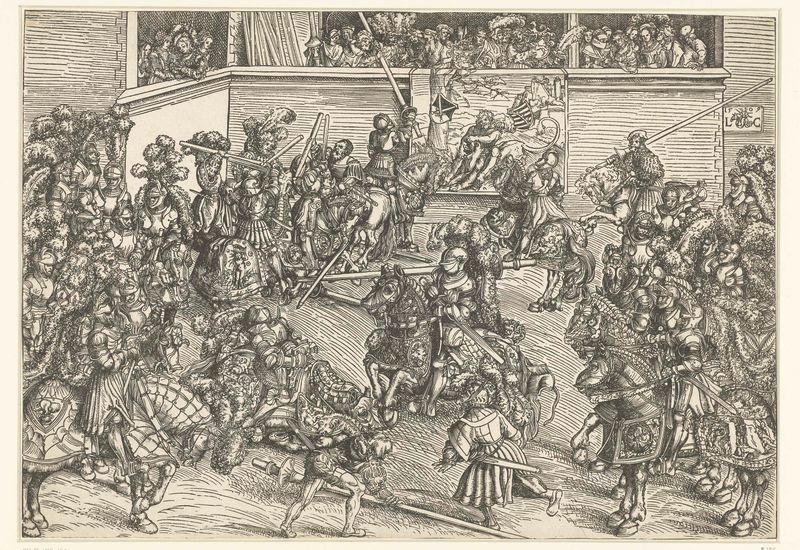
Toernooi van het keurvorstelijk hof van Saksen met wandtapijt Simson doodt de leeuw
Lucas Cranach (I)
More Religious Art
Browse all →
The Return of the Prodigal Son
Rembrandt van Rijn

The Garden of Earthly Delights
El Bosco

Count Orgaz’ funeral
El Greco

The Hundred Guilder Print: the central piece with Christ preaching, the plate arched
Rembrandt van Rijn

The Descent from the Cross
Rogier van der Weyden

The return of the prodigal son
Rembrandt van Rijn