
Heilige Christoffel met Christuskind — History & Facts
What if silence could speak through light? In Heilige Christoffel met Christuskind, the stillness reverberates, punctuating the tension between divine protection and the threats lurking beyond. Look to the right at the serene face of St. Christopher, bathed in a soft, golden glow. His muscular frame and gentle demeanor cradle the Christ Child, who radiates an ethereal shimmer.
The dark, looming forest behind them contrasts sharply with the enlightened figures, creating a sense of encroaching danger. Notice how Cranach employs rich, earthy tones for the background, invoking unease while emphasizing the sanctity of the central figures. The composition draws the eye inward, inviting contemplation of the violence that the world, depicted in shadows, may pose to innocence. Hidden in the verdant foliage are symbols of foreboding—a serpent coiling in the underbrush and a turbulent sky threatening to overshadow the calm.
These details create a whisper of violence, suggesting that serenity is often accompanied by strife. The juxtaposition between the warmth of the figures and the coolness of the shadows conveys an emotional tension, reflecting the fragility of peace amidst life’s struggles. The Christ Child, embodying hope, stands as a guardian against that darkness, hinting at a promise of salvation. Cranach painted this work during a period marked by religious upheaval and the rise of the Reformation, between 1506 and 1553 in Wittenberg, Germany.
His engagement with themes of faith and protection resonated with contemporary audiences, as many sought solace against the chaos of their world. This artwork captures not just a moment, but a broader existential reflection on the relationship between light and darkness, safety and violence.
More Artworks by Lucas Cranach (I)
Browse all →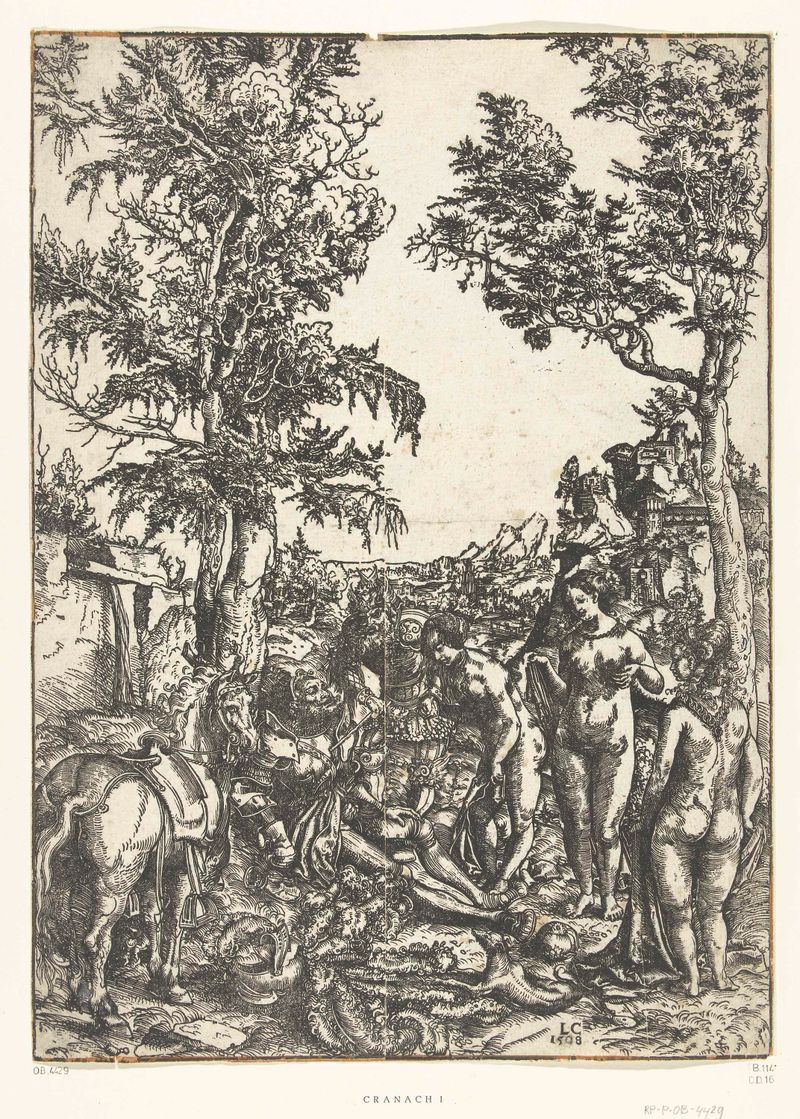
Oordeel van Paris
Lucas Cranach (I)
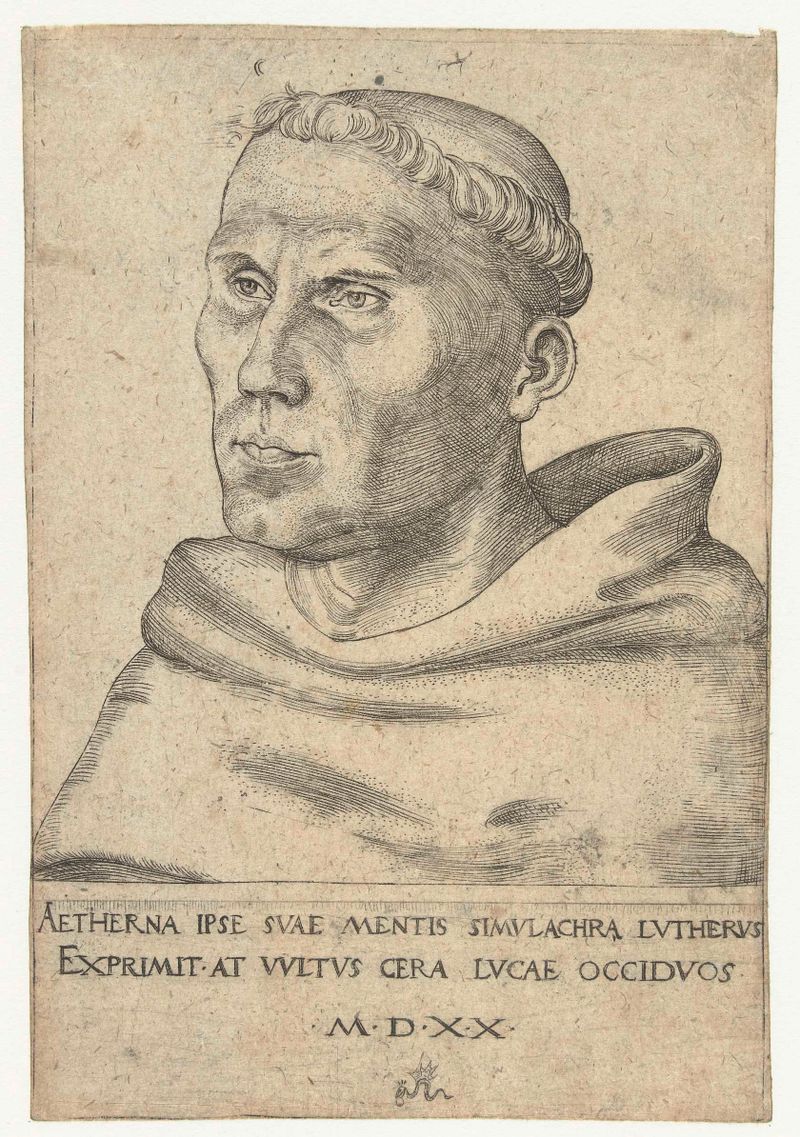
Portret van Martin Luther als Augustijner monnik
Lucas Cranach (I)
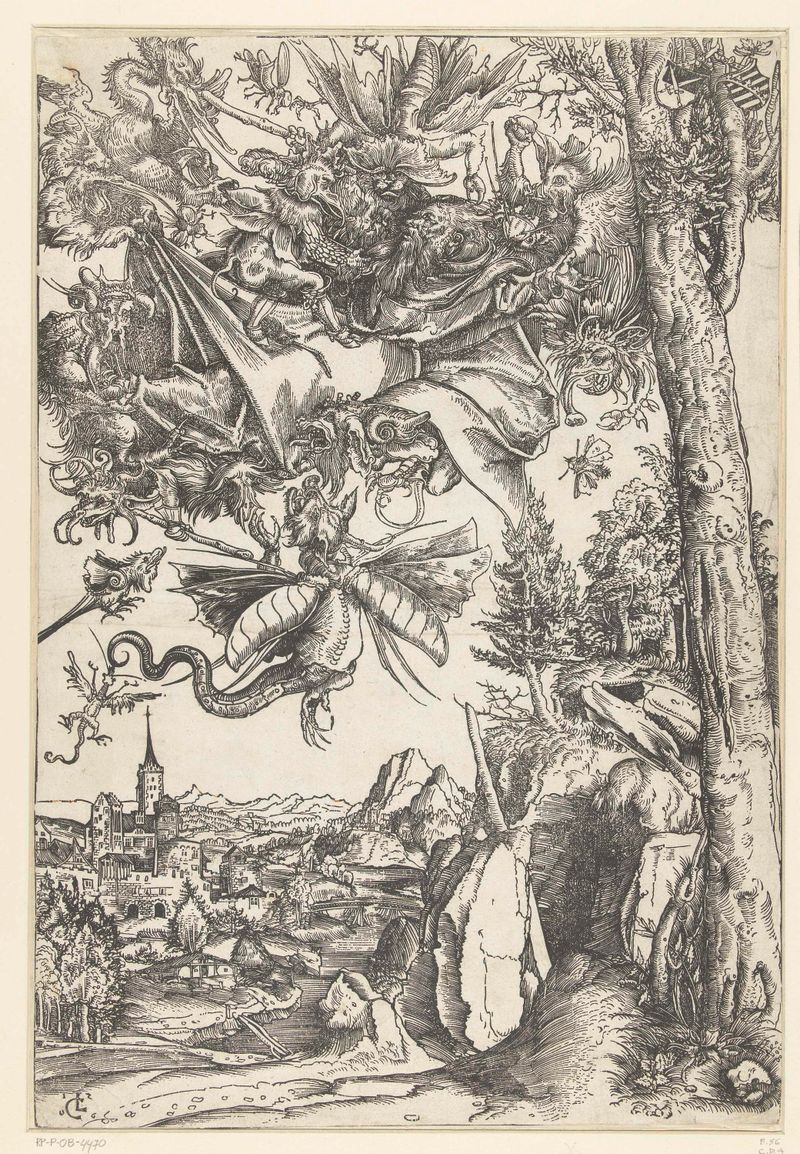
Verzoeking van Antonius met aanval door demonen
Lucas Cranach (I)

Christus en de Samaritaanse vrouw
Lucas Cranach (I)

Duits toernooi met twee edelmannen als ridders te paard
Lucas Cranach (I)
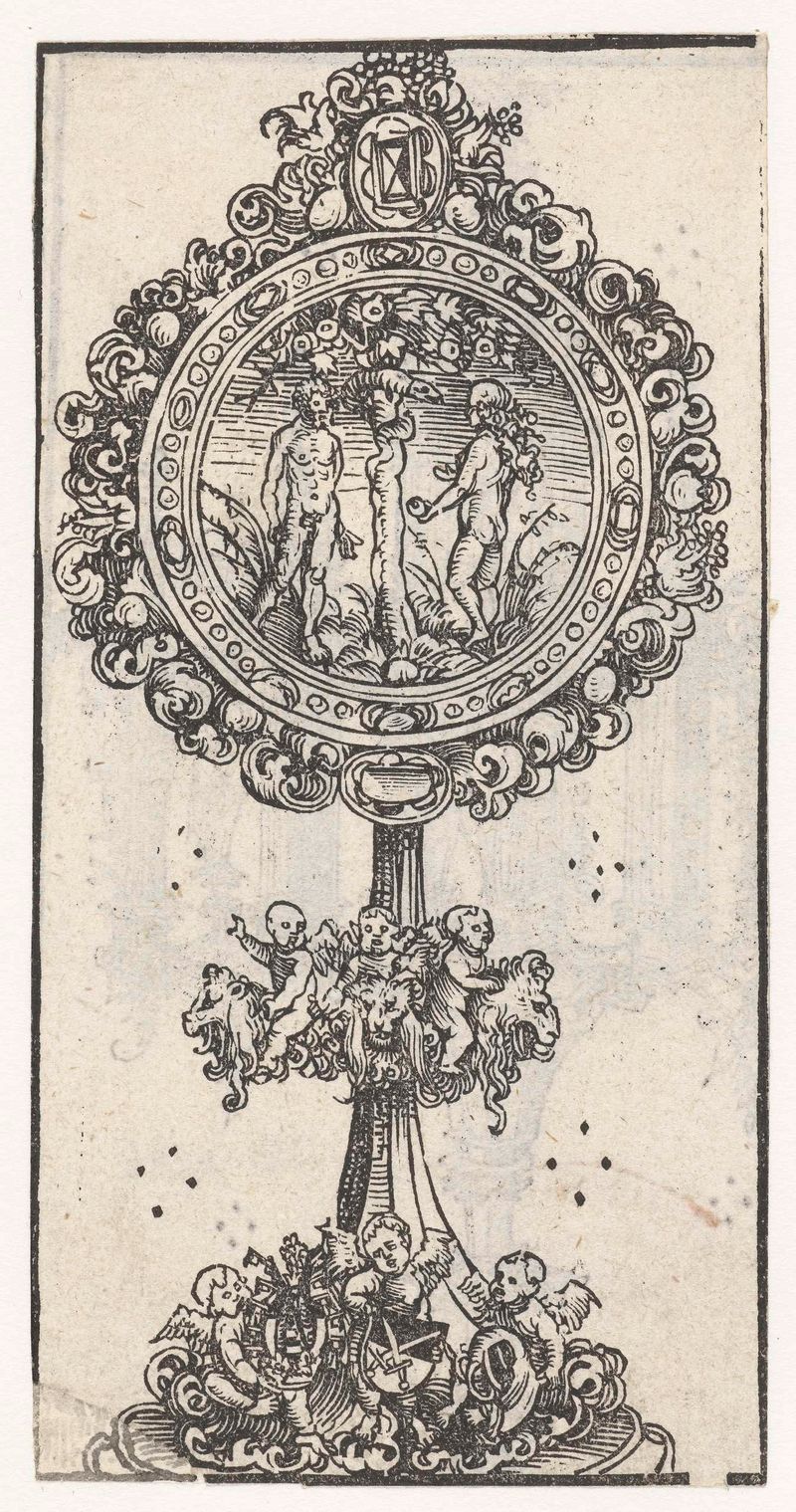
Reliekhouder met de verzoeking van Adam en Eva
Lucas Cranach (I)

Intocht van Christus in Jerusalem
Lucas Cranach (I)
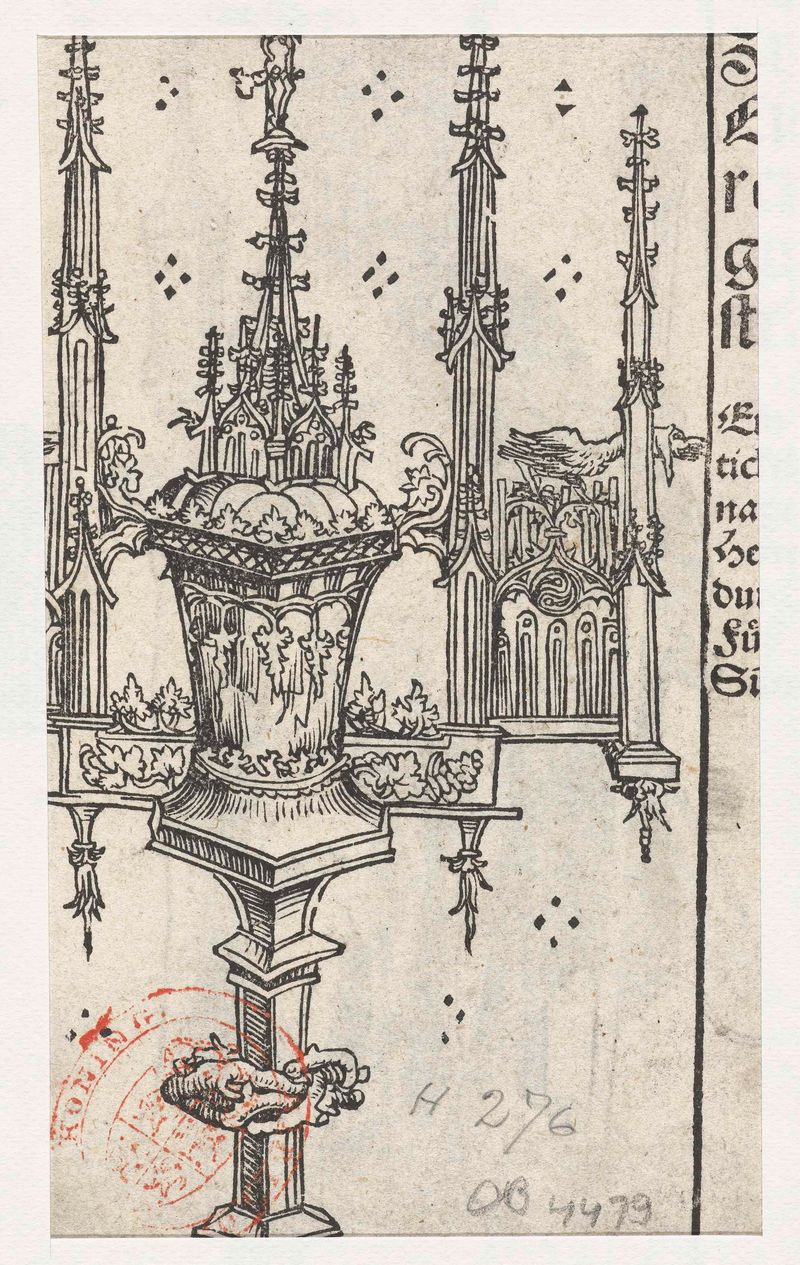
Monstrans met vogel (pelikaan)
Lucas Cranach (I)
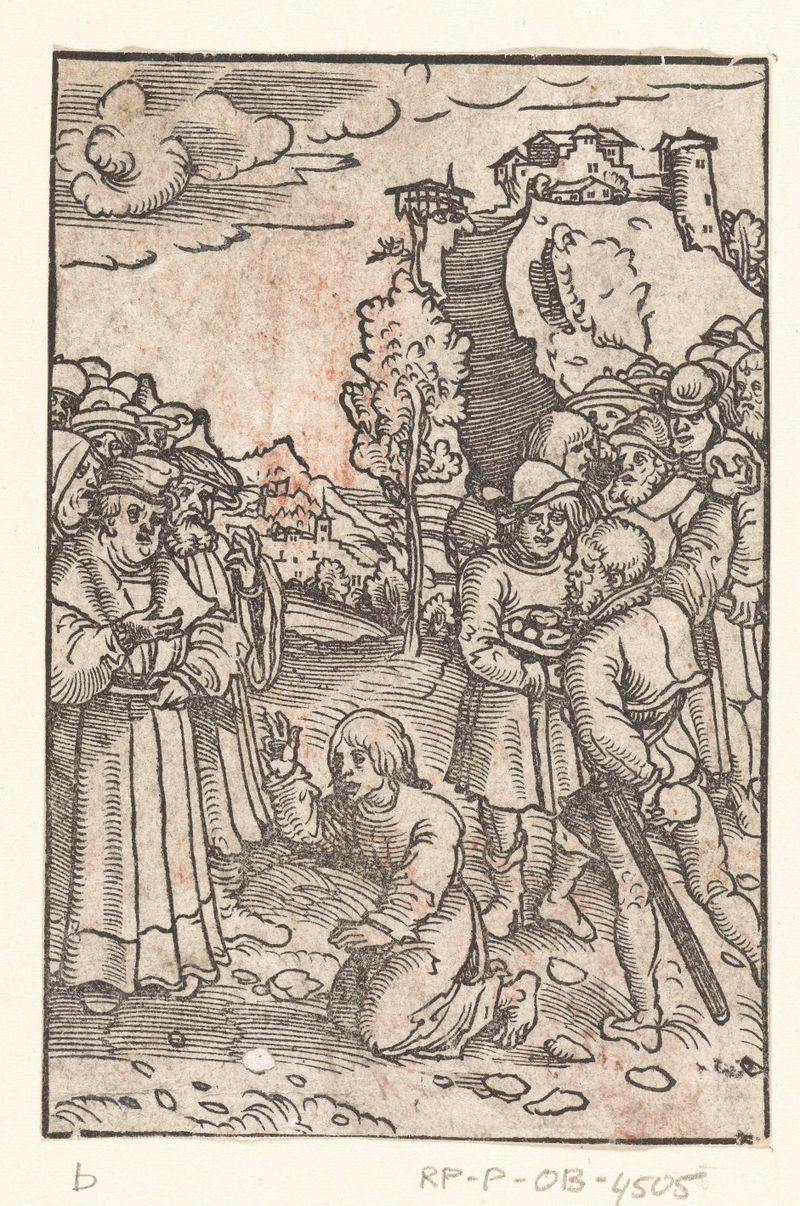
Steniging van Stefanus
Lucas Cranach (I)
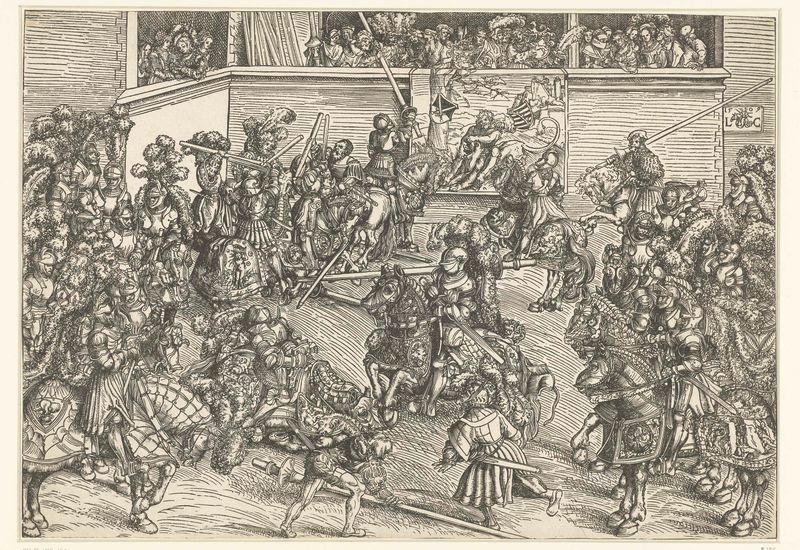
Toernooi van het keurvorstelijk hof van Saksen met wandtapijt Simson doodt de leeuw
Lucas Cranach (I)
More Religious Art
Browse all →
The Return of the Prodigal Son
Rembrandt van Rijn

The Garden of Earthly Delights
El Bosco

Count Orgaz’ funeral
El Greco

The Hundred Guilder Print: the central piece with Christ preaching, the plate arched
Rembrandt van Rijn

The Descent from the Cross
Rogier van der Weyden

The return of the prodigal son
Rembrandt van Rijn