
Heilige Familie met Johannes de Doper — History & Facts
Can beauty exist without sorrow? In the delicate interplay of figures within Heilige Familie met Johannes de Doper, desire intertwines with a poignant sense of longing, inviting deeper contemplation. Look to the central figures, where the Virgin Mary cradles the infant Jesus, her gaze cast downward, cloaked in a serene yet melancholic aura. Notice how the soft light illuminates the outlines of their forms, contrasting with the deep shadows that envelop the surrounding space. To the left, John the Baptist stands with an expression bearing the weight of his future, a subtle tension captured in his delicate posture.
The muted palette, rich in earth tones, evokes a sense of warmth, while infusing the scene with an underlying somberness. The intricate details reveal emotional complexities: the tender touch of Mary’s hand at Jesus’ back signifies an unspoken bond, steeped in maternal protectiveness and foreshadowing the pain of eventual sacrifice. John's presence introduces a duality; he embodies both the promise of salvation and the inevitability of suffering. Each element, from the positioning of hands to the gentle sway of fabric, hints at a struggle between yearning for divine connection and the sorrow that often accompanies holy duty. In 1642, Wenceslaus Hollar created this piece during a period of artistic transition in Europe, where Baroque influences were flourishing.
Living in the aftermath of the Thirty Years' War and amidst personal challenges, Hollar sought refuge in his art, drawing inspiration from the profound human experiences of love and loss.
More Artworks by Wenceslaus Hollar
Browse all →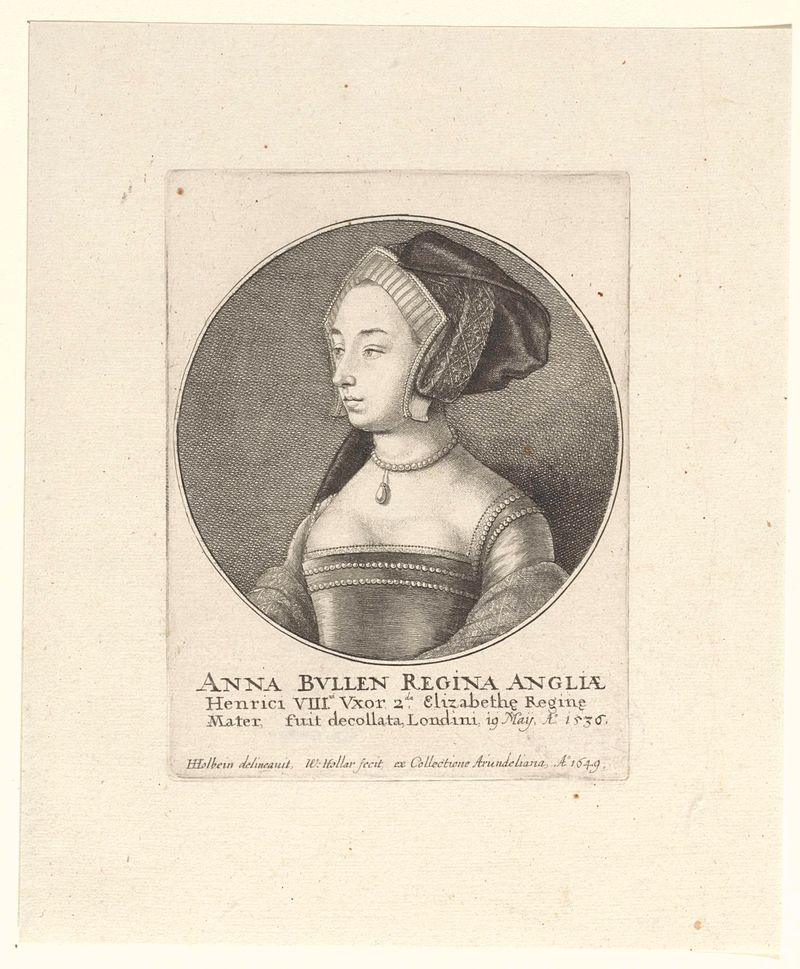
Portret van Anna Boleyn, koningin van Engeland
Wenceslaus Hollar
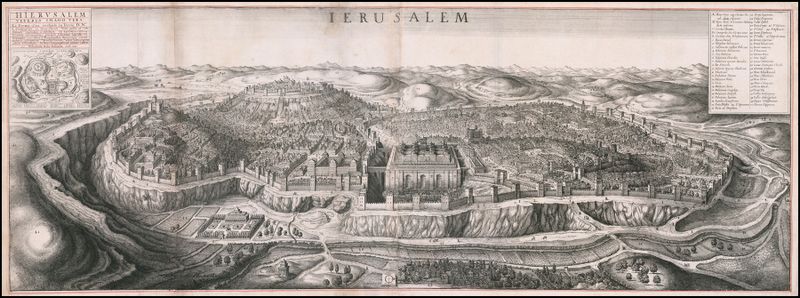
Bird’s eye view of Jerusalem
Wenceslaus Hollar
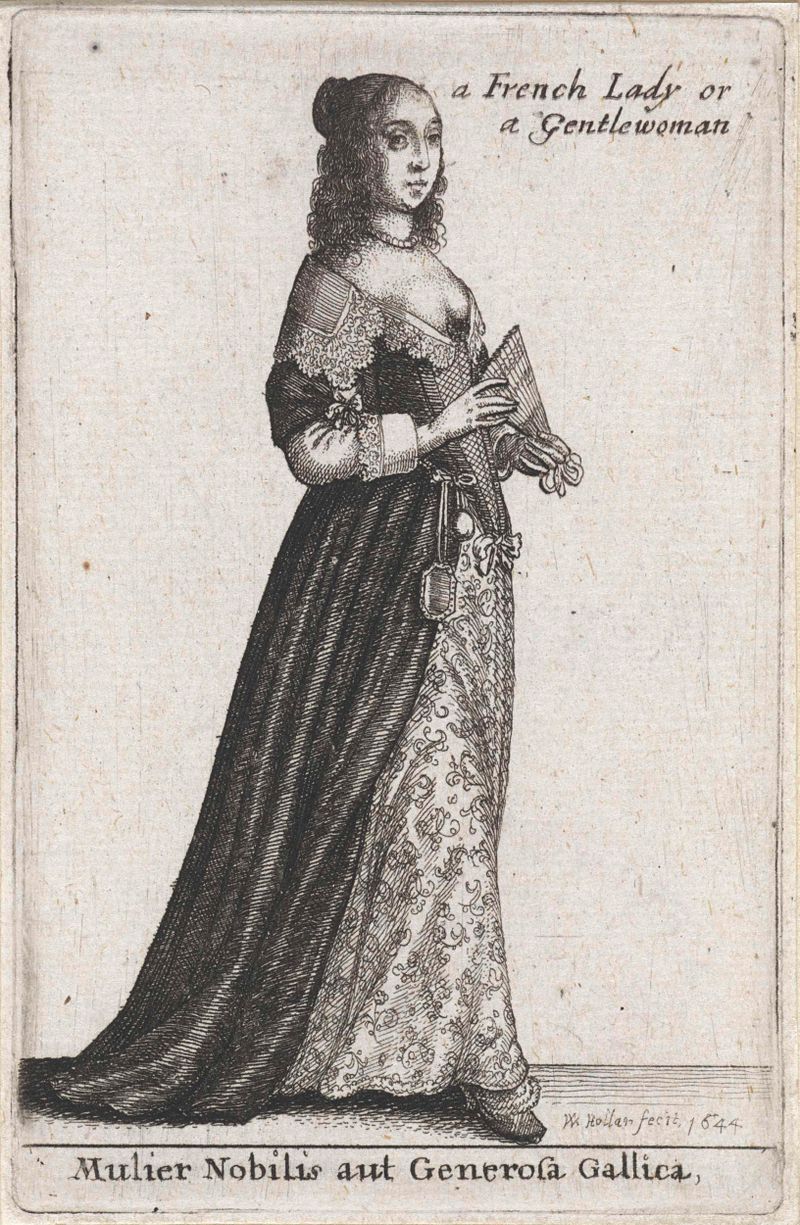
Mulier Nobilis aut Generosa Gallica / a French Lady or Gentlewoman
Wenceslaus Hollar
Titelprent voor: Ornatus Muliebris Anglicanus
Wenceslaus Hollar
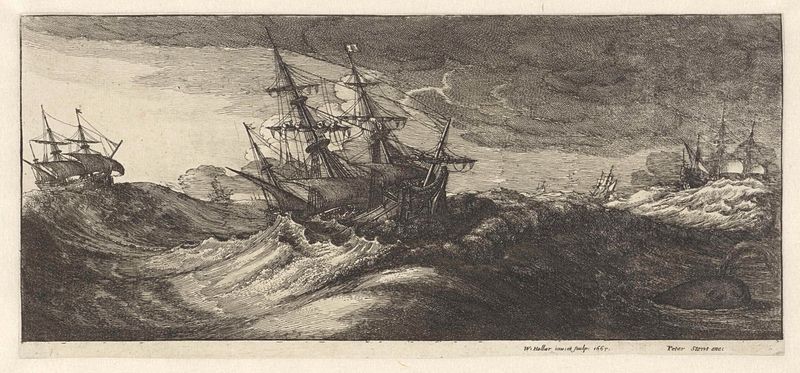
Oorlogsschepen en een walvis in een zeestorm
Wenceslaus Hollar
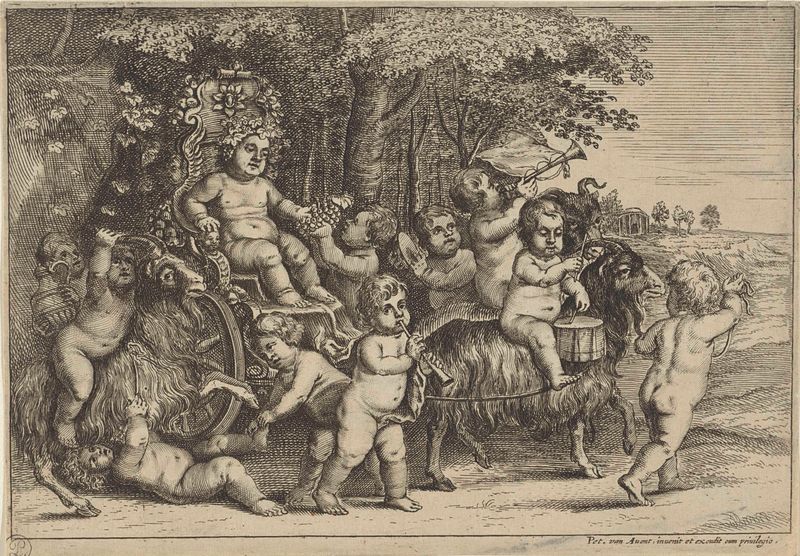
Optocht van bacchant en jongetjes op geiten
Wenceslaus Hollar
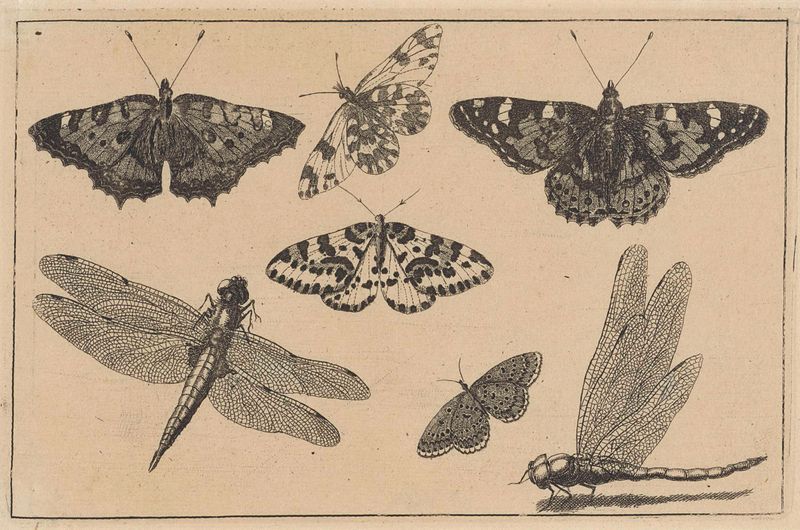
Twee libellen en vijf vlinders
Wenceslaus Hollar
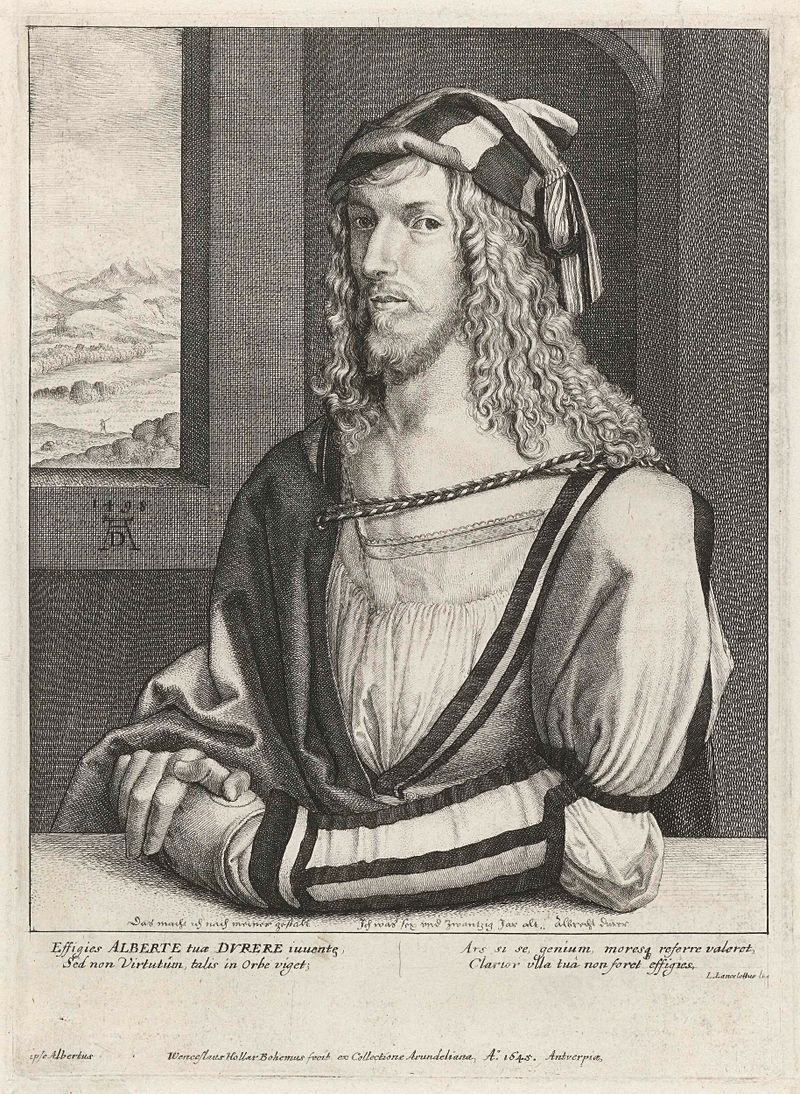
Portret van Albrecht Dürer
Wenceslaus Hollar
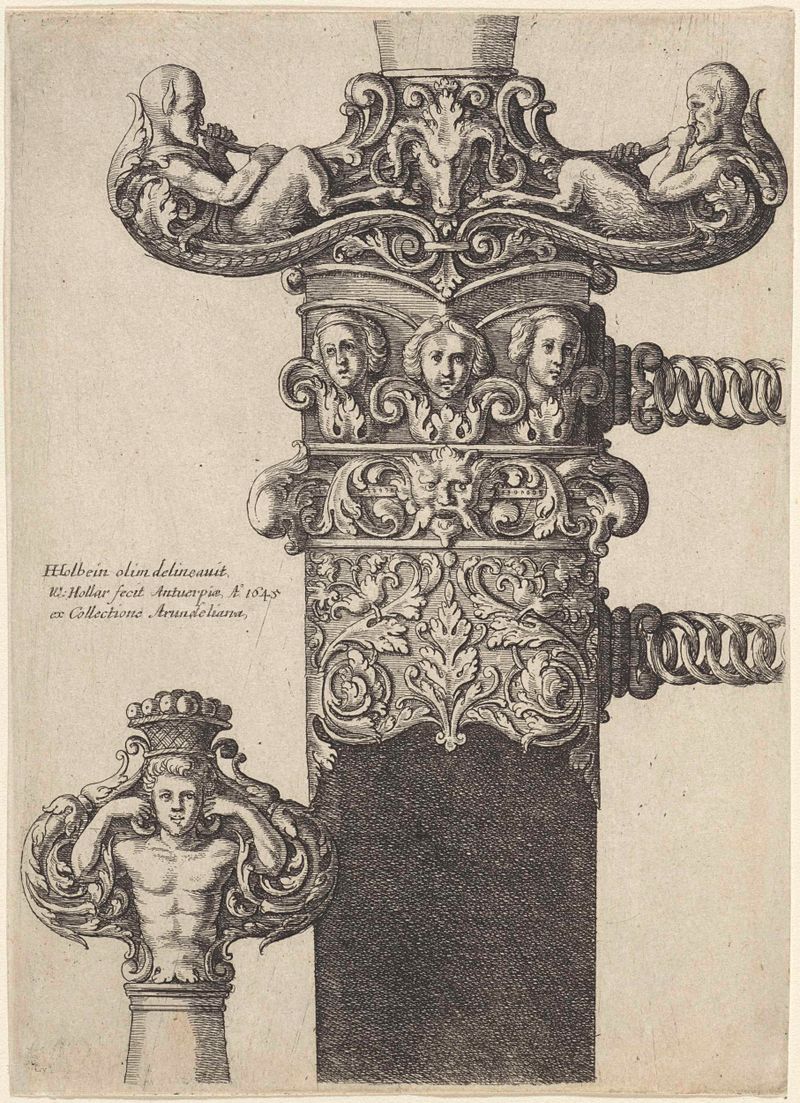
Ornamenteel ontwerp voor een dolk
Wenceslaus Hollar
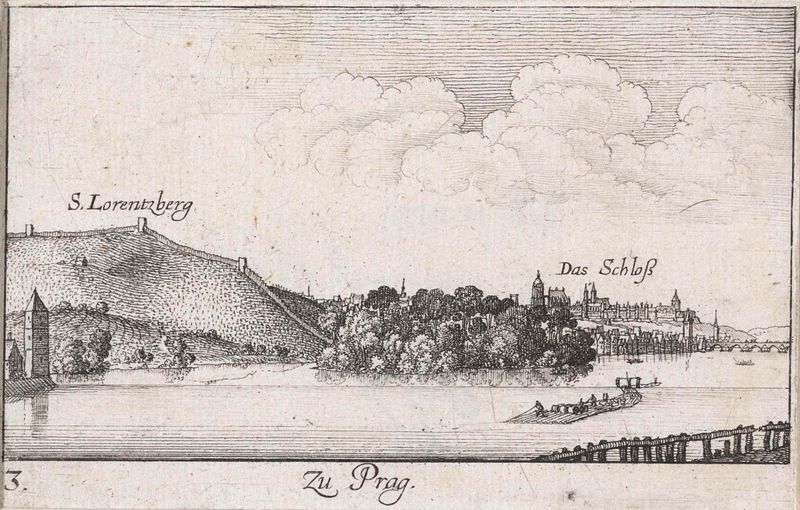
Gezicht op Praag vanaf de Moldau
Wenceslaus Hollar
More Religious Art
Browse all →
The Return of the Prodigal Son
Rembrandt van Rijn

The Garden of Earthly Delights
El Bosco

Count Orgaz’ funeral
El Greco

The Hundred Guilder Print: the central piece with Christ preaching, the plate arched
Rembrandt van Rijn

The Descent from the Cross
Rogier van der Weyden

The return of the prodigal son
Rembrandt van Rijn