
Heilige Hieronymus als boeteling — History & Facts
In the quiet depths of Heilige Hieronymus als boeteling, this sentiment echoes with profound resonance, inviting us to explore the isolation of the human experience. Look closely at the figure of Saint Jerome positioned to the left, illuminated by the soft glow of a lantern. The light casts gentle shadows across his face, highlighting the weariness etched into his features. Notice the intricate details of his surrounding: the richly adorned book resting on the table, and the faint outlines of a skull beside it, a poignant reminder of mortality.
The muted color palette of browns and deep greens evokes a sense of introspection, drawing us into his solitary world. Delving deeper, one can sense the tension between the saint’s scholarly pursuits and the profound loneliness that envelops him. The juxtaposition of the sacred elements—a crucifix and the book of scripture—against the starkness of his isolation speaks to the internal struggle of faith and despair. Each detail, from the texture of his robe to the fading light, serves as a testament to his penance and longing for communion, capturing the essence of human frailty. Created in 1509 during a time when the Northern Renaissance was flourishing, the work reflects Cranach’s interest in blending religious themes with personal emotion.
While art in this era often celebrated communal spirituality, this piece stands apart, as it portrays the solitary quest for redemption. Cranach, active in Wittenberg and closely associated with the Reformation, infused biblical narratives with humanity, making the saints relatable and their struggles palpable.
More Artworks by Lucas Cranach (I)
Browse all →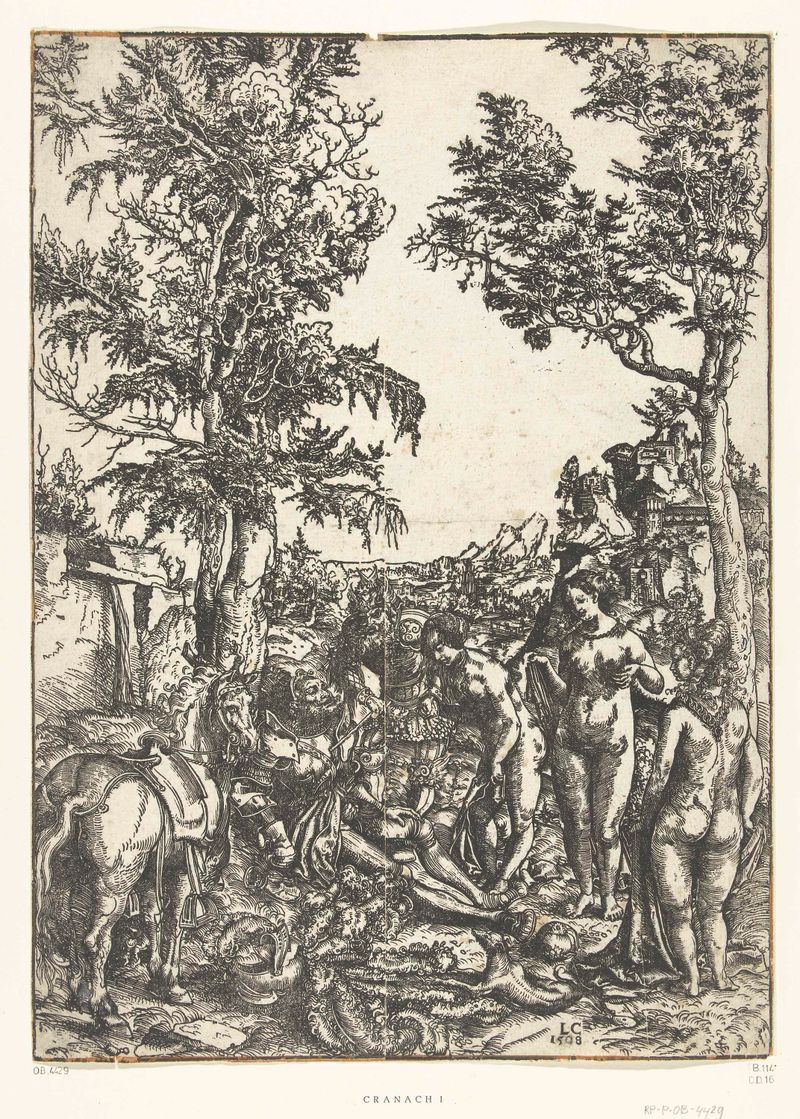
Oordeel van Paris
Lucas Cranach (I)
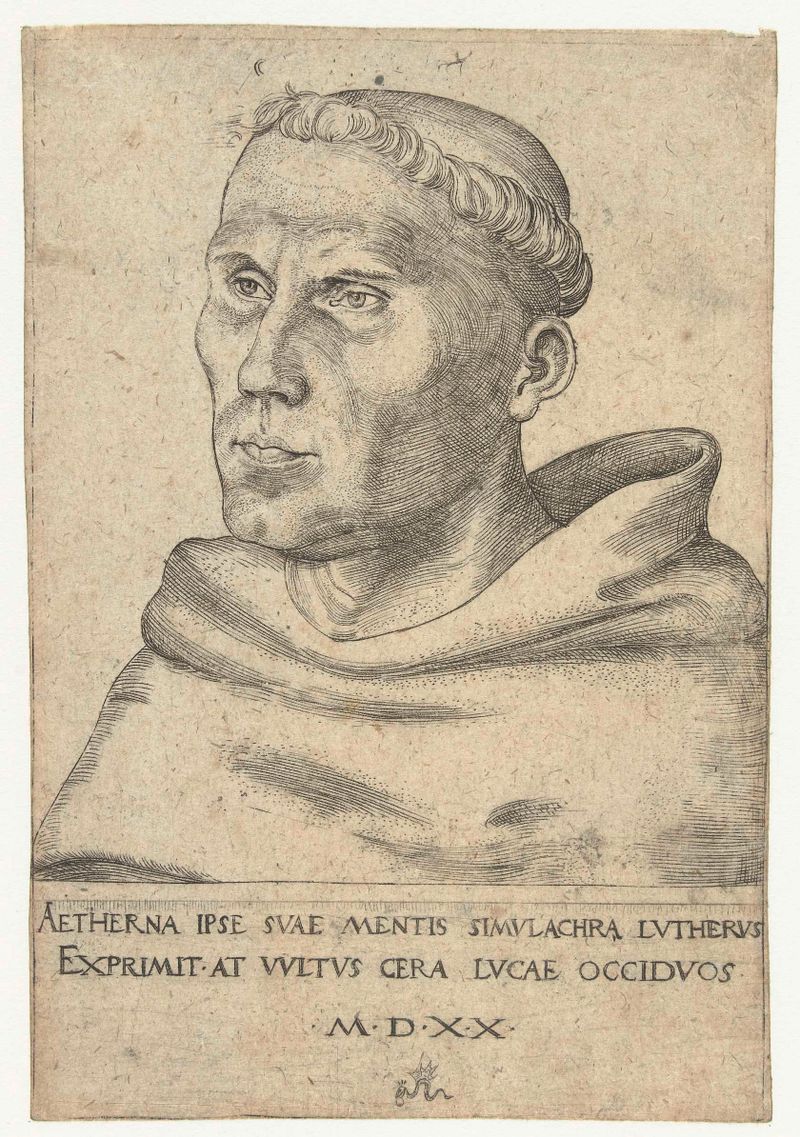
Portret van Martin Luther als Augustijner monnik
Lucas Cranach (I)
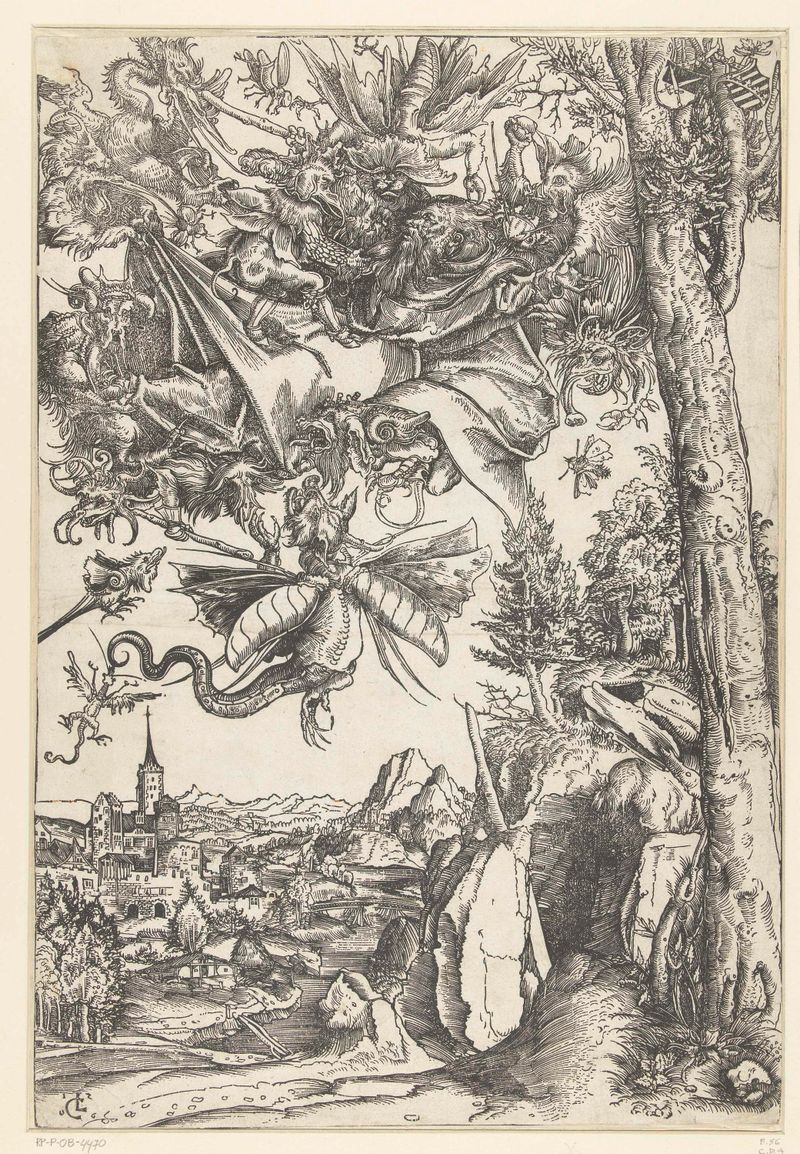
Verzoeking van Antonius met aanval door demonen
Lucas Cranach (I)

Christus en de Samaritaanse vrouw
Lucas Cranach (I)

Duits toernooi met twee edelmannen als ridders te paard
Lucas Cranach (I)
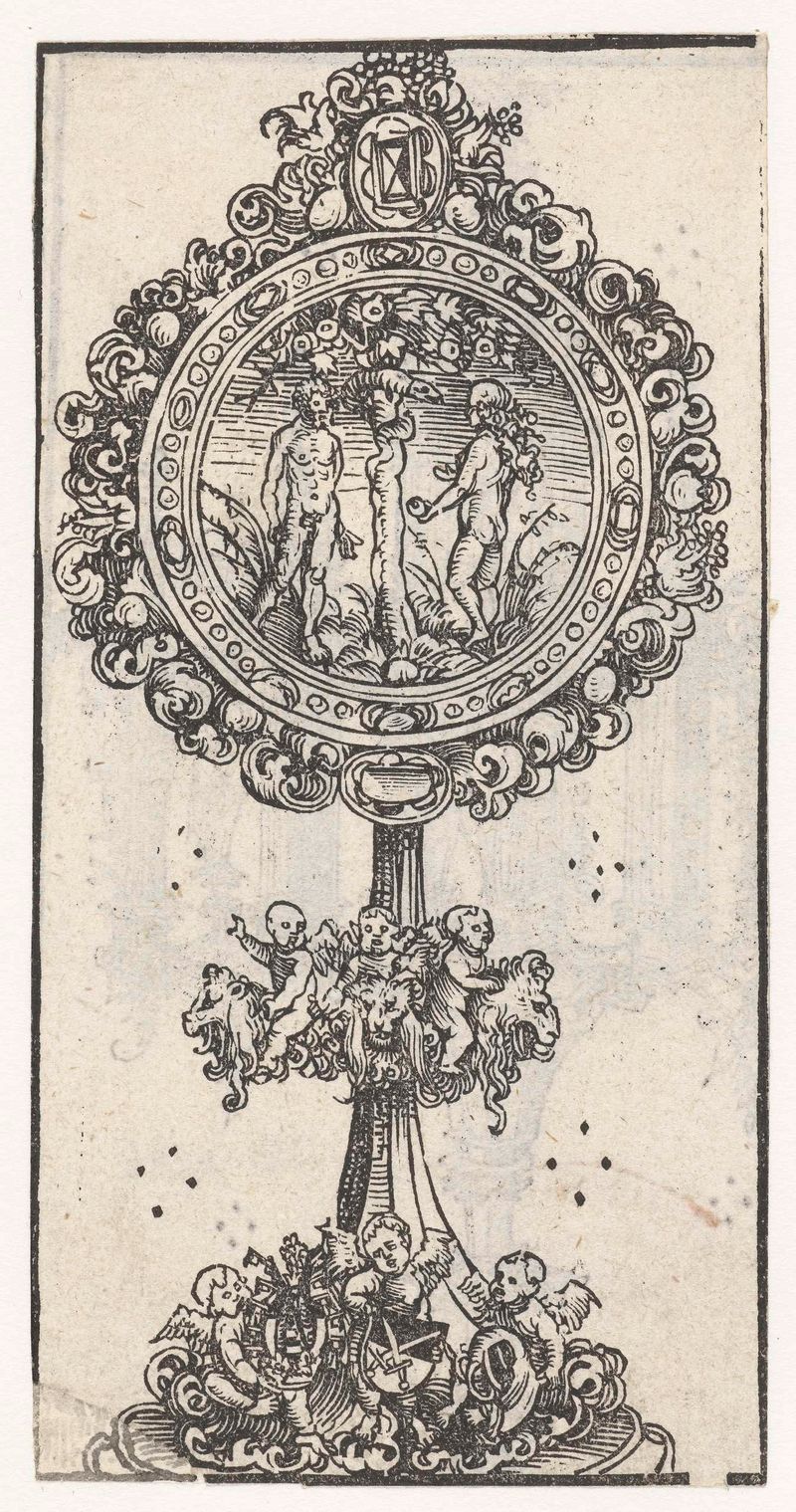
Reliekhouder met de verzoeking van Adam en Eva
Lucas Cranach (I)

Intocht van Christus in Jerusalem
Lucas Cranach (I)
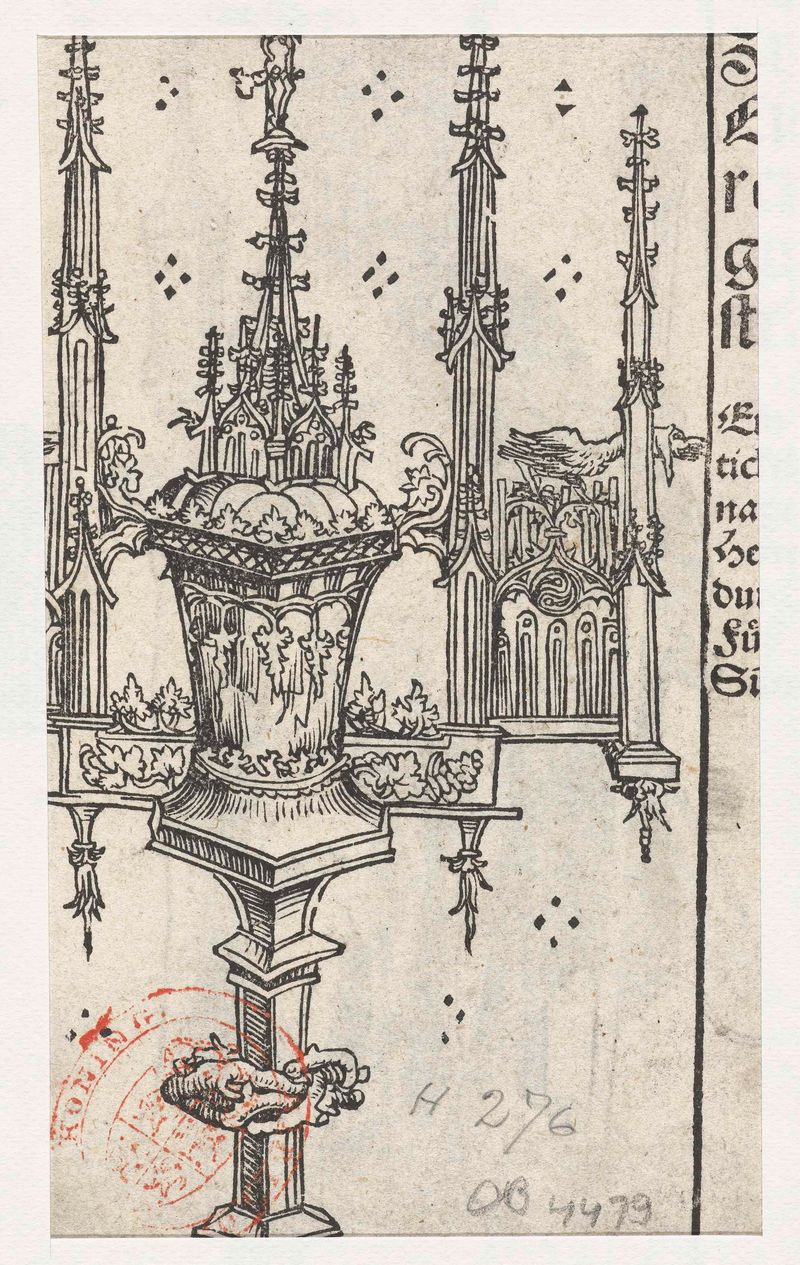
Monstrans met vogel (pelikaan)
Lucas Cranach (I)
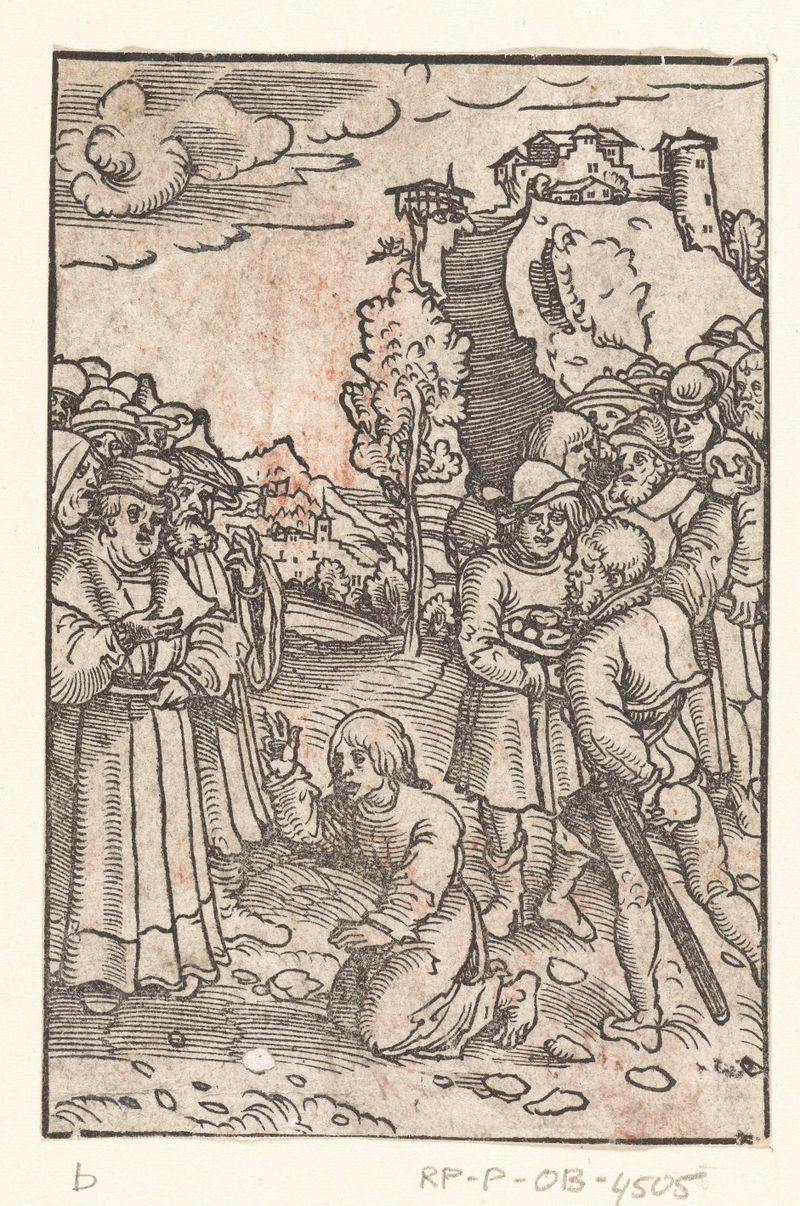
Steniging van Stefanus
Lucas Cranach (I)
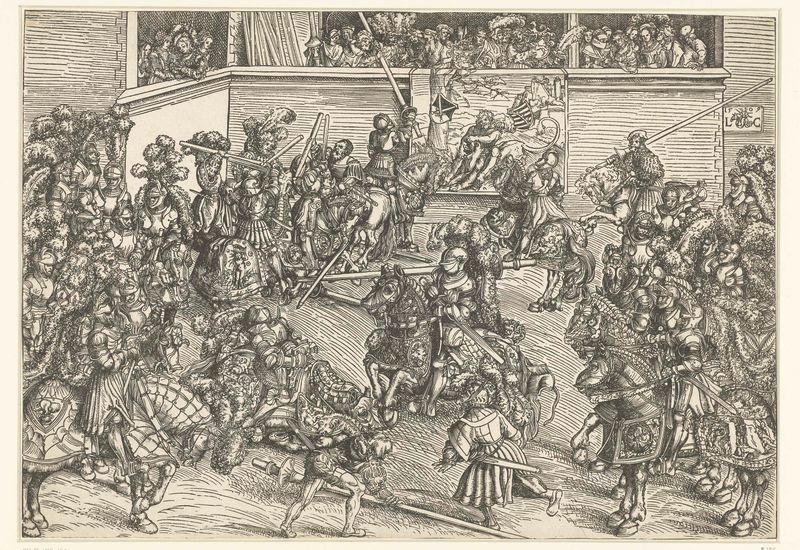
Toernooi van het keurvorstelijk hof van Saksen met wandtapijt Simson doodt de leeuw
Lucas Cranach (I)
More Religious Art
Browse all →
The Return of the Prodigal Son
Rembrandt van Rijn

The Garden of Earthly Delights
El Bosco

Count Orgaz’ funeral
El Greco

The Hundred Guilder Print: the central piece with Christ preaching, the plate arched
Rembrandt van Rijn

The Descent from the Cross
Rogier van der Weyden

The return of the prodigal son
Rembrandt van Rijn