
Heilige Koloman — History & Facts
Could beauty survive in a century of chaos? The question lingers like a haunting melody, inviting contemplation of the delicate dance between despair and hope. Look to the center of the painting, where the figure of St. Koloman stands, resolute and illuminated by a soft, divine light. The vibrant reds and blues of his garments contrast sharply with the somber earth tones of the background, drawing the viewer's eye to his serene expression amidst a backdrop of turmoil.
Notice the delicate details in his halo, a golden aura that not only signifies his sanctity but also acts as a beacon of faith, illuminating the scene with a promise of renewed life. As you explore the edges, the stark juxtaposition of light and shadow reveals a deeper emotional tension: the struggle between the earthly realm and the divine. In his right hand, St. Koloman holds a scroll, a symbol of knowledge and wisdom, while the faint outlines of the landscape suggest a world in disarray.
This contrast speaks to the fragile balance of hope amidst chaos, reflecting the human desire for rebirth and redemption in darker times. Created in 1781, this work emerged from Hans Springinklee's studio during a period of political upheaval in Europe, as revolutions and enlightenment ideas began to stir. The artist, influenced by the currents of his time, sought to capture a moment of transcendence, positioning St. Koloman as a symbol of resilience against the tumultuous backdrop of society.
Here, faith meets artistry, painting a path toward a brighter future.
More Artworks by Hans Springinklee
Browse all →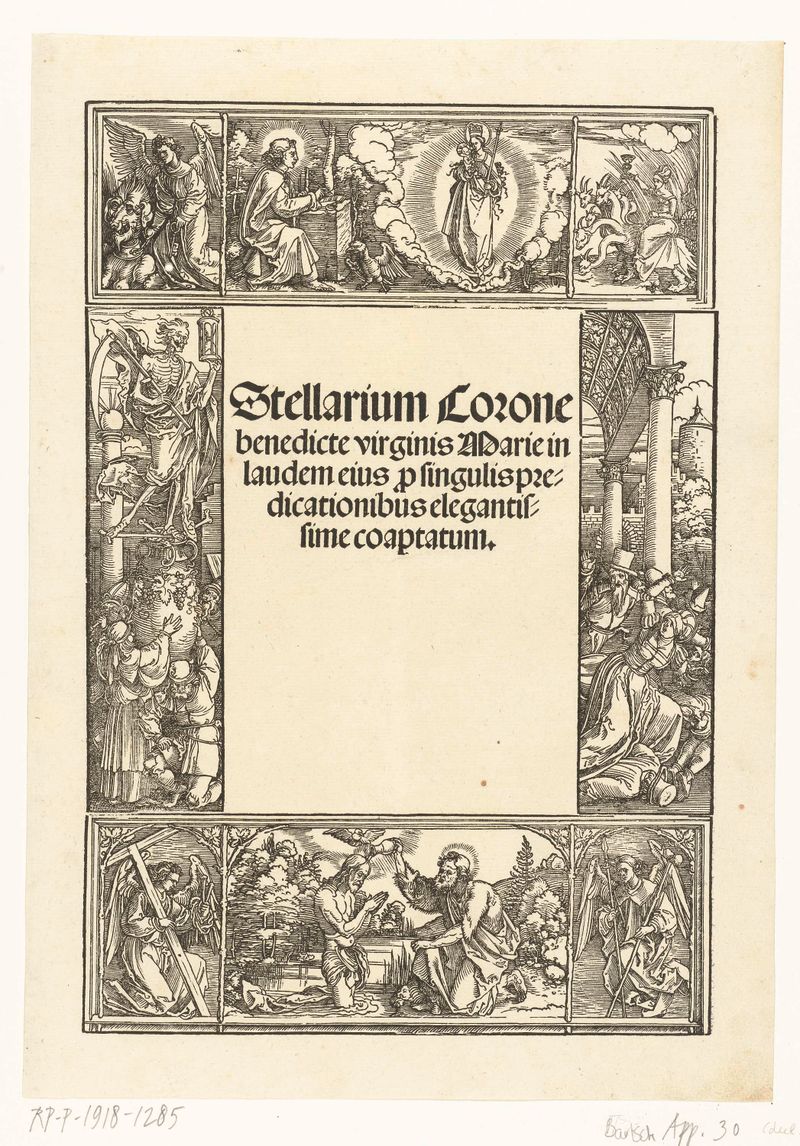
Titelblad met o.a. de doop van Christus en een visioen van Johannes de Evangelist
Hans Springinklee
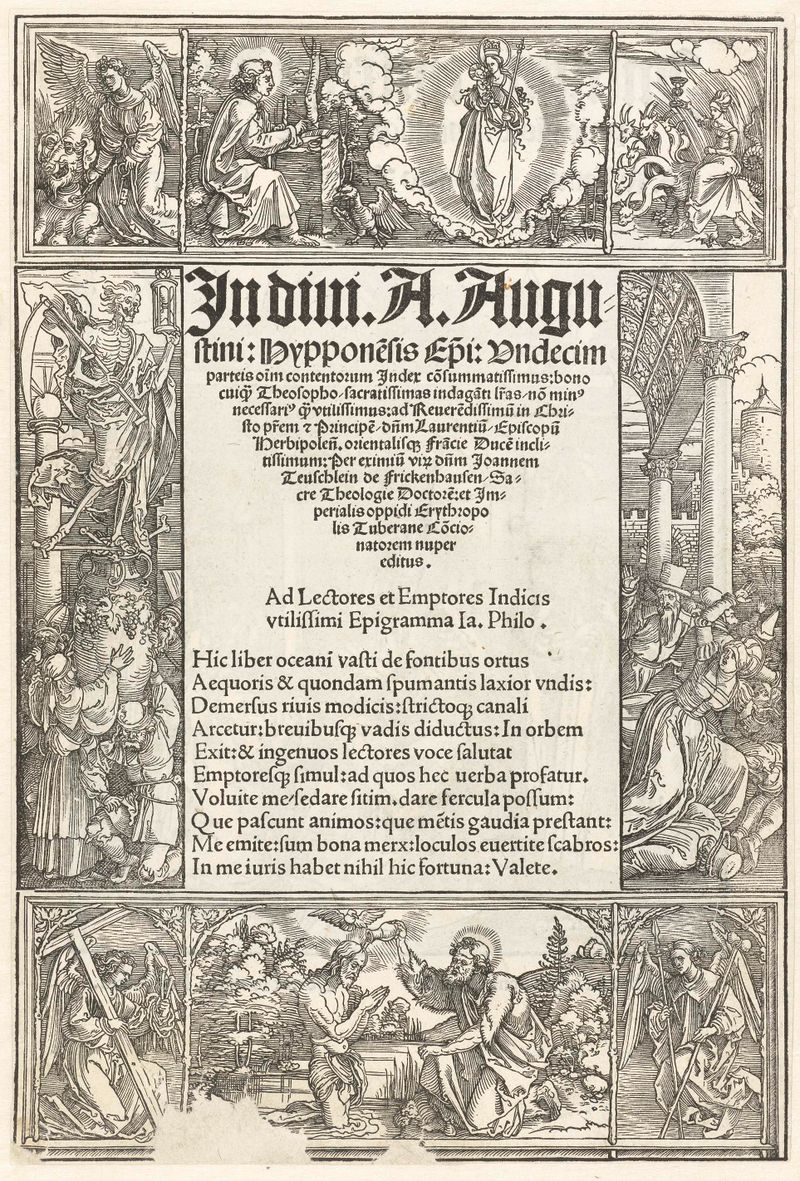
Titelblad met o.a. de doop van Christus en een visioen van Johannes de Evangelist
Hans Springinklee
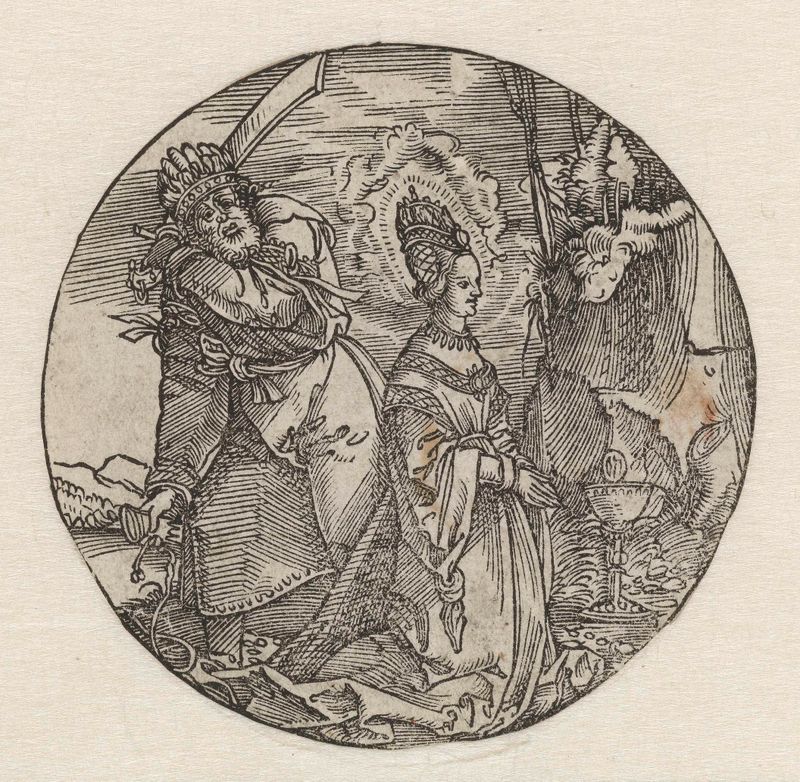
Het martelaarschap van de Heilige Barbara
Hans Springinklee

De Heilige Martinus deelt zijn mantel met een bedelaar
Hans Springinklee
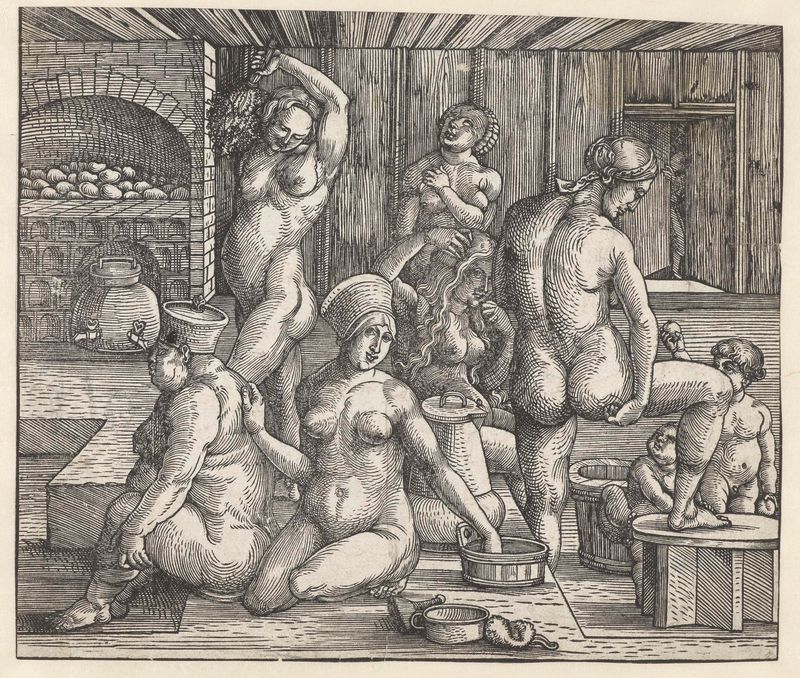
Het vrouwenbad
Hans Springinklee
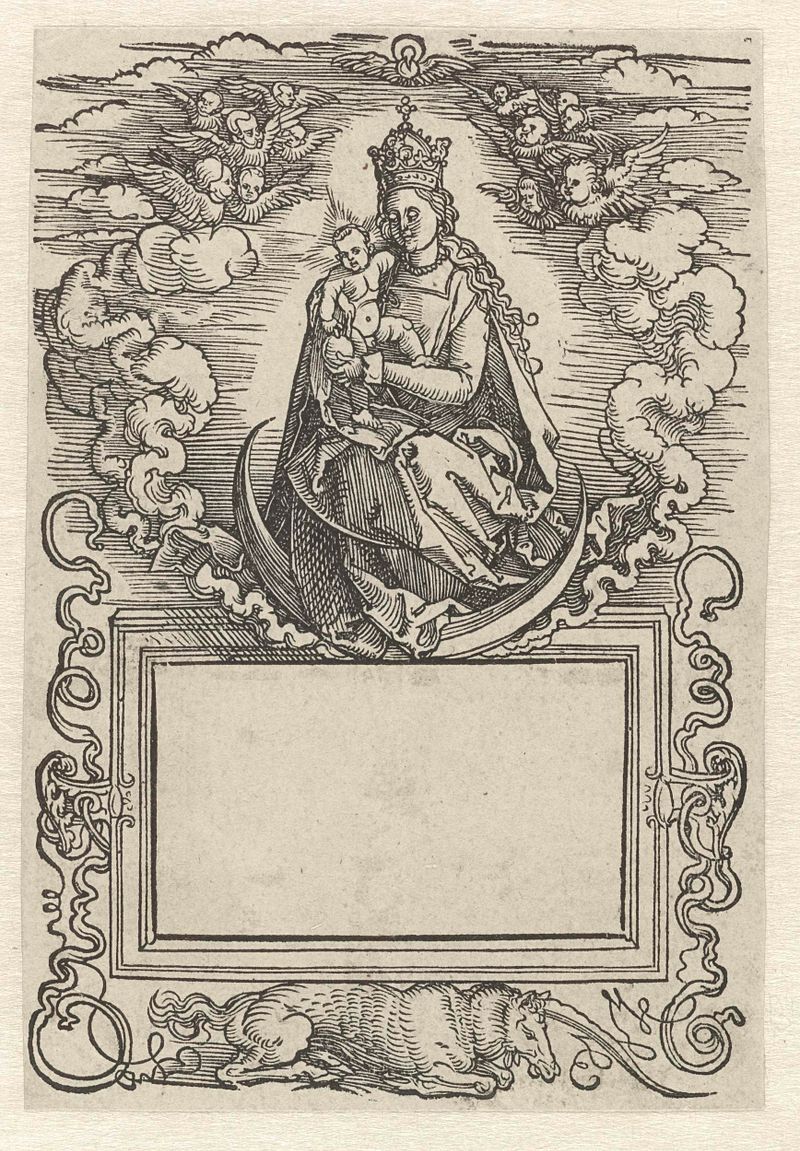
Titelblad met Maria met kind zittend op de maansikkel
Hans Springinklee
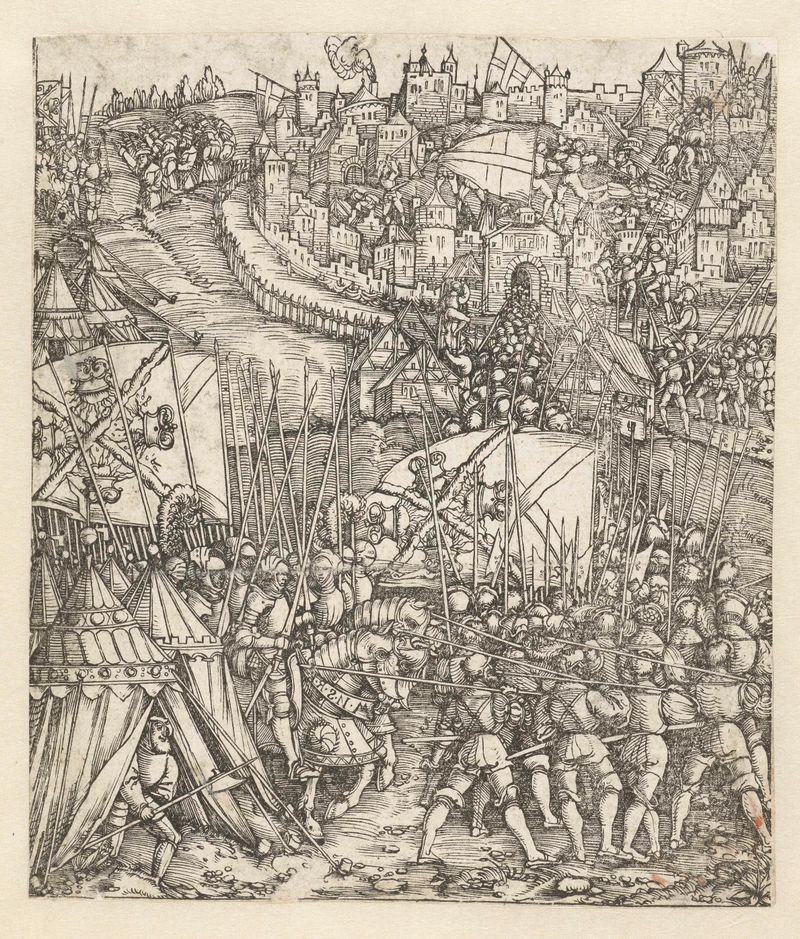
Verovering van Stuhlweissenburg in Hongarije
Hans Springinklee

De aartsengel Michaël verslaat een duivel
Hans Springinklee
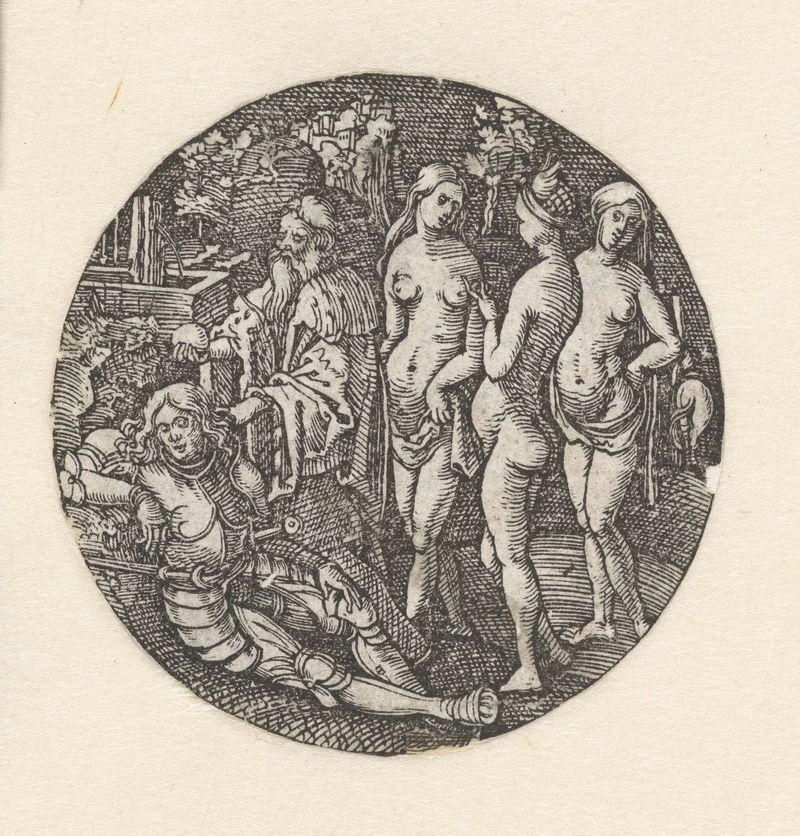
Het oordeel van Paris
Hans Springinklee
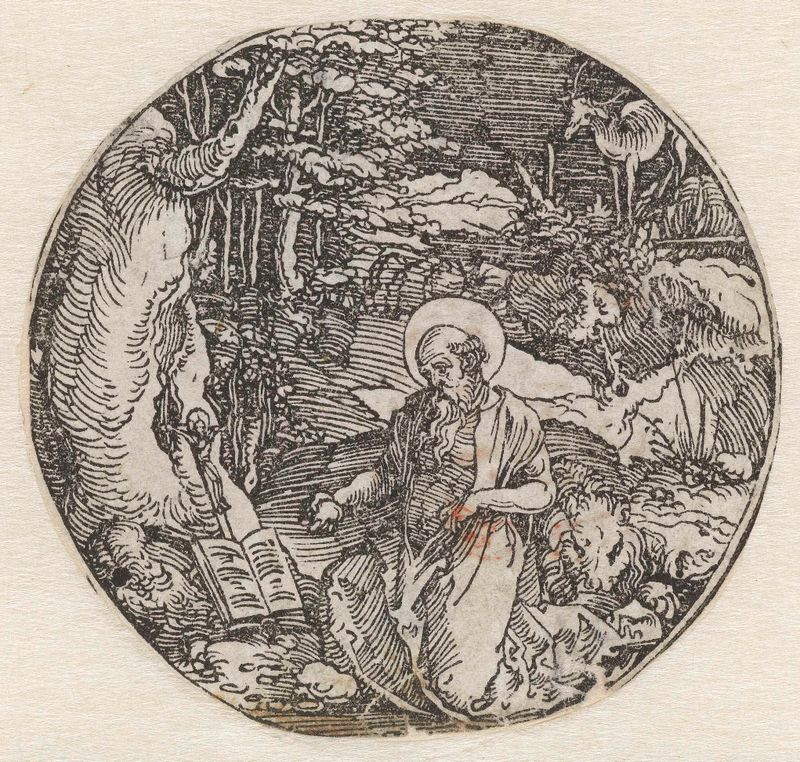
De Heilige Hiëronymus in de wildernis
Hans Springinklee
More Religious Art
Browse all →
The Return of the Prodigal Son
Rembrandt van Rijn

The Garden of Earthly Delights
El Bosco

Count Orgaz’ funeral
El Greco

The Hundred Guilder Print: the central piece with Christ preaching, the plate arched
Rembrandt van Rijn

The Descent from the Cross
Rogier van der Weyden

The return of the prodigal son
Rembrandt van Rijn