
Heilige Maagschap — History & Facts
In the stillness of Heilige Maagschap, one encounters an ethereal emptiness that speaks volumes beyond the visible. The painting, bathed in a subdued palette, invites contemplation and introspection, mirroring the silent void we all seek to fill. Look to the left, where the serene figure of the Virgin Mary is draped in robes of deep crimson and soft white, the color contrast underscoring her purity amidst earthly tribulations. Notice how the light gently caresses her face, illuminating her downcast eyes, which seem to hold both a world of wisdom and the burden of solitude.
The composition balances the sacred with the mundane, creating a space where the viewer is drawn into her melancholic presence. This artwork reverberates with emotional complexity. The emptiness surrounding Mary conveys a profound sense of isolation, while the careful rendering of her features reveals the tension between divinity and human fragility. The delicate floral motifs framing the scene suggest a connection to nature, hinting at renewal even in moments of stillness.
Each brushstroke breathes life into the narrative of faith and vulnerability, compelling us to reflect on our own uncertainties. Created during 1509-1510, this piece emerged from Cranach's workshop in Wittenberg, a center buzzing with Reformation discourse. As a close ally of Martin Luther, the artist grappled with the shifting tides of religious thought, weaving spiritual themes into his work. The painting stands as a testament to a period of transformation, encapsulating the delicate balance between hope and desolation that characterized both Cranach’s life and the broader artistic landscape of his time.
More Artworks by Lucas Cranach (I)
Browse all →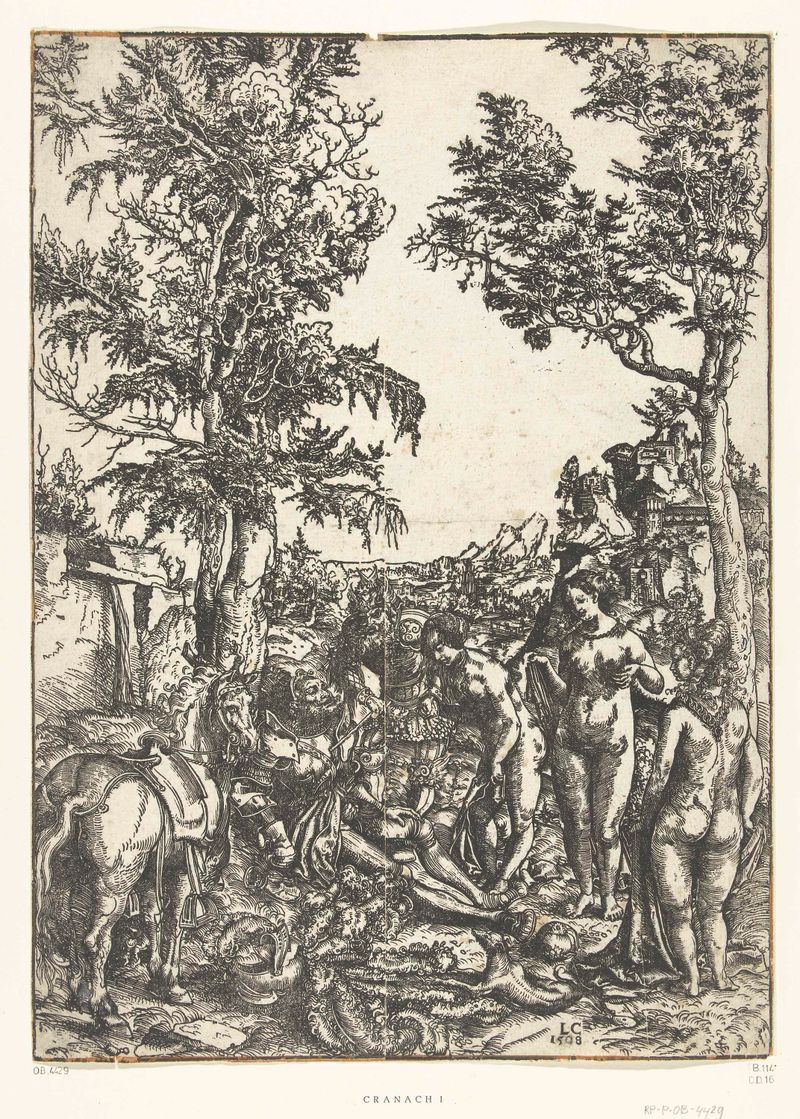
Oordeel van Paris
Lucas Cranach (I)
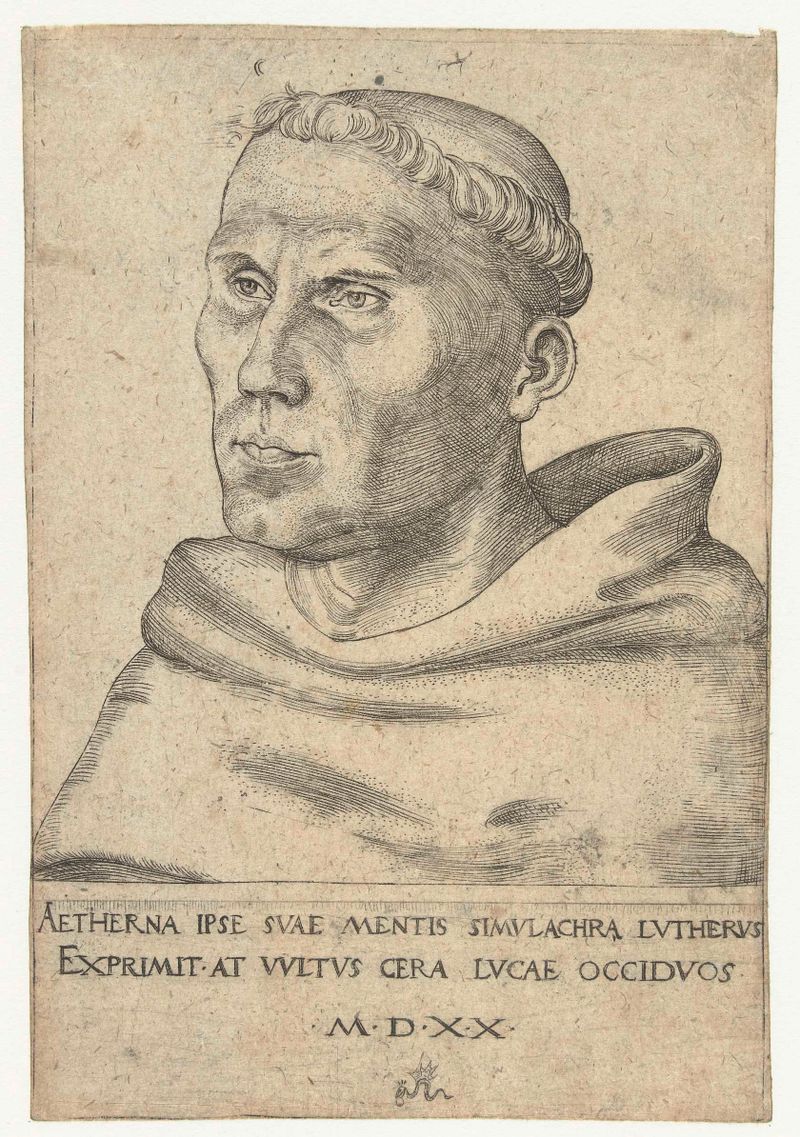
Portret van Martin Luther als Augustijner monnik
Lucas Cranach (I)
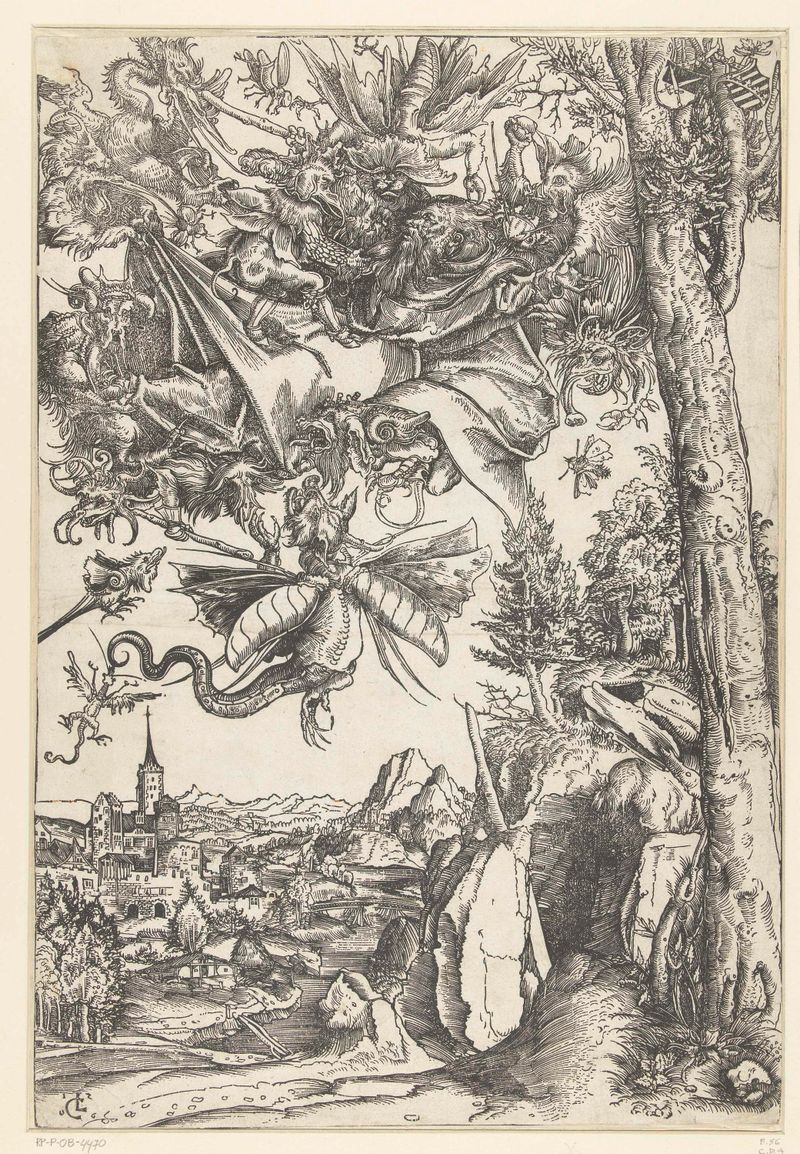
Verzoeking van Antonius met aanval door demonen
Lucas Cranach (I)

Christus en de Samaritaanse vrouw
Lucas Cranach (I)

Duits toernooi met twee edelmannen als ridders te paard
Lucas Cranach (I)
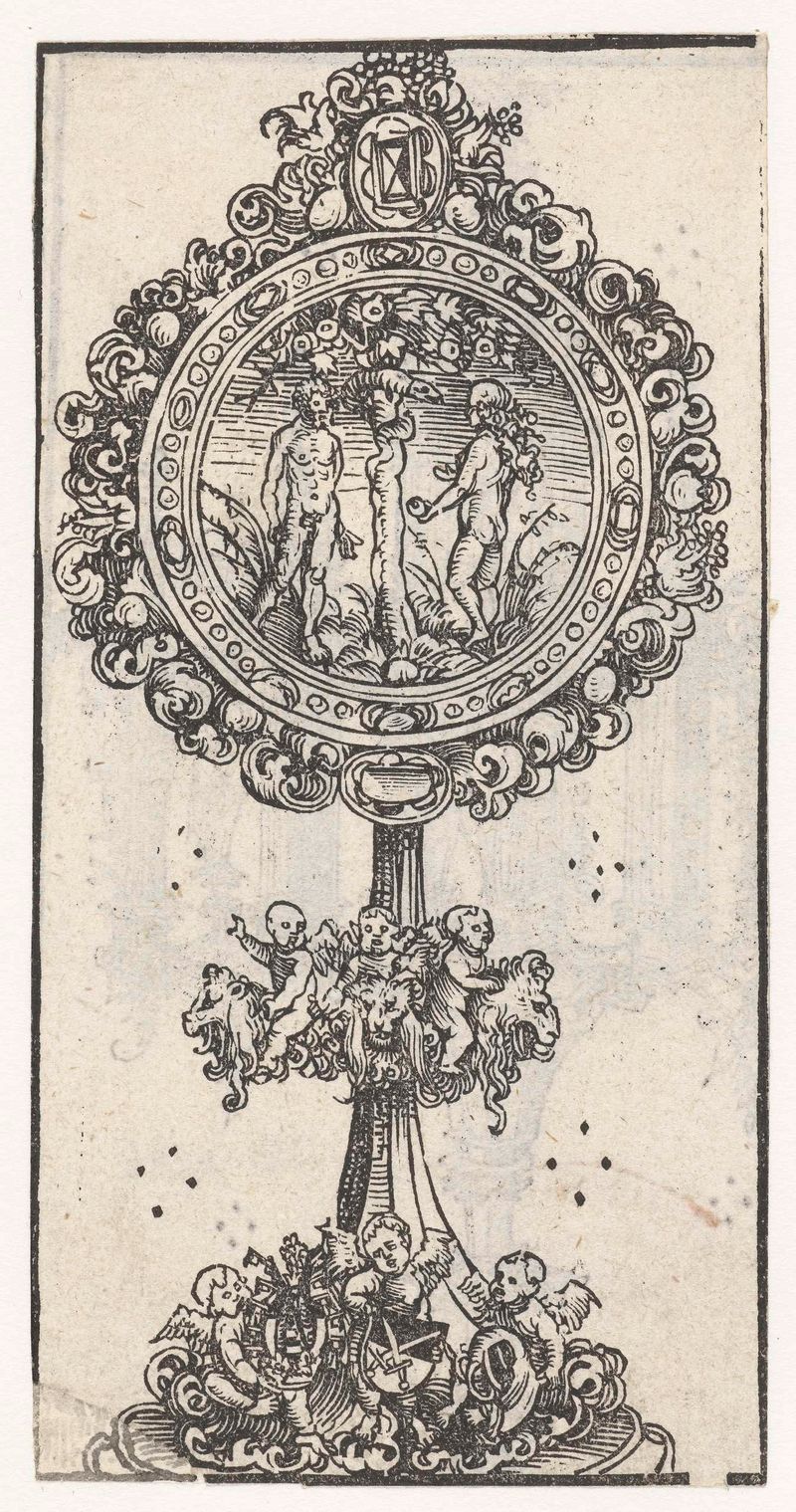
Reliekhouder met de verzoeking van Adam en Eva
Lucas Cranach (I)

Intocht van Christus in Jerusalem
Lucas Cranach (I)
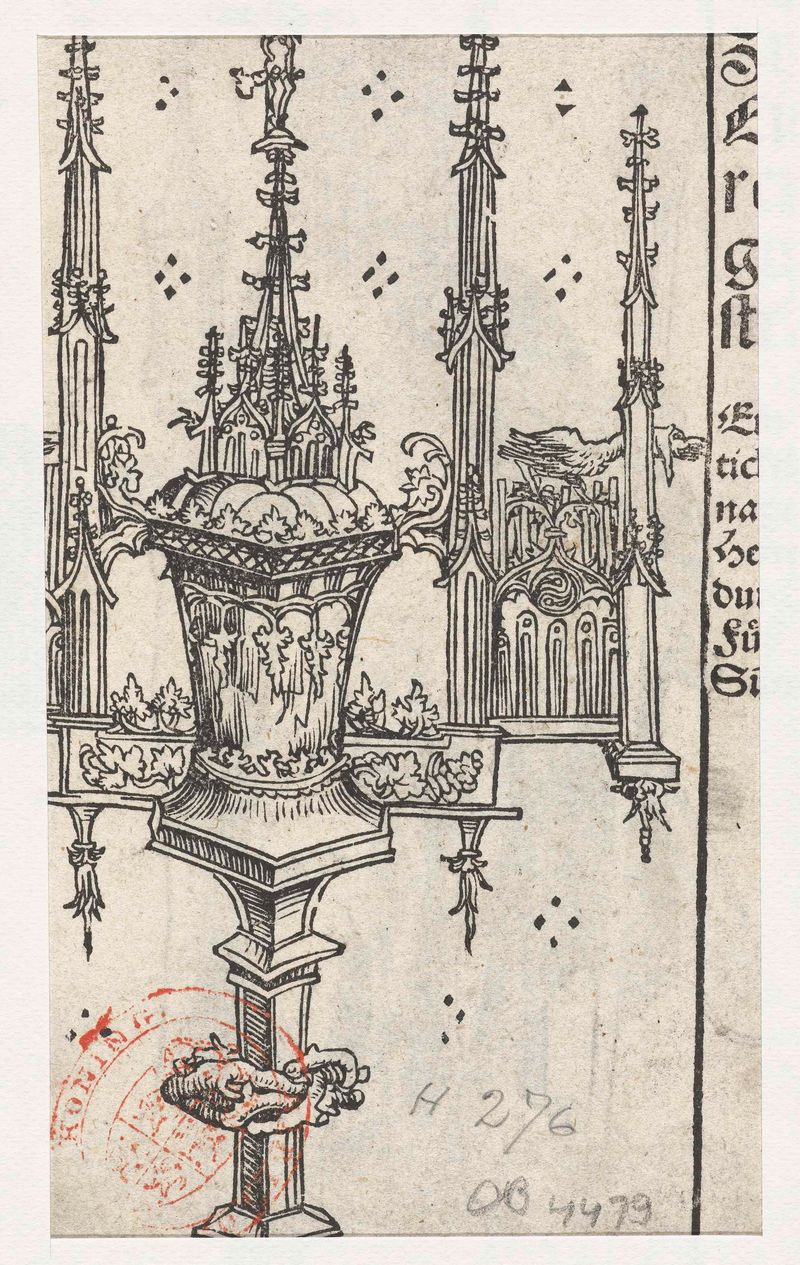
Monstrans met vogel (pelikaan)
Lucas Cranach (I)
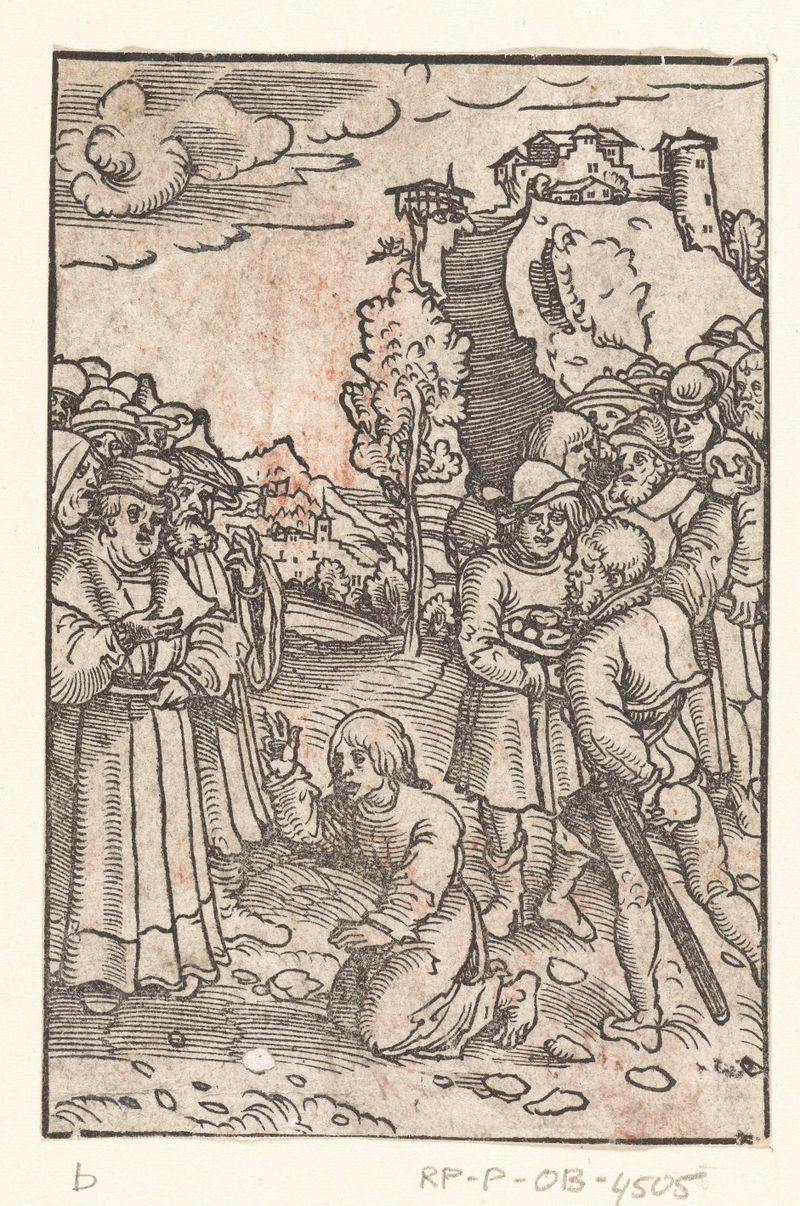
Steniging van Stefanus
Lucas Cranach (I)
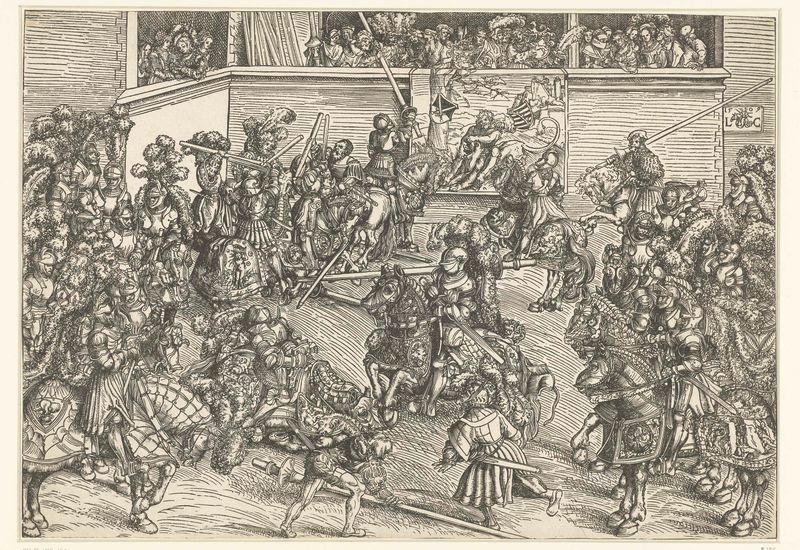
Toernooi van het keurvorstelijk hof van Saksen met wandtapijt Simson doodt de leeuw
Lucas Cranach (I)
More Religious Art
Browse all →
The Return of the Prodigal Son
Rembrandt van Rijn

The Garden of Earthly Delights
El Bosco

Count Orgaz’ funeral
El Greco

The Hundred Guilder Print: the central piece with Christ preaching, the plate arched
Rembrandt van Rijn

The Descent from the Cross
Rogier van der Weyden

The return of the prodigal son
Rembrandt van Rijn