
Hel met demonen en verdoemden in het eeuwig vuur — History & Facts
This profound truth resonates within the haunting layers of existence, where shadow and light entwine, revealing the complexities of legacy. Look closely at the foreground, where figures writhe in despair amid the blazing inferno. The use of rich reds and deep blacks underscores the turmoil of their fates, while the gilded details around them create a stark contrast, almost mocking their suffering. Notice how the artist meticulously crafted each anguished expression, drawing you into a world where beauty and horror coexist, compelling you to confront the darker aspects of human legacy. The juxtaposition of golden halos against the fiery chaos conveys an unsettling irony—salvation lies just beyond reach.
Each tortured figure encapsulates a story of despair, yet their portrayal elicits sympathy rather than condemnation. The swirling forms and dynamic composition suggest a relentless struggle, echoing the eternal battle between virtue and vice, as the flames lick at the edges of existence, threatening to consume everything in its path. During the years spanning 1482 to 1553, Cranach found himself navigating a rapidly changing artistic landscape, marked by the rise of the Reformation and shifting societal norms. Painted in Wittenberg, his works reflected both personal and collective concerns about morality and the human condition.
It was a time of profound transformation, and Hel met demonen en verdoemden in het eeuwig vuur stands as a testament to the artist's quest to immortalize the heavy burdens of legacy through exquisite yet troubling imagery.
More Artworks by Lucas Cranach (I)
Browse all →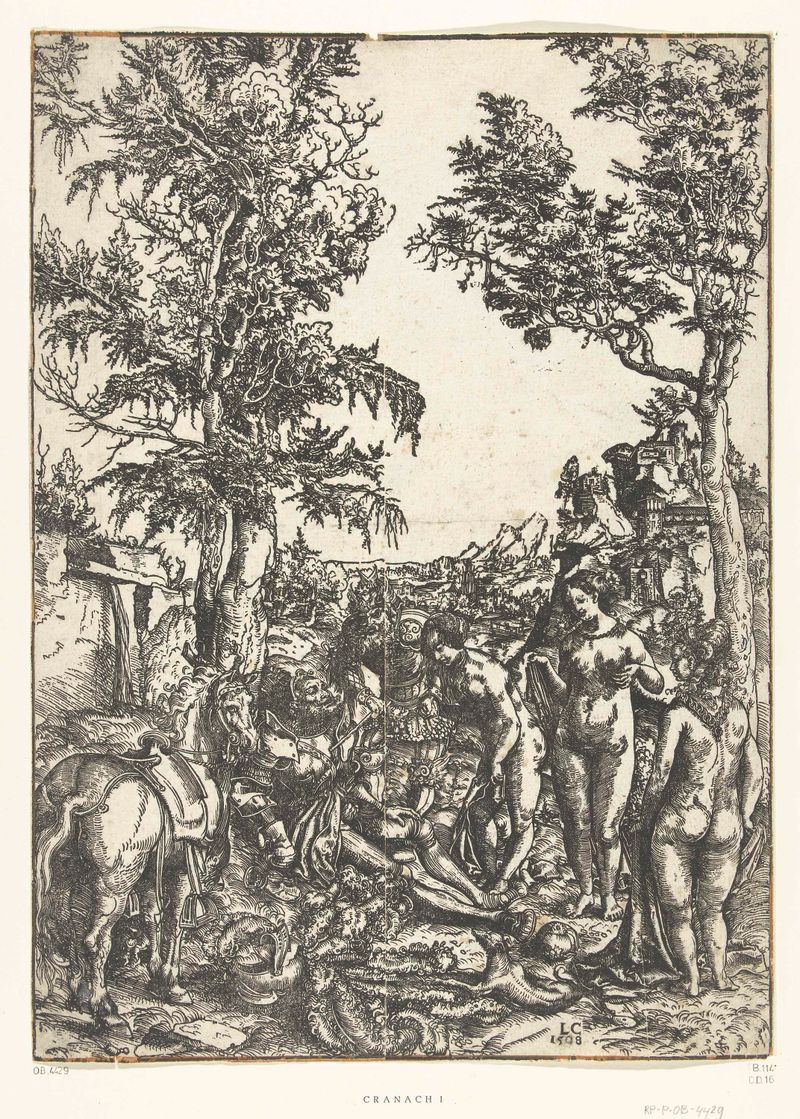
Oordeel van Paris
Lucas Cranach (I)
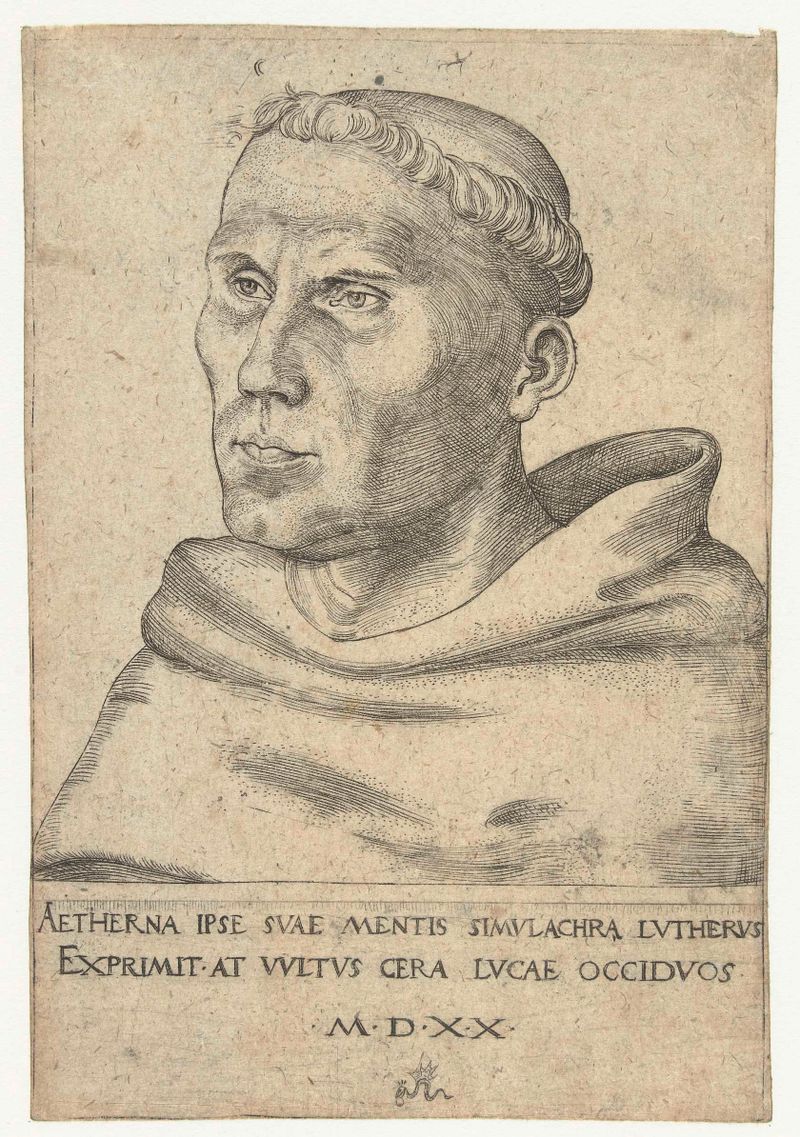
Portret van Martin Luther als Augustijner monnik
Lucas Cranach (I)
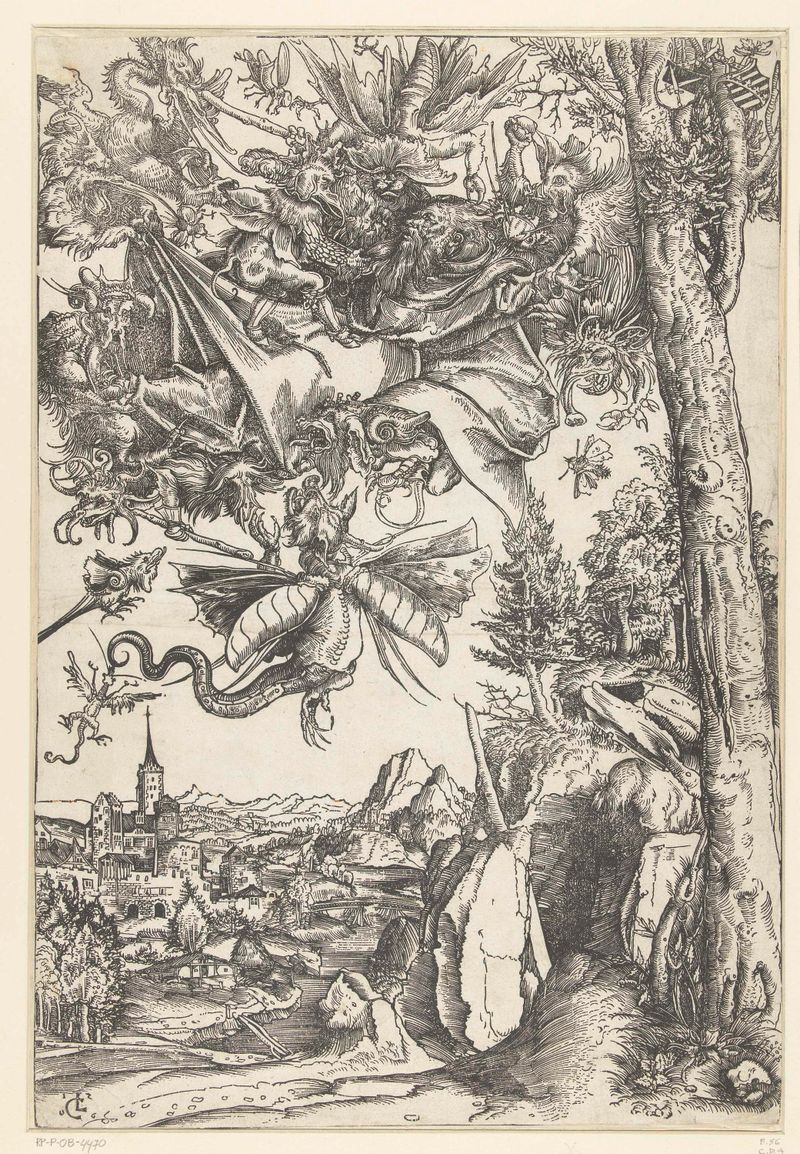
Verzoeking van Antonius met aanval door demonen
Lucas Cranach (I)

Christus en de Samaritaanse vrouw
Lucas Cranach (I)

Duits toernooi met twee edelmannen als ridders te paard
Lucas Cranach (I)
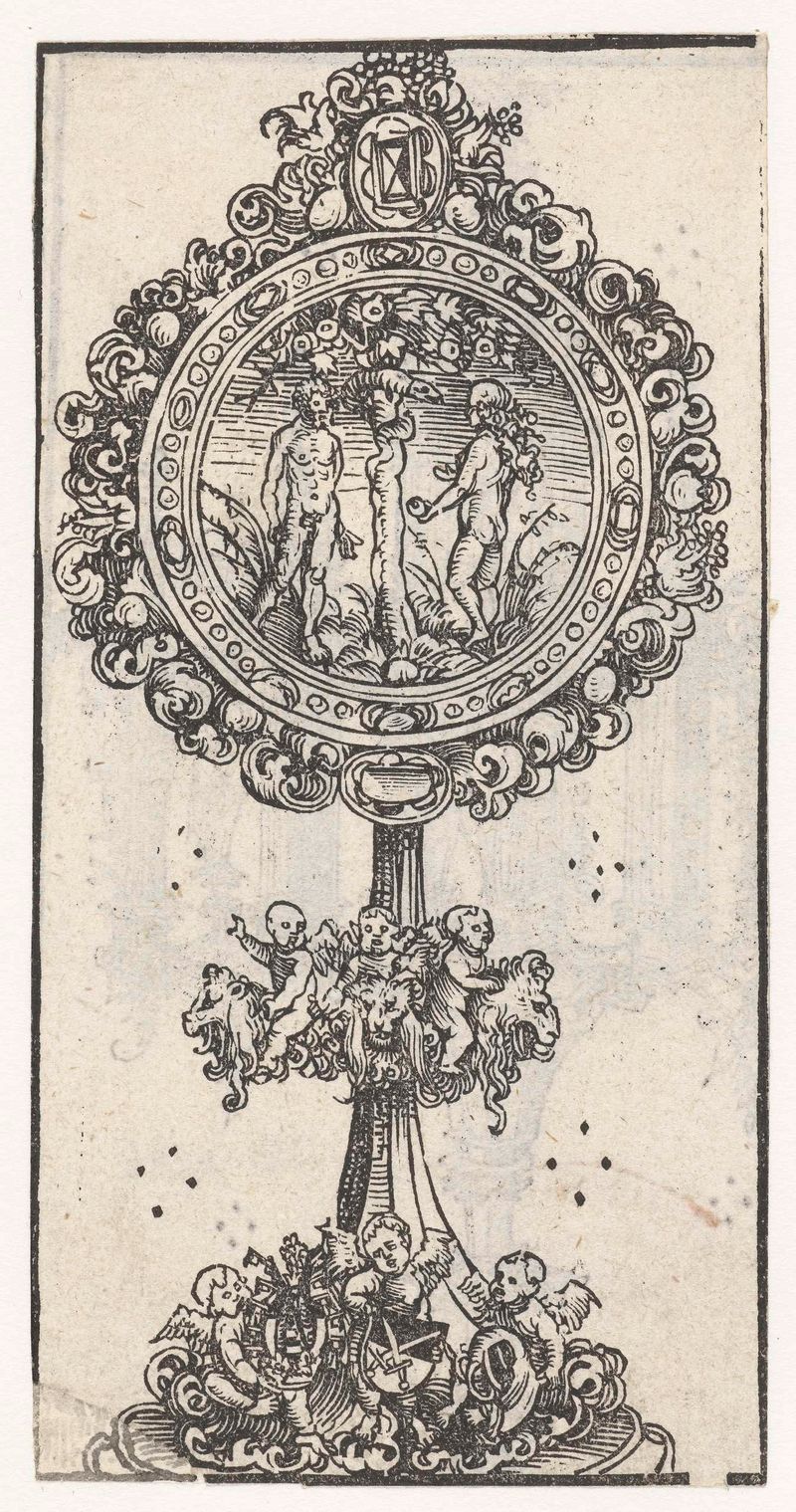
Reliekhouder met de verzoeking van Adam en Eva
Lucas Cranach (I)

Intocht van Christus in Jerusalem
Lucas Cranach (I)
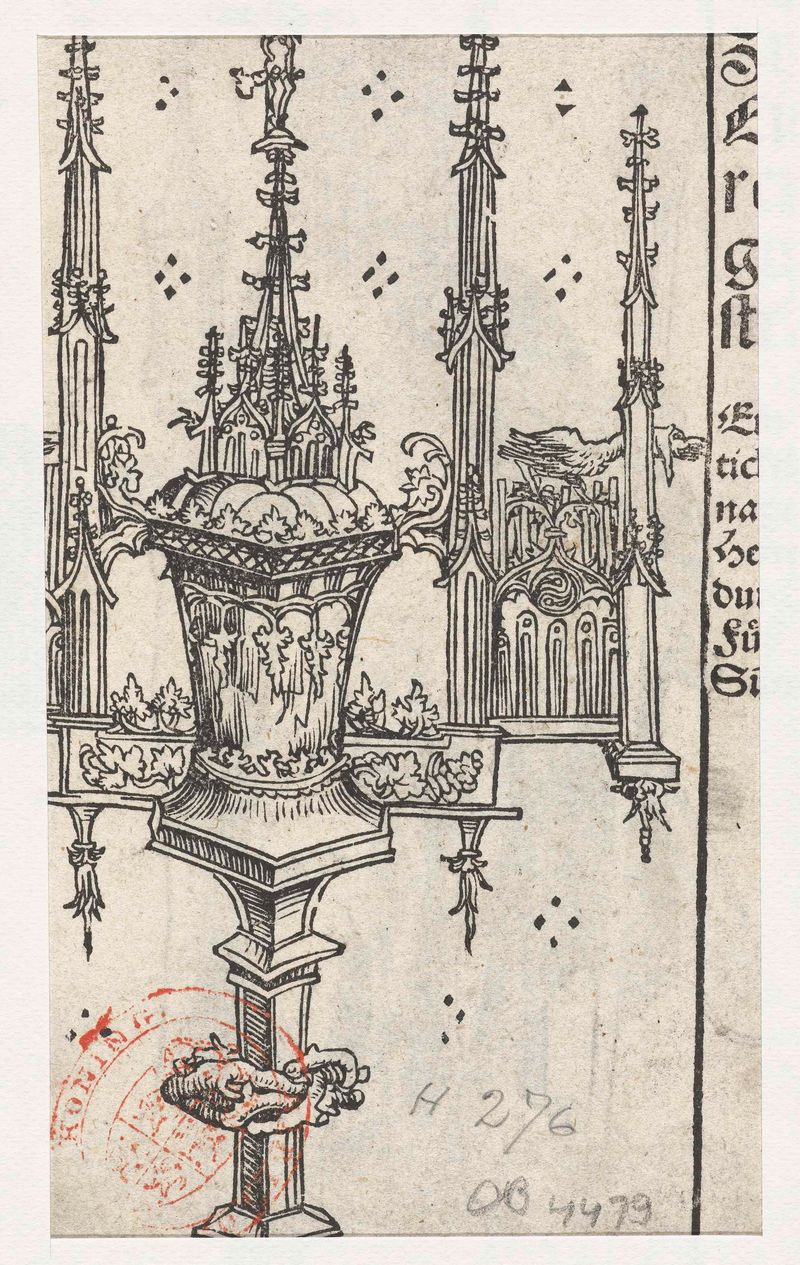
Monstrans met vogel (pelikaan)
Lucas Cranach (I)
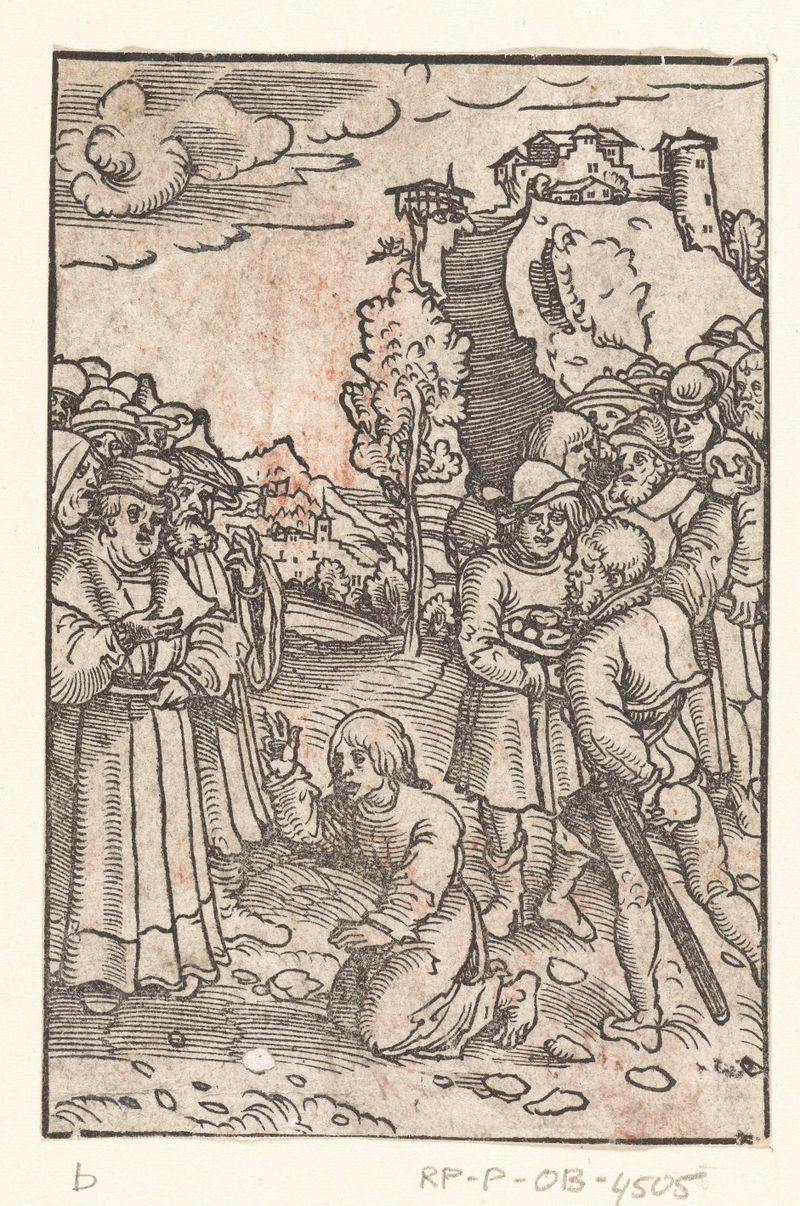
Steniging van Stefanus
Lucas Cranach (I)
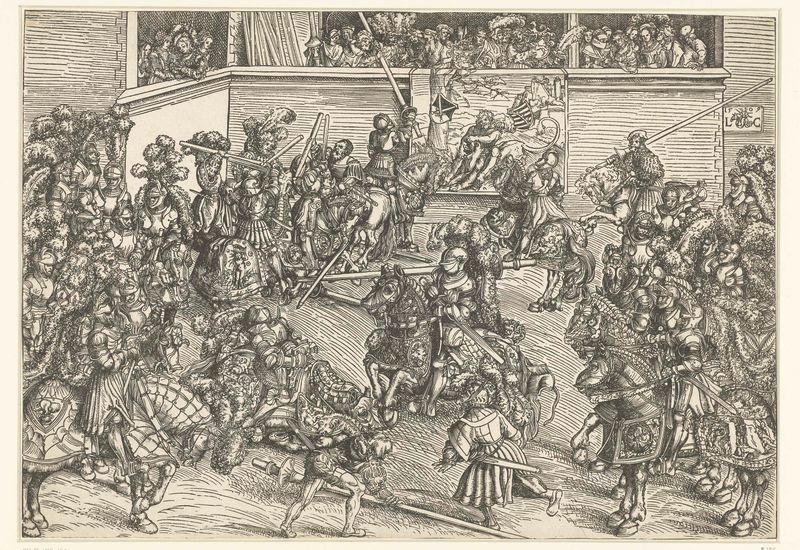
Toernooi van het keurvorstelijk hof van Saksen met wandtapijt Simson doodt de leeuw
Lucas Cranach (I)
More Religious Art
Browse all →
The Return of the Prodigal Son
Rembrandt van Rijn

The Garden of Earthly Delights
El Bosco

Count Orgaz’ funeral
El Greco

The Hundred Guilder Print: the central piece with Christ preaching, the plate arched
Rembrandt van Rijn

The Descent from the Cross
Rogier van der Weyden

The return of the prodigal son
Rembrandt van Rijn