
Heller Altarpiece — History & Facts
A burst of radiant blue draws the eye straight to the heart of this altarpiece, where the Virgin Mary is crowned in a swirl of cherubs and clouds. The composition lifts her above a gathering of apostles, their faces turned upward in awe, their robes pooling in rich folds of rose, gold, and turquoise. The artist orchestrates a dramatic ascent: Mary’s hands are folded in humility, but the sweep of her cloak and the golden arc above her head make her the true axis of the scene.
Each angel, each apostle, is painted with a distinct gesture or glance—some lost in prayer, others caught mid-conversation—pulling the viewer into the moment of heavenly coronation. This is a work born of the early sixteenth century, a time when altarpieces like this were commissioned to anchor the faith and pride of a community. The triptych format, with its hinged wings, allowed for storytelling across multiple panels: saints and donors kneel below, while dramatic martyrdoms and miracles unfold on the sides, their violence and wonder balancing the serenity of the central vision. The documented date, between 1508 and 1509, places it at the dawn of the Northern Renaissance, when artists like Albrecht Dürer brought a new clarity and psychological depth to sacred subjects.
History has kept few traces of this specific Heller Altarpiece, but its luminous colors and intricate storytelling invite us to linger, searching for every small drama within the grand design.
More Artworks by Albrecht Dürer

Melancholia
Albrecht Dürer

St. George and the dragon.
Albrecht Dürer
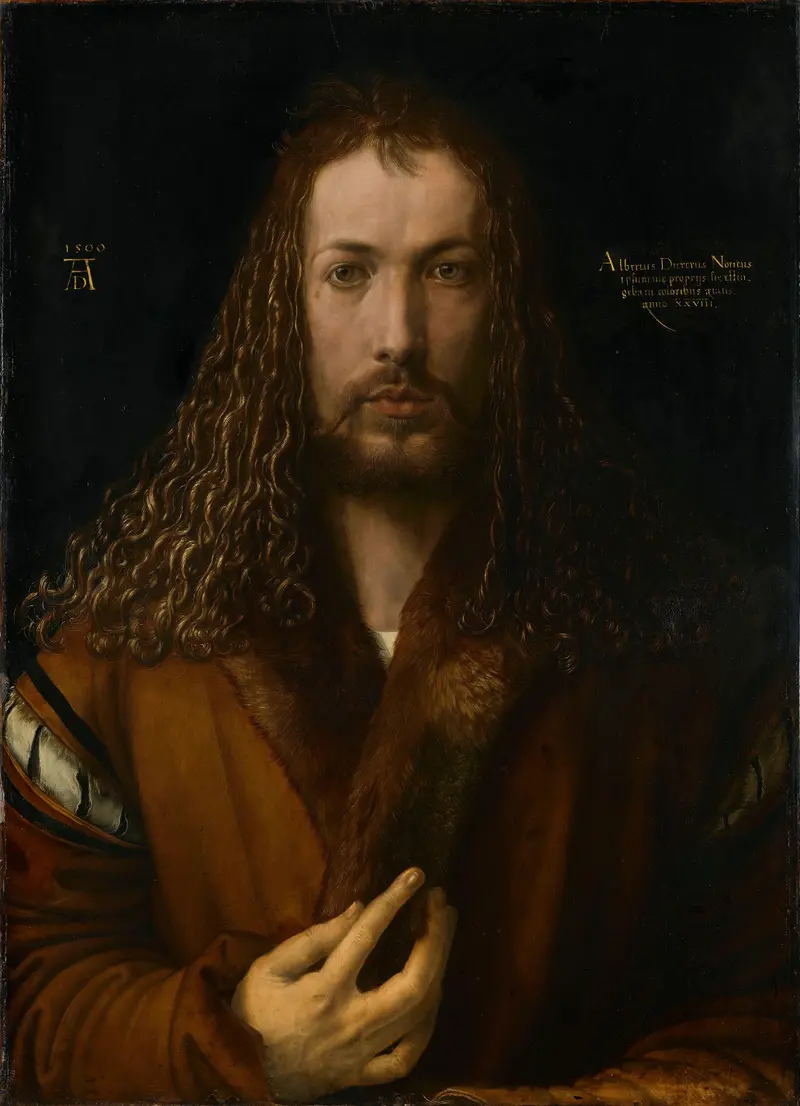
Self-Portrait with Fur-Trimmed Robe
Albrecht Dürer

Wing of a European Roller
Albrecht Dürer

Iris
Albrecht Dürer

The Great Piece of Turf
Albrecht Dürer
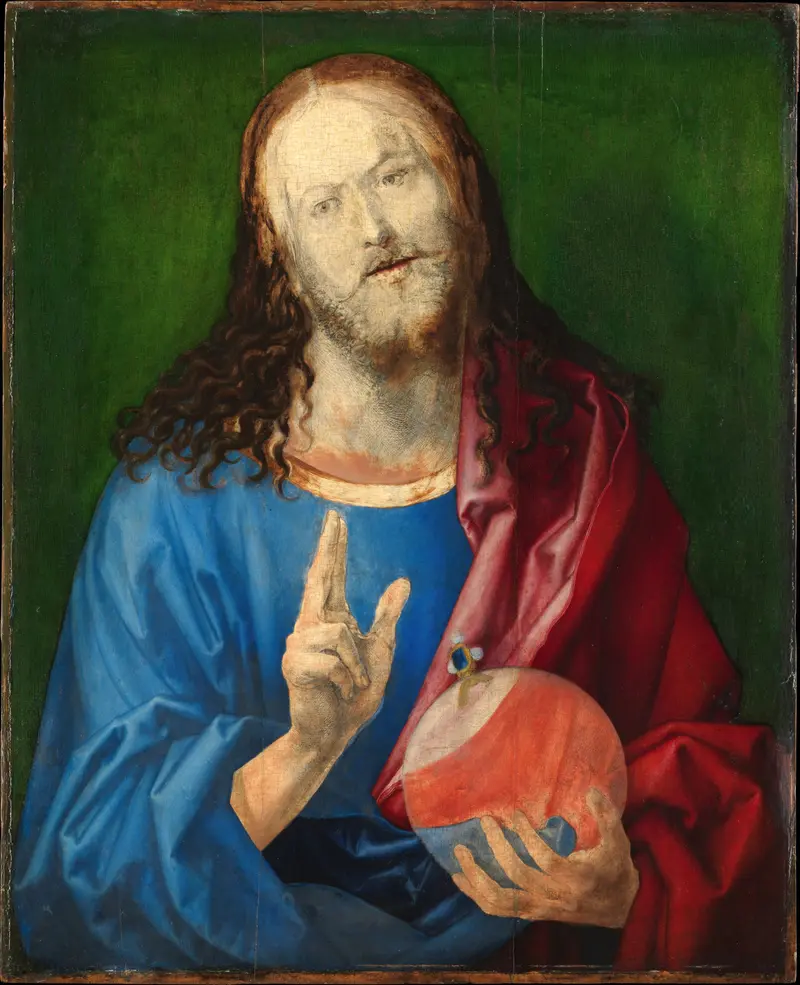
Salvator Mundi
Albrecht Dürer
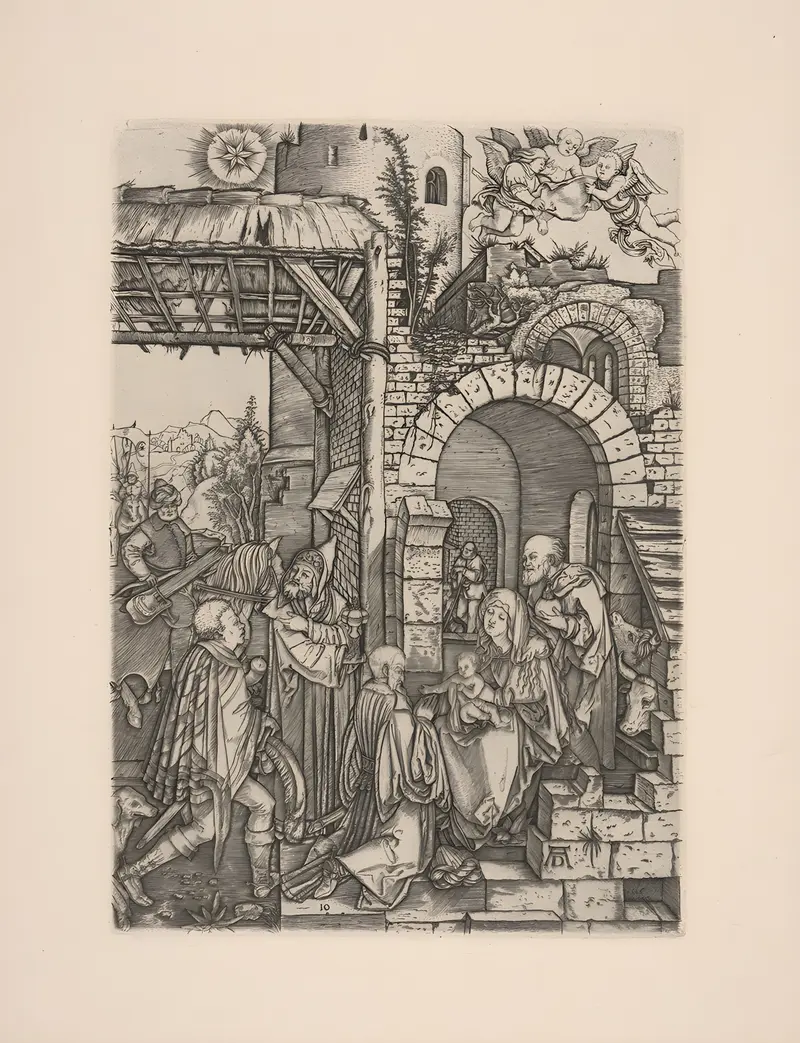
The Adoration of the Magi
Albrecht Dürer
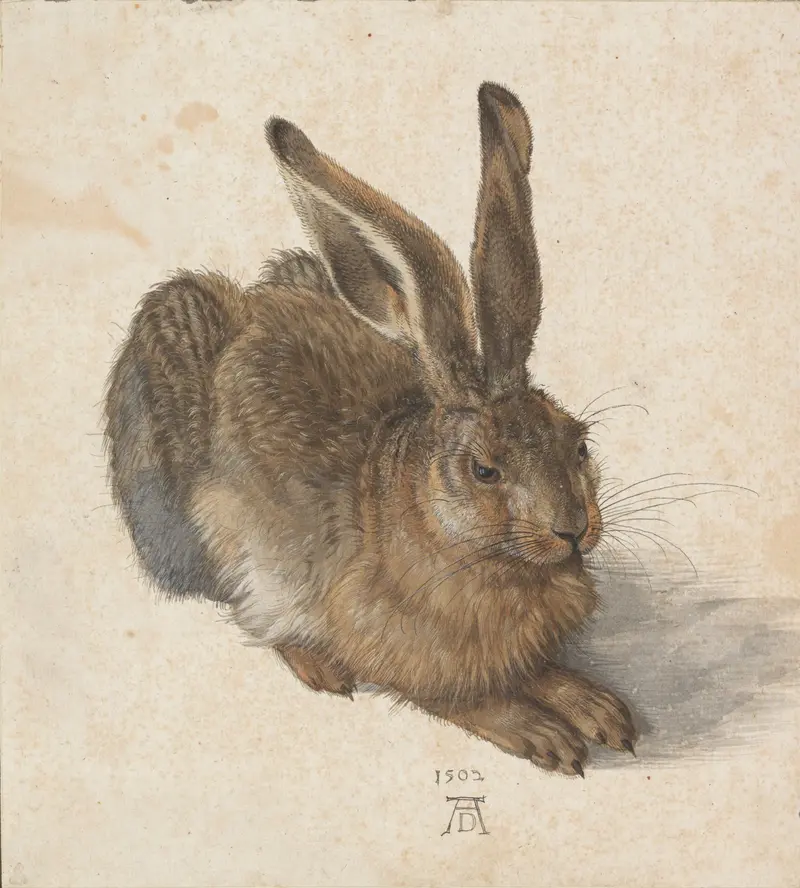
Young Hare
Albrecht Dürer
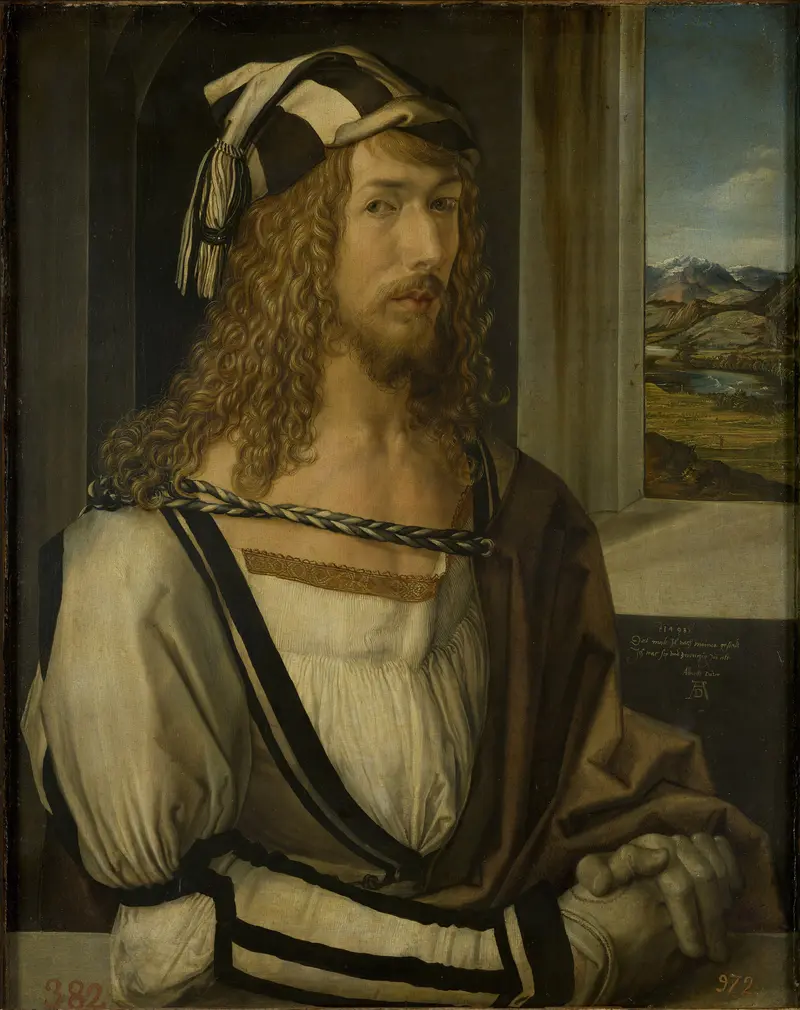
Self-portrait
Albrecht Dürer





