
Hemelvaart van Christus — History & Facts
In the stillness of reflection, we confront what is sacred and transient, much like the moment captured in this artwork. Focus on the gentle glimmers of light that illuminate the figures in the foreground. Here, a solemn atmosphere envelops the scene, with shades of muted earth tones contrasting with the celestial blues of the heavens. The viewer’s eye is drawn to the central figure, ascending amidst a swirl of clouds, while the onlookers beneath are painted with intricate detail, their expressions a tapestry of hope and sorrow. Delve deeper into the emotional layers present in the gestures and gazes of those gathered below.
The outstretched hands of the figures reach skyward, embodying both yearning and despair, symbolizing humanity’s struggle with faith and loss. The composition is a delicate balancing act between the ethereal ascendance of divinity and the grounded reality of human emotion, serving as a poignant reminder of the intersection of the celestial and the earthly. In 1535, Georg Pencz created this masterpiece during a time of significant religious upheaval in Europe, as the Reformation prompted a reevaluation of spiritual beliefs. Working in Nuremberg, he was influenced by the growing interest in realism and humanism, which is evident in the intricate details and emotional depth of his figures.
This period marked a transformative moment in art history, reflecting the tensions of faith and human experience that resonate throughout this painting.
More Artworks by Georg Pencz
Browse all →
Parabel van de zaaier
Georg Pencz

Parabel van de arbeiders in de wijngaard
Georg Pencz
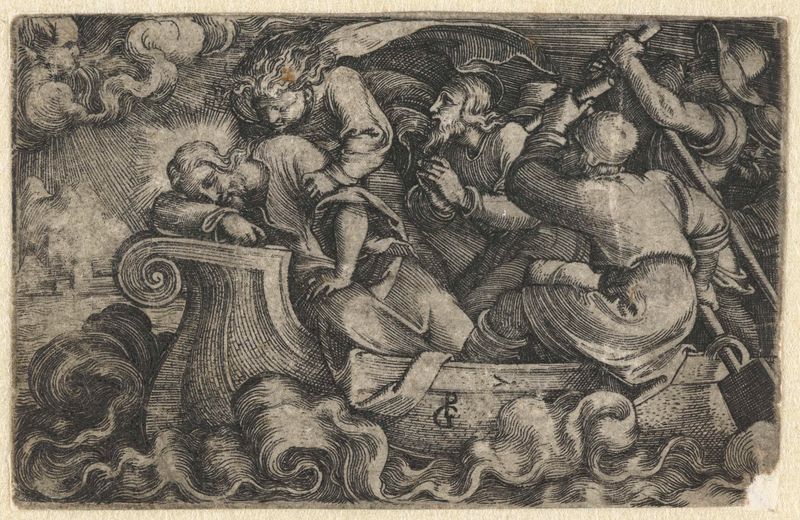
Discipelen wekken slapende Christus tijdens storm op Meer van Galilea
Georg Pencz

Afgunst (Invidia)
Georg Pencz
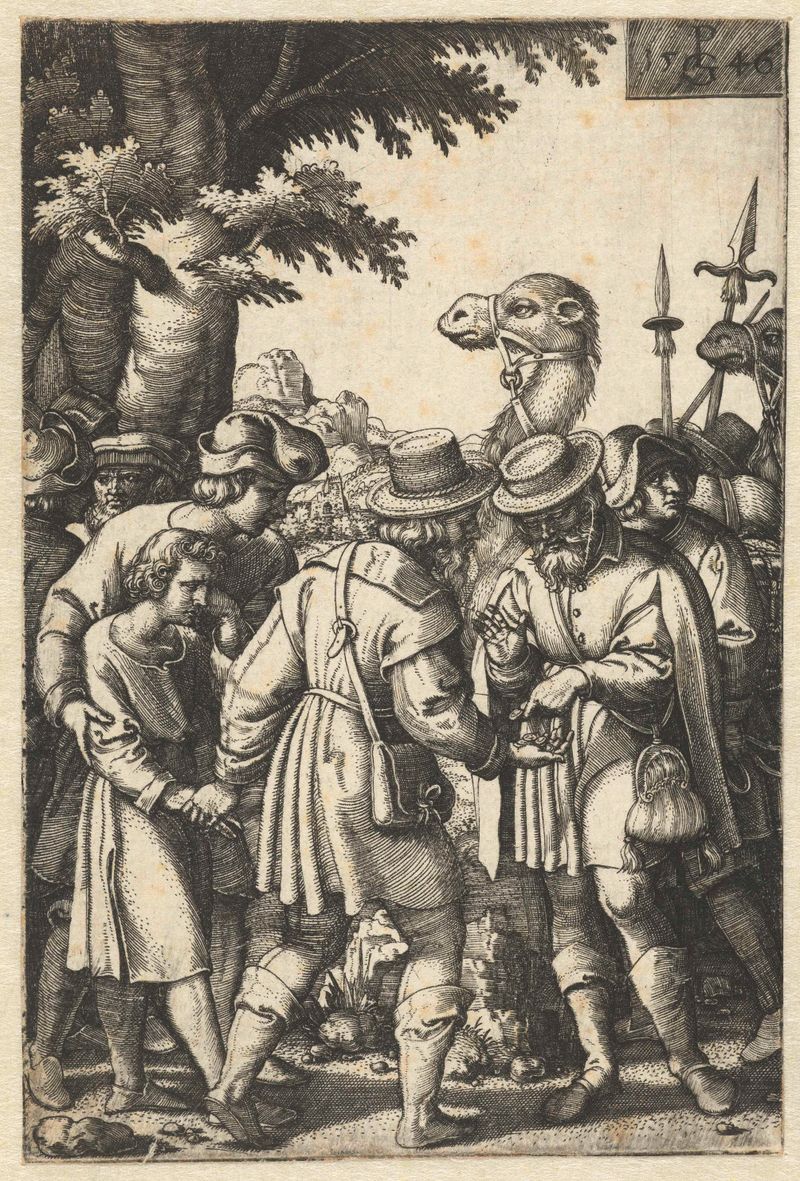
Jozef wordt verkocht aan kooplieden op weg naar Egypte
Georg Pencz

Aanbidding der koningen
Georg Pencz
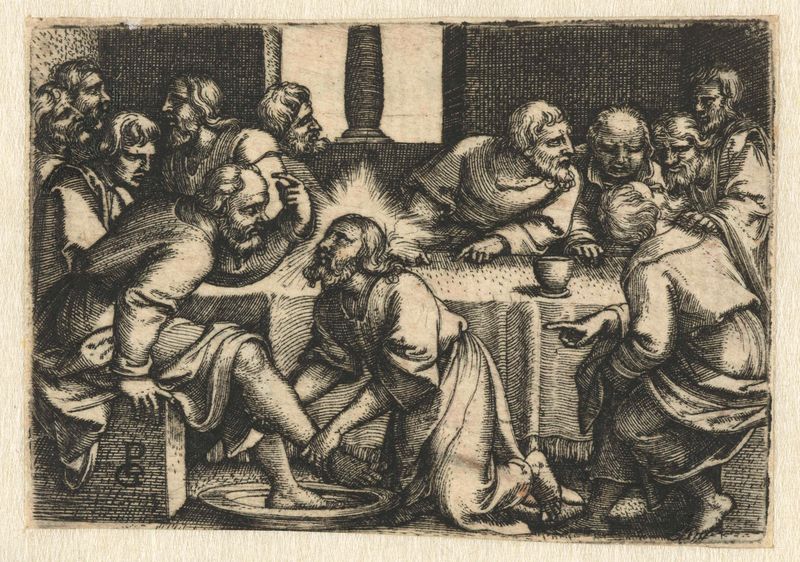
Petrus protesteert als Christus zijn voeten wast
Georg Pencz
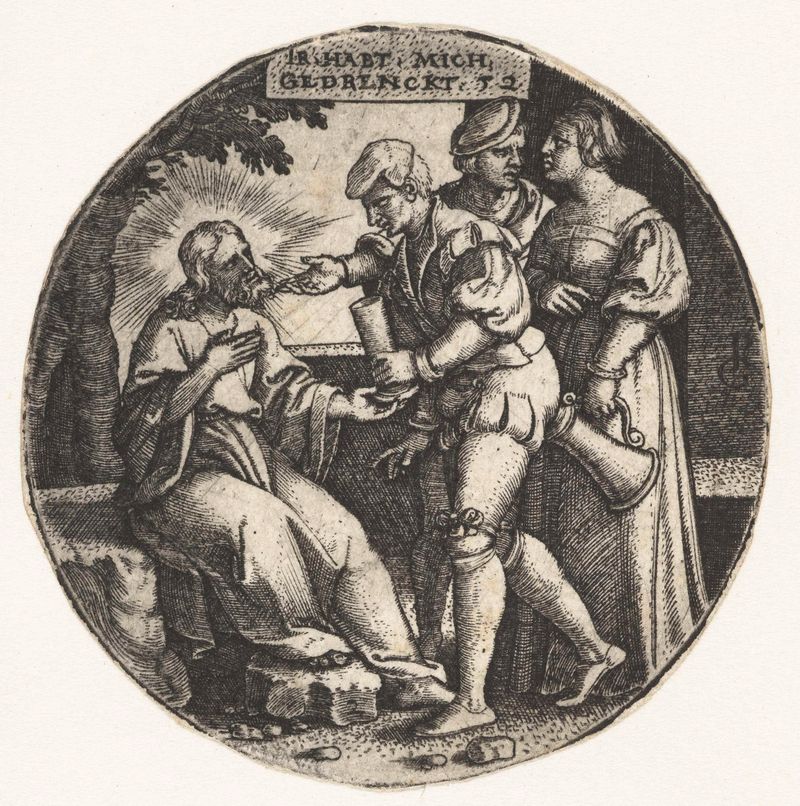
Christus heeft dorst en krijgt drinken aangeboden
Georg Pencz
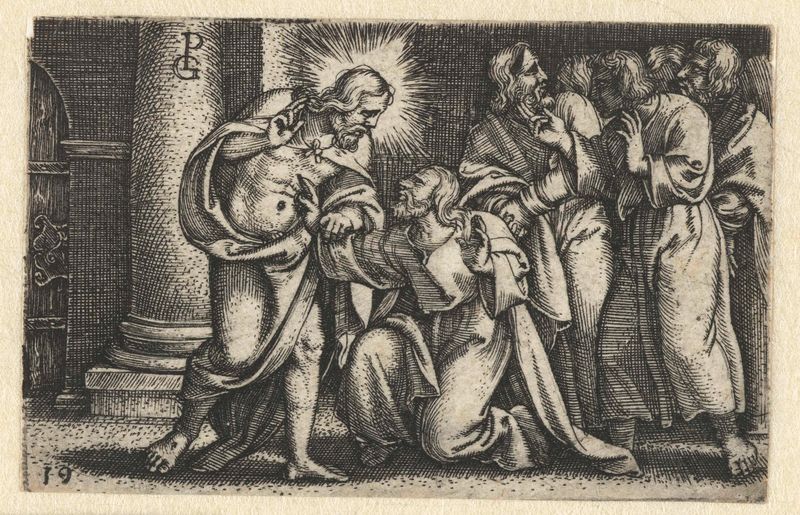
Ongelovige Thomas raakt wonden Christus aan
Georg Pencz

Offer van Abraham van Isaak
Georg Pencz
More Religious Art
Browse all →
The Return of the Prodigal Son
Rembrandt van Rijn

The Garden of Earthly Delights
El Bosco

Count Orgaz’ funeral
El Greco

The Hundred Guilder Print: the central piece with Christ preaching, the plate arched
Rembrandt van Rijn

The Descent from the Cross
Rogier van der Weyden

The return of the prodigal son
Rembrandt van Rijn