
Hemelvaart van Christus — History & Facts
Can beauty exist without sorrow? The ephemeral nature of memory weaves through the heart, enriching our understanding of what it means to feel joy intertwined with loss. Look closely at the central figure, a majestic Christ, ascendant against a backdrop of swirling clouds. His posture is expansive, arms reaching toward the heavens, embodying both triumph and farewell. Notice how the light dances around him, highlighting the gentle contours of his robe and casting elongated shadows that hint at the weight of his sacrifice.
The delicate play of color—soft blues and vibrant golds—enhances the painting’s ethereal quality, inviting the viewer to linger in this moment of transcendence. As you explore the canvas, small details reveal emotional tensions beneath the surface. The expressions of the figures below, a mixture of awe and sorrow, suggest a collective memory of loss even amidst divine ascension. The juxtaposition of the serene Christ and the turmoil of his followers speaks to the complexities of faith and the human experience—a dance between hope and despair that speaks to timeless truths.
Each element, from the clouds to the figures, contributes to a poignant narrative that resonates deeply. Georg Pencz created this remarkable piece in 1535 during a period marked by the Reformation, a time of profound religious transformation in Europe. Working in Nuremberg, he was influenced by both humanist and religious themes, reflecting the tensions of his time. This work embodies the intersection of art and spirituality, capturing a moment of divine significance while echoing the human experience of memory, loss, and the search for meaning.
More Artworks by Georg Pencz
Browse all →
Parabel van de zaaier
Georg Pencz

Parabel van de arbeiders in de wijngaard
Georg Pencz
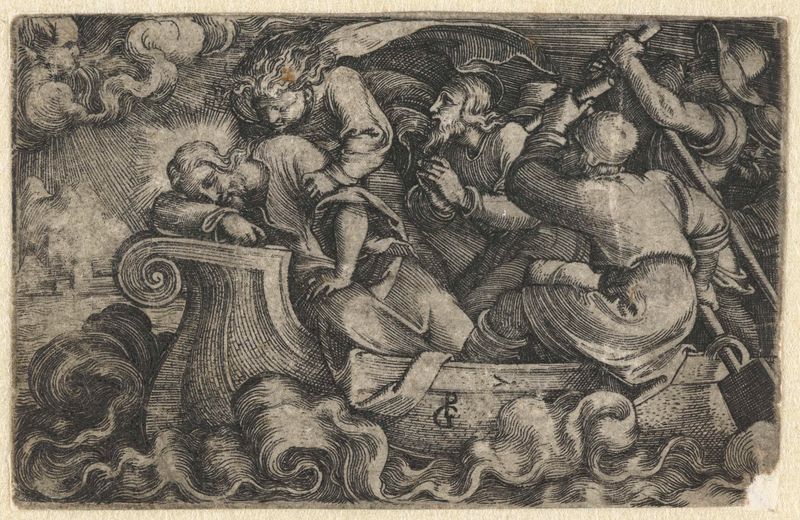
Discipelen wekken slapende Christus tijdens storm op Meer van Galilea
Georg Pencz

Afgunst (Invidia)
Georg Pencz
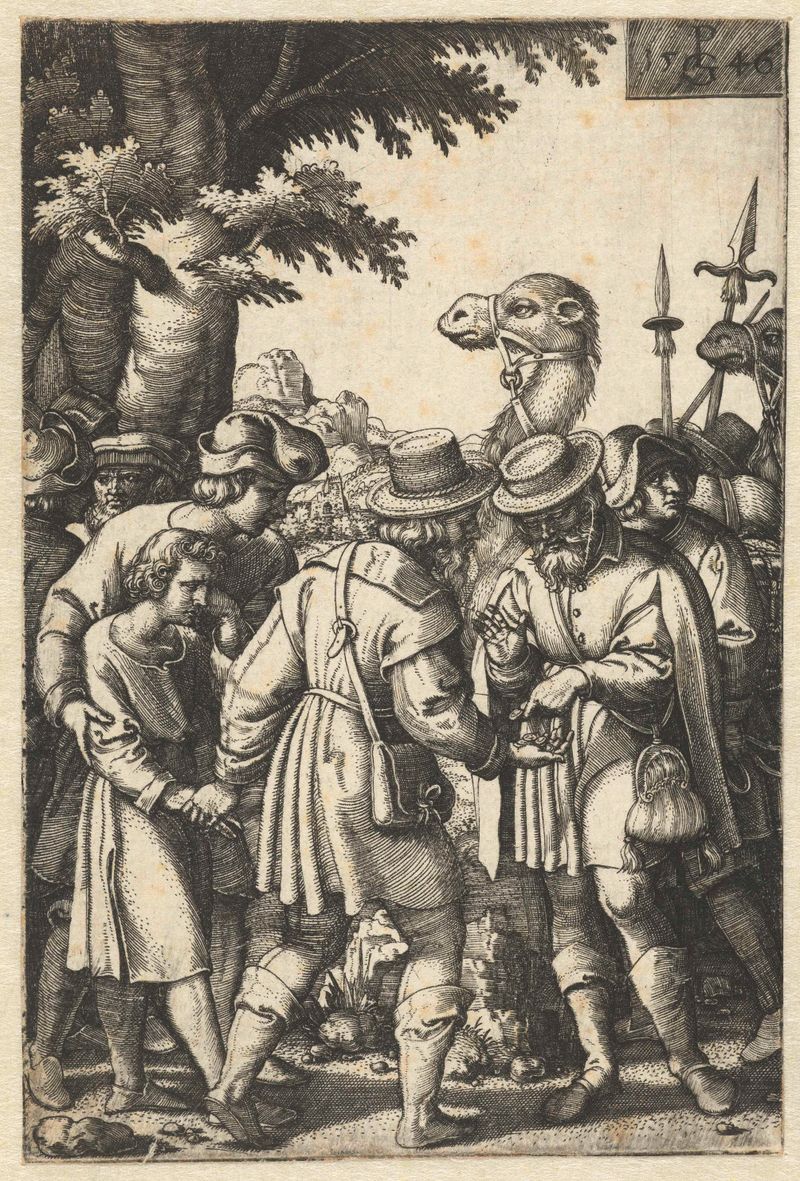
Jozef wordt verkocht aan kooplieden op weg naar Egypte
Georg Pencz

Aanbidding der koningen
Georg Pencz
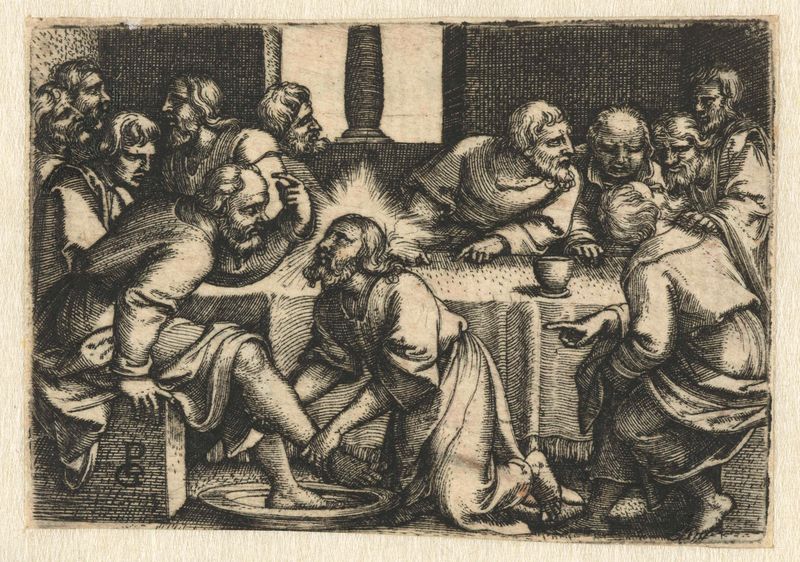
Petrus protesteert als Christus zijn voeten wast
Georg Pencz
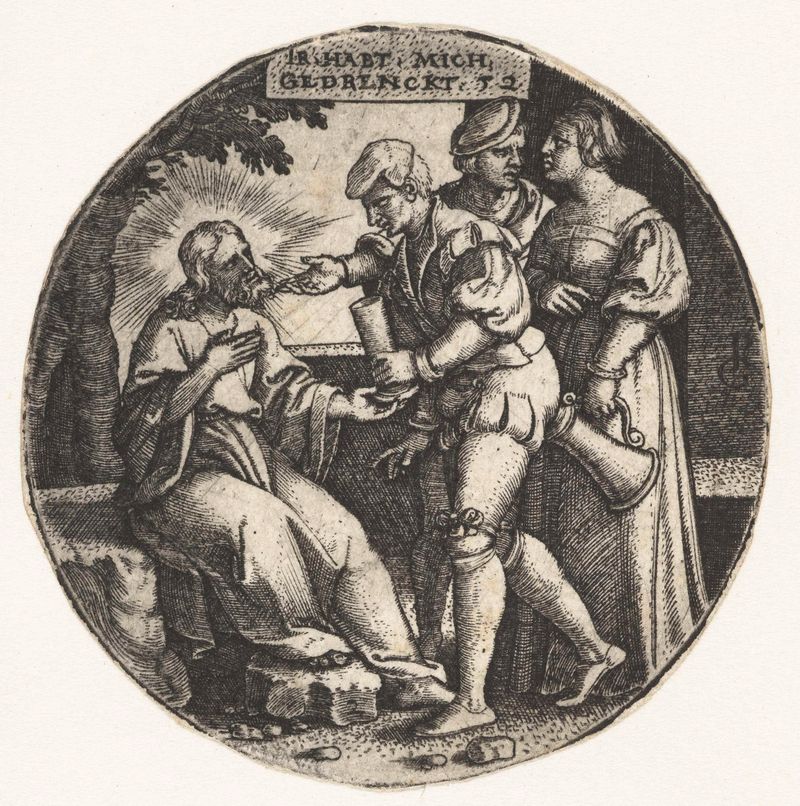
Christus heeft dorst en krijgt drinken aangeboden
Georg Pencz
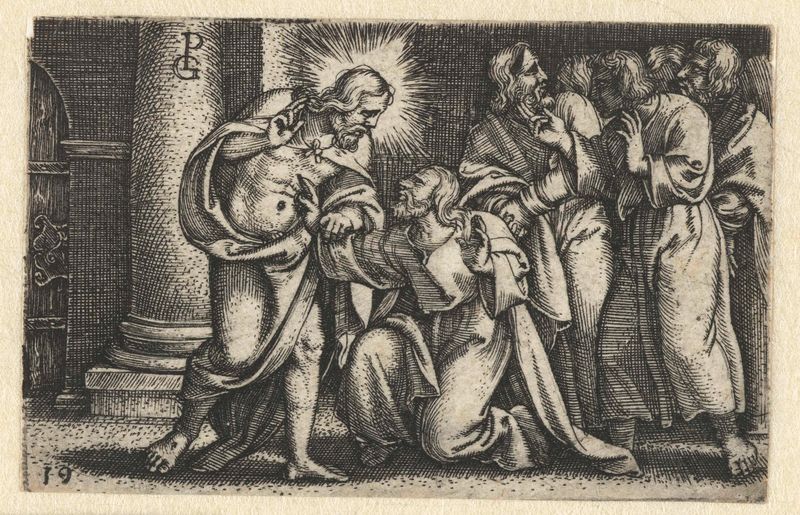
Ongelovige Thomas raakt wonden Christus aan
Georg Pencz

Offer van Abraham van Isaak
Georg Pencz
More Religious Art
Browse all →
The Return of the Prodigal Son
Rembrandt van Rijn

The Garden of Earthly Delights
El Bosco

Count Orgaz’ funeral
El Greco

The Hundred Guilder Print: the central piece with Christ preaching, the plate arched
Rembrandt van Rijn

The Descent from the Cross
Rogier van der Weyden

The return of the prodigal son
Rembrandt van Rijn