
Hemelvaart van Maria — History & Facts
Could a single brushstroke hold eternity? In Hemelvaart van Maria, Wenceslaus Hollar explores the interplay of color and divine light, encapsulating a moment that transcends time and space. Look to the center of the composition where the Virgin Mary ascends, surrounded by a radiant aura that draws the viewer’s gaze. Notice how the artist masterfully employs ethereal blues and soft whites, giving her a celestial quality. The surrounding angels are painted with warm, golden hues that contrast beautifully, emphasizing their joyous expressions and the sense of upliftment.
The careful detailing of their wings captures movement, drawing the eye upward towards the heavenly realms. Delve deeper into the painting's emotional depths—there’s a tension between the earthly and the divine. Each angel’s varied expressions convey a mix of reverence and celebration, reflecting the complex feelings surrounding loss and exaltation. The juxtaposition of the somber tones in the background against the vibrant palette of the foreground creates a sense of hope amid sorrow, inviting reflections on faith and transcendence.
The intricate folds of Mary’s robes suggest both humility and grace, framing her as a pivotal figure in the narrative of ascension. During the years between 1622 and 1652, Hollar created this piece while living in exile in England, far from his native Prague. This period marked significant shifts in the art world, as Baroque influences began to shape European aesthetics. The artist’s experiences of displacement undoubtedly colored his work, infusing it with a sense of longing that resonates through the luminous portrayal of divine glory in Hemelvaart van Maria.
More Artworks by Wenceslaus Hollar
Browse all →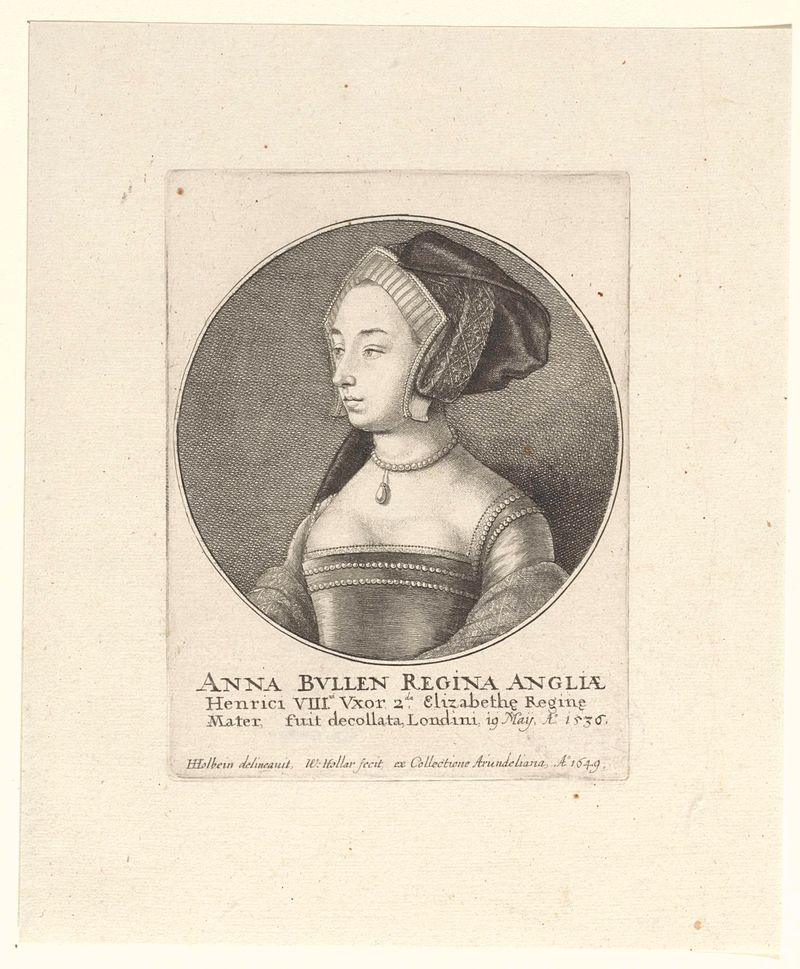
Portret van Anna Boleyn, koningin van Engeland
Wenceslaus Hollar
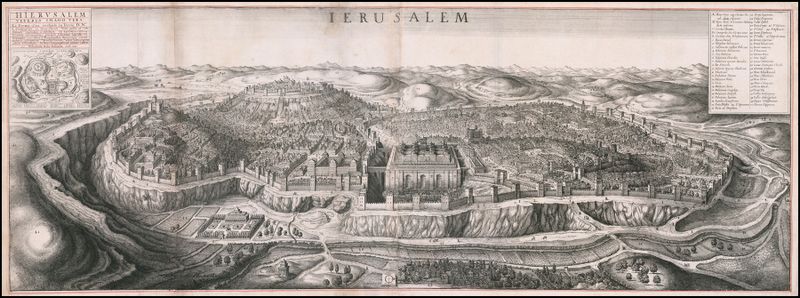
Bird’s eye view of Jerusalem
Wenceslaus Hollar
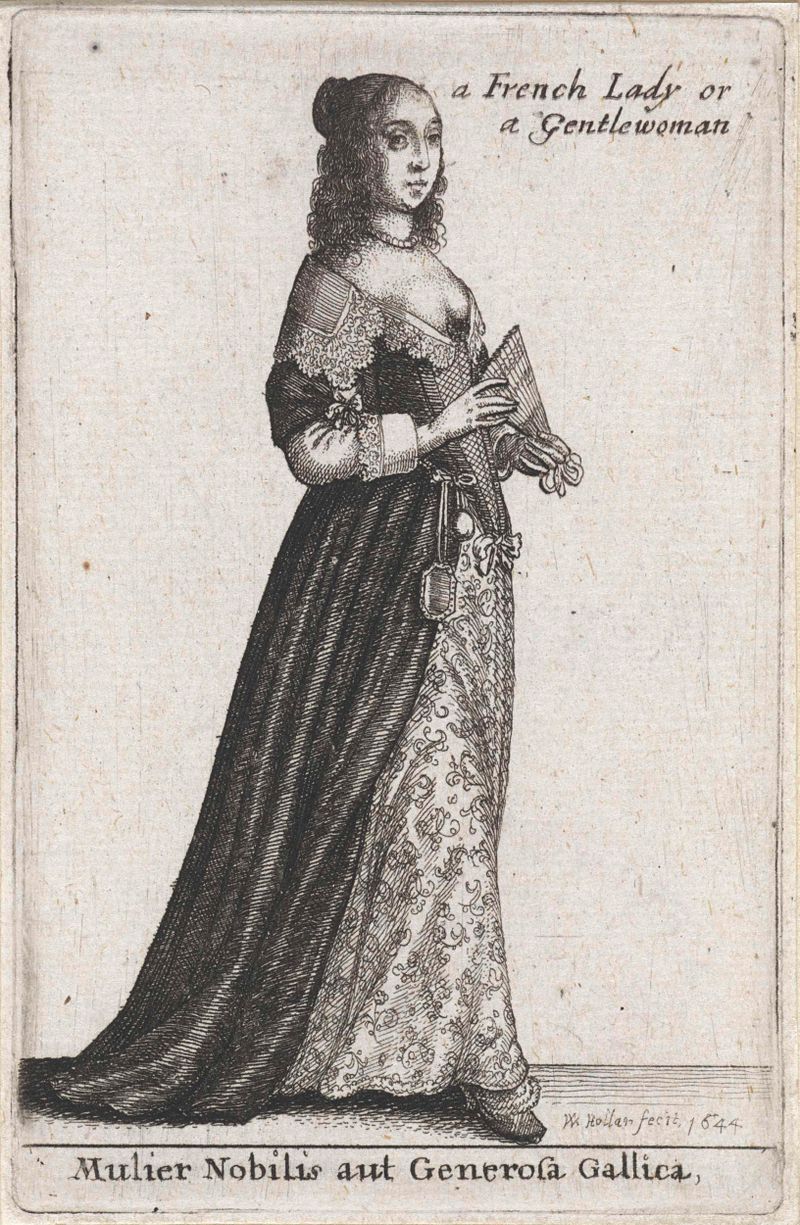
Mulier Nobilis aut Generosa Gallica / a French Lady or Gentlewoman
Wenceslaus Hollar
Titelprent voor: Ornatus Muliebris Anglicanus
Wenceslaus Hollar
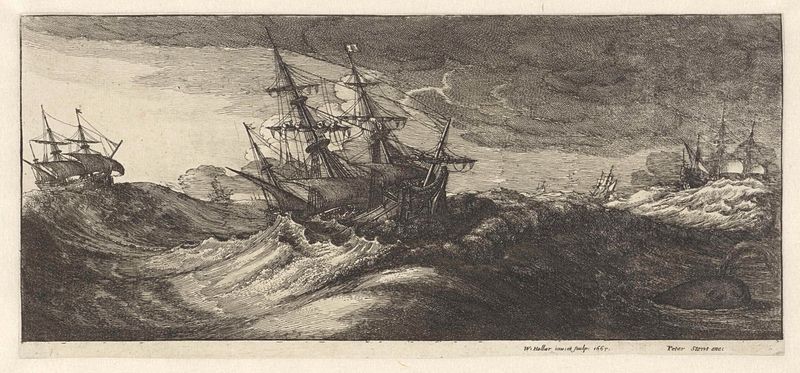
Oorlogsschepen en een walvis in een zeestorm
Wenceslaus Hollar
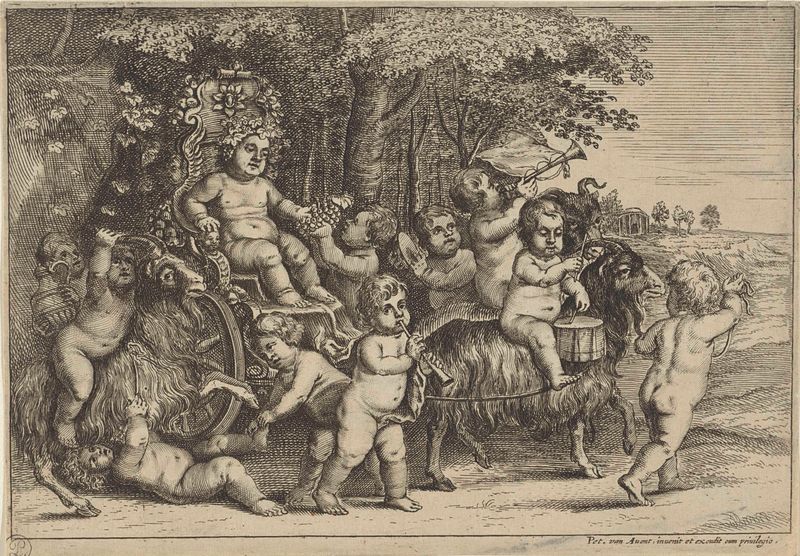
Optocht van bacchant en jongetjes op geiten
Wenceslaus Hollar
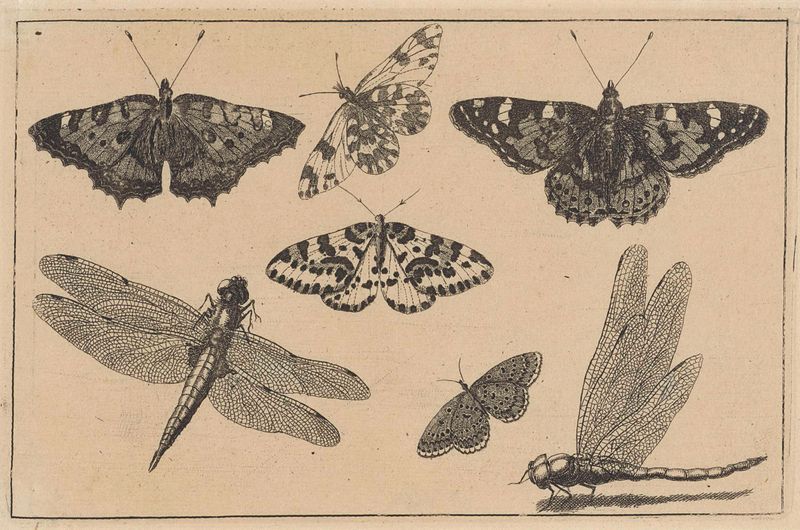
Twee libellen en vijf vlinders
Wenceslaus Hollar
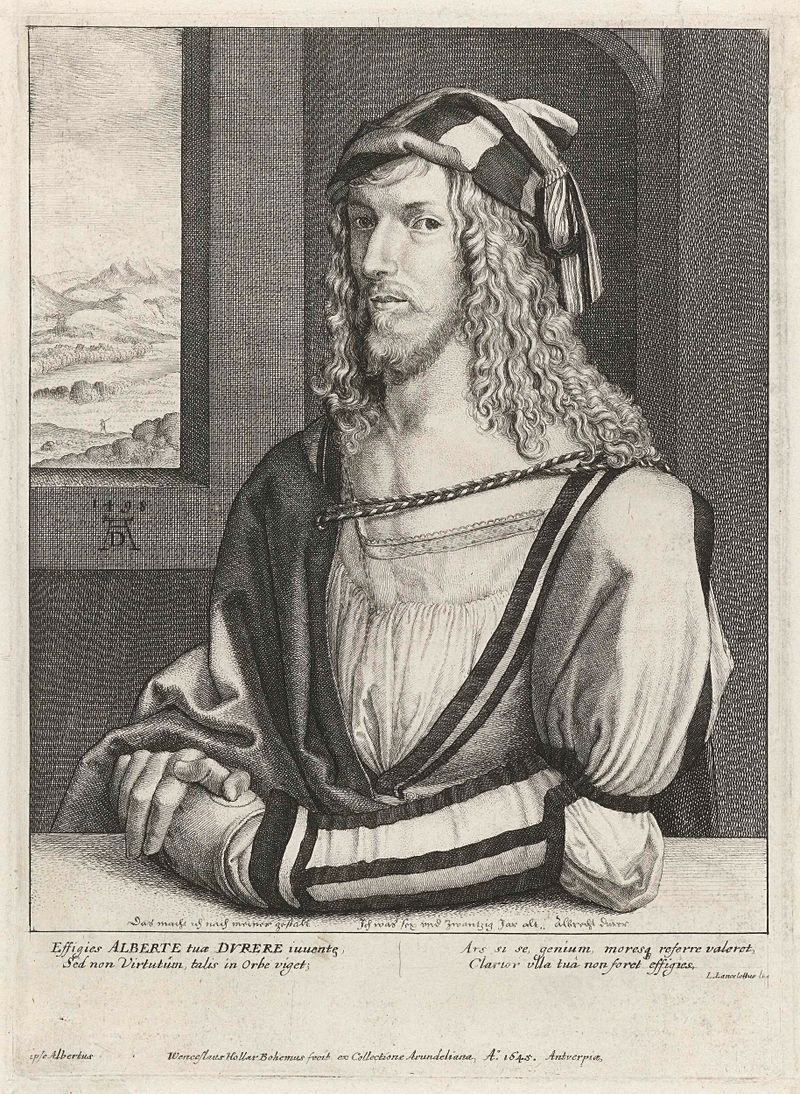
Portret van Albrecht Dürer
Wenceslaus Hollar
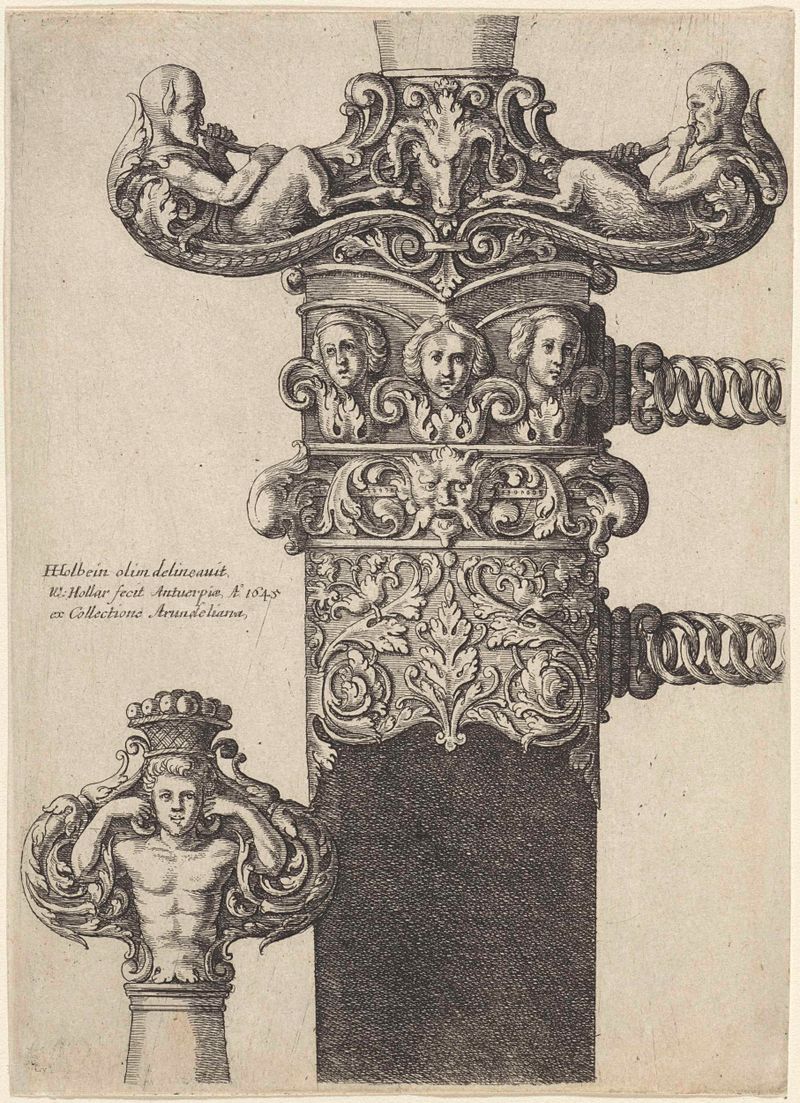
Ornamenteel ontwerp voor een dolk
Wenceslaus Hollar
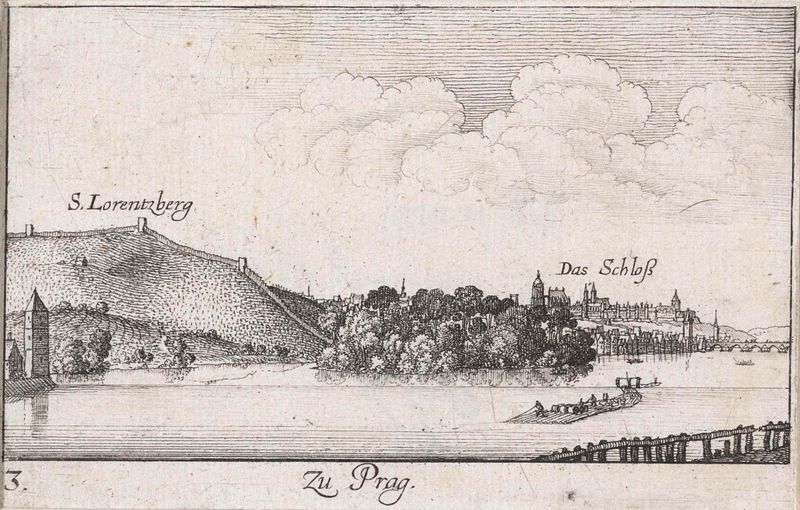
Gezicht op Praag vanaf de Moldau
Wenceslaus Hollar
More Religious Art
Browse all →
The Return of the Prodigal Son
Rembrandt van Rijn

The Garden of Earthly Delights
El Bosco

Count Orgaz’ funeral
El Greco

The Hundred Guilder Print: the central piece with Christ preaching, the plate arched
Rembrandt van Rijn

The Descent from the Cross
Rogier van der Weyden

The return of the prodigal son
Rembrandt van Rijn