
Hemelvaart van Maria Magdalena — History & Facts
Is this a mirror — or a memory? The haunting stillness captured in the moment evokes both contemplation and melancholy, as time wears on and decay becomes inevitable. Focus on the central figure, draped in flowing robes that seem to blend into the ethereal background. Notice how the light delicately kisses her skin, illuminating her serene expression, while shadows whisper of hidden depths. Look closely at the intricate details of the drapery, where the folds create a dance of light and dark, drawing the viewer into the spiritual realm Cranach so artfully conjures.
The gentle color palette of pale blues and soft whites speaks to purity but carries an undertone of fragility. The interplay of light and shadow in this piece hints at a deeper narrative of transient beauty and the passage of time. The lush foliage surrounding the figure represents life, yet, like the translucent veil draping her, it suggests an impending decay. This duality of existence—where sanctity meets the inevitable decline—invokes emotional tension, prompting the viewer to reflect on their own memories of beauty and loss. In 1506, Cranach was deeply entrenched in the humanist ideals emerging in Renaissance Germany.
Living in Wittenberg, he was navigating a transitional period in art, moving from medieval themes to more personal, emotional expressions. This painting emerged as the artist responded to both the spiritual needs of his contemporaries and the evolving landscape of European art, bridging the sacred and the temporal in profound ways.
More Artworks by Lucas Cranach (I)
Browse all →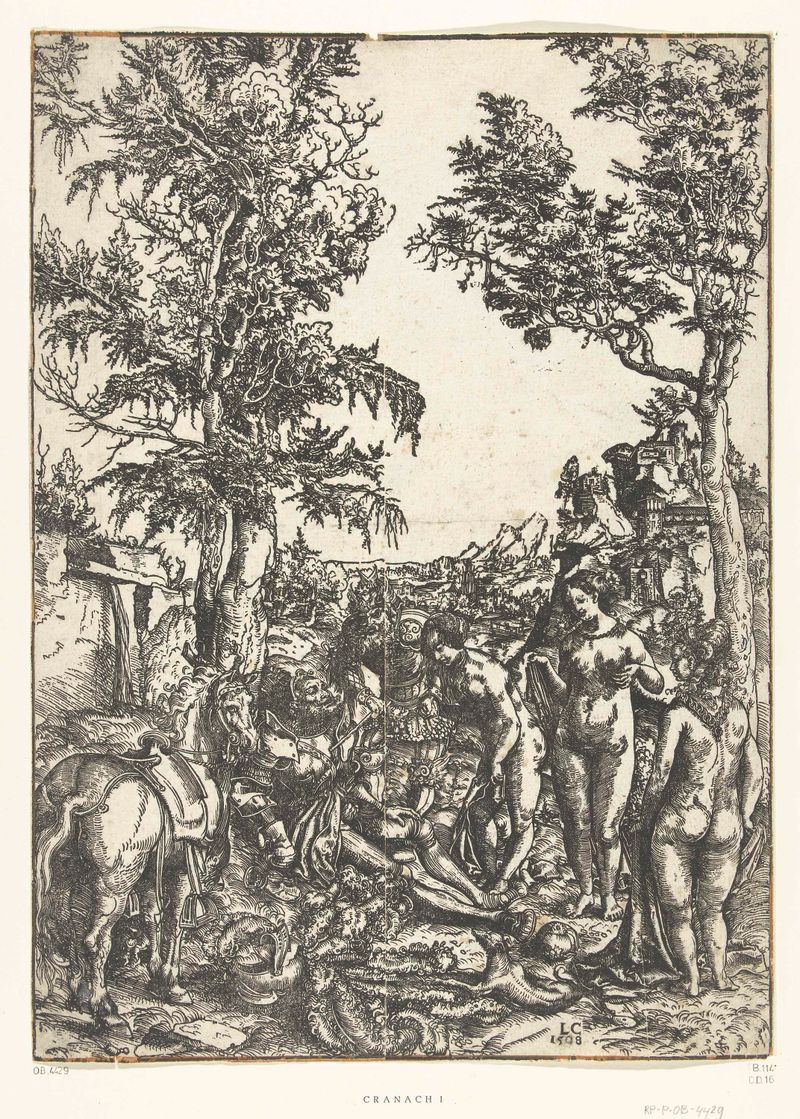
Oordeel van Paris
Lucas Cranach (I)
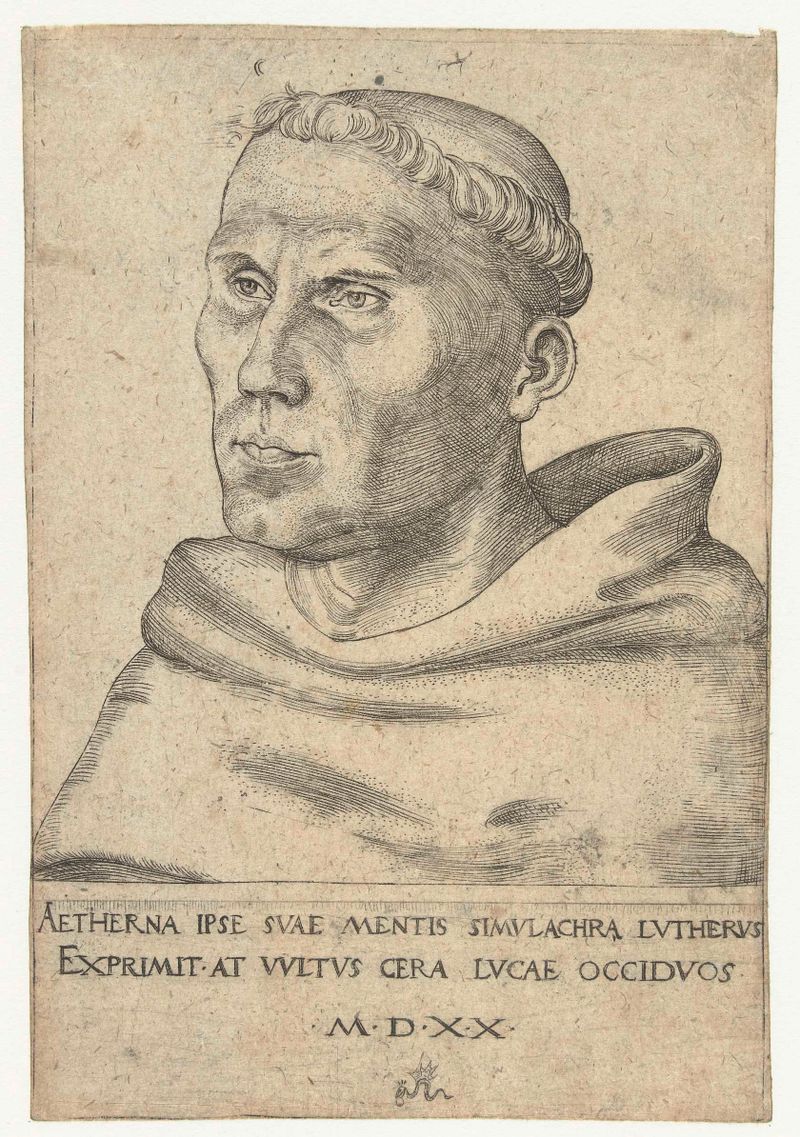
Portret van Martin Luther als Augustijner monnik
Lucas Cranach (I)
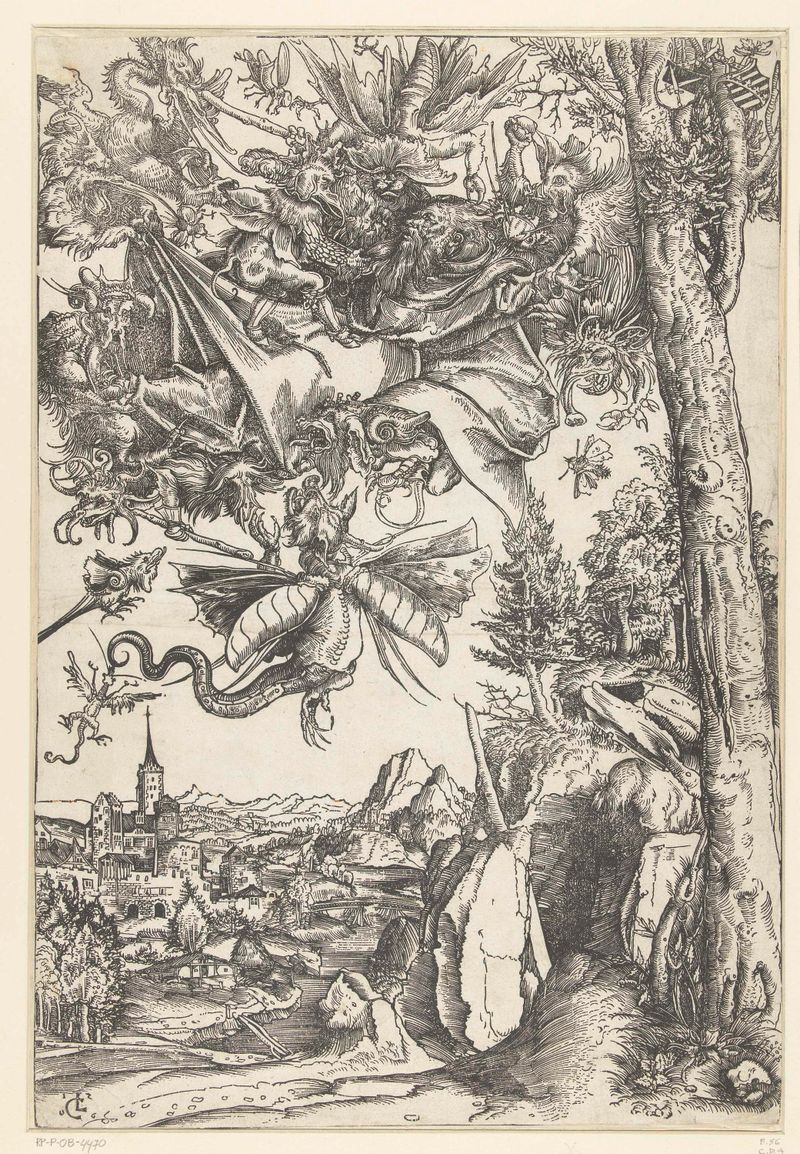
Verzoeking van Antonius met aanval door demonen
Lucas Cranach (I)

Christus en de Samaritaanse vrouw
Lucas Cranach (I)

Duits toernooi met twee edelmannen als ridders te paard
Lucas Cranach (I)
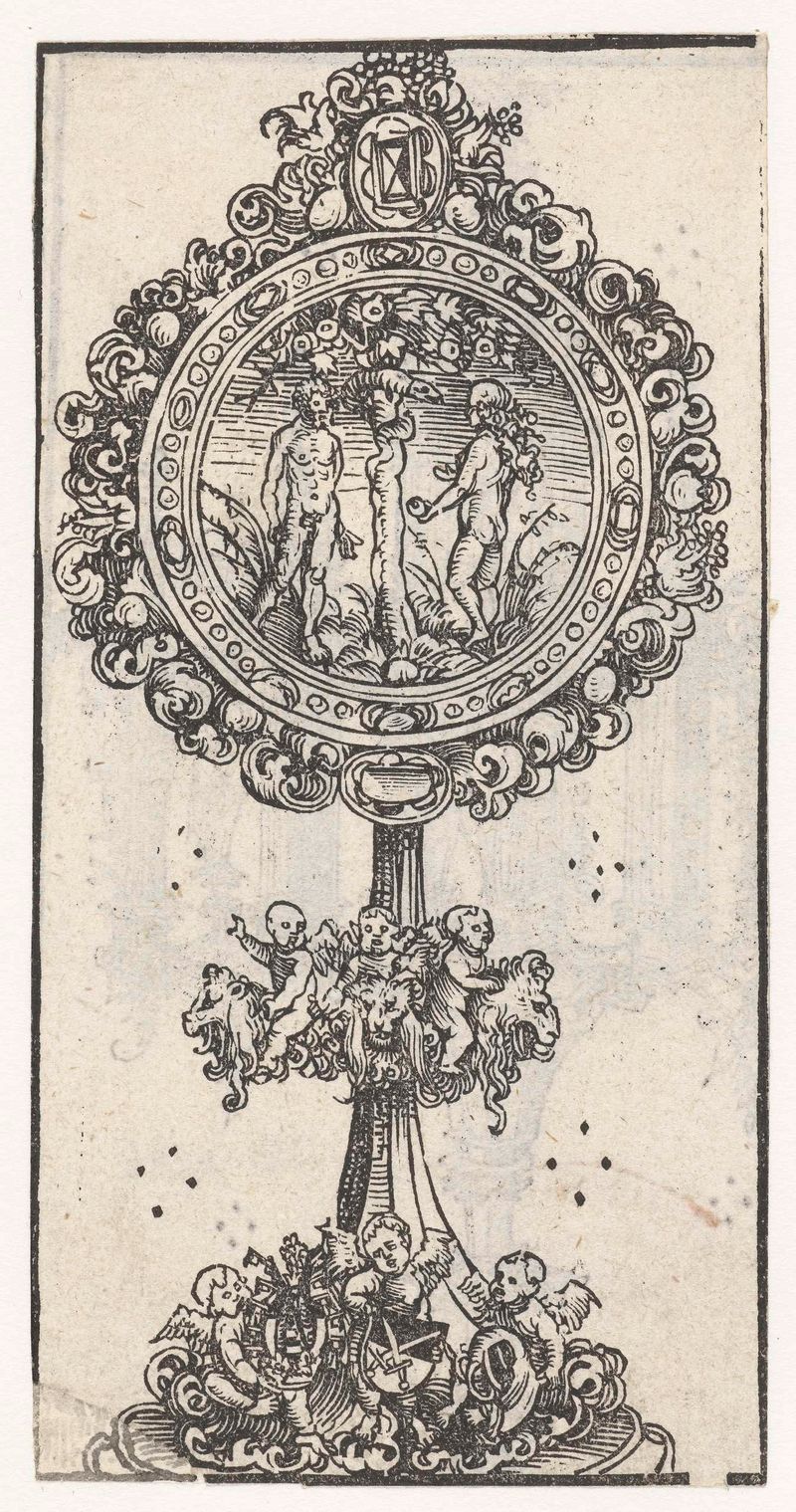
Reliekhouder met de verzoeking van Adam en Eva
Lucas Cranach (I)

Intocht van Christus in Jerusalem
Lucas Cranach (I)
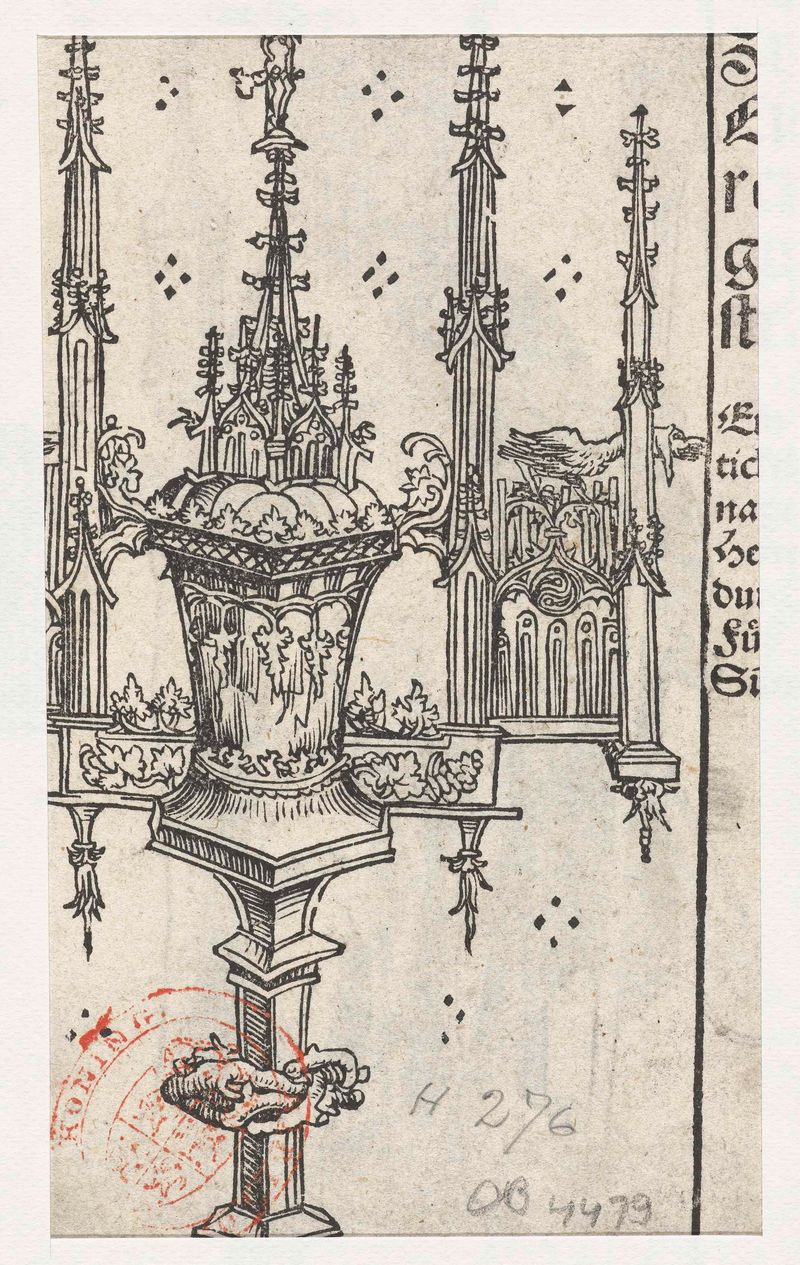
Monstrans met vogel (pelikaan)
Lucas Cranach (I)
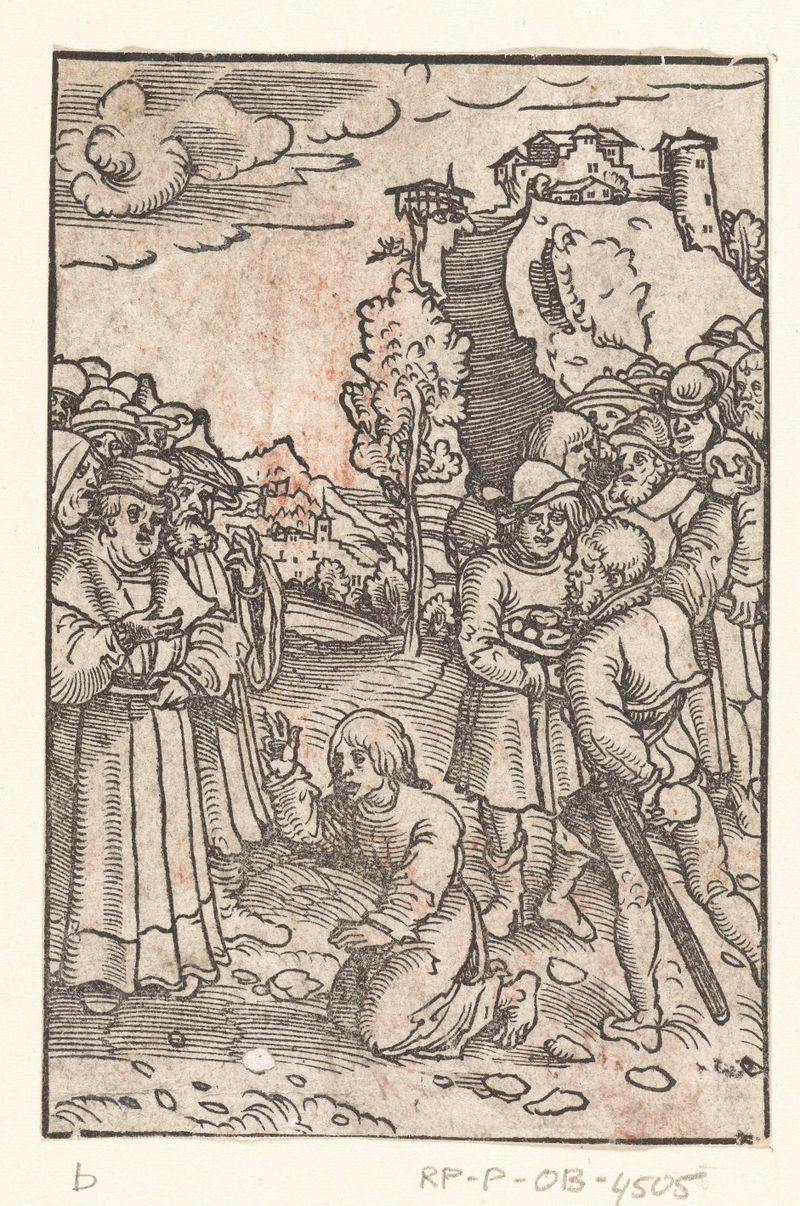
Steniging van Stefanus
Lucas Cranach (I)
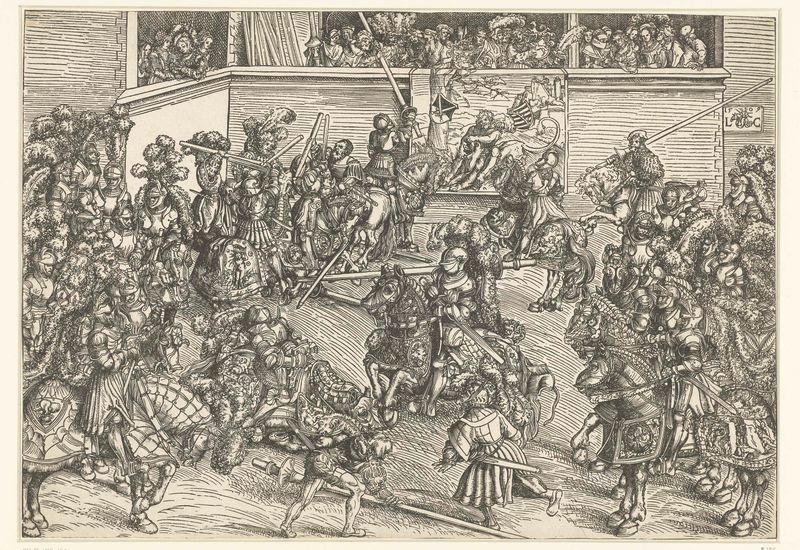
Toernooi van het keurvorstelijk hof van Saksen met wandtapijt Simson doodt de leeuw
Lucas Cranach (I)
More Religious Art
Browse all →
The Return of the Prodigal Son
Rembrandt van Rijn

The Garden of Earthly Delights
El Bosco

Count Orgaz’ funeral
El Greco

The Hundred Guilder Print: the central piece with Christ preaching, the plate arched
Rembrandt van Rijn

The Descent from the Cross
Rogier van der Weyden

The return of the prodigal son
Rembrandt van Rijn