
Herbstfeuer — History & Facts
This notion dances within the palette of autumn, where desire flutters like a fragile leaf caught in a gust. The tension between longing and loss lies at the heart of the piece, hidden beneath the vibrant hues and the rustic charm of nature. First, let your gaze wander to the left, where a flickering flame ignites the canvas, casting its warm glow over the surrounding landscape. Notice how the brilliant oranges and yellows of the trees mirror the fire's intensity, creating a visual harmony that speaks of warmth amidst the encroaching chill of autumn.
The painter's brushwork captures the delicate balance between the elements, guiding the viewer's eye from the dancing flames to the serene figures seated nearby, embodying a quiet moment of reflection in a bustling season. Yet, beneath the surface, contrasting emotions stir. The fire, a symbol of both comfort and destruction, suggests a yearning that transcends the idyllic setting. The shadows cast by the flames evoke a sense of vulnerability, while the figures’ expressions reflect a deeper longing that resonates with the viewer—perhaps an unfulfilled desire or the bittersweet nostalgia of what once was.
This interplay of light and shadow challenges the idyllic portrayal, revealing a complex emotional landscape. In 1880, Hans Thoma painted Herbstfeuer during a period marked by a growing interest in realism and the natural world. Working in Germany, he was influenced by the Romantic movement and sought to capture the essence of rural life, blending the beauty of nature with human emotion. This piece reflects his dedication to exploring the intricacies of existence, both in art and in life.
More Artworks by Hans Thoma
Browse all →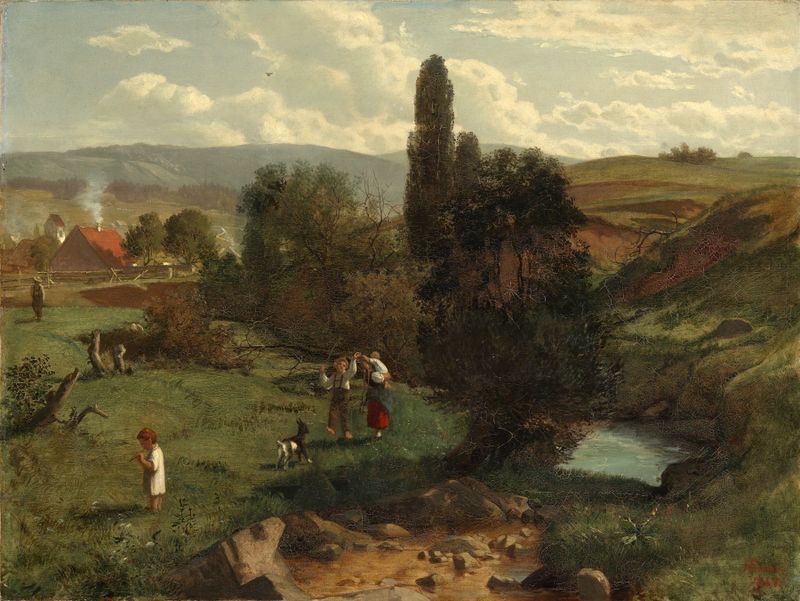
Schwarzwaldlandschaft
Hans Thoma
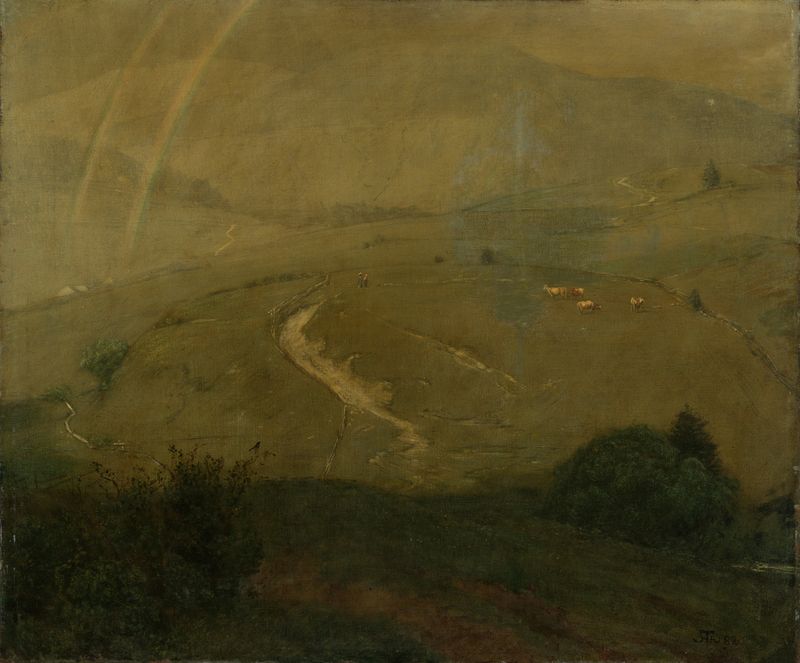
Regen im Schwarzwald
Hans Thoma
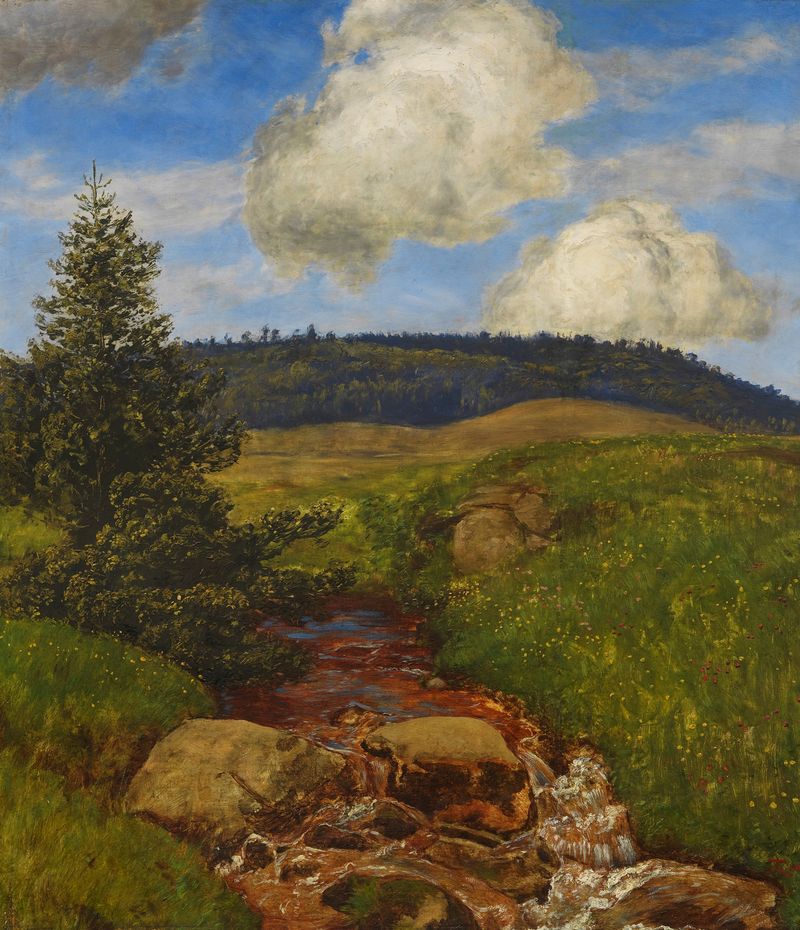
Schwarzwaldbach
Hans Thoma
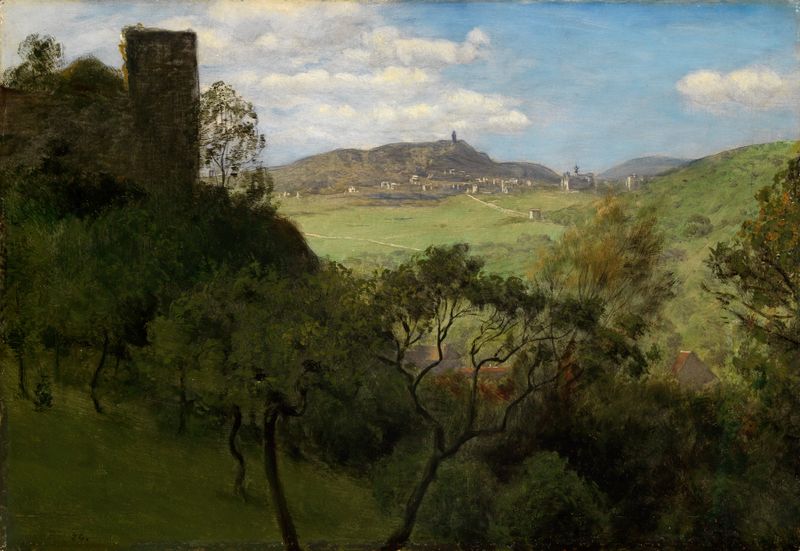
Blick auf Falkenstein im Taunus
Hans Thoma
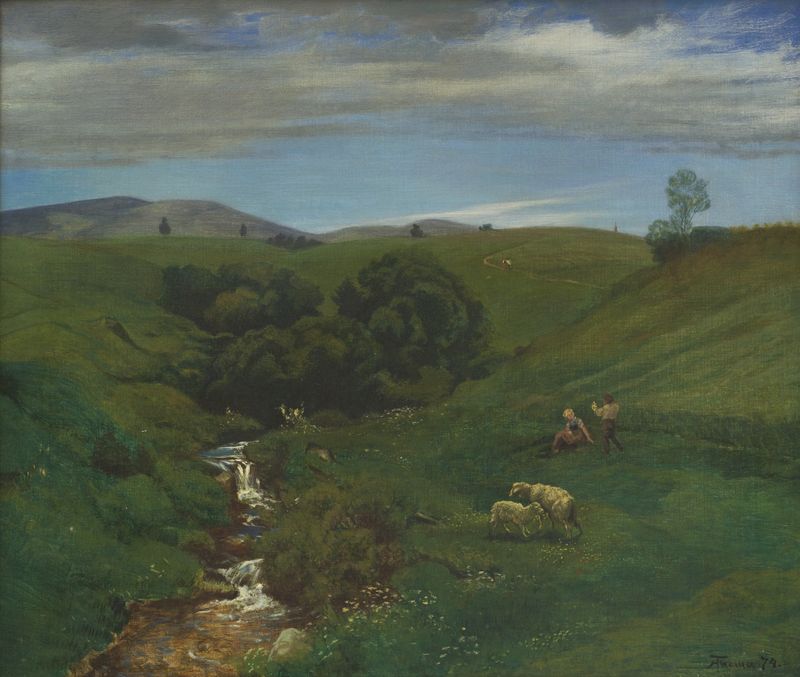
Black Forest Meadow near Bernau
Hans Thoma
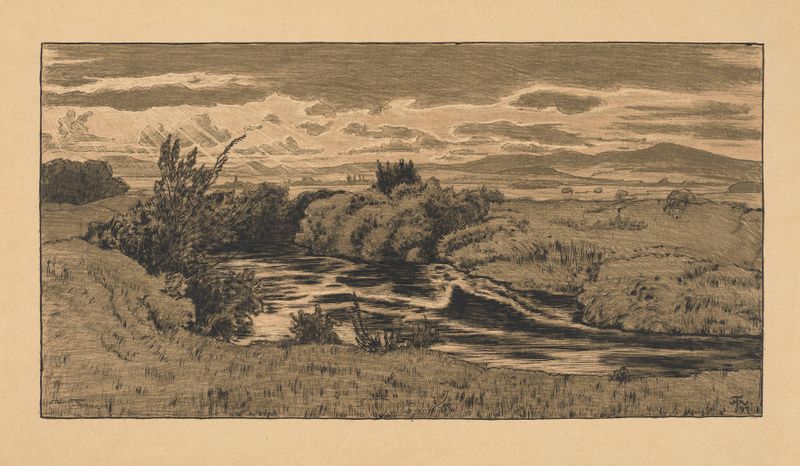
Evening by the Nidda River
Hans Thoma
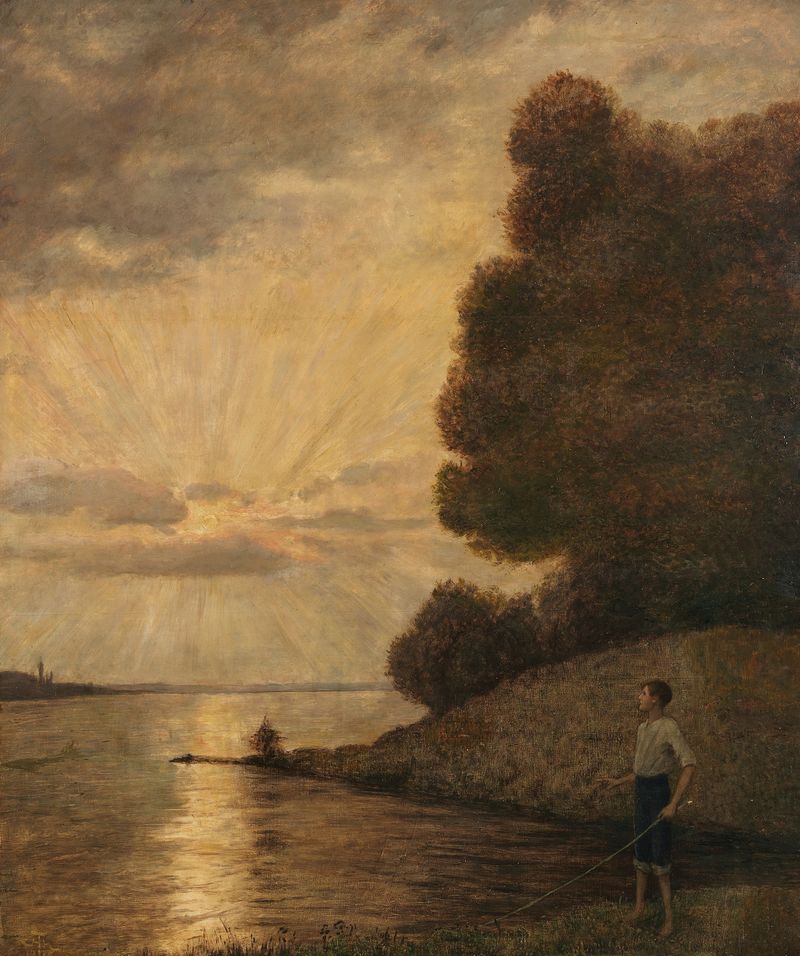
Sonnenuntergang am Oberrhein
Hans Thoma
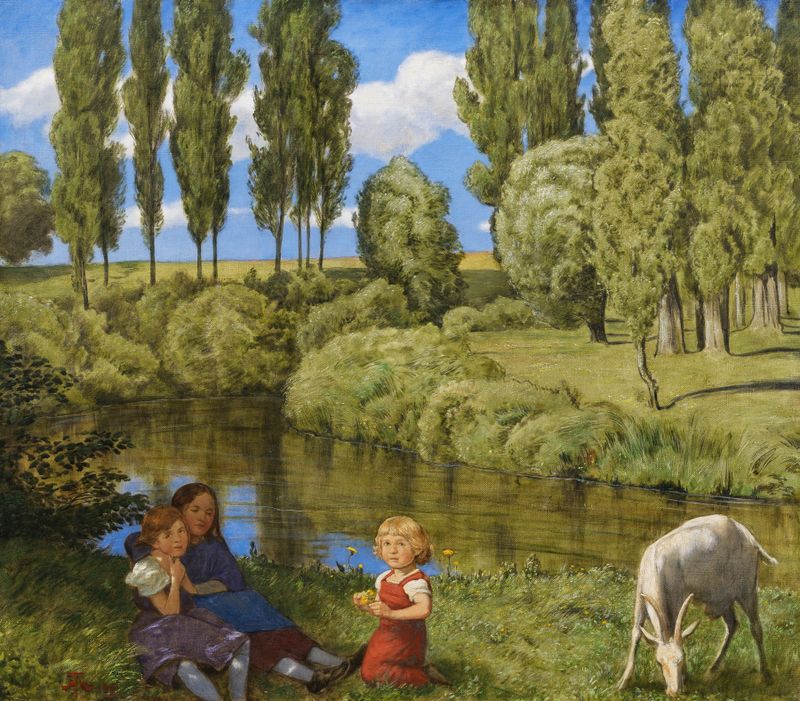
Am Stillen Bach
Hans Thoma
Der Abendstern
Hans Thoma
Das Rheintal bei Säckingen
Hans Thoma





