
Herbsttag am Oberrhein — History & Facts
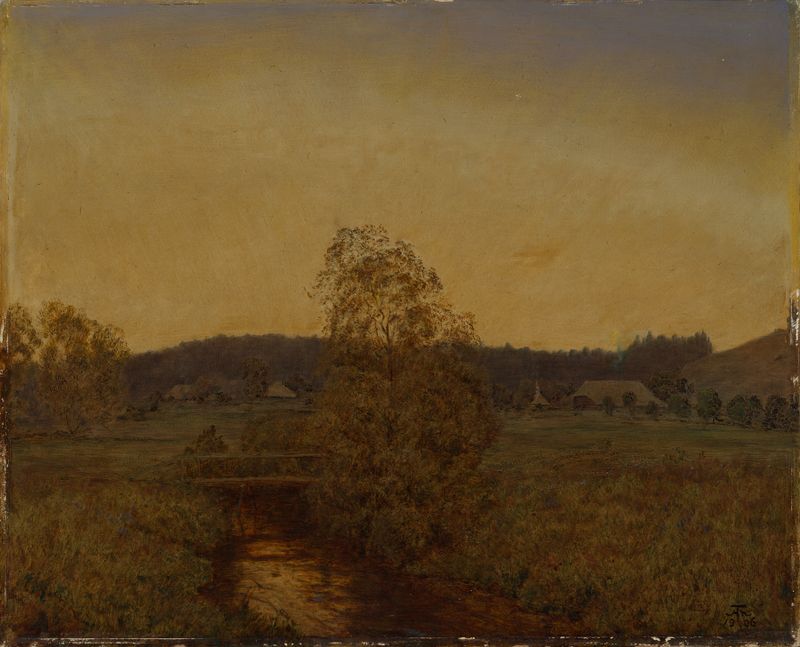
In the delicate pause of silence that follows, we are transported into a realm where nature speaks softly yet profoundly. Each brushstroke becomes a whisper, inviting us to listen closely to the essence of the landscape. Look to the center of the canvas, where the gentle ochres and deep greens converge, creating a harmonious tapestry of autumn’s embrace. Notice how the light filters through the trees, casting intricate patterns on the ground below, illuminating the dance of fallen leaves.
The soft brushwork captures the fleeting beauty of the season, imbuing the scene with a sense of tranquility. Details such as the distant hills and the reflective water enhance the peace, drawing the viewer's eye outward, as if inviting contemplation. Delving deeper, one can sense the contrast between vibrancy and decay inherent in autumn. The warm colors evoke a nostalgia for summer's warmth while hinting at the impending chill of winter.
Each element in the painting embodies a fleeting moment, echoing the impermanence of life itself. This tension between beauty and the inevitability of change resonates deeply, inviting viewers to reflect on their own experiences of transition and stillness. In 1877, the artist was immersed in the Romantic movement, grappling with themes of nature and identity. Living in Germany during a time of political and social upheaval, he sought solace in the landscapes that surrounded him.
This work reflects both personal introspection and a broader artistic exploration of the relationship between humanity and the natural world, capturing a moment of serene contemplation amidst a chaotic era.
More Artworks by Hans Thoma
Browse all →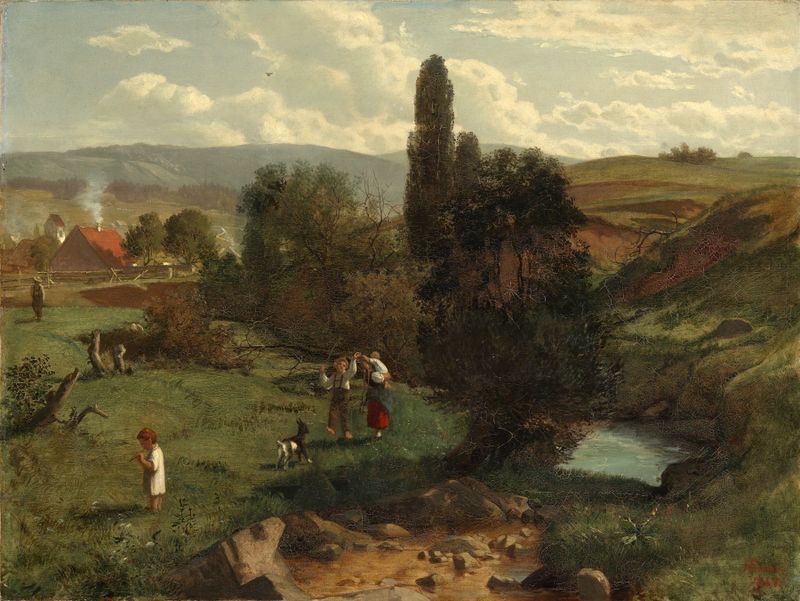
Schwarzwaldlandschaft
Hans Thoma
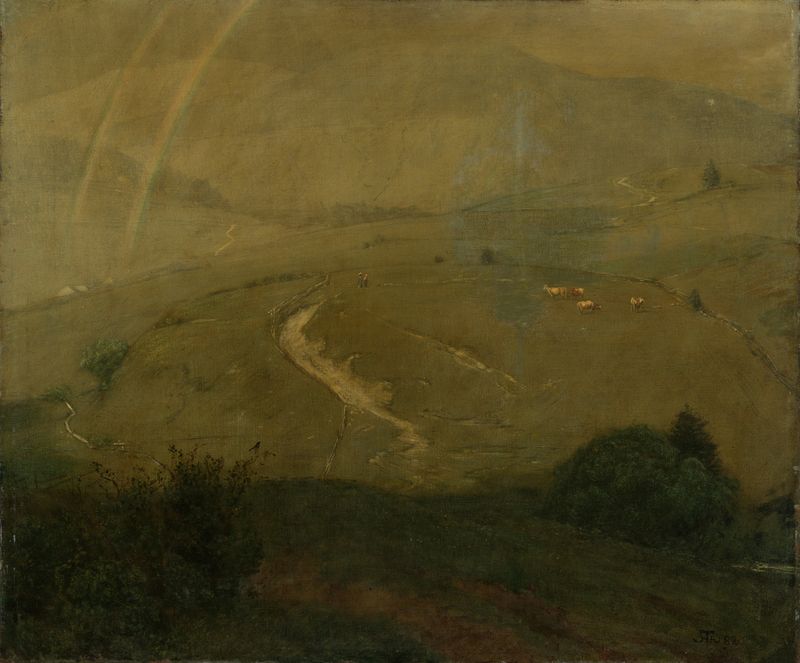
Regen im Schwarzwald
Hans Thoma
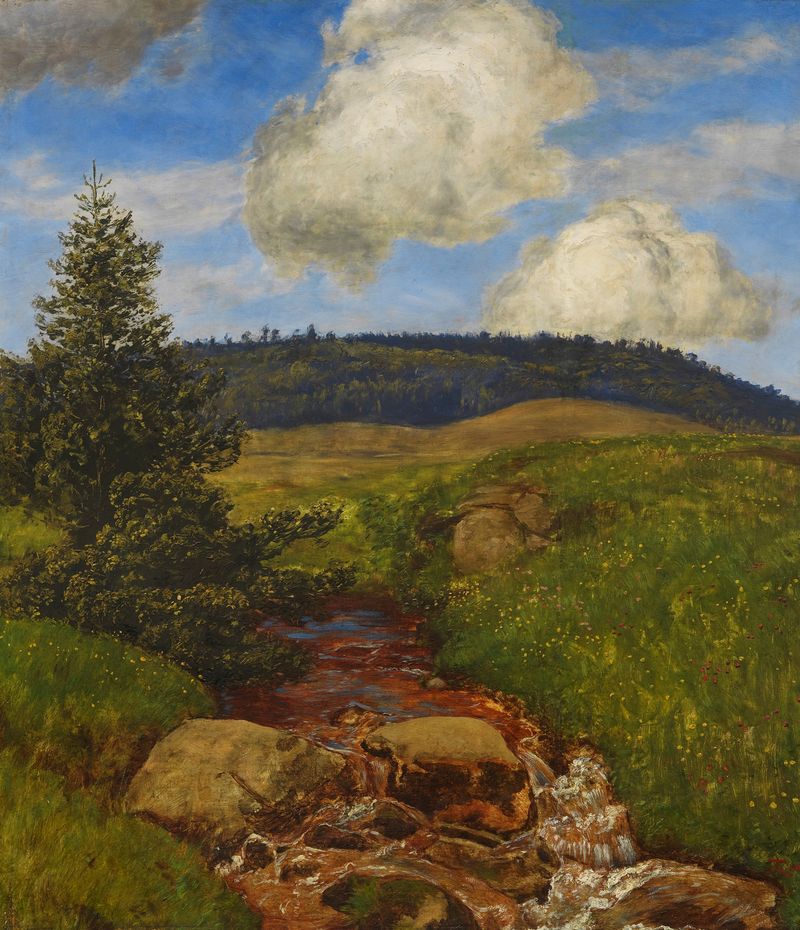
Schwarzwaldbach
Hans Thoma
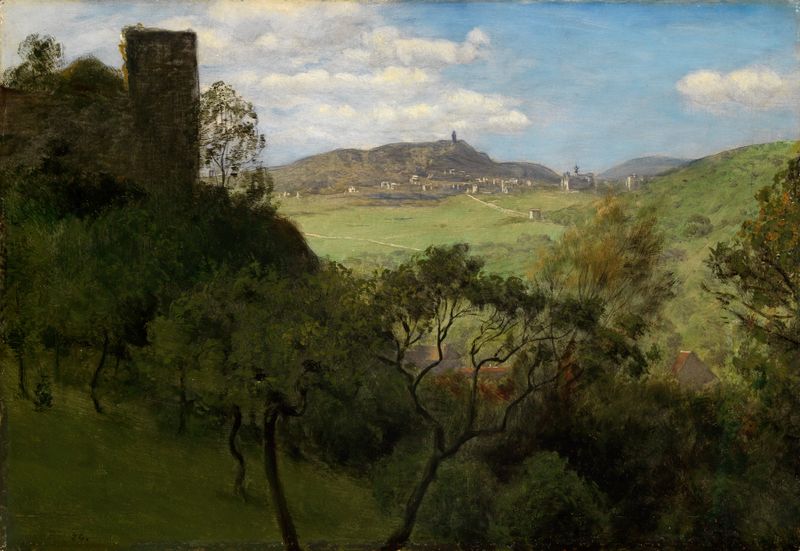
Blick auf Falkenstein im Taunus
Hans Thoma
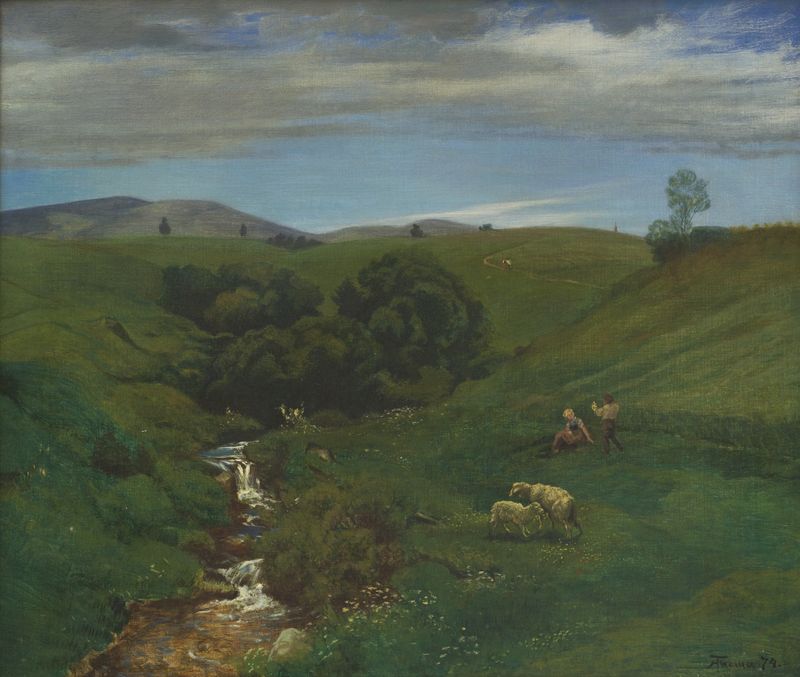
Black Forest Meadow near Bernau
Hans Thoma
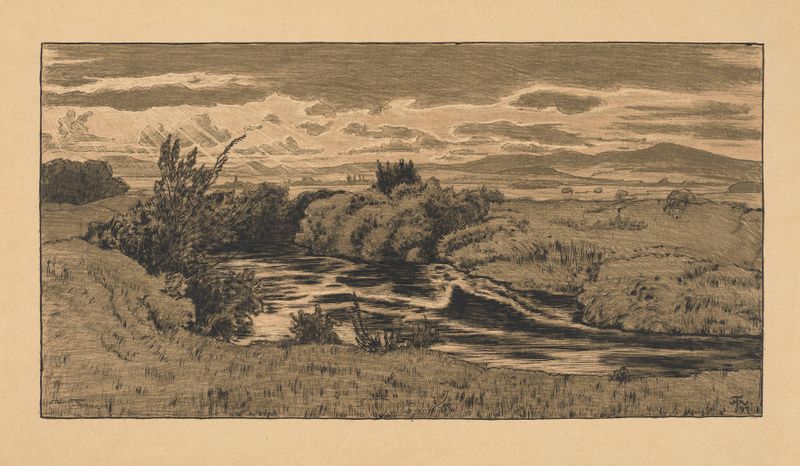
Evening by the Nidda River
Hans Thoma
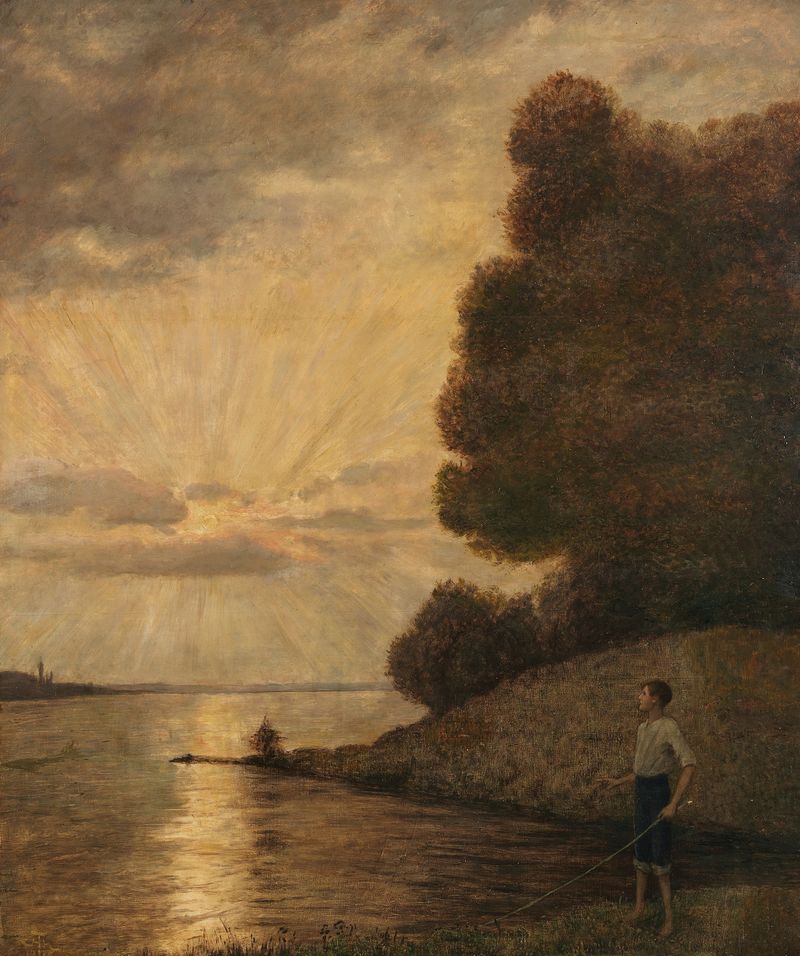
Sonnenuntergang am Oberrhein
Hans Thoma
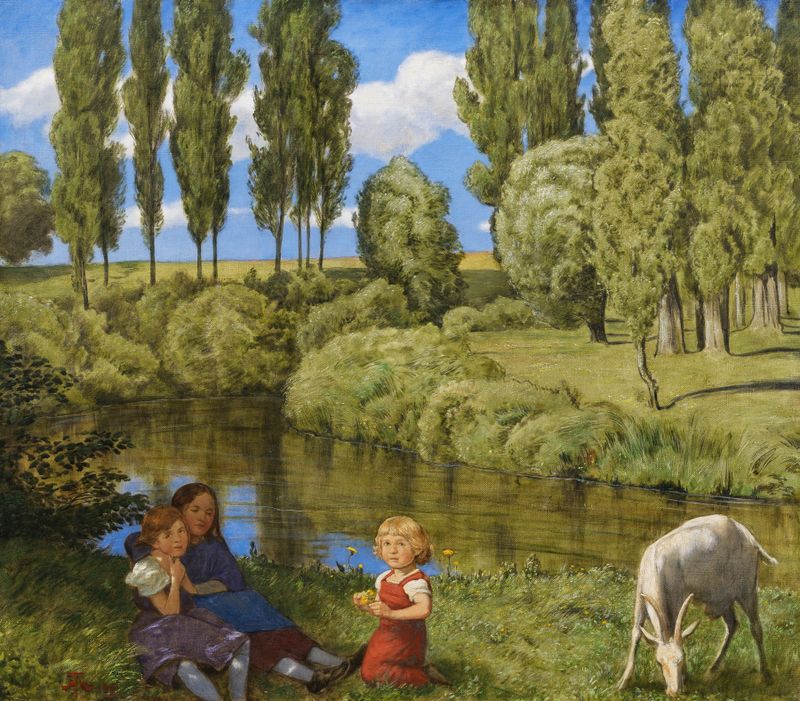
Am Stillen Bach
Hans Thoma
Der Abendstern
Hans Thoma
Das Rheintal bei Säckingen
Hans Thoma





