Discover insights about this artwork
Hermaphrodite — History & Facts
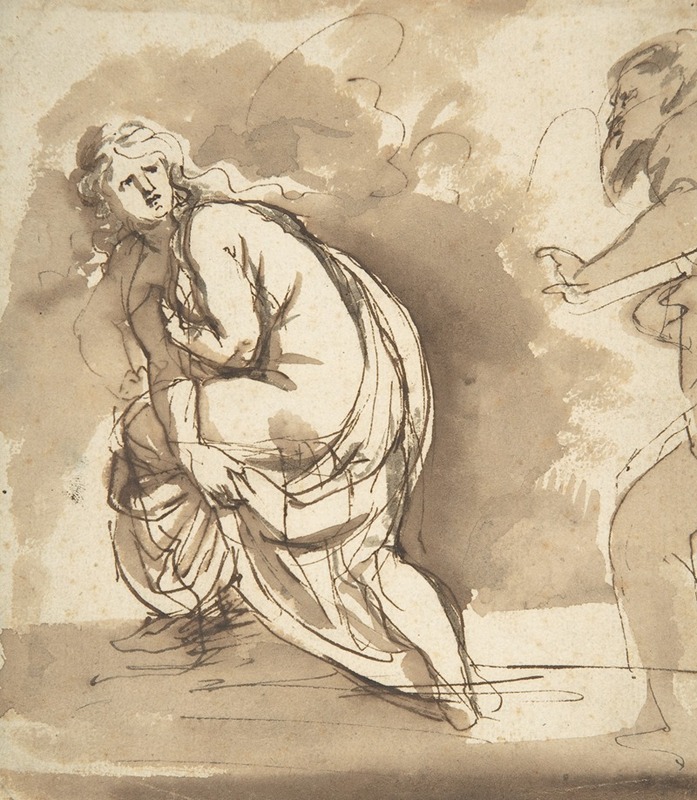
In Hermaphrodite, Peter Paul Rubens presents a striking figure that embodies both male and female characteristics. The painting features rich colors, with warm skin tones contrasting against a dark background. The figure is draped in flowing fabrics that enhance the sense of movement and sensuality.
This composition invites viewers to contemplate the duality of gender and identity. The painting is executed in oil on canvas, a medium that allows for vibrant color and texture. Rubens' technique is evident in the soft blending of skin tones and the dynamic play of light and shadow. The figure is depicted with intricate details, from the delicate features to the ornate drapery.
This attention to detail is characteristic of Rubens' Baroque style, emphasizing realism and emotional depth. Peter Paul Rubens was a prominent Baroque artist known for his dynamic compositions and vivid colors. 'Hermaphrodite' reflects the artist's interest in mythology and the exploration of human form. An interesting fact about this work is that it challenges traditional gender norms, making it a significant piece in discussions of gender identity in art history.
Rubens' ability to blend sensuality with philosophical inquiry sets this painting apart.
More Artworks by Peter Paul Rubens
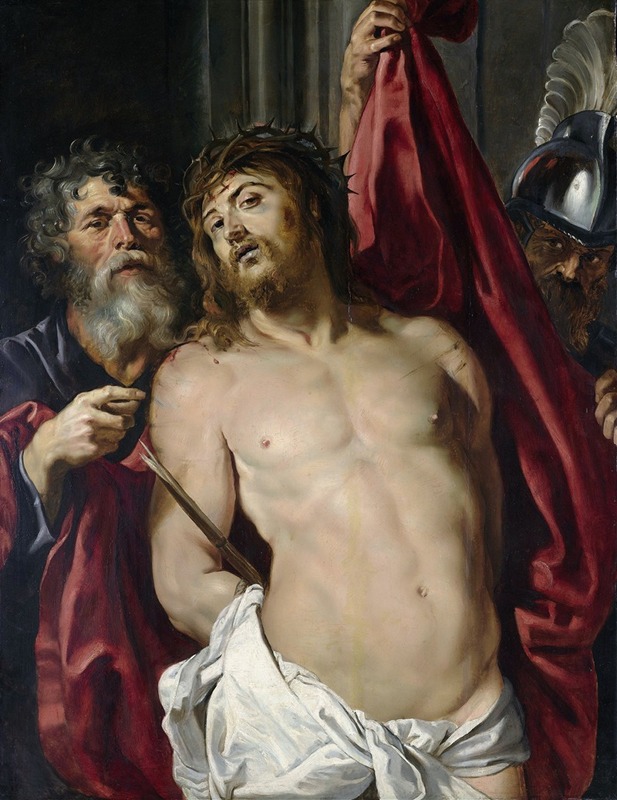
Ecce homo
Peter Paul Rubens
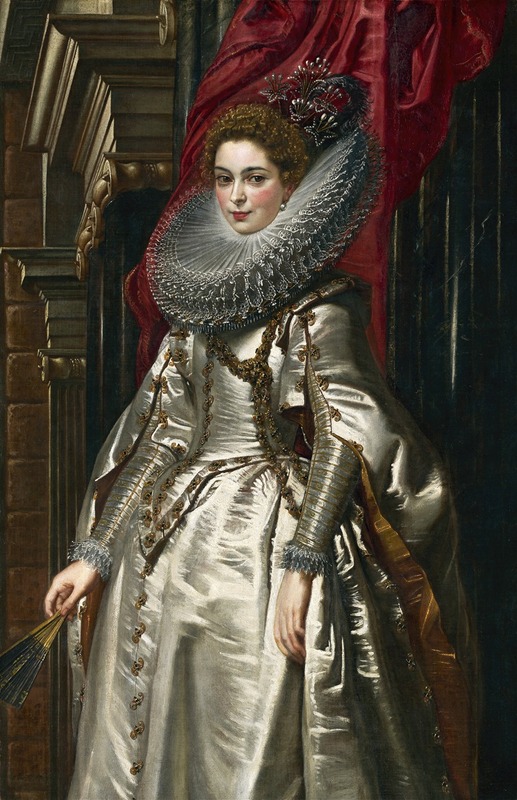
Marchesa Brigida Spinola Doria
Peter Paul Rubens
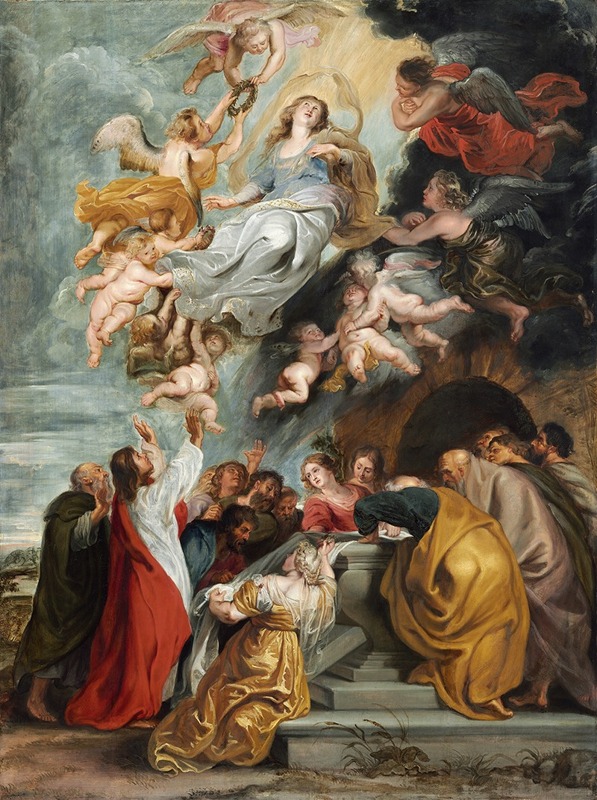
The Assumption of the Virgin
Peter Paul Rubens

Saint Teresa of Ávila Interceding for Souls in Purgatory
Peter Paul Rubens
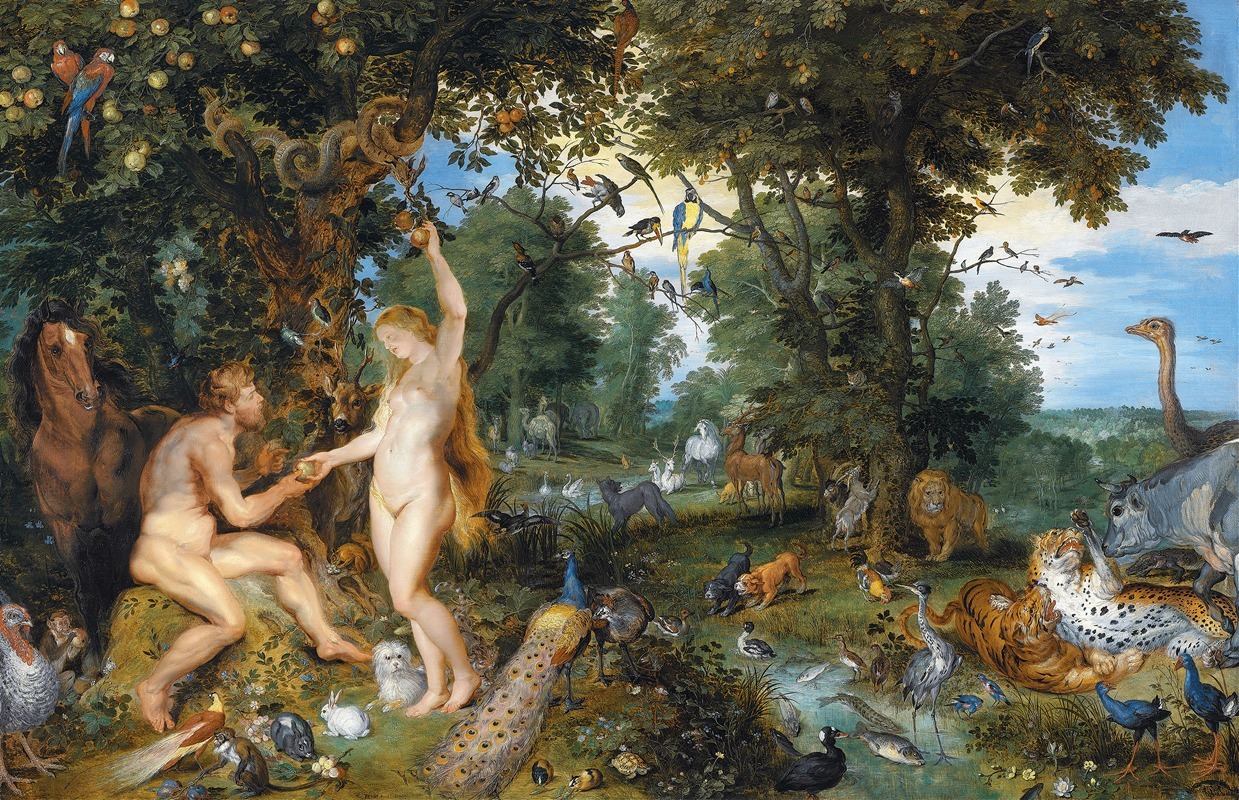
The Garden of Eden with the Fall of Man
Peter Paul Rubens
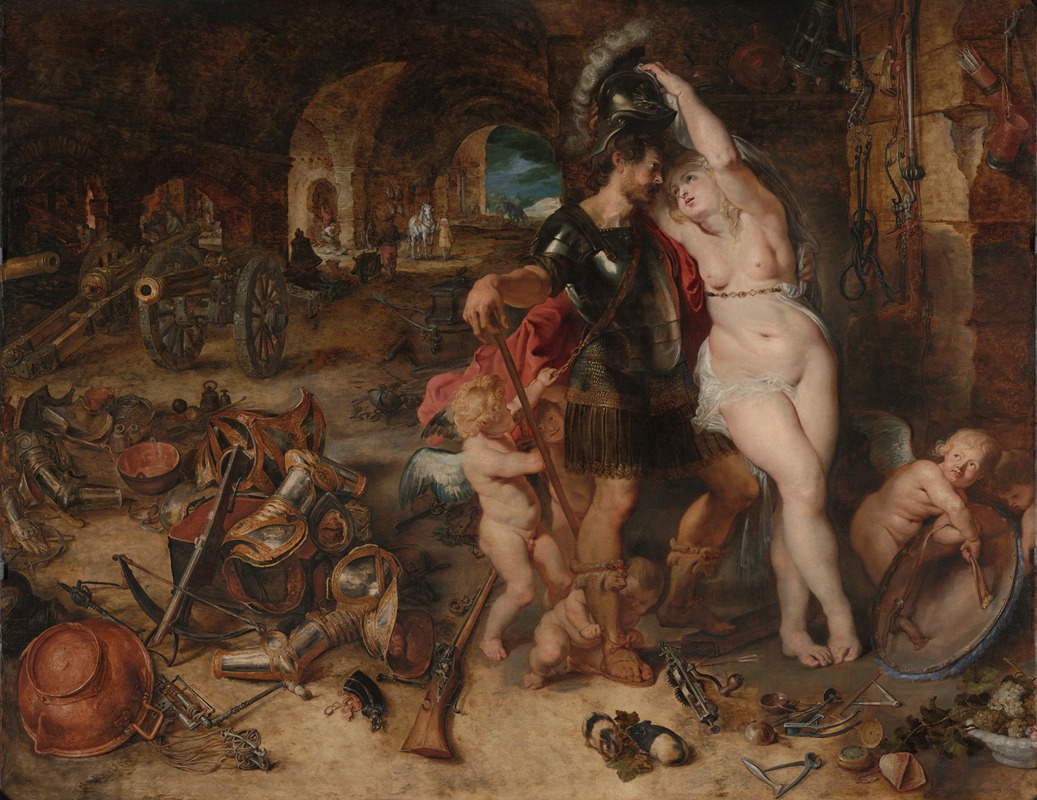
The Return From War,Mars Disarmed By Venus
Peter Paul Rubens
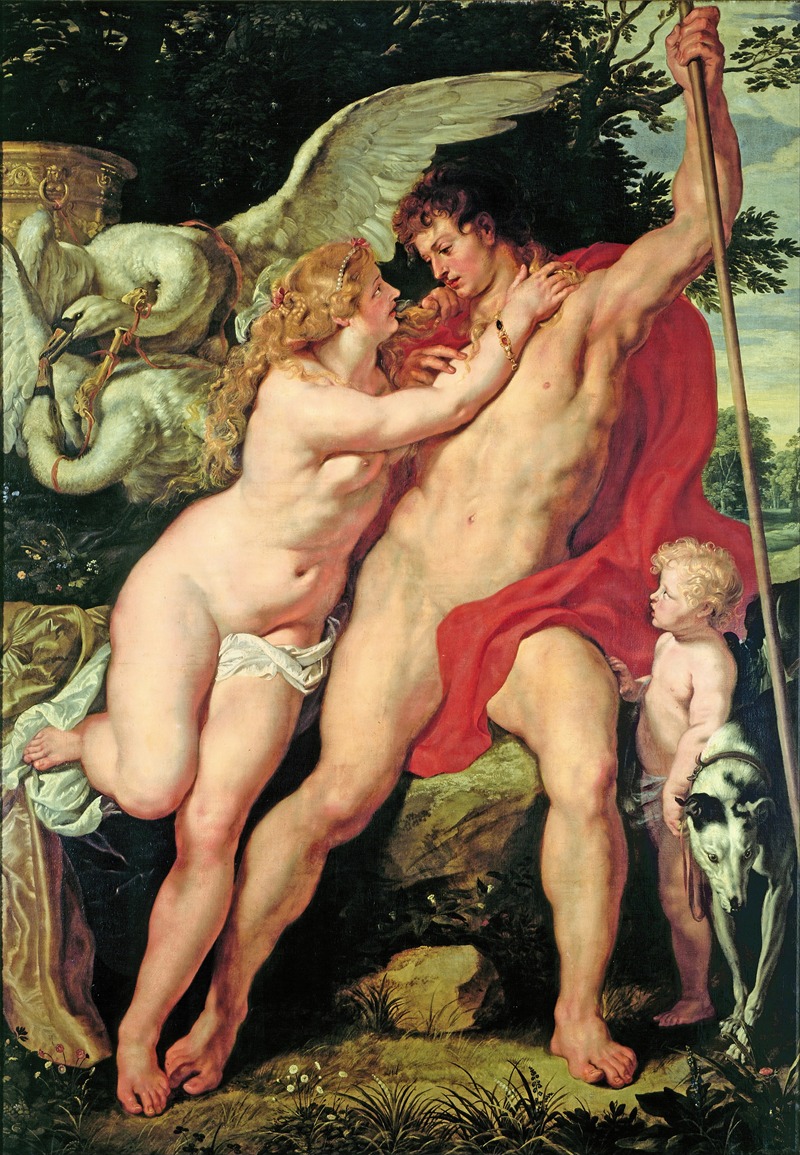
Venus and Adonis
Peter Paul Rubens
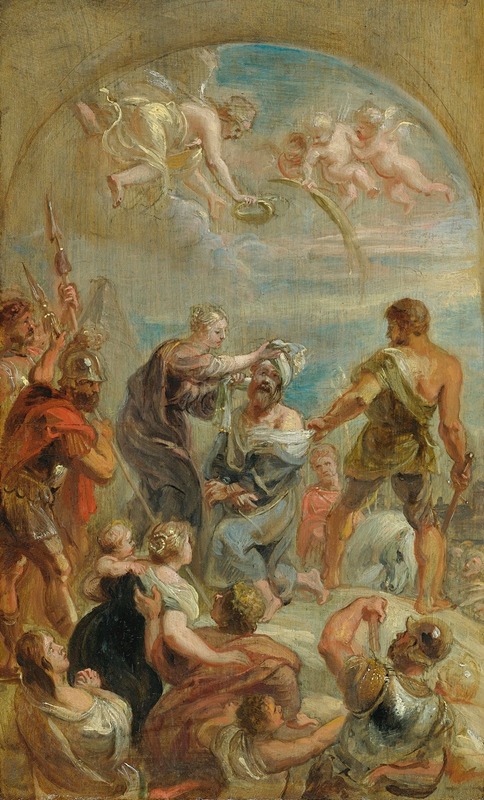
The Martyrdom Of Saint Paul
Peter Paul Rubens
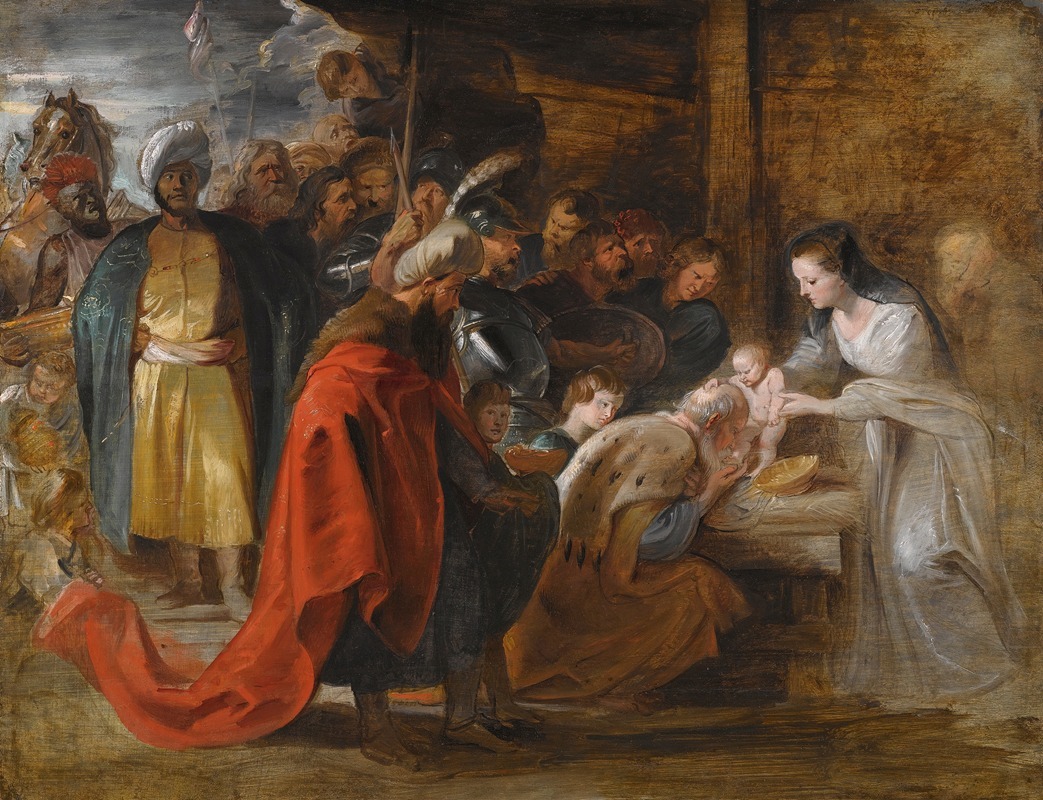
The Adoration Of The Magi
Peter Paul Rubens
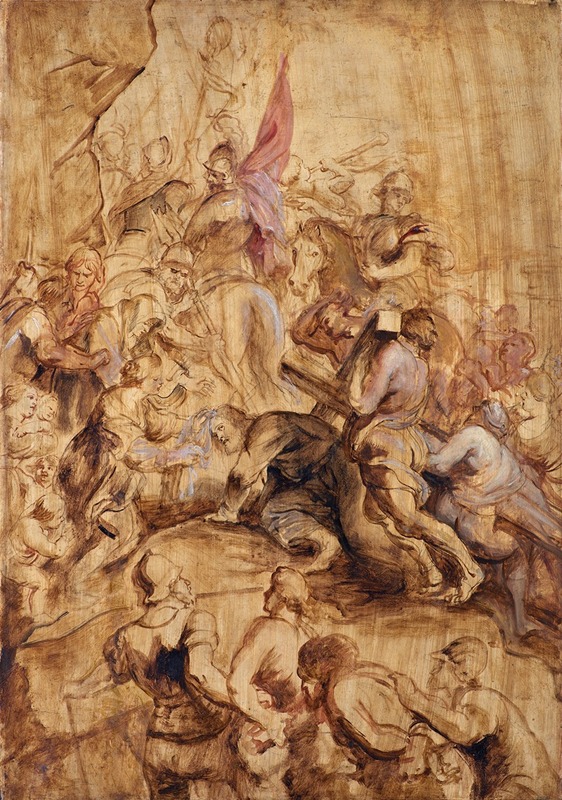
The Ascent to Calvary. The Bearing of the Cross
Peter Paul Rubens