Herstmonceux Castle, East Sussex: The Kitchen — History & Facts
Could beauty survive in a century of chaos? In the heart of Herstmonceux Castle's kitchen, remnants of a past life linger, whispering of both sustenance and sorrow. Focus on the left side of the canvas, where the sun streams through a window, casting a warm glow across the rustic wooden table. Notice how the shadows dance behind the gargantuan stone fireplace, its aged surface a testament to countless meals shared and memories forged. The palette, rich with earthy tones, invites the viewer to feel the weight of history, each brushstroke adding depth to a space that once pulsed with life. Yet, amidst the vibrancy of the kitchen's details—an array of utensils and overlooked ingredients—an emotional tension brews.
The stillness hints at absence; one can almost hear the echoes of laughter and the clinking of pots now faded into silence. This contrast between the kitchen's vibrance and the profound sense of loss evokes a poignant reflection on change, urging us to confront the grief that shadows beauty. James Lambert, painting in the late 18th century, was situated in an era marked by both artistic exploration and the turbulence of societal shifts. As a local artist based in Lewes, his works sought to capture the essence of his surroundings, with Herstmonceux Castle serving as a timeless reminder of heritage amidst an evolving world.
The tranquil kitchen scene, layered with history, encapsulates a moment of both celebration and mourning, preserving the past in a fleeting, chaotic present.
More Artworks by James Lambert of Lewes
Browse all →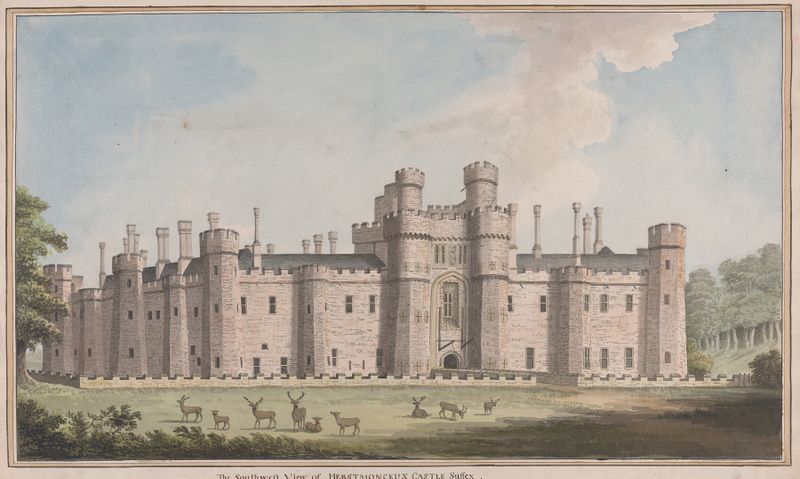
Herstmonceux Castle, East Sussex: South West View
James Lambert of Lewes
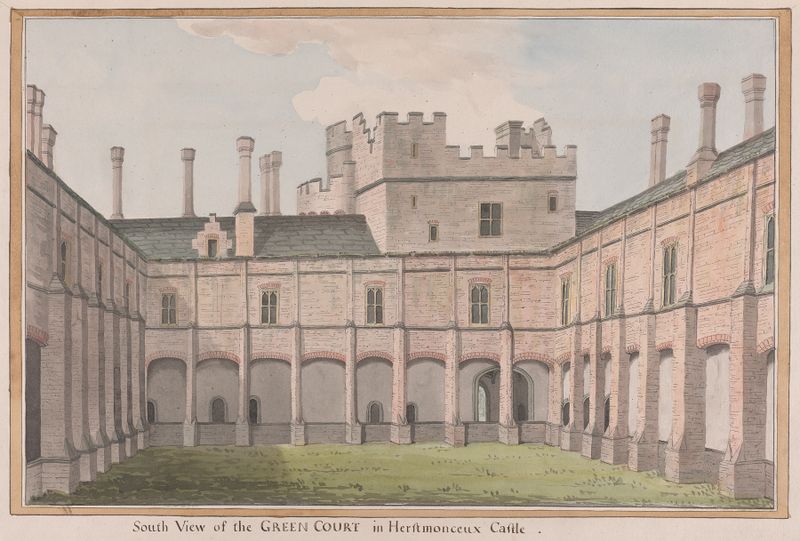
Herstmonceux Castle, East Sussex: South View of the Green Court
James Lambert of Lewes
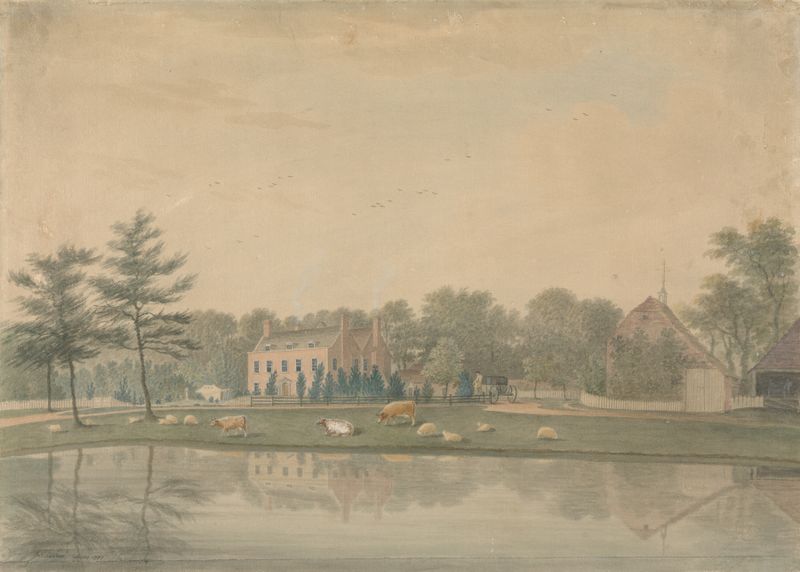
North East View of a House at Ringmer with Cattle and Sheep by a Pond
James Lambert of Lewes
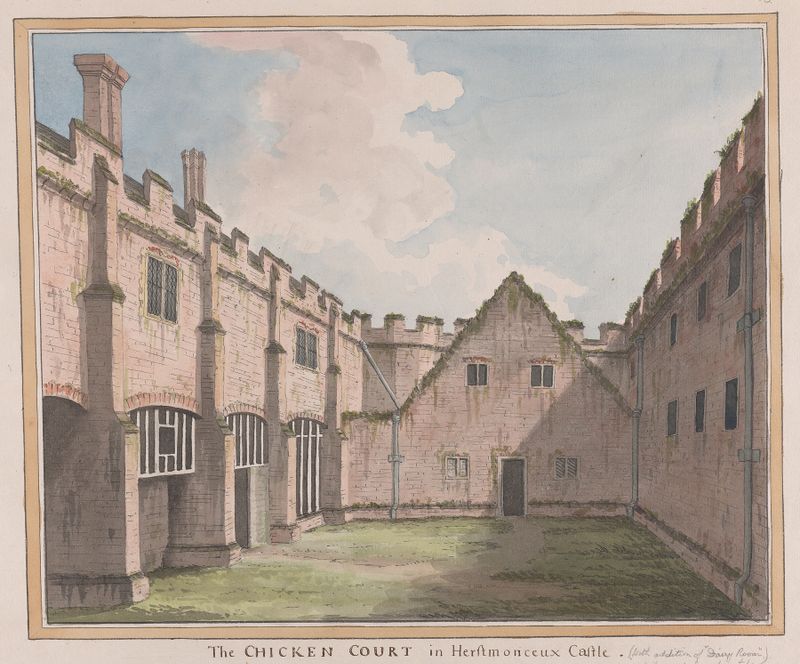
Herstmonceux Castle, East Sussex: The Chicken Court.
James Lambert of Lewes
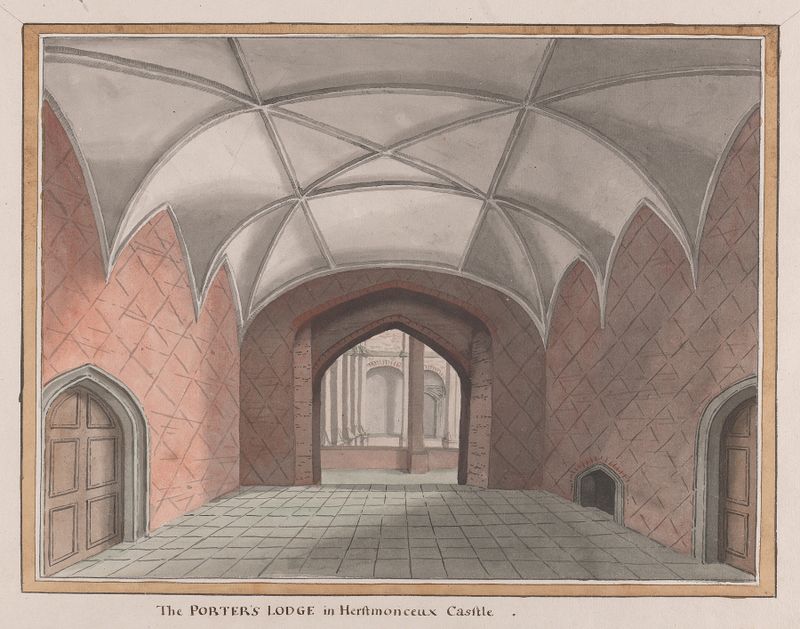
Herstmonceux Castle, East Sussex: The Porter’s Lodge
James Lambert of Lewes
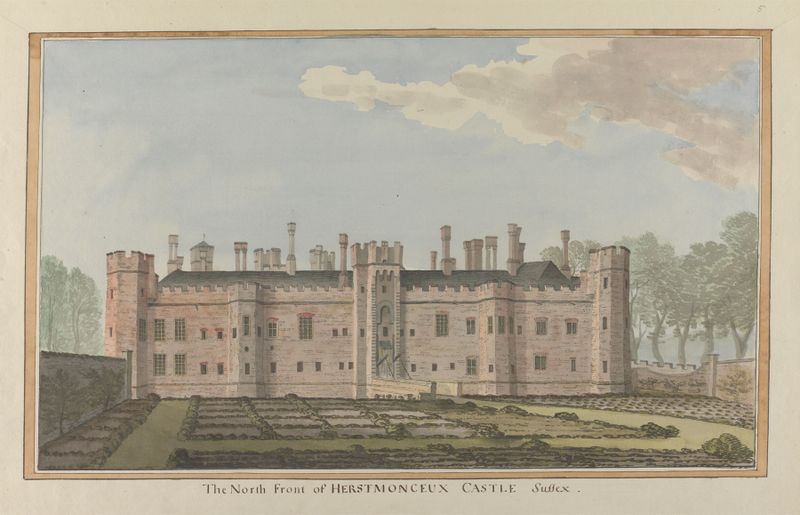
Herstmonceux Castle, East Sussex: The North Front
James Lambert of Lewes
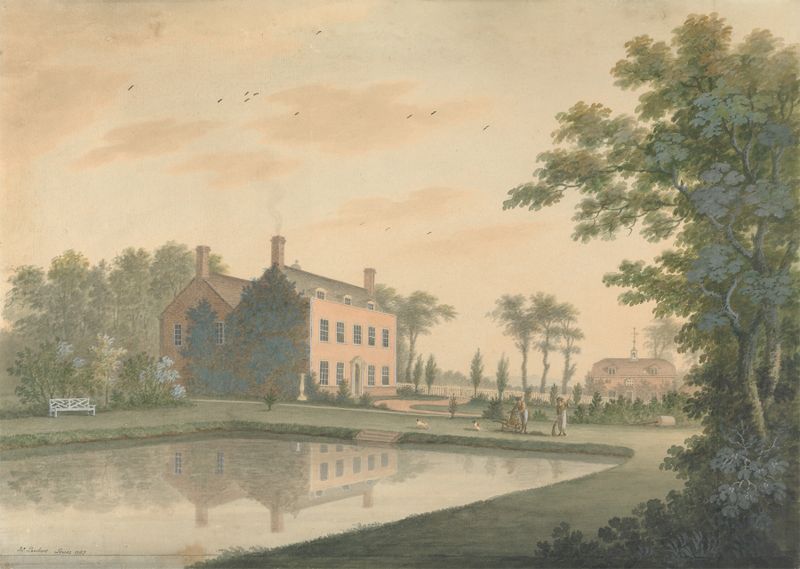
South View of a House at Ringmer with Gardeners at Work
James Lambert of Lewes
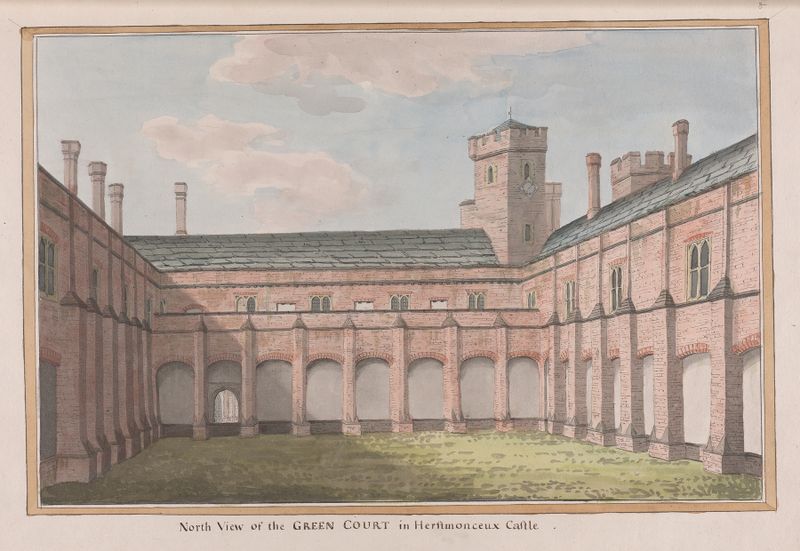
Herstmonceux Castle, East Sussex: North View of the Green Court
James Lambert of Lewes
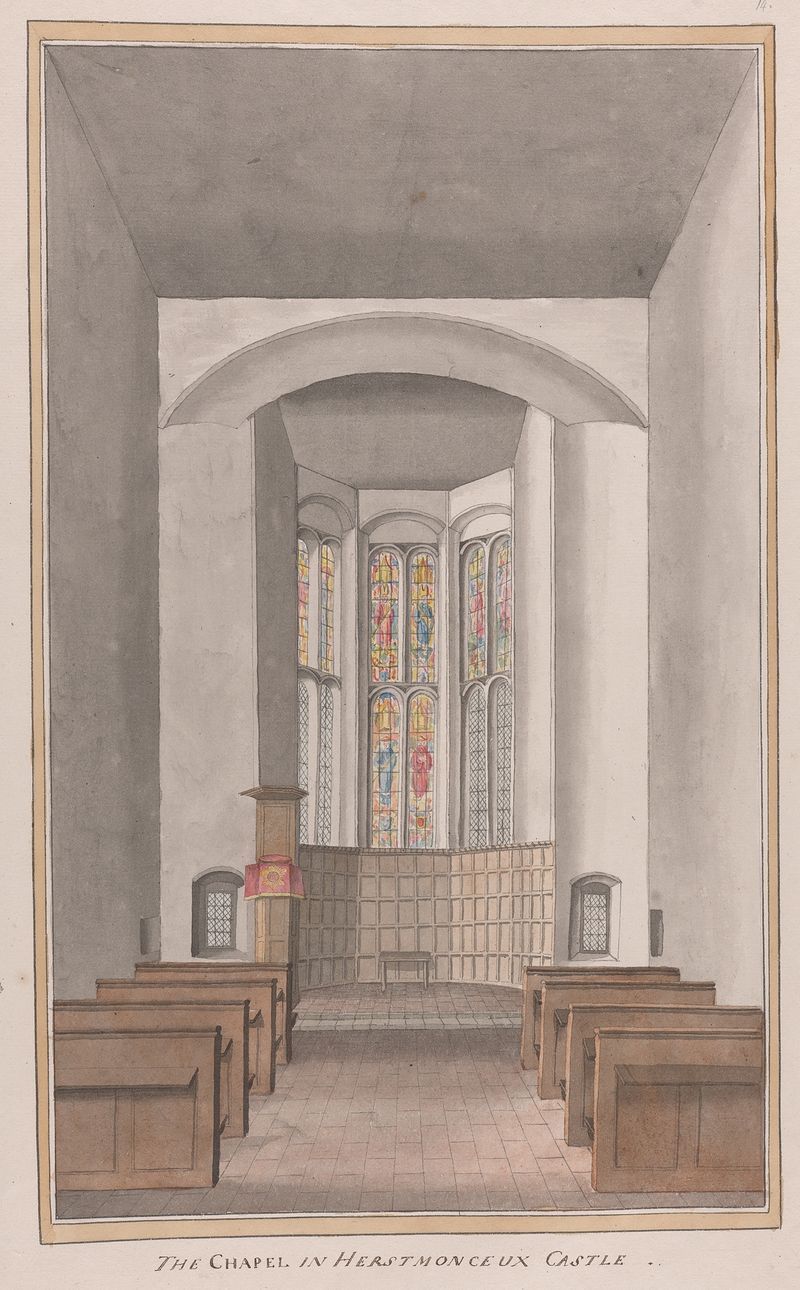
Herstmonceux Castle, East Sussex: The Chapel
James Lambert of Lewes
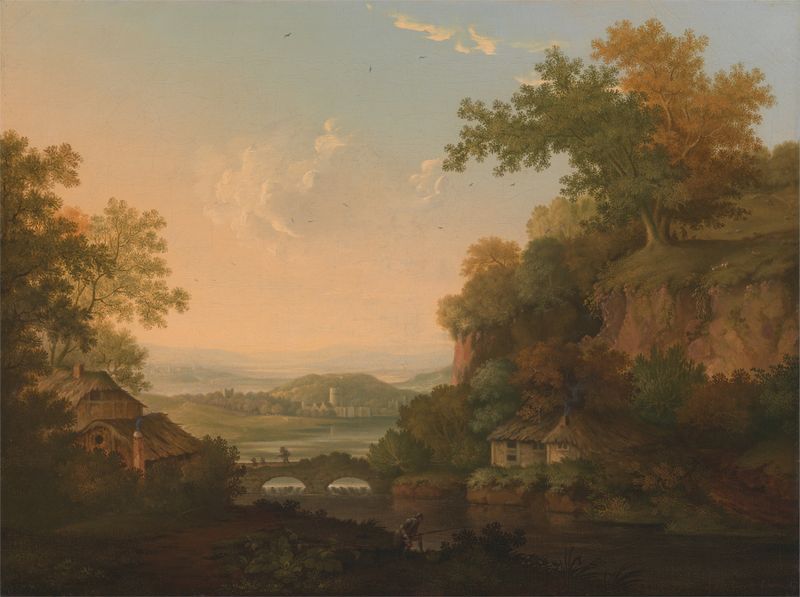
A River Scene with Thatched Huts by a Bridge over a Weir
James Lambert of Lewes