
Rue d’Enghien, Paris — History & Facts
Who listens when art speaks of silence? In Rue d’Enghien, Paris, a haunting whisper of truth resonates through the muted colors and empty streets, inviting the viewer to delve into the depths of urban solitude. Look to the foreground, where the cobblestone path meanders into the distance, flanked by shadowy buildings that loom like forgotten memories. The soft play of light catches the edges of the architecture, transforming the mundane into something ethereal. Notice the delicate brushwork that captures the stillness of the moment; each stroke evokes a sense of lingering anticipation, as if the quiet street is poised to reveal its secrets at any moment. Beneath the surface of this serene scene lies a poignant contrast between the vibrancy of city life and the absence of human presence.
The interplay of light and shadow suggests that while the architecture may embody stories of bustling lives, the stillness hints at solitude and longing. The shimmering reflections in the puddles evoke fleeting moments, reminding us of transience—the inevitable passing of time in a world filled with unvoiced truths. Created between 1911 and 1931, this artwork emerged during a period of significant transformation in both Paris and the art world. Hendriks captured the essence of a city grappling with modernity, where the beauty of urban life coexisted with an undercurrent of isolation.
Amidst the vibrancy of the avant-garde movements, he offered a contemplative response—one that resonated with the complexities of existence in a rapidly changing society.
More Artworks by Arend Hendriks
Browse all →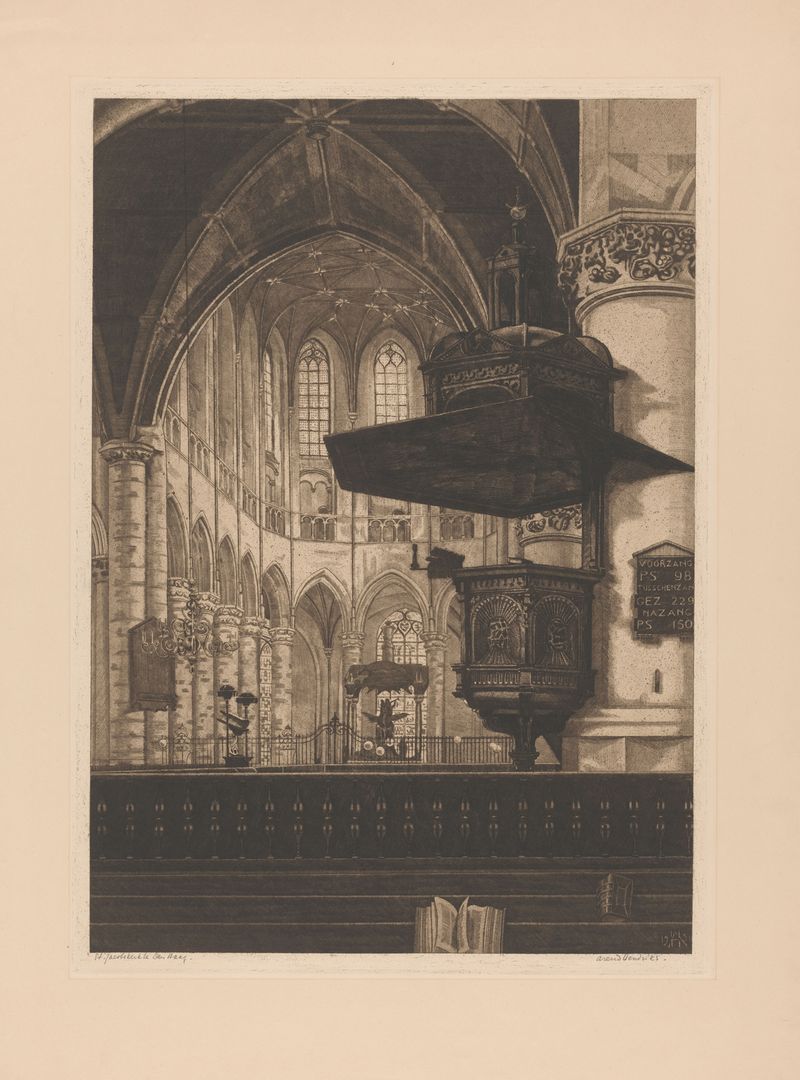
St. Jacobskerk te Den Haag
Arend Hendriks

Landschap met bloemen
Arend Hendriks
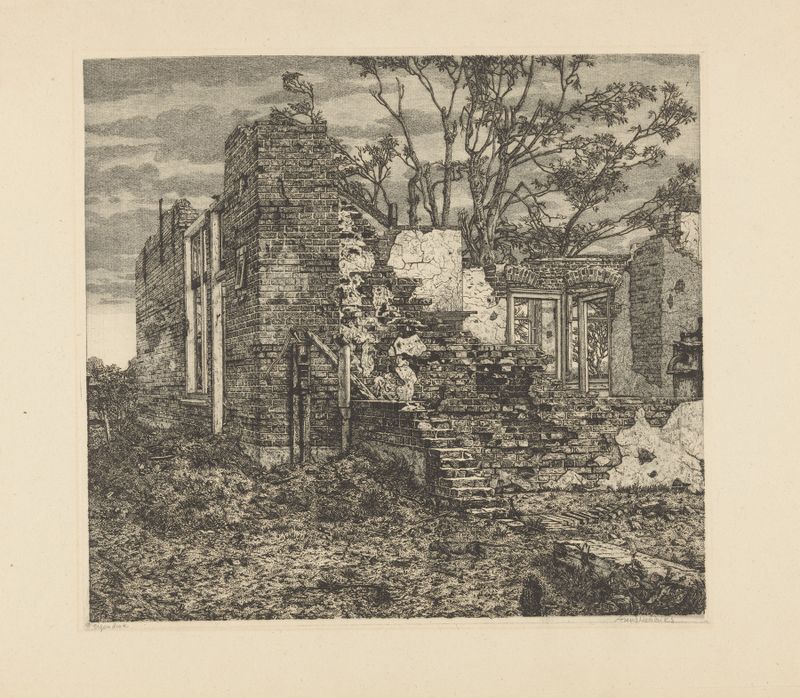
Ruïne van een huis
Arend Hendriks
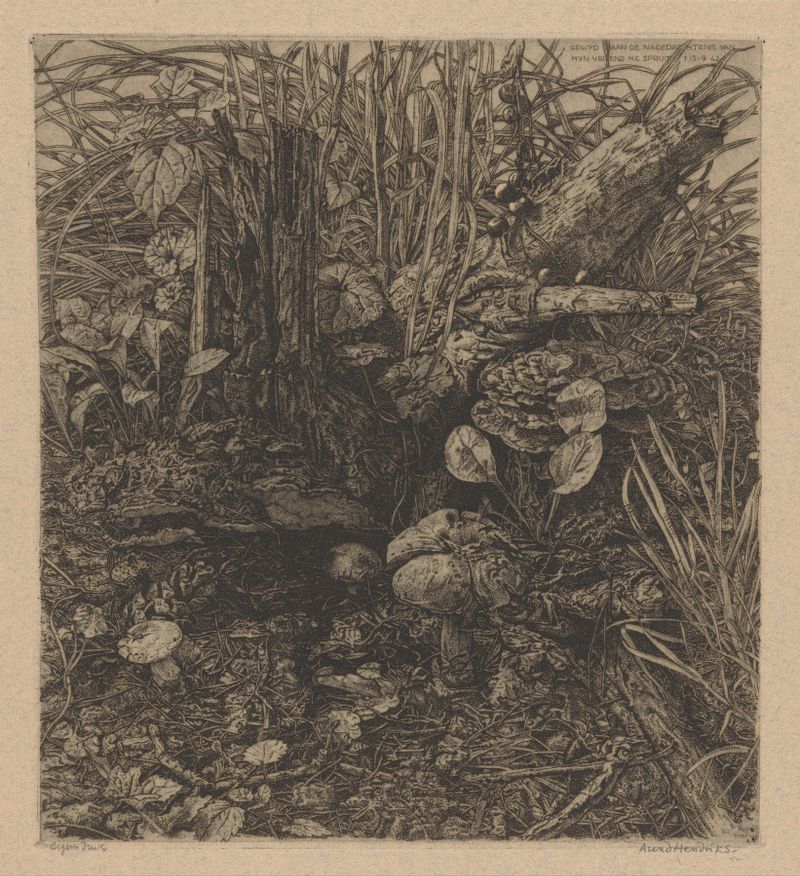
Paddenstoelen bij een boomstronk
Arend Hendriks

Gezicht op Huis ten Bosch, RP-P-2014-83-65
Arend Hendriks
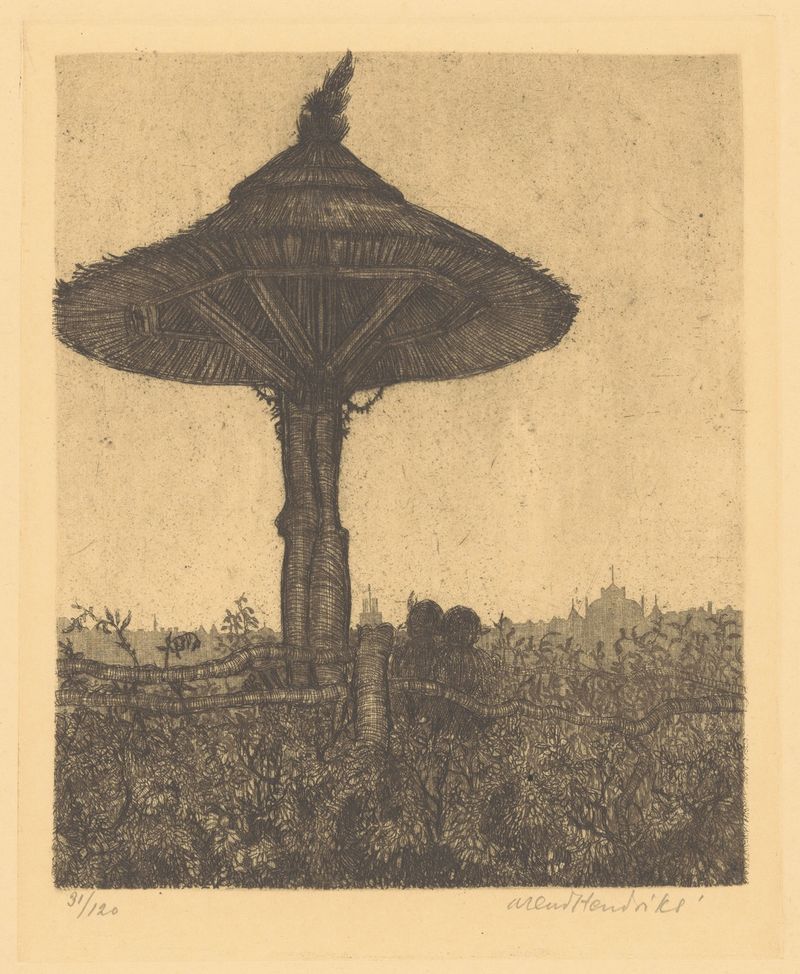
De paraplu
Arend Hendriks
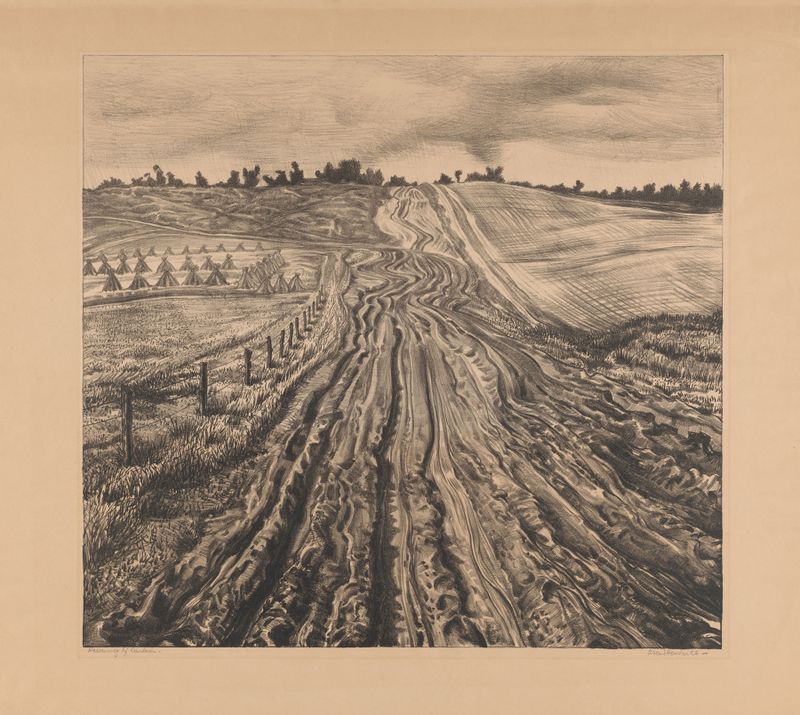
Hessenweg bij Lunteren
Arend Hendriks
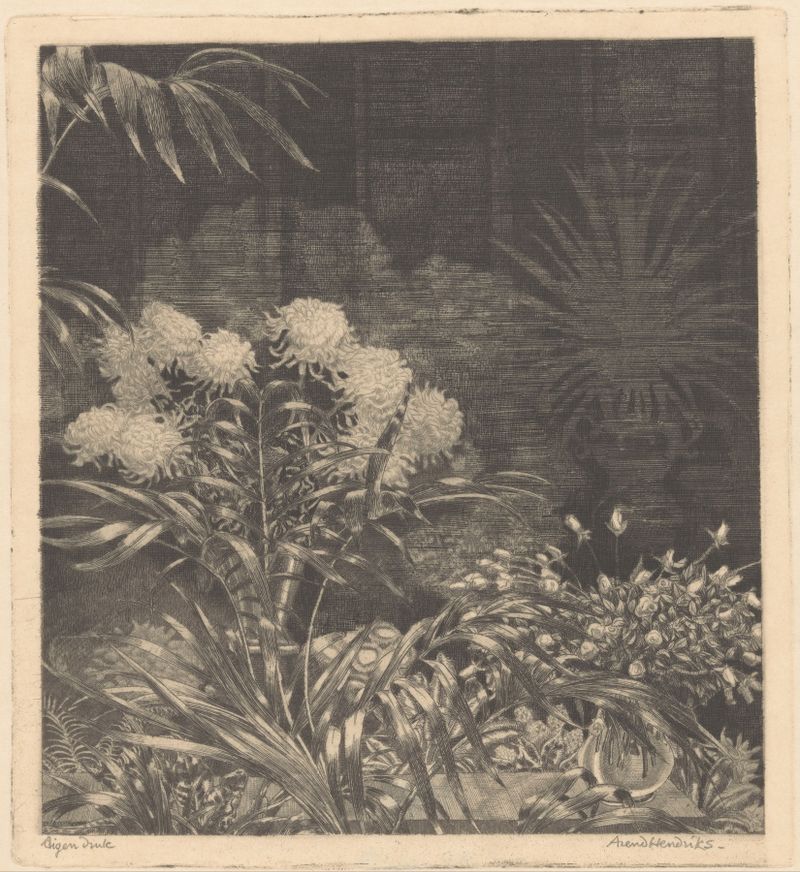
Interieur met bloemen in vazen en planten in potten
Arend Hendriks
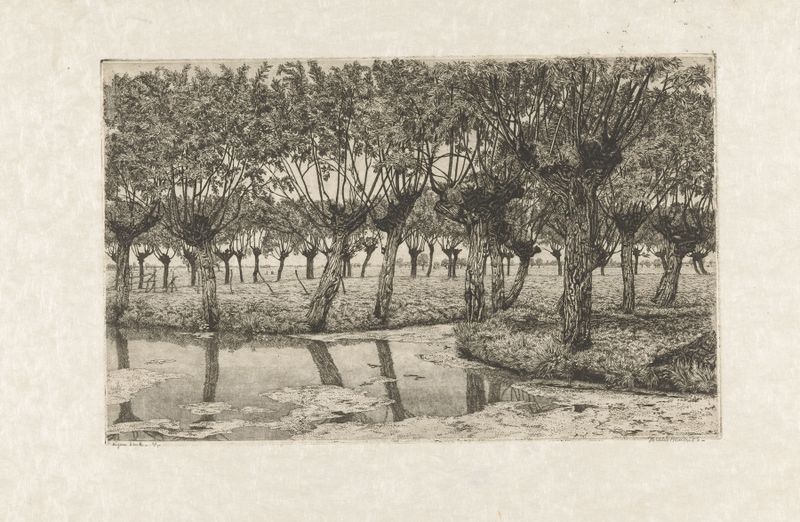
Polderlandschap met knotwilgen
Arend Hendriks
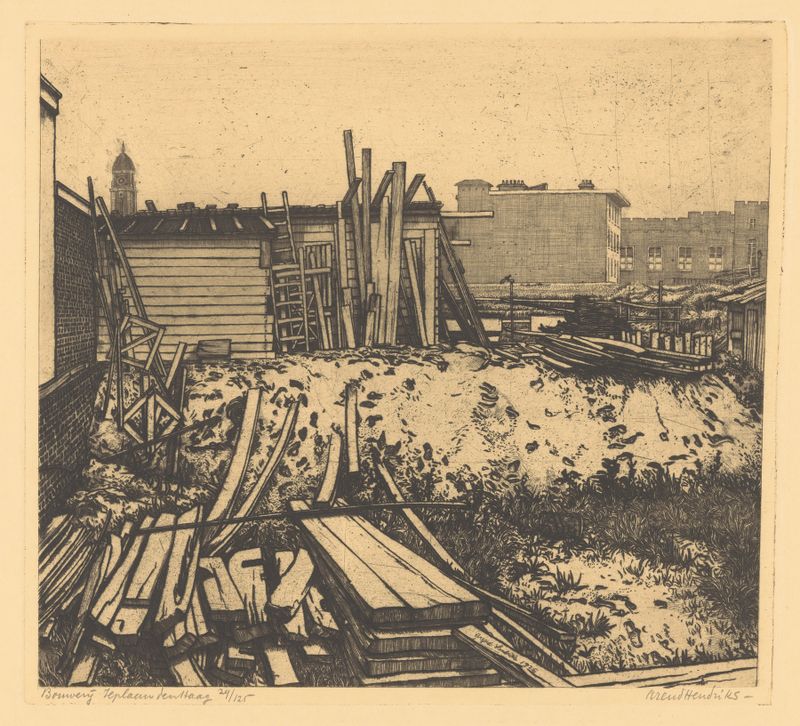
Bouwerij, Ieplaan, Den Haag
Arend Hendriks





