Het Huis Rooderloo bij Ruurlo — History & Analysis
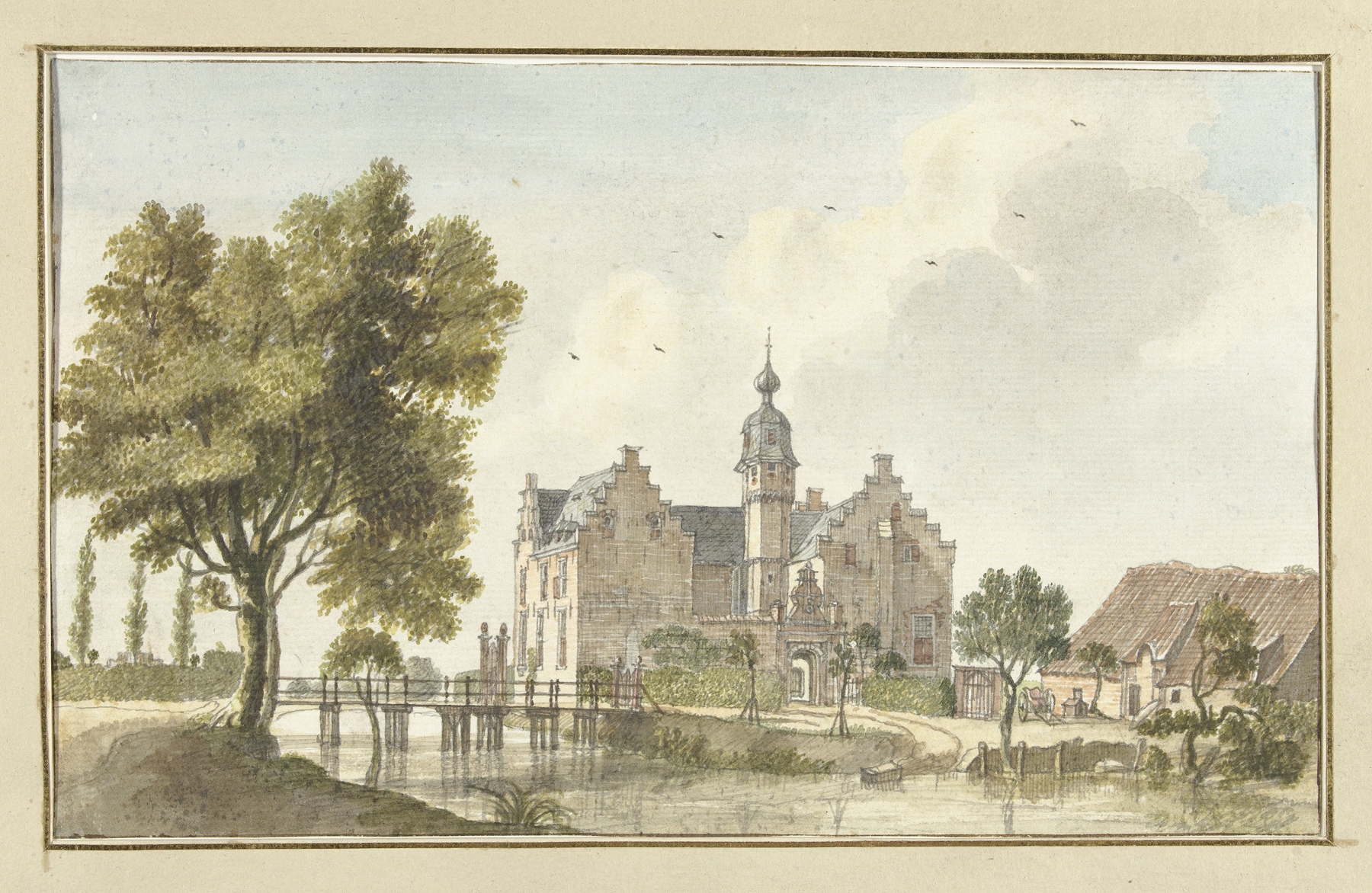
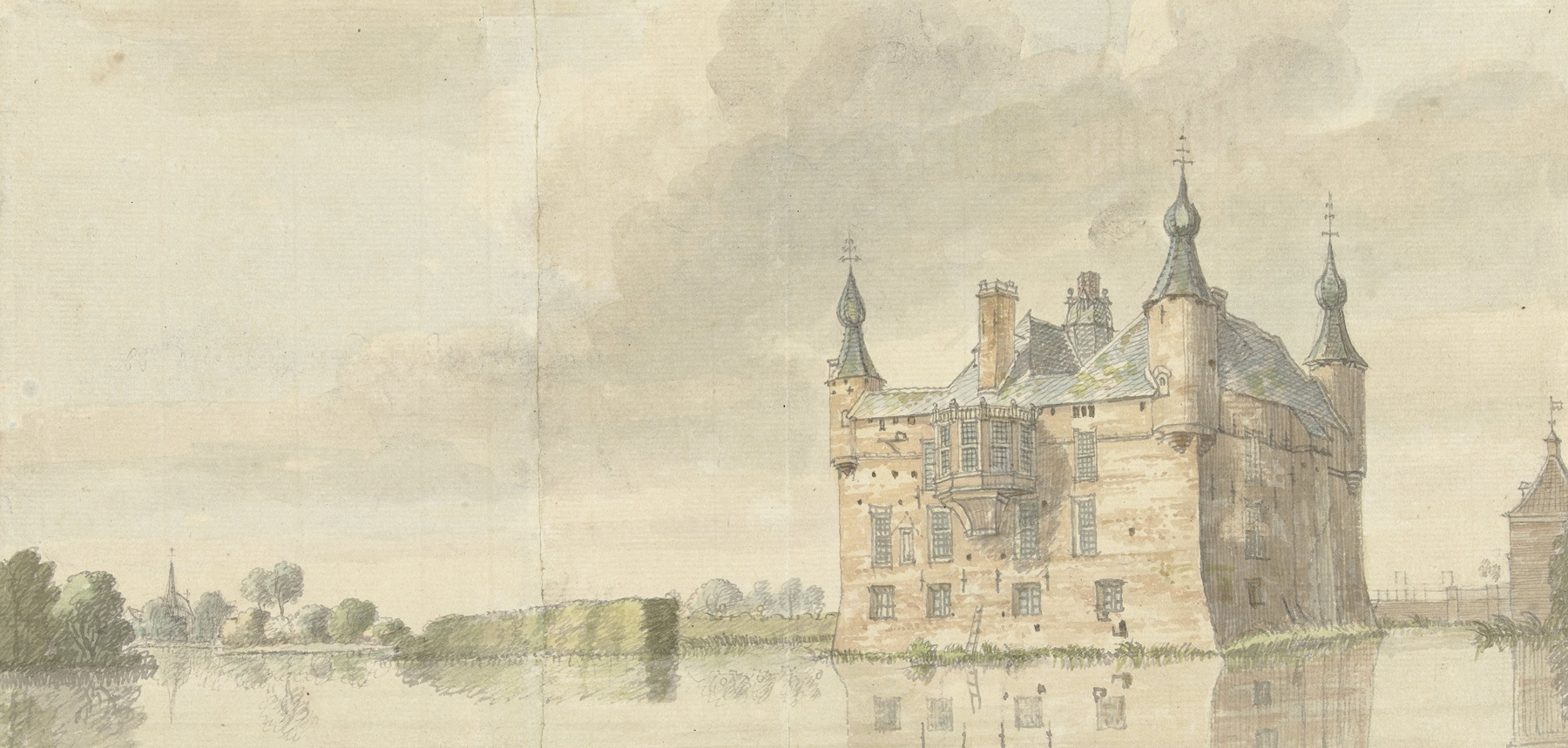
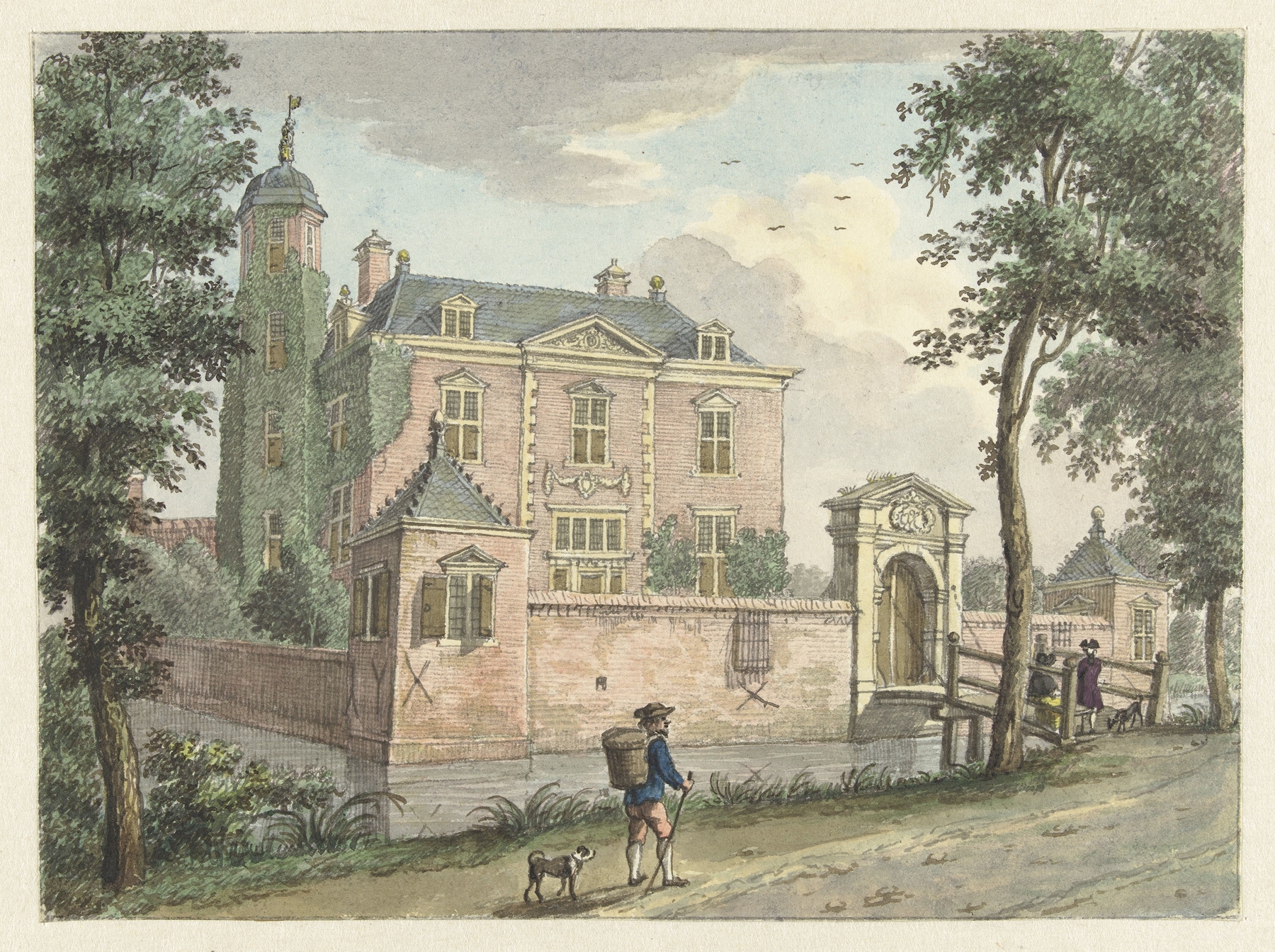
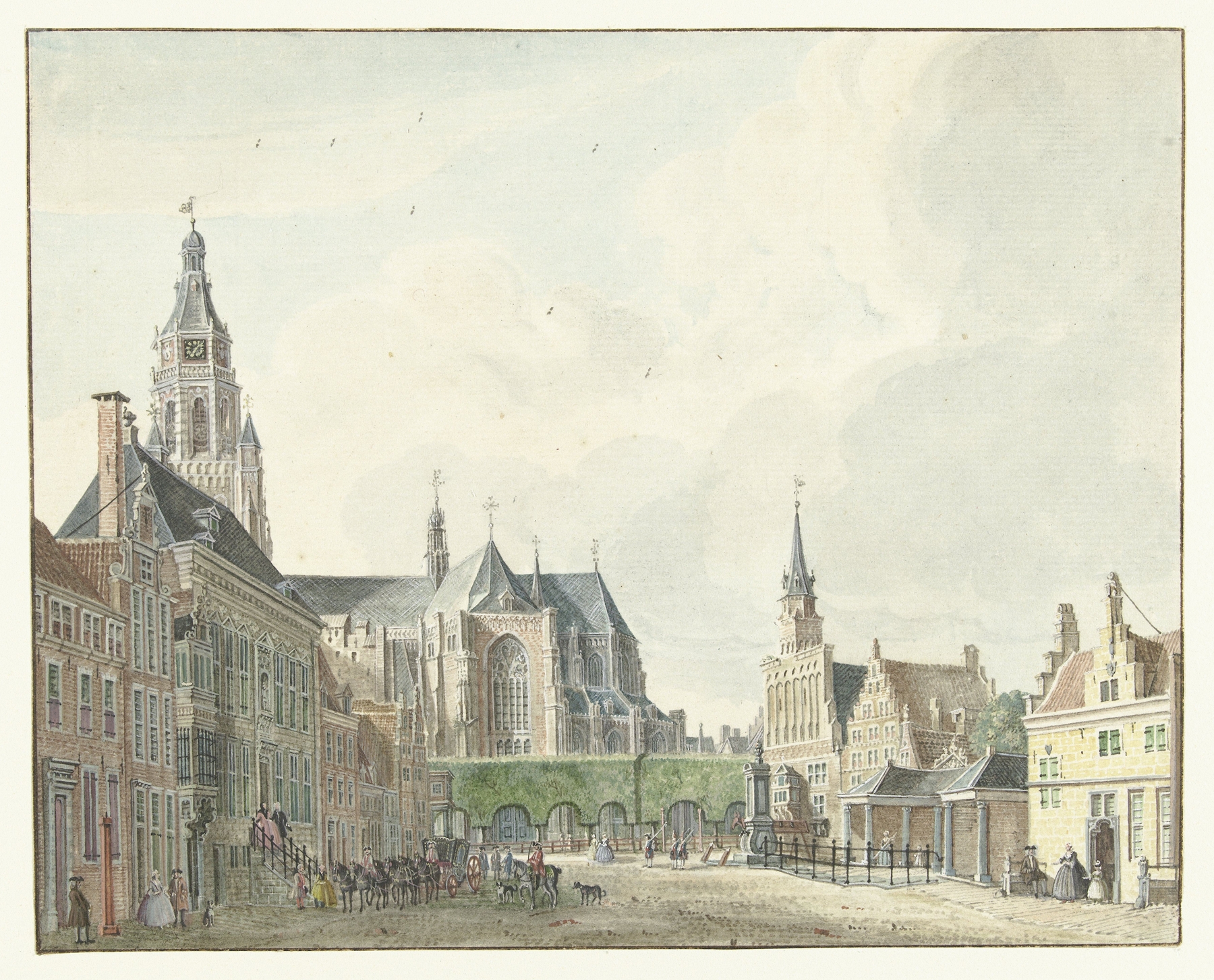
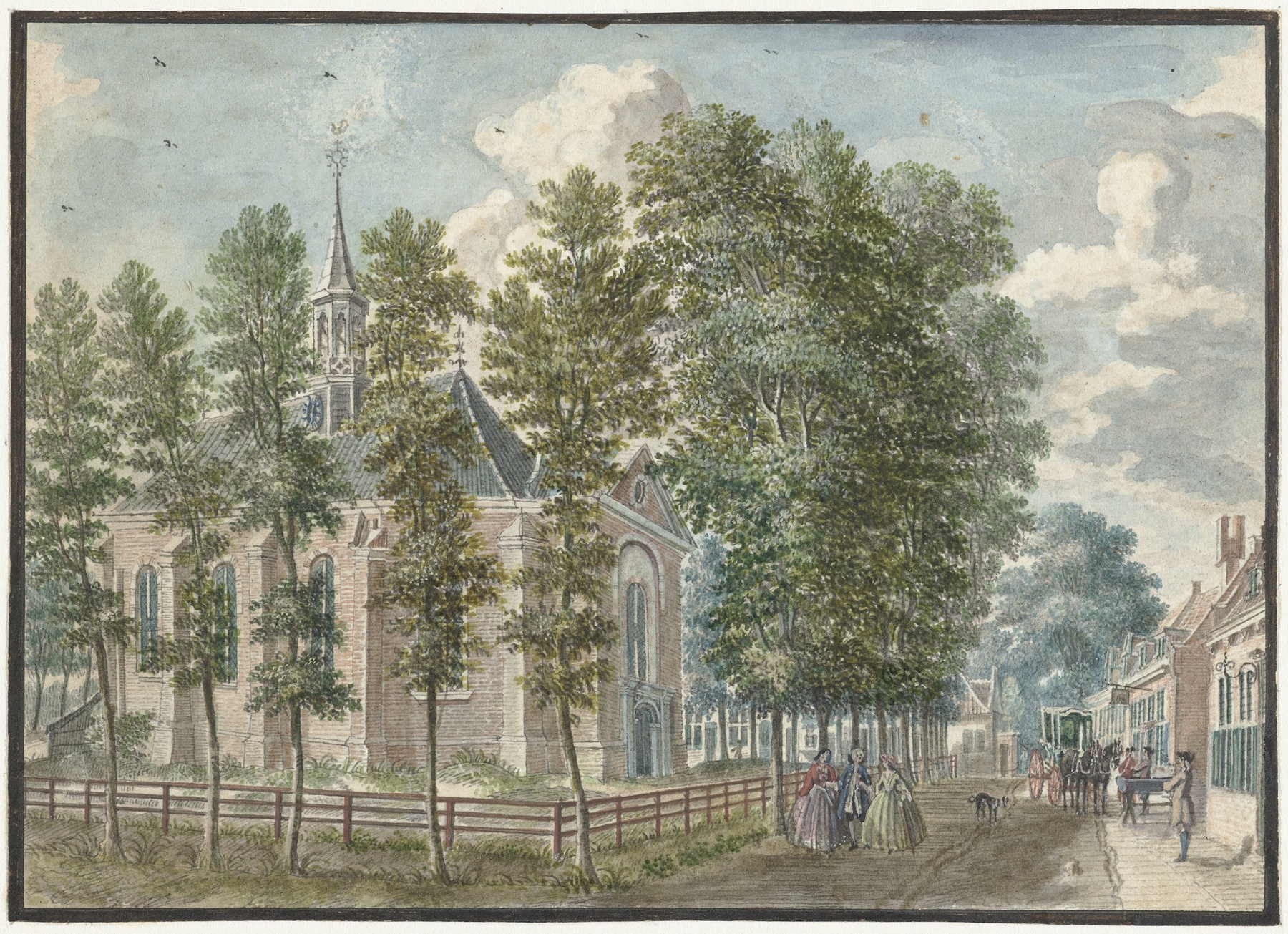
What if beauty was never meant to be finished? In the quiet embrace of nature, an exquisite moment unfolds as the eye dances between the harmony of landscape and architecture. Look to the left at the elegant silhouette of the house, Het Huis Rooderloo bij Ruurlo, standing stoically beneath the sprawling branches. The vibrant greens of the surrounding trees contrast with the muted tones of the structure, drawing the viewer's gaze toward its distinctive red façade.
Notice how the artist skillfully captures the interplay of light and shadow, the gentle illumination lending a serene glow to the scene, while the soft brushstrokes evoke a sense of tranquility and timelessness. Beneath the surface, this artwork hints at a deeper emotional resonance, reflecting a faith in the beauty of the natural world and the harmony it shares with human creation. The carefully manicured garden symbolizes the balance between human effort and the wild unpredictability of nature. The stillness of the water nearby mirrors the soul’s quest for peace, suggesting that beauty is an ongoing conversation between humanity and the earth, rather than a mere destination.
Jan de Beijer painted this piece in 1743 while living in the Netherlands, a time when the country was amidst a flourishing art scene, influenced by the Rococo style. His works often celebrated the serene landscapes of his homeland, capturing the essence of Dutch life and the subtleties of the natural environment. This particular painting serves as a testament to his meticulous attention to detail and his ability to blend architectural beauty with the pastoral charm of the land.