
Het korenveld — History & Facts
What if beauty was never meant to be finished? In Het korenveld, the landscape invites viewers to linger in a moment suspended between reality and imagination. Look to the right at the golden fields of wheat, each stalk painted with meticulous care that captures the essence of ripening grain. The textured brushstrokes evoke a dance of light, where the sun’s rays caress the crops, creating a shimmering effect that feels almost tangible. Notice how the horizon rises gently against the backdrop of a soft sky, with wisps of clouds that seem to float effortlessly, guiding your eyes across the canvas.
The cheerful yellows and earthy greens harmonize, framing a scene that is both serene and bountiful. Yet beneath this idyllic surface lies a deeper narrative of fleeting beauty. The subtle play of light and shadow hints at the transience of nature, suggesting that this moment is a mere illusion, to be appreciated but never fully grasped. The hidden figures in the distance, possibly laborers tending to the fields, remind us of the human presence intertwined with the landscape, emphasizing both connection and separation.
This duality invites reflection on the labor required to cultivate beauty and the ephemerality of life itself. Created in 1648, Ruisdael painted Het korenveld during a period marked by flourishing Dutch landscape painting. At this time, he was living in Haarlem, where he developed a keen eye for the interplay of light and atmosphere. The Netherlands was experiencing a cultural renaissance, and his work contributed to this movement, blending realism with poetic interpretation — a testament to the harmony and complexity of the natural world.
More Artworks by Jacob Isaacksz van Ruisdael
Browse all →
The Windmill at Wijk bij Duurstede
Jacob Isaacksz van Ruisdael

View of Haarlem from the Northwest, with the Bleaching Fields in the Foreground
Jacob Isaacksz van Ruisdael
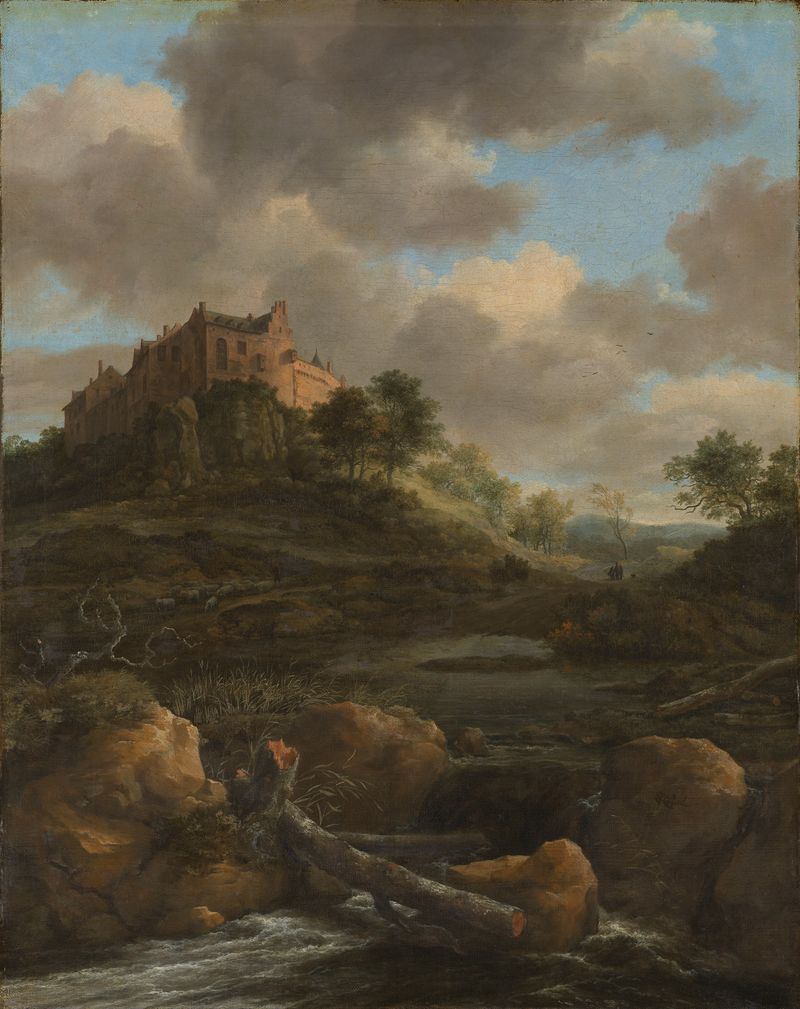
Bentheim Castle
Jacob Isaacksz van Ruisdael

Mountainous Landscape with Waterfall
Jacob Isaacksz van Ruisdael

De drie eiken
Jacob Isaacksz van Ruisdael

Wooded Landscape with a Pond
Jacob Isaacksz van Ruisdael
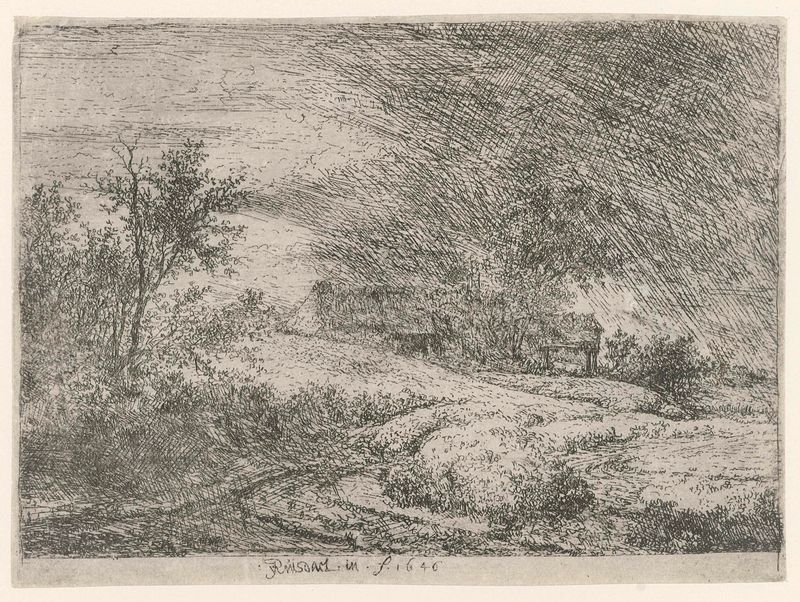
Landschap met een boerderij
Jacob Isaacksz van Ruisdael
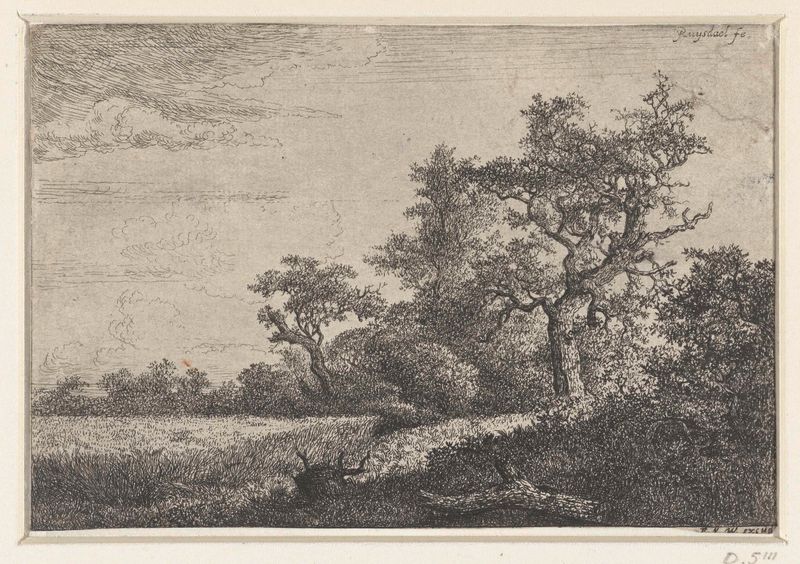
Het korenveld
Jacob Isaacksz van Ruisdael

De grote beuk
Jacob Isaacksz van Ruisdael

Landscape with Waterfall
Jacob Isaacksz van Ruisdael





