
Het marktplein te Saragossa — History & Facts
Can paint confess what words never could? In Het marktplein te Saragossa, the illusion unfolds—a vibrant market teeming with life, yet frozen in a moment that transcends time. Look to the center of the canvas, where a bustling square comes alive with vivid colors and dynamic figures. Notice how the sunlight bathes the scene, casting intricate shadows that dance across cobblestone paths, highlighting the textures of clothing and the glint of metal wares. The meticulous brushstrokes reveal a sense of movement and energy, inviting you to feel the warmth of the day and the camaraderie of the vendors and shoppers alike. Hidden within this lively tableau lies a deeper narrative of connection and disconnection.
The spirited interactions among the figures contrast sharply with the towering architecture that looms overhead, suggesting the weight of tradition juxtaposed with modernity. The varied expressions on each face encapsulate a spectrum of emotions—from joy to weariness—hinting at the stories each person carries. The scene is not merely a market; it’s a reflection of life’s complexities and an exploration of the human condition. Otto Howen painted Het marktplein te Saragossa during a period marked by significant shifts in European art, likely around the late 19th century.
While the precise date remains uncertain, Howen’s work exhibits the influences of Impressionism, focusing on light and atmosphere. At this time, artists were increasingly drawn to capturing the essence of everyday life, breaking away from traditional forms to explore a more spontaneous and immediate approach to art.
More Artworks by Otto Howen
Browse all →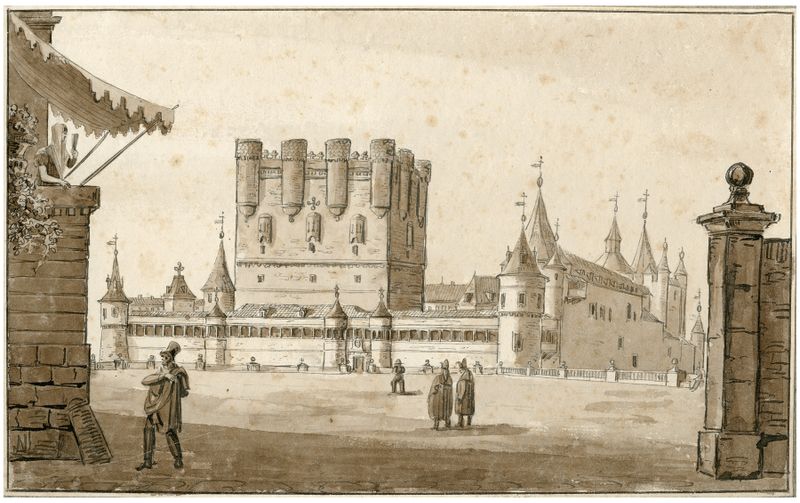
Het Alcazar te Segovia
Otto Howen
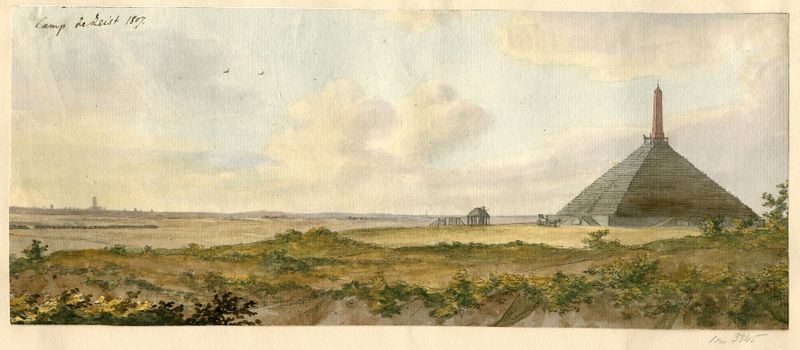
De piramide van Austerlitz bij Zeist
Otto Howen
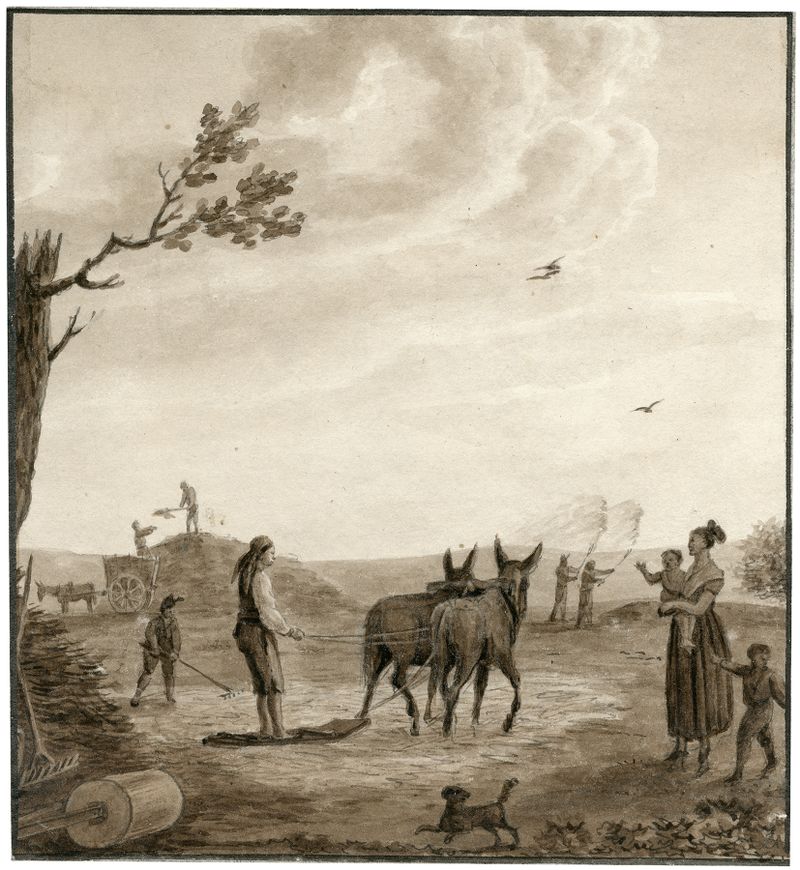
Het dorsen van het graan
Otto Howen
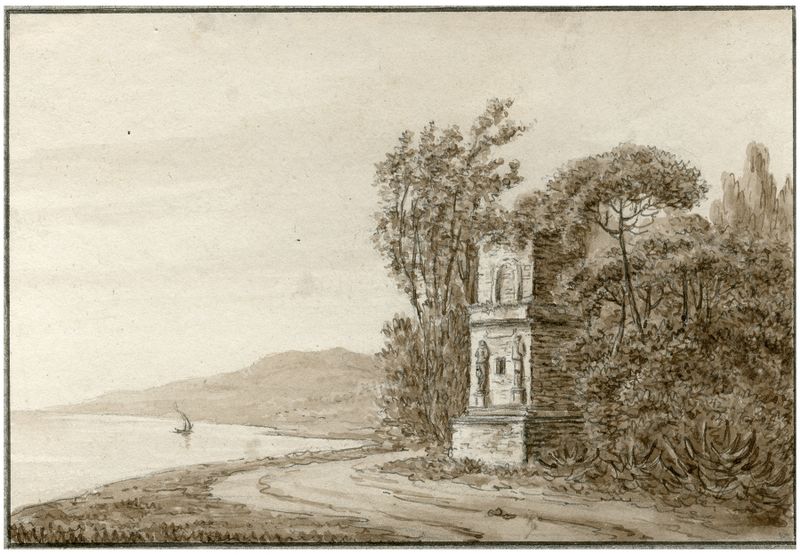
Een antiek monument in de omgeving van Taragone
Otto Howen
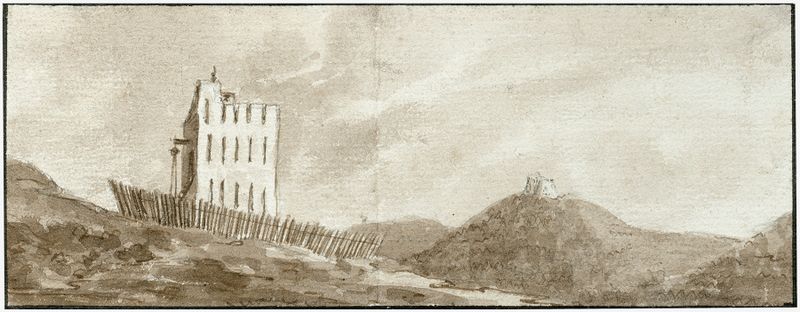
Gezicht in de omgeving van Gerona
Otto Howen
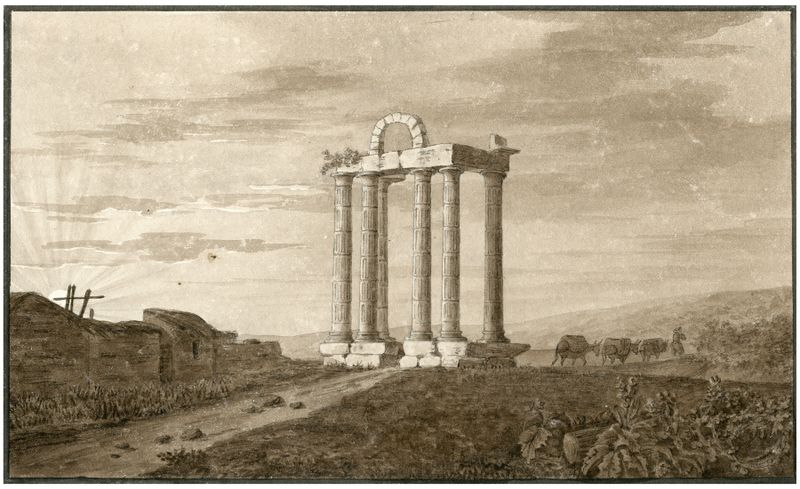
Antieke Ruïnes bij Talavera in Castillie
Otto Howen
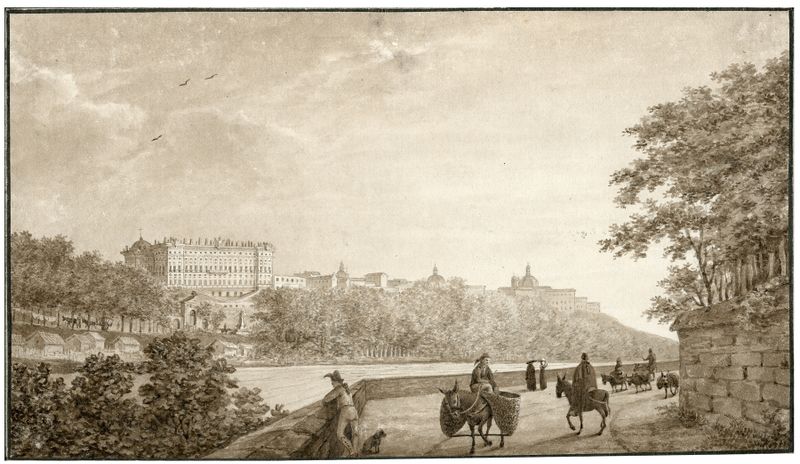
Het Koninklijke Paleis te Madrid
Otto Howen
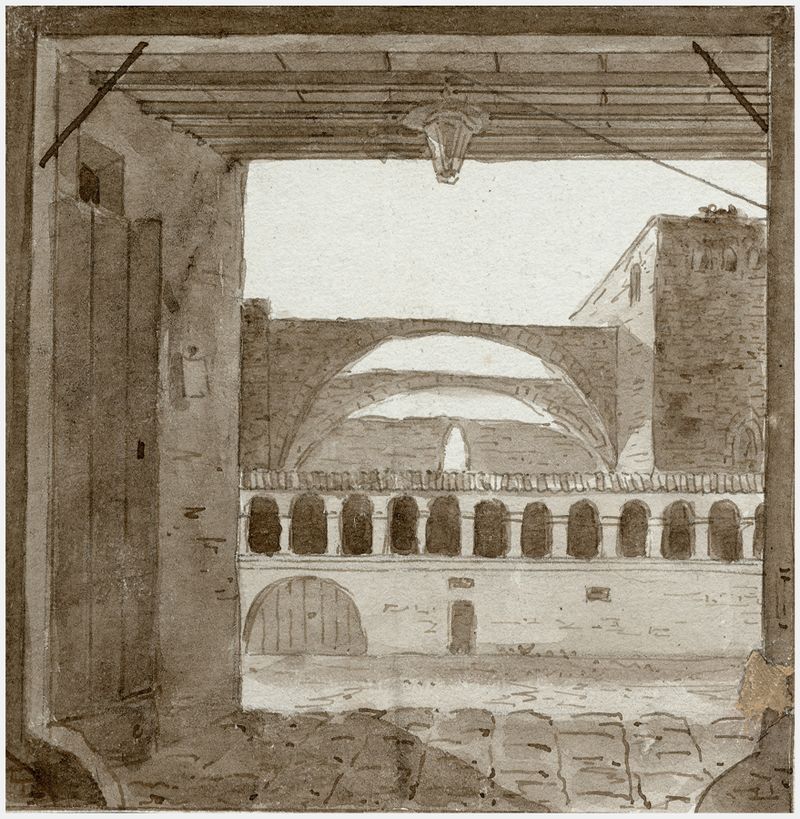
Ruïne van een klooster te Barcelona
Otto Howen
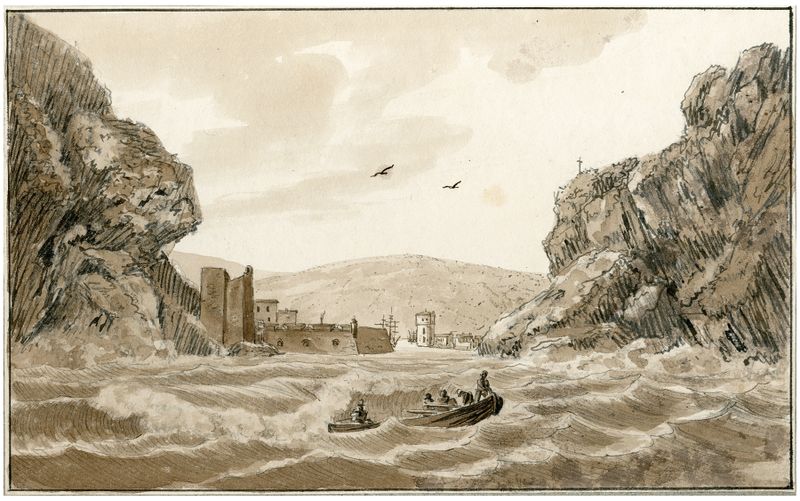
Een havenplaats in Spanje, Port de Passage
Otto Howen
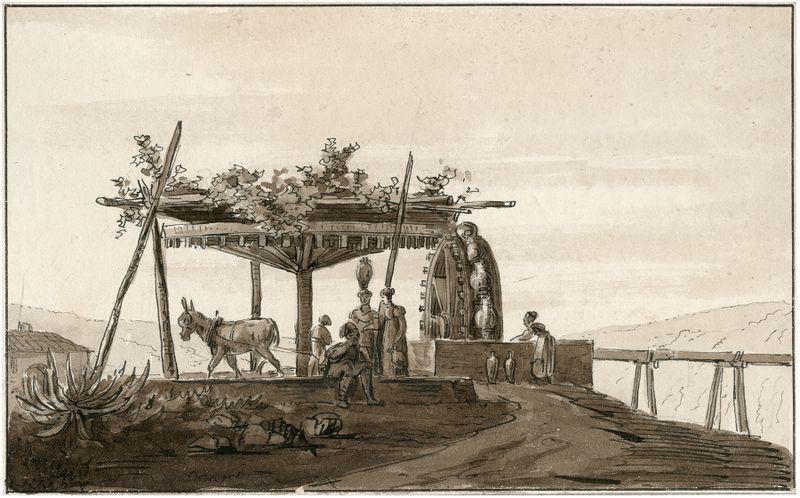
Een waterput met raderwerk en trekezel
Otto Howen





