
Het Spaanse huwelijk: Filips de Schone trouwt met Johanna van Castilië — History & Facts
Did the painter know this moment would outlive them? In Het Spaanse huwelijk: Filips de Schone trouwt met Johanna van Castilië, a stillness radiates with unspoken longing, captured in exquisite detail. The union of two figures, poised yet tense, evokes a poignant sense of fate intertwined with desire. Look closely at the central figures, where the royal couple stands, their hands almost touching but slightly apart. Notice how the elaborate garments are draped in rich, deep colors of crimson and gold, emphasizing their status and the weight of their impending union.
The intricate patterns of their attire lead the eye upward to the soft, diffused light that bathes the scene, highlighting their solemn expressions and the carefully arranged floral motifs that symbolize both love and fragility. Yet, the painting is more than just a royal marriage; it echoes the complexity of dynastic power and personal longing. The distance between the couple's hands hints at the emotional barriers that governance imposes on personal connections. Observe the attendants in the background, their expressions veiled with dutiful restraint, underscoring the tension between public obligation and private emotion.
Dürer crafts a narrative of hope and sacrifice, inviting viewers to contemplate the bittersweet nature of love when intertwined with duty. Albrecht Dürer painted this work in 1515 during a time of significant political shifts in Europe. As a leading figure of the Northern Renaissance, he was then at the height of his artistic prowess, navigating the tension between art, science, and the political landscape of his time. This period also saw the rise of the Habsburgs, making the marriage a pivotal moment in history, one Dürer immortalized with meticulous craftsmanship.
More Artworks by Albrecht Dürer
Browse all →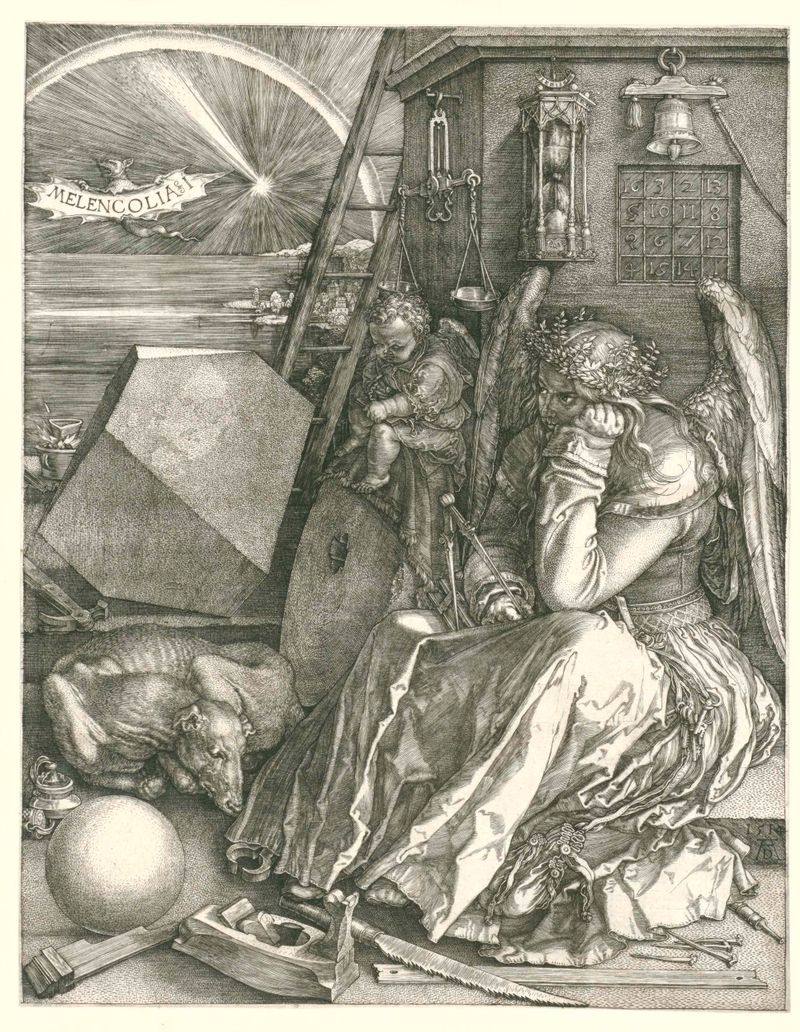
Melancholia
Albrecht Dürer
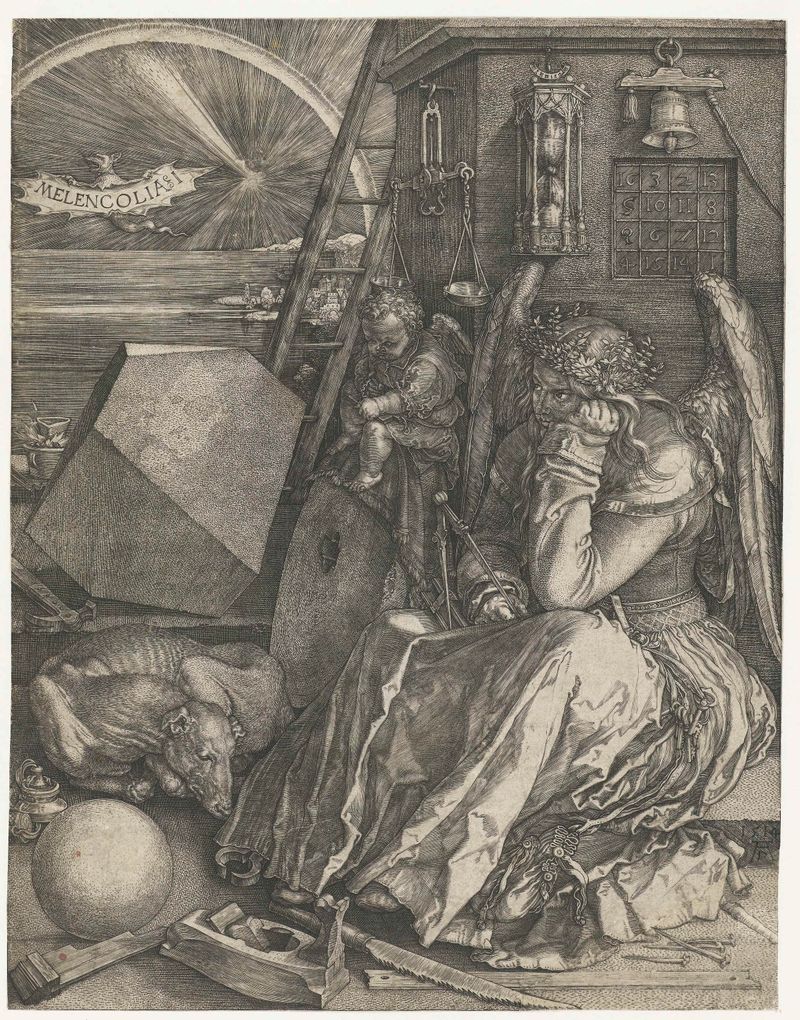
Melancholie
Albrecht Dürer

Neushoorn
Albrecht Dürer
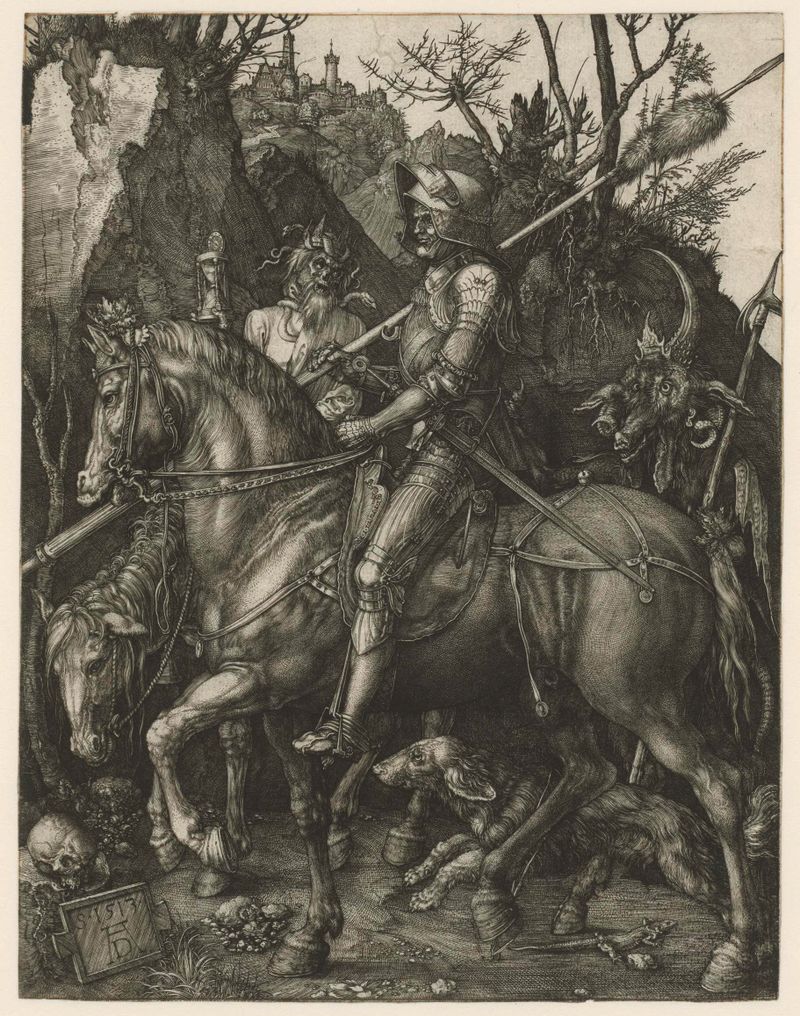
Knight, Death, and the Devil
Albrecht Dürer

De vier ruiters van de apocalyps
Albrecht Dürer

De vier ruiters van de apocalyps
Albrecht Dürer
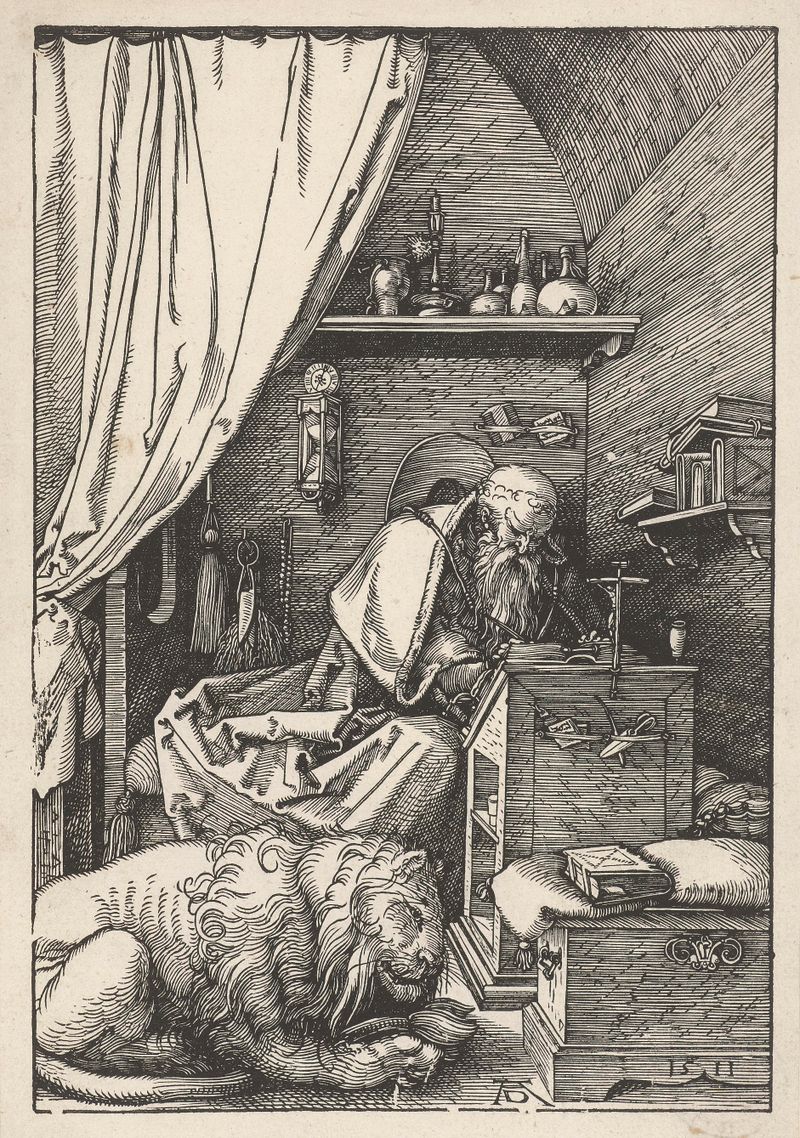
De Heilige Hiëronymus in zijn studeervertrek
Albrecht Dürer
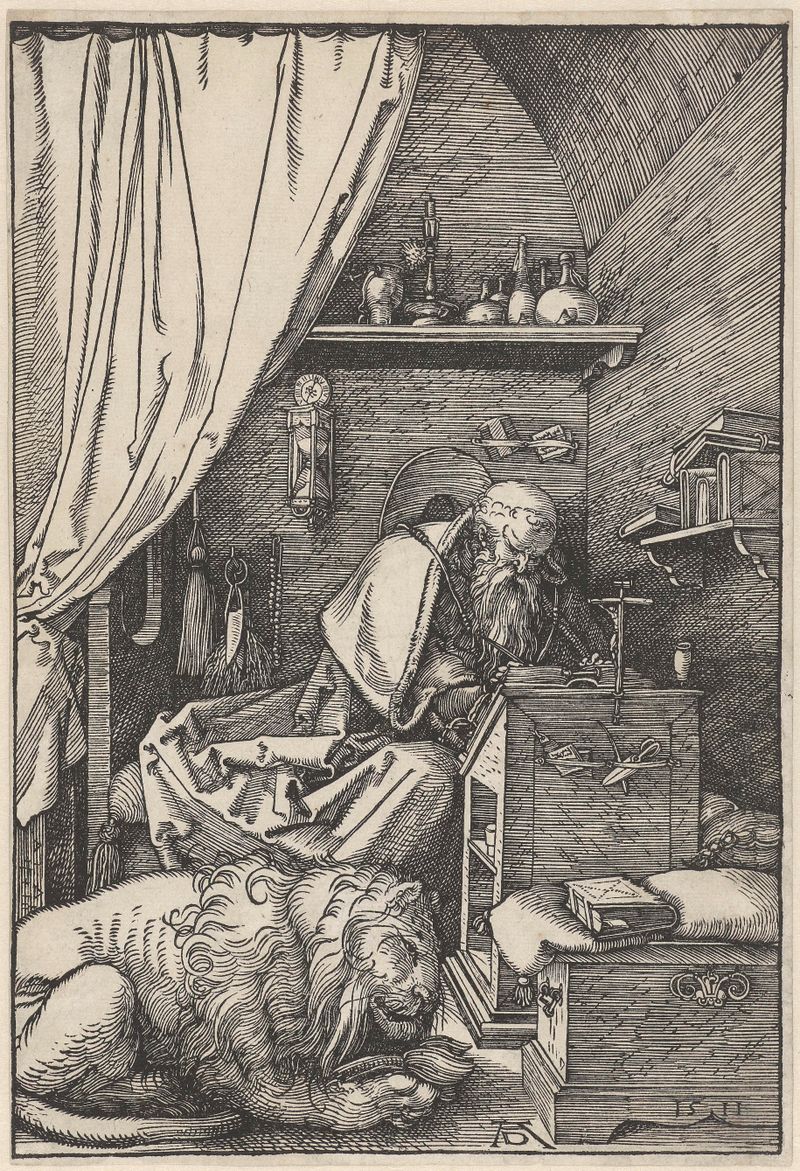
De Heilige Hiëronymus in zijn studeervertrek
Albrecht Dürer
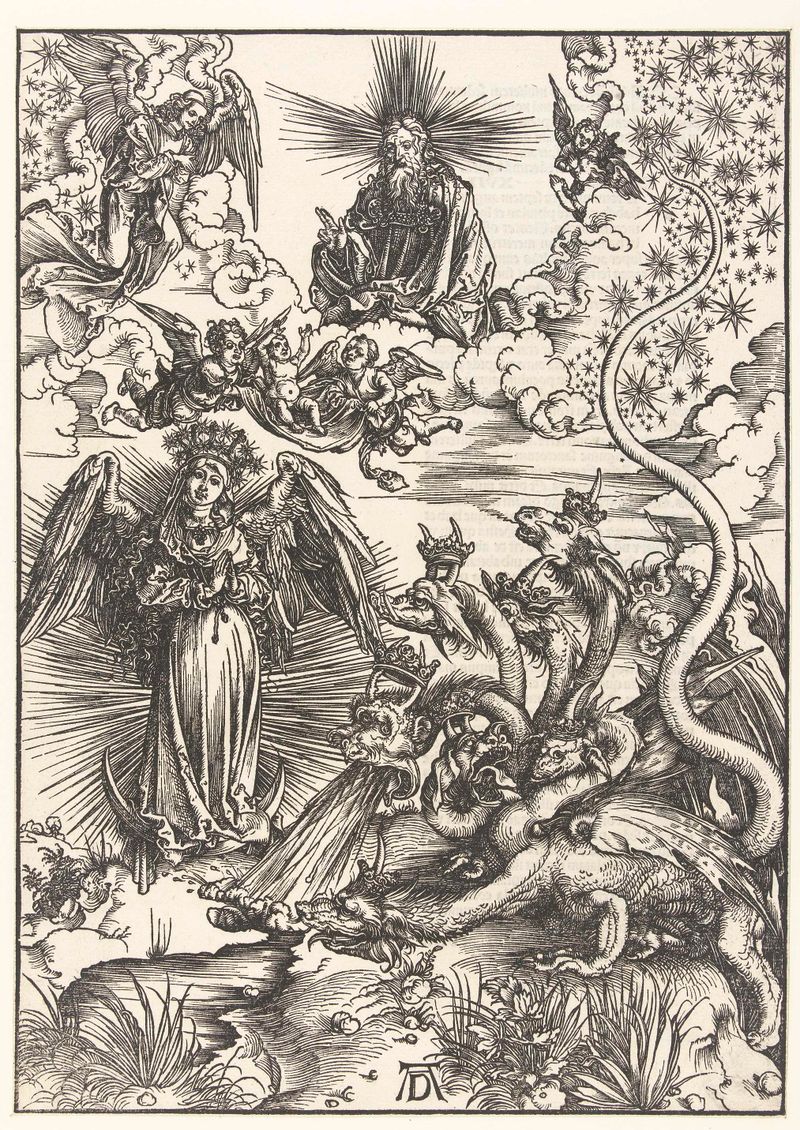
De apocalyptische vrouw en de zevenkoppige draak
Albrecht Dürer
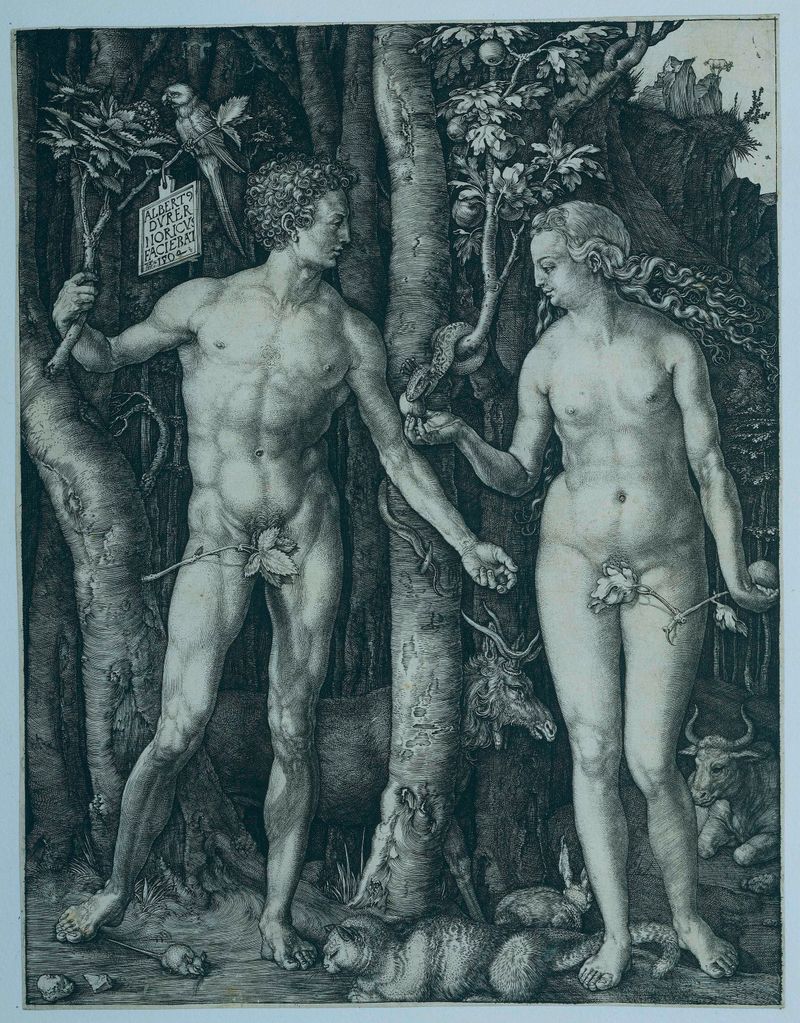
Adam en Eva
Albrecht Dürer
More Historical Art
Browse all →
The Night Watch Militia Company of District II under the Command of Captain Frans Banninck Cocq
Rembrandt van Rijn

Lincoln Memorial
Henry Bacon

The Third of May 1808
Francisco de Goya

Isaac and Rebecca, Known as ‘The Jewish Bride’
Rembrandt van Rijn

The Charge of the Mamelukes (1814)
Francisco de Goya
De vier ruiters van de apocalyps
Albrecht Dürer