
Highbridge — History & Facts
In the quiet aftermath of a bustling day, a sense of emptiness lingers in the air, echoing through the spaces we inhabit. Look to the center of Highbridge, where the bridge stands as a stark reminder of connections past. The artist's meticulous lines guide your gaze along the arching structure, inviting you to traverse the scene. Notice how the light delicately dances upon its surface, illuminating the interplay between shadow and form, suggesting both strength and vulnerability.
The muted palette evokes a serene atmosphere, while the surrounding landscape fades into an almost dreamlike haze, emphasizing the isolation of the bridge itself. In this work, contrasts weave a narrative of absence and memory. The sturdy architecture juxtaposes the surrounding emptiness, hinting at the stories of those who once traversed it. The soft brushstrokes that define the water's surface reflect an emotional undercurrent—sorrow intertwined with nostalgia.
Each element speaks to the fleeting nature of human connection, urging the viewer to ponder what has been lost and what remains. In 1898, Charles Frederick William Mielatz created this piece during a time of rapid industrial change in America. Residing in New York, he was influenced by the burgeoning art movements seeking to capture the essence of urban life and its transformations. This painting reflects both a personal exploration and a broader commentary on the isolation often felt amidst the growing complexities of modern existence.
More Artworks by Charles Frederick William Mielatz
Browse all →
View of Rockwood Tarrytown on the Hudson, residence of William Rockefeller, no. 1
Charles Frederick William Mielatz
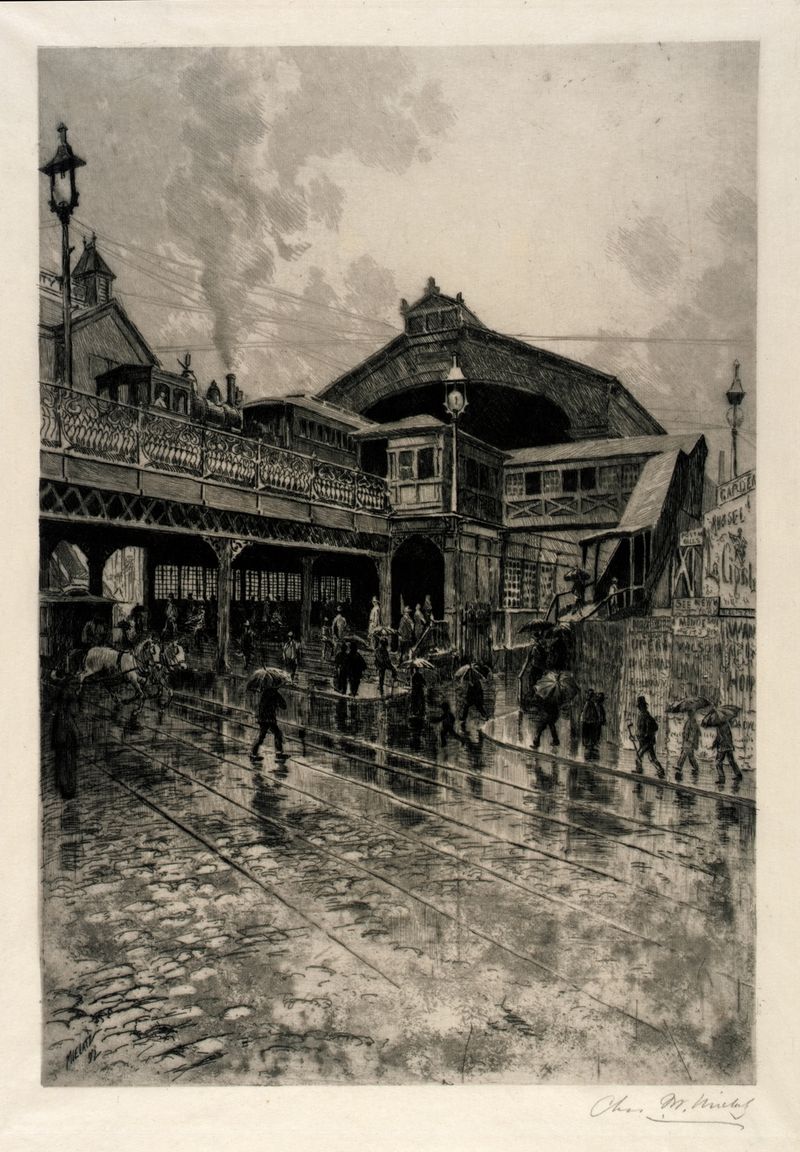
Entrance to Brooklyn Bridge
Charles Frederick William Mielatz
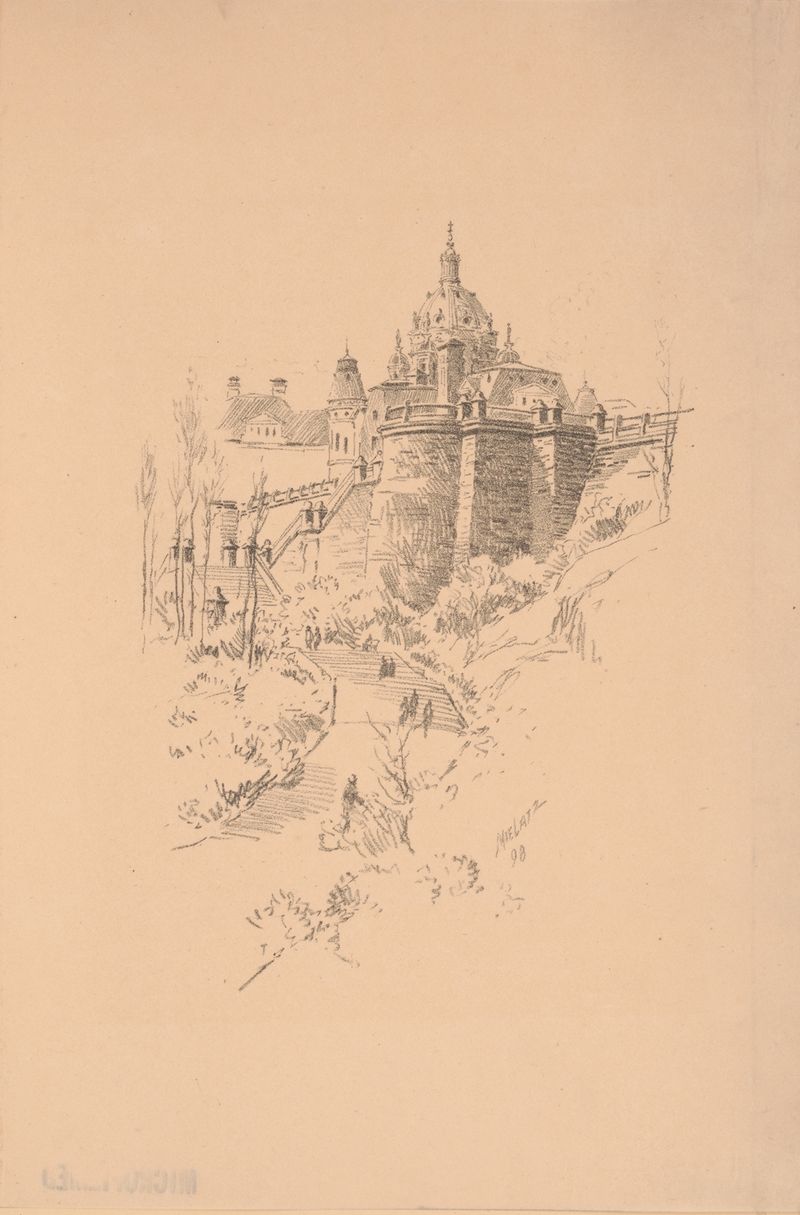
Morningside Park and St. Luke’s Hospital
Charles Frederick William Mielatz

Street Scene under Steel Bridge
Charles Frederick William Mielatz
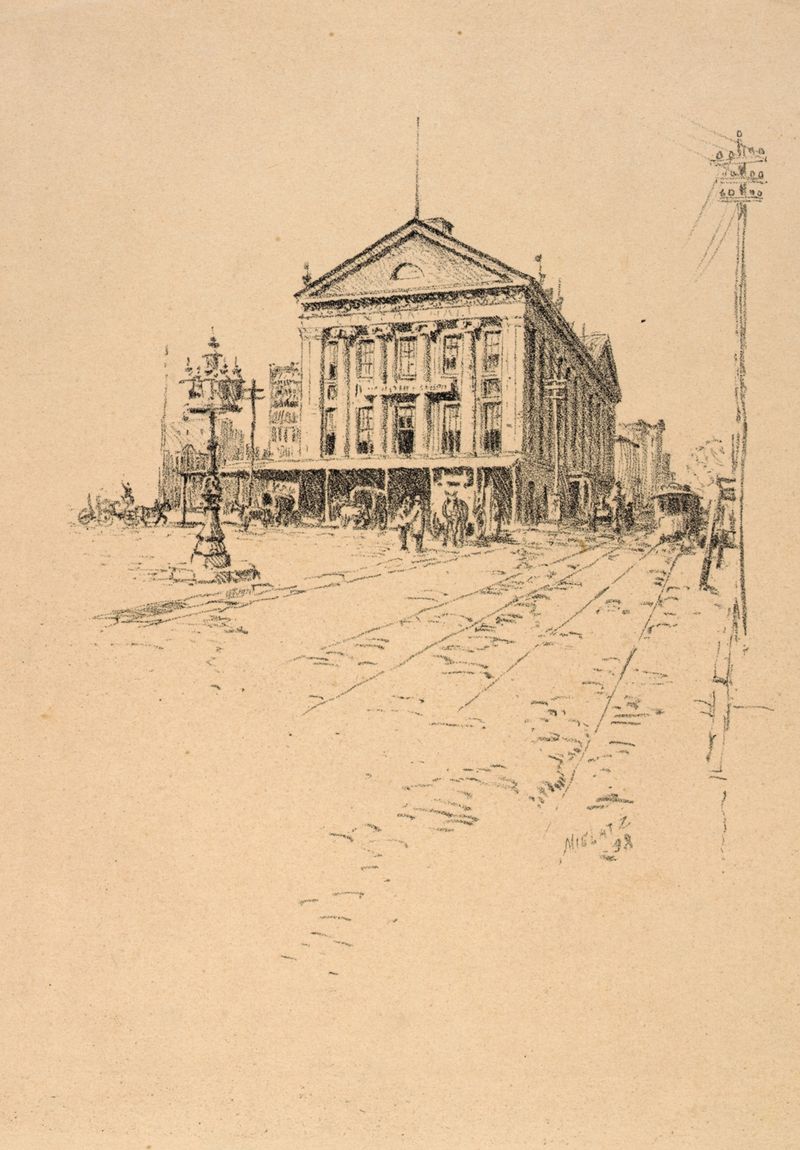
Clinton Hall
Charles Frederick William Mielatz
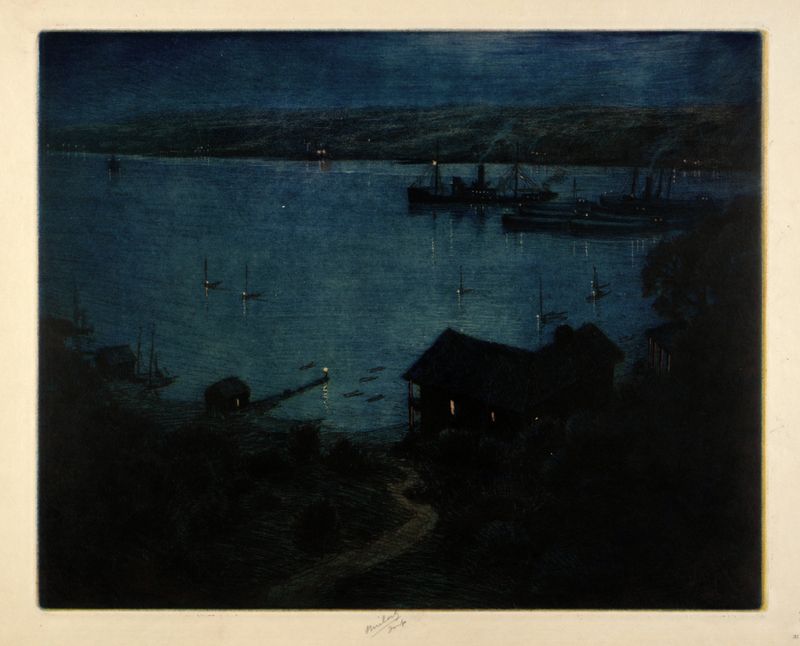
Moonlight–Hudson River
Charles Frederick William Mielatz
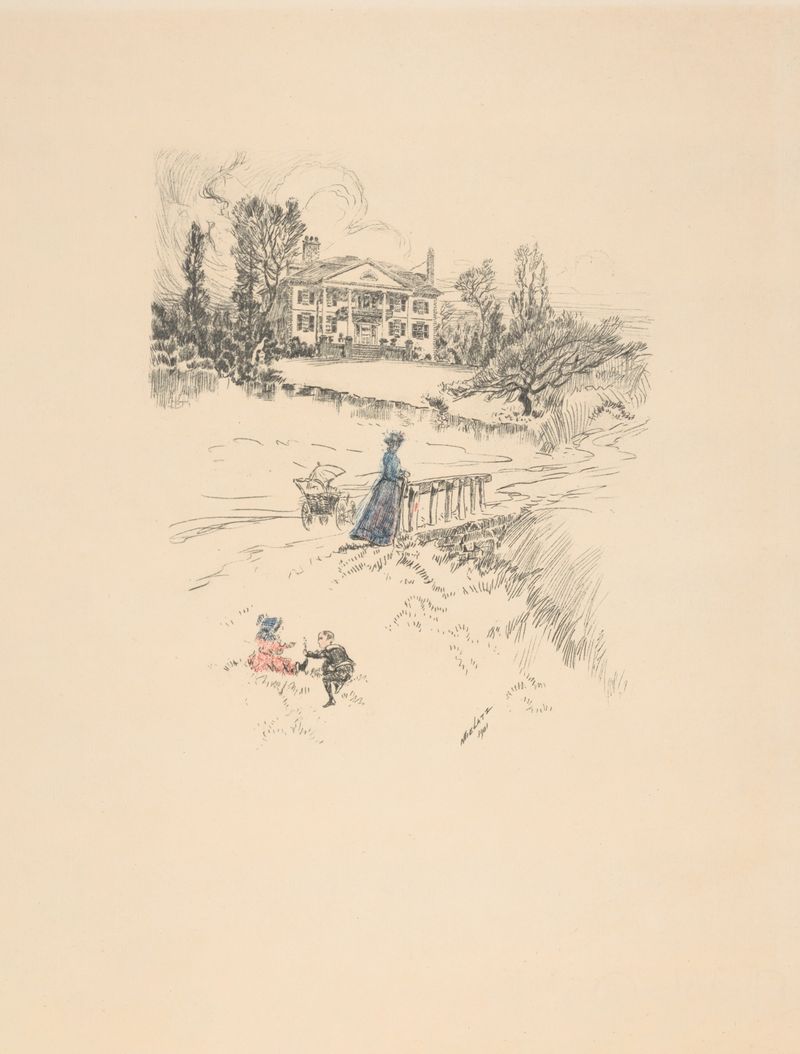
Jumel mansion
Charles Frederick William Mielatz
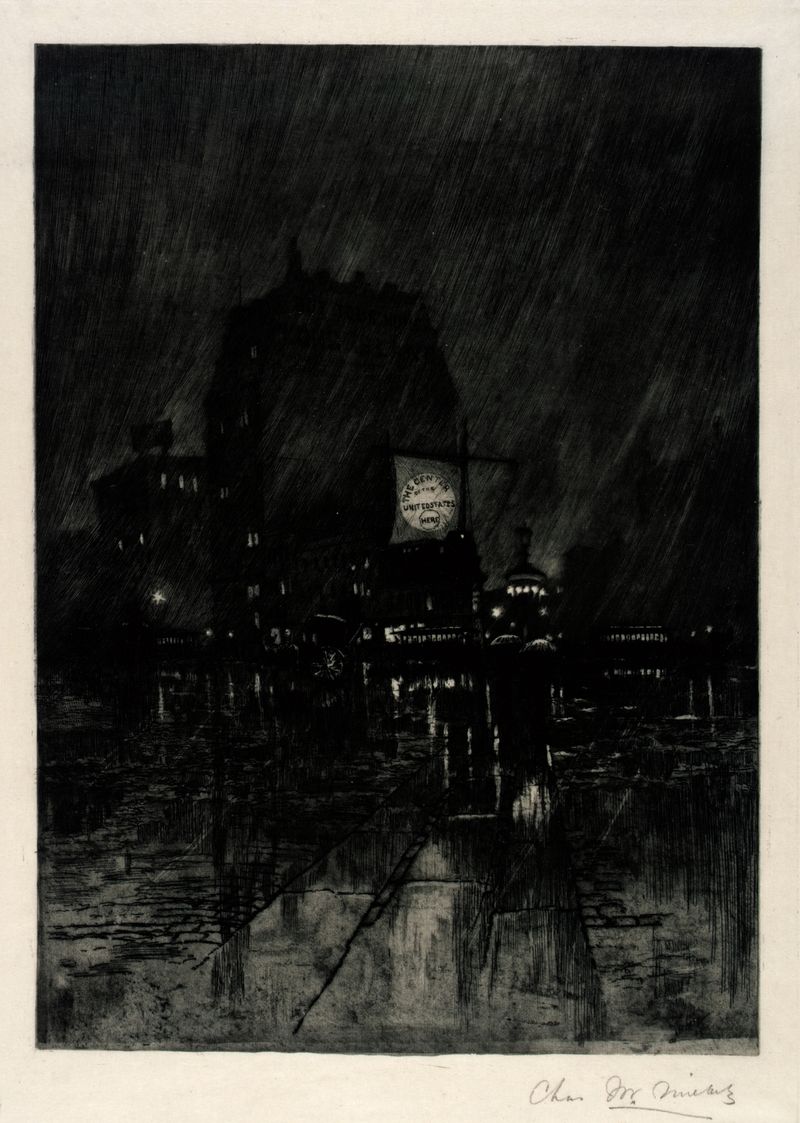
Rainy Night, Madison Square
Charles Frederick William Mielatz
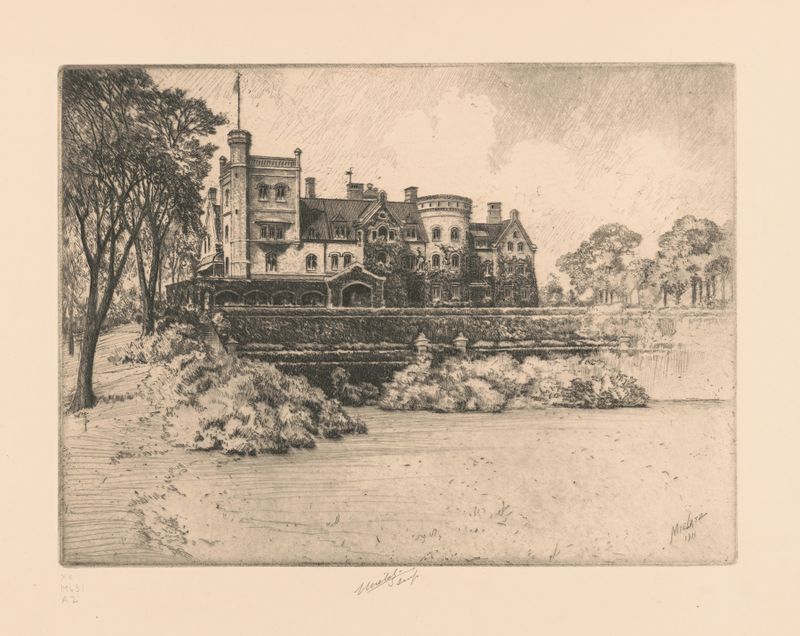
View of Rockwood, Tarrytown on the Hudson, residence of William Rockefeller, no. 3
Charles Frederick William Mielatz

View of Rockwood, Tarrytown on the Hudson, residence of William Rockefeller, no. 5
Charles Frederick William Mielatz
More Architecture Art
Browse all →
The statue of Liberty
Frédéric Auguste Bartholdi

View of Houses in Delft, Known as ‘The Little Street’
Johannes Vermeer

View of Houses in Delft, Known as ‘The Little Street’
Johannes Vermeer

The Cathedral in Rouen. The portal, Grey Weather
Claude Monet

The yellow house
Vincent van Gogh

The Church in Auvers-sur-Oise, View from the Chevet
Vincent van Gogh